
Robert Lee Baker Case Concludes with Guilty Plea, 17.5-Year Sentence After Supreme Court Ordered New Trial
EAGAN, MINNESOTA - The criminal case against Robert Lee Baker III has reached a new conclusion nearly two years after the Minnesota Supreme Court overturned his original conviction and ordered a new trial, ruling that a jury should have been allowed to consider self-defense and defense of others.
Background: Supreme Court Ordered New Trial
As previously reported by Limitless Media News, Minnesota Supreme Court Orders New Trial for Robert Lee Baker in Self-Defense Case, the Minnesota Supreme Court reversed Baker’s second-degree murder conviction in November 2024, finding that the district court improperly denied jury instructions on self-defense. The high court ruled that a jury, not a judge, should determine whether Baker’s actions were reasonable during the fatal 2020 shooting of Maurice Anderson during a robbery.
That decision sent the case back to Dakota County District Court for a new trial.
New Trial Set — Then Resolved by Plea
Court records show the case was scheduled for a new jury trial beginning April 6, 2026, and was expected to last approximately 10 days. The State prepared for trial, including securing out-of-state witnesses. However, just before or during the trial process, Baker chose to resolve the case by entering a guilty plea.
According to court filings, Baker formally petitioned to plead guilty to second-degree intentional murder in April 2026. As part of that plea:
He acknowledged the charge stemming from the November 9, 2020, incident
He waived his right to a jury trial
He agreed there were “substantial and compelling reasons” for the court to consider mitigating factors, including that the victim was the primary aggressor and elements of imperfect self-defense
Notably, the plea agreement allowed the court discretion to sentence Baker within a range of 204 to 288 months (17 to 24 years).
Sentencing: 210-Month Prison Term
On April 15, 2026, a Dakota County judge sentenced Baker to 210 months (17.5 years) in prison for second-degree intentional murder and 60 months (5 years) for possession of a firearm by an ineligible person (served concurrently). A separate manslaughter charge was dismissed.
Baker received credit for approximately 66 months already served (about 5.5 years).
The sentence represents a downward durational departure from Minnesota sentencing guidelines, meaning the court imposed a shorter sentence than typically recommended. While the departure report does not fully detail all reasoning, court records indicate mitigating factors, including the victim’s role as the aggressor, were considered.
Under Minnesota law, Baker is expected to serve about two-thirds of his sentence in prison, with the remainder on supervised release, assuming compliance with correctional rules
Case Significance
The resolution of this case highlights several key legal developments, including the Minnesota Supreme Court’s ruling, which reinforced that defendants are entitled to present self-defense claims to a jury when supported by evidence. Despite that ruling, the case ultimately did not go to a second jury trial, instead concluding through a negotiated plea
The final sentence reflects a middle ground, acknowledging criminal liability while also recognizing mitigating circumstances tied to the original confrontation.
Original Incident
Baker was convicted of second-degree intentional murder following the fatal shooting of Maurice Anderson during a robbery in December 2020. According to court documents, Anderson and an accomplice robbed Baker and his girlfriend at gunpoint in their car. As the robbers fled with Baker’s property, he exited the vehicle armed with a firearm and demanded the return of his belongings. Anderson raised his gun in response, and Baker shot and killed him.
The district court denied Baker’s request for jury instructions on self-defense and defense of others, concluding that he failed to demonstrate he was not the initial aggressor and lacked a reasonable opportunity to retreat. The Minnesota Court of Appeals upheld the conviction but shifted its reasoning, determining that Baker’s use of deadly force was unreasonable as a matter of law.
Bottom Line
After years of legal proceedings, including a successful appeal to the Minnesota Supreme Court, Robert Lee Baker III will serve a 17.5-year prison sentence following a guilty plea that incorporated elements of self-defense into sentencing considerations, bringing a complex and closely watched case to a conclusion.
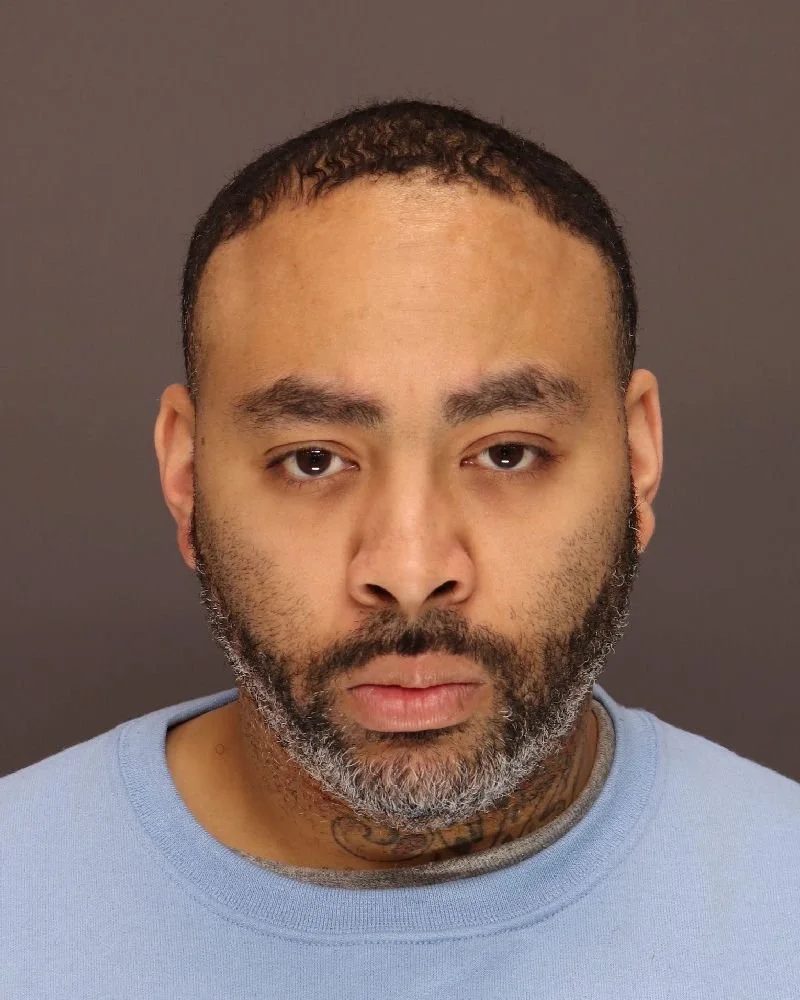
Provided by the Dakota County Jail
Written by: Will Wight
