
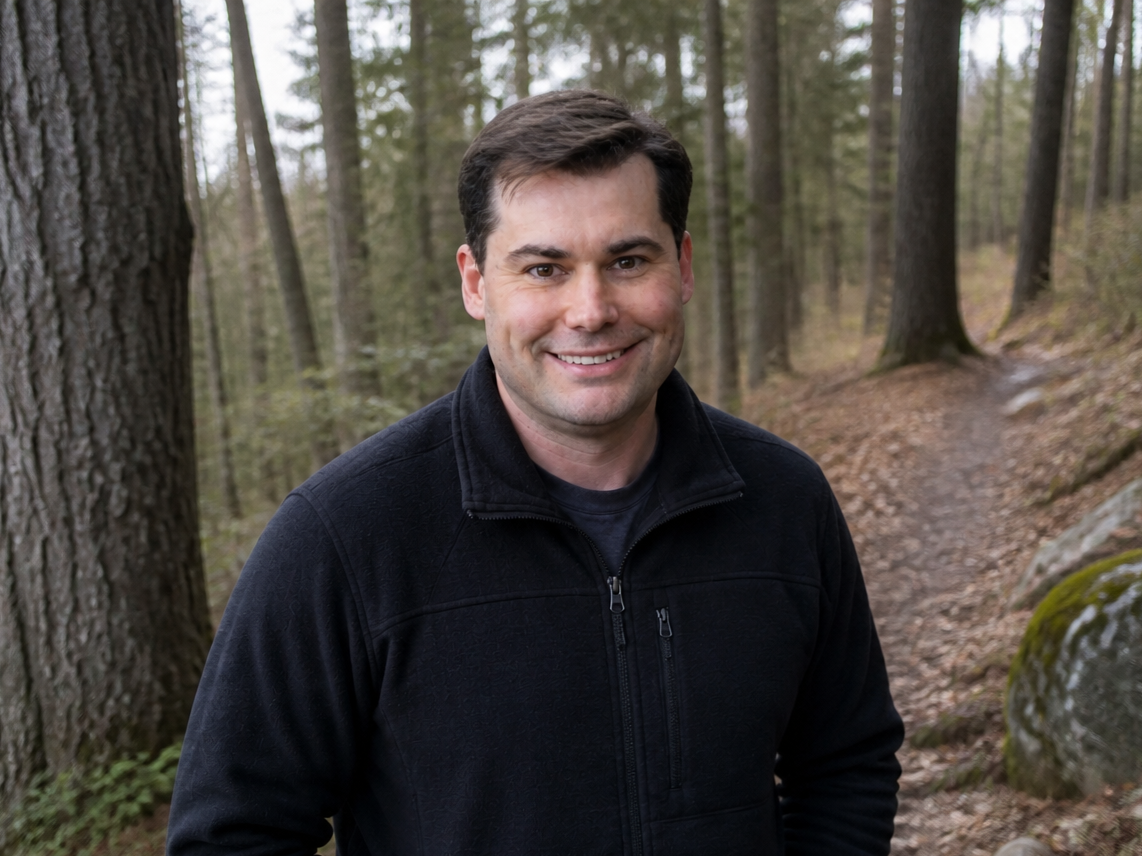
Published: November 2, 2026.
LAKEVILLE, MN: Steven Haes, a candidate for Lakeville City Council in the 2026 election, is campaigning on a platform focused on responsible development, protecting natural resources, expanding homeownership opportunities, limiting the financial burden of growth on taxpayers, and increasing transparency in local government.
Haes, who has lived in Lakeville with his wife for more than two decades, has outlined six priorities to preserve the city's character while addressing concerns about continued growth.
In his statement of candidacy, Haes said he and his wife originally moved to Lakeville for its schools and strong sense of community. However, he expressed concerns about the direction of future development and its potential effects on existing neighborhoods.
"I am proud of our city and everything that makes it special, but I am increasingly concerned about the direction we are heading," Haes stated.
His campaign, centered on the message "Putting Lakeville Families First," emphasizes balancing economic development with existing residents' interests, protecting environmental resources, and providing greater opportunities for public participation in local government decisions.
Opposition to Data Centers and Commercial Water-Bottling Facilities
One of Haes' central campaign positions is opposing large data centers and commercial water-bottling facilities in Lakeville. Haes argues these developments could place additional demands on the city's natural resources, particularly groundwater supplies, lakes, and wetlands.
"I firmly oppose large data centers and commercial water-bottling plants in Lakeville," Haes stated. "Our groundwater, lakes, wetlands, and natural resources are not for sale."
He believes protecting the city's environmental resources should remain a priority when evaluating potential commercial and industrial development. His position reflects a broader emphasis on examining the long-term environmental consequences of major projects, particularly those that could affect water resources, infrastructure, and surrounding neighborhoods.
Haes maintains that Lakeville has a responsibility to preserve its natural resources for future generations rather than prioritizing development without adequately considering its potential impacts.
Expanding Homeownership Opportunities for Younger Generations
Housing affordability and access to homeownership are also central to Haes' campaign. Haes has expressed concern that rising housing costs and existing development policies could make it increasingly difficult for younger residents to purchase homes in Lakeville. He supports policies encouraging attainable single-family homes, starter homes, and opportunities for first-time buyers to establish long-term roots in the community.
"Our children deserve the same opportunities we had: to purchase a home, raise a family, and build a future in Lakeville," Haes said.
He also warned against creating what he described as a generation of permanent renters if homeownership becomes increasingly out of reach. His campaign emphasizes expanding opportunities for younger families while maintaining the character of established residential neighborhoods. Although Haes has identified housing affordability as a priority, his statement does not specify which zoning changes, housing incentives, or other policies he would pursue to achieve those goals.
Property Taxes and Infrastructure: 'Growth Should Pay for Growth'
Another significant focus of Haes' campaign is ensuring that new development contributes to the infrastructure and public service costs associated with expansion. His position centers on the principle that "Growth should pay for growth."
Haes argues that existing homeowners, working families, and seniors should not keep facing higher property taxes to cover infrastructure demands created by major developments. Those expenses can include road improvements, utilities, emergency services, and other municipal infrastructure needed to support an expanding community.
"Developers and large corporations must pay their fair share," Haes stated.
He believes the city should more carefully evaluate how it distributes development-related expenses among developers, businesses, and existing taxpayers. His position suggests a desire to review how Lakeville finances infrastructure improvements and assigns financial responsibilities for new development. However, Haes has not outlined specific proposed changes to development fees, infrastructure financing agreements, or municipal funding policies in his statement.
Calls for Greater Government Transparency and Resident Participation
Haes has also made government transparency and public participation central issues in his campaign. He has criticized what he characterized as secretive development agreements, unnecessary nondisclosure agreements, and decisions made without sufficient public involvement.
Haes believes residents should have meaningful opportunities to participate in discussions affecting their neighborhoods before finalizing major development decisions.
"Residents deserve transparency, accountability, and a meaningful opportunity to influence decisions before they are made, not after the fact," Haes stated.
His position emphasizes greater openness during the development review process, particularly when proposed projects could significantly affect nearby homes, infrastructure, or natural resources. He also believes elected officials should remain accountable to residents and consider differing perspectives when making decisions.
While Haes has raised concerns about transparency, his statement does not identify specific Lakeville development agreements or City Council decisions that he believes lacked sufficient public involvement.
Concerns About High-Density Housing and Neighborhood Compatibility
Haes has called for a reassessment of Lakeville's long-term development plans and the pace of expansion throughout the city. He opposes placing large, multi-story apartment complexes immediately adjacent to established single-family neighborhoods and introducing commercial developments that he believes are incompatible with surrounding residential areas.
"Growth must make sense for the people who already live here," Haes stated.
His approach emphasizes thoughtful land-use planning, appropriate transitions between development types, and ensuring infrastructure is in place before further expansion. Haes argues that established neighborhoods should not be required to sacrifice their existing character to accommodate development proposals.
He also believes the city should revisit its long-term planning priorities to better balance economic growth with current residents' needs and concerns.
"Development should serve our community, not force our community to accommodate every proposed development," Haes said.
His campaign does not advocate ending development altogether but instead calls for a more deliberate approach that considers neighborhood compatibility, infrastructure capacity, and long-term community impacts.
Supporting Schools, Public Safety, and Local Businesses
Beyond development and housing, Haes has identified schools, public safety, and local businesses as important components of Lakeville's future. He believes the community must continue supporting teachers, paraprofessionals, police officers, firefighters, and small businesses as the city grows.
Haes argues that economic development should prioritize creating lasting local employment opportunities and strengthening the community. He also emphasizes ensuring essential services and public safety resources keep pace with population growth.
"Our schools and neighborhoods are the foundation of Lakeville's success," Haes stated.
While local school boards and other levels of government primarily oversee educational funding and school policies, Haes has identified support for Lakeville's broader educational community as a campaign priority. His platform also emphasizes maintaining public safety services and supporting small businesses that contribute to the local economy.
A Campaign Focused on Lakeville's Long-Term Future
Throughout his campaign statement, Haes has emphasized his belief that Lakeville's future should be shaped by the residents who live and work in the community. He has said his candidacy focuses on representing families, homeowners, seniors, and other residents rather than developers, major corporations, or special interests.
Haes believes Lakeville should revisit its long-term development plans, reassess the pace of expansion, and provide residents with greater influence over decisions affecting their neighborhoods.
"This election is about more than the next four years," Haes stated. "It is about the Lakeville we leave for our children and grandchildren."
His vision includes a community where younger families can afford their first homes, seniors can remain in their homes without excessive financial pressure, local businesses can thrive, and established neighborhoods retain their character.
Haes Emphasizes Servant Leadership and Accountability
Haes has also highlighted what he describes as a career-long commitment to servant leadership. He said his approach to public service emphasizes listening to different perspectives, putting people first, and accepting responsibility for decisions.
"Throughout my career, I have believed in servant leadership: putting people first, listening to different perspectives, and being accountable for decisions," Haes stated.
He has pledged to bring those principles to the Lakeville City Council if elected.
"My promise is simple: I will listen. I will be transparent. I will be accountable. And I will always put Lakeville families first."
With the November 3, 2026, general election approaching, Haes' campaign platform outlines his positions on development, housing affordability, environmental protection, taxpayer responsibilities, and local government accountability.
His campaign emphasizes balancing Lakeville's continued growth with preserving the qualities that have attracted families and longtime residents to the community.
Source: Steven Haes' 2026 Lakeville City Council statement of candidacy.
