
This article is a paid advertisement for Sean’s Cabinetry.
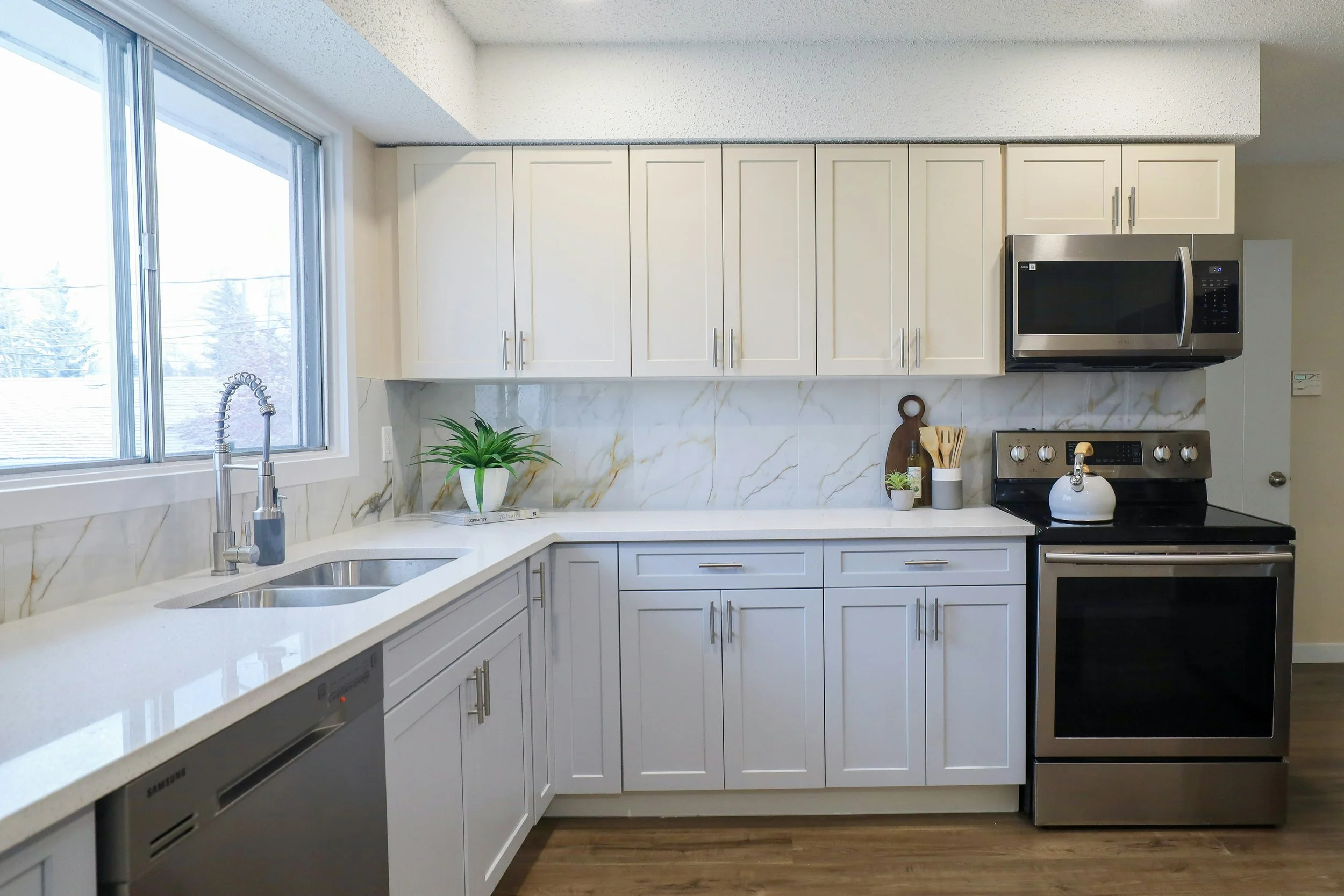
Published: October 21, 2026.
TWIN CITIES, MINNESOTA: Stock cabinets suit a straightforward layout and a tight budget. Semi-custom adds size and finish choices at a moderate price. Custom makes the most sense when your space is unusual, you want specific materials, or you're building a home you plan to keep. In older Twin Cities homes, where rooms rarely follow standard dimensions, custom often earns its cost.
Cabinets are usually the largest single expense in a kitchen remodel and the part you'll live with longest, so it's worth understanding the differences before you shop.
What Each Category Means
Stock: Built in standard sizes and finishes and sold ready to ship. Fast and affordable, but you work around fixed dimensions, usually in 3-inch width increments, and fill gaps with filler strips.
Semi-custom: Built from a manufacturer's catalog but with more options: more sizes, finishes, door styles, and some modifications. Lead times are longer than stock.
Custom: Built to your exact dimensions and specifications, often by a local shop. You choose the layout, materials, door style, interior fittings, and finish. Lead times are the longest, and so is the price.
Where Stock and Semi-Custom Fall Short
Awkward spaces. Older homes often have walls that aren't square, sloped ceilings, bump-outs, and odd corners, and filler strips and gaps show.
Limited depth and height options. Standard sizes may leave unused space above cabinets or waste corner storage.
Material tradeoffs. Many lower-priced lines use particleboard or MDF boxes and veneer or paint-grade doors, which can swell when exposed to moisture.
Fewer ways to personalize. Unusual storage needs, like tall pantry pullouts or built-in appliance panels, may not be available.
Where Custom Earns Its Cost
1. Spaces that don't fit standard sizes. A 1920s bungalow in South Minneapolis or a mid-century home in Edina often has quirks that custom work absorbs gracefully.
2. Better layouts. A good cabinetmaker will rethink storage around how you cook and live, not just fill the walls with boxes.
3. Solid wood and durable finishes. Custom shops commonly build with solid wood such as white oak, walnut, maple, or cherry, and use durable catalyzed finishes that hold up to daily use.
4. Longevity and resale. In higher-end markets, buyers notice quality cabinetry, and good cabinets can last for decades.
The Minnesota Factor: Seasonal Humidity
Twin Cities homes swing from dry winter air, when heating can push indoor humidity quite low, to humid summers. Solid wood expands and contracts with those changes. Well-built cabinets account for this with quality joinery, proper finishing on all surfaces, and adjustable hinges that let you tune doors as the seasons shift. If you're comparing options, ask how the construction handles movement, and consider using a humidifier in winter to keep humidity at a comfortable, stable level.
Frameless vs. Face Frame
You'll hear both terms. Face-frame cabinets have a wood frame on the front of the box, while frameless cabinets attach the doors directly to the box, giving a cleaner look and slightly more usable interior space. Neither is automatically better, but frameless requires tighter precision, so ask a shop how they build and why.
How to Compare Quotes
Quotes can look similar and differ greatly in what's included. Check:
Materials. Solid wood, plywood, or MDF for boxes, doors, and drawer boxes
Drawer construction. Dovetail joinery and full-extension, soft-close slides
Finish. The type and how it's applied
Hardware. Hinges, slides, and handles included or extra
Installation. Whether it's included and who does it
Timeline. Custom projects often run several months from first meeting to final installation, so plan ahead
A Simple Decision Guide
Choose stock if your layout is standard, your timeline is short, and budget is the priority.
Choose semi-custom if you want more choices than stock offers without a full custom price.
Choose custom if your space is unusual, you want specific materials, or you want cabinets built to last decades.
Questions to Ask a Cabinet Shop
What are the boxes, doors, and drawers made of?
How do you handle humidity and wood movement?
Who designs, builds, finishes, and installs the cabinets?
What's the timeline from design approval to installation?
Can I see examples of finished kitchens in homes like mine?
Finding the Right Builder
If you're leaning toward custom, look for a shop that designs, builds, and installs its own work and can show you past projects in homes similar to yours. Browsing the portfolio of a maker of high-end custom cabinets is a good way to compare materials, door styles, and finish quality before you commit.
The Bottom Line
The right cabinet category depends on your space, your timeline, and how long you plan to stay. Measure what matters, compare quotes on construction rather than just price, and remember that cabinets are one of the few kitchen elements you'll rarely replace.
Photo by Elias Storm on Unsplash
