
Minnesota House Bonding Committee Toured Burnsville Water Treatment Plant, Highlighting $17.5 Million Rehabilitation Effort to Secure the City’s Water Future
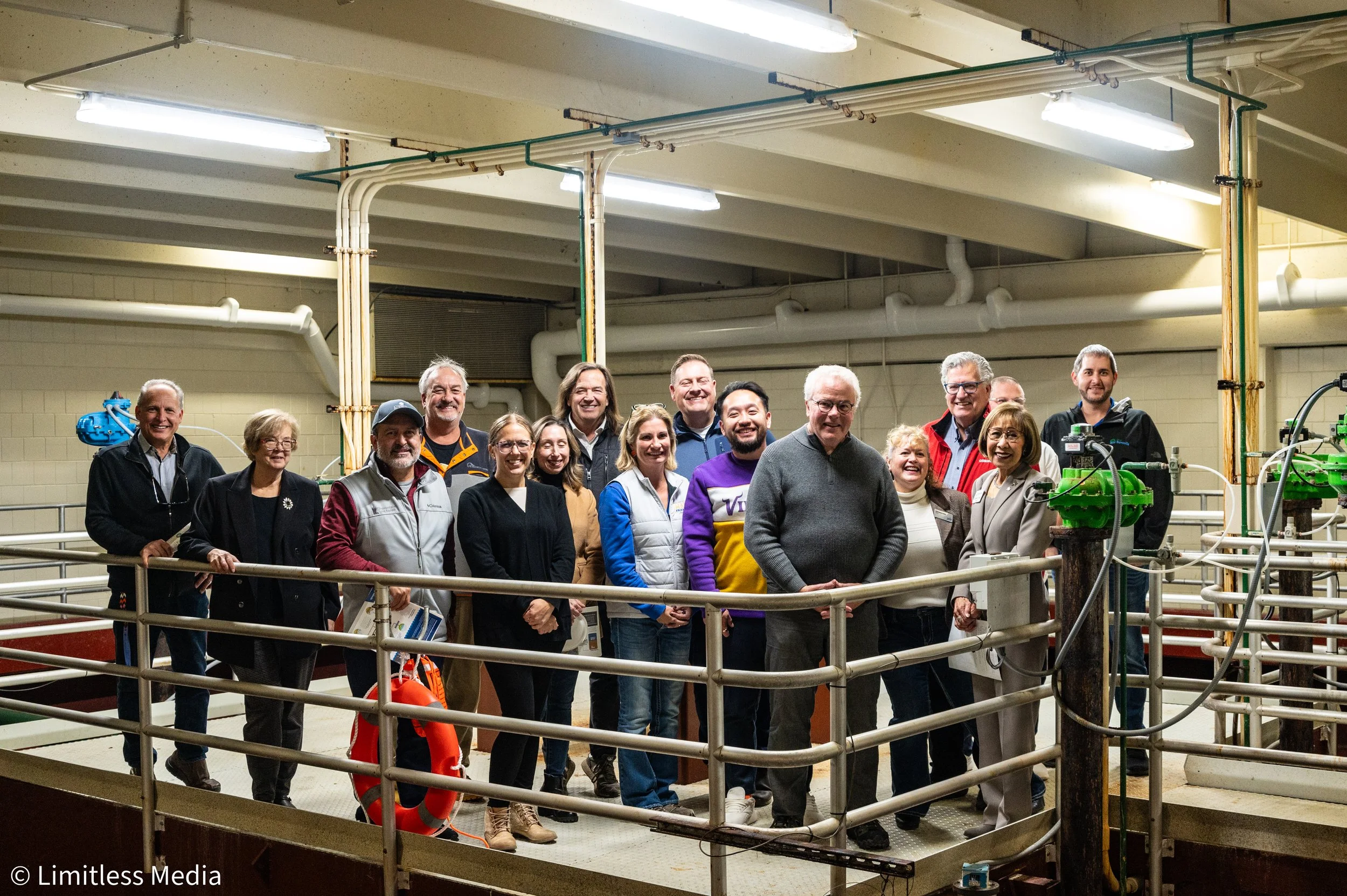
The Minnesota House of Representatives Capital Investment Committee and the Mayors of Burnsville and Savage, Minnesota in the Burnsville Water Treatment Plant.
BURNSVILLE, MINNESOTA – The Minnesota House of Representatives Capital Investment Committee made a key stop in Burnsville on Thursday evening as part of its statewide bonding tour, visiting the Burnsville Water Treatment Plant to learn more about the city’s proposed $17.5 million rehabilitation project. The visit offered legislators an up-close look at one of the Twin Cities metro’s most unique and essential water treatment systems. This facility not only serves Burnsville’s 64,000 residents but also supplies 85% of the drinking water for the neighboring City of Savage.
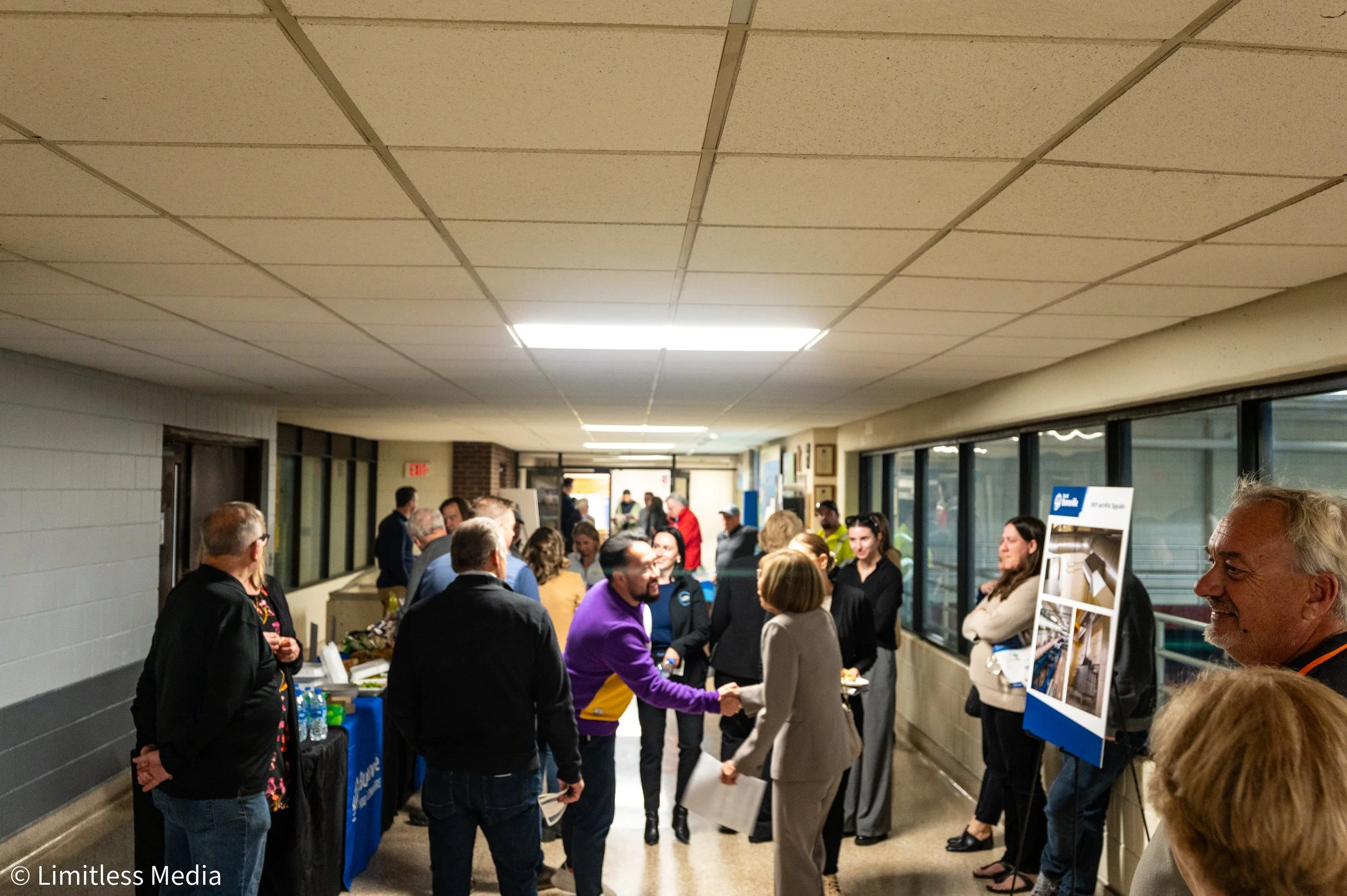
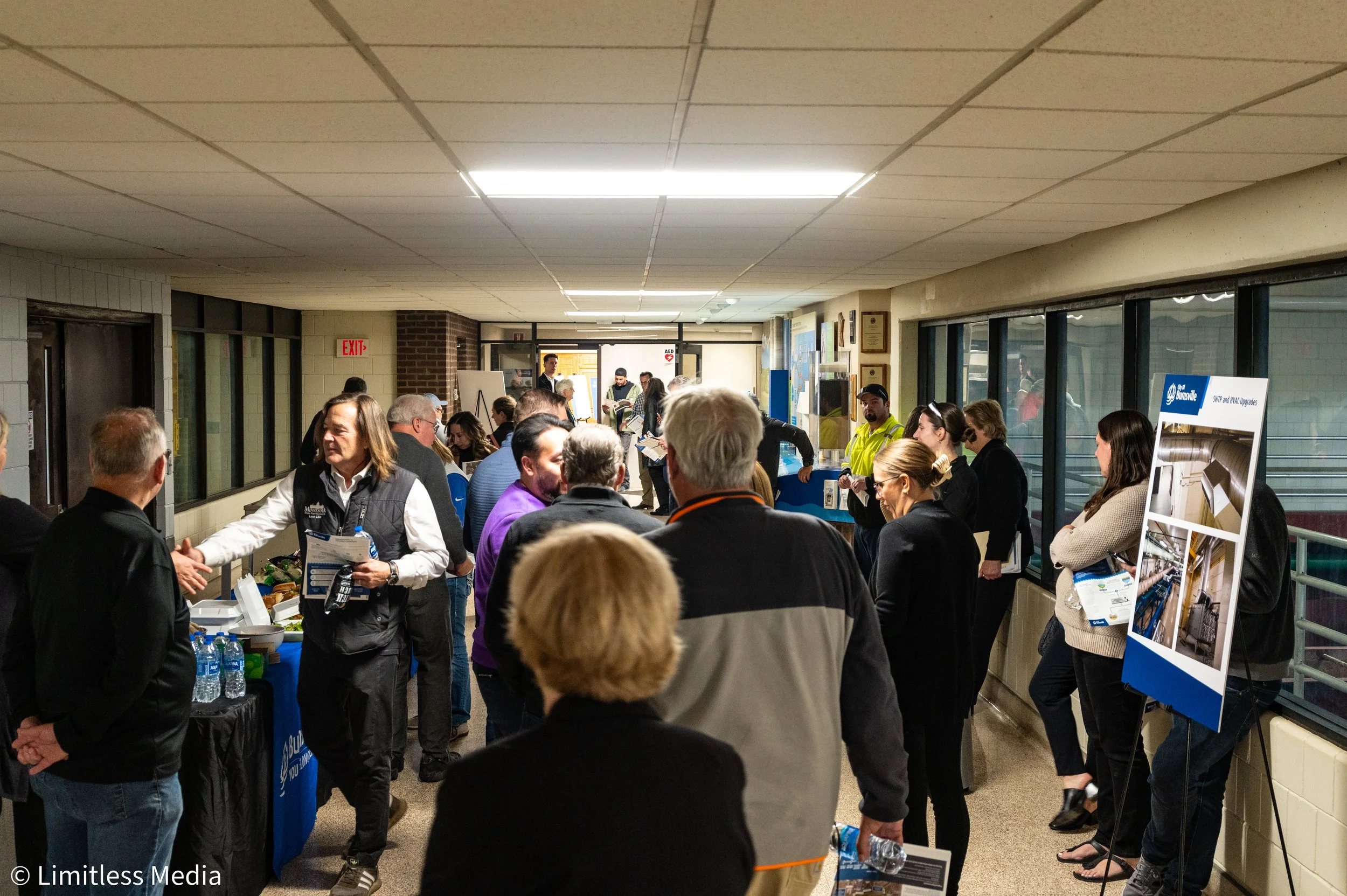
The visit to the plant, located at 50 River Ridge Court in Burnsville, began with committee members being welcomed by several Burnsville officials, including Burnsville Mayor Elizabeth Kautz, City Manager Gregg Lindberg, Public Works Director Mark Ray, and Utilities Superintendent Tony White. A number of Savage officials were also there, including Savage Mayor Christine Kelly and Community Development Director Regina Dean. The committee received opening remarks from officials, followed by an overview of the plant’s operations and the city’s long-term water sustainability strategy before leading legislators on a guided tour through the treatment facilities.
A Vital Facility Nearing Half a Century of Service
Built in 1976, the Burnsville Water Treatment Plant has been a cornerstone of the city’s infrastructure for nearly five decades. It treats approximately 3.2 billion gallons of water each year, ensuring a safe, reliable supply for both Burnsville and Savage. Over the decades, the facility has played a central role in supporting regional growth, local business development, and the quality of life in residential areas.
However, city officials explained that the plant’s core systems, from electrical components to filtration equipment, are showing signs of age and need substantial upgrades to continue meeting modern water quality standards. The proposed rehabilitation aims to replace outdated infrastructure, modernize treatment processes, and enhance the plant’s capacity to meet future demand.
Details of the Proposed Rehabilitation Project
Burnsville is seeking $8.75 million in state bonding funds to match the city's $8.75 million contribution, bringing the total project cost to $17.5 million. The funding would support a comprehensive overhaul of the plant’s water treatment and distribution systems, including:
Installation of advanced surface water treatment technologies to improve clarity, taste, and odor control.
Upgrades to remove emerging contaminants such as radium and PFAS (per- and polyfluoroalkyl substances) to ensure compliance with evolving federal standards and protect public health.
Replacement of major water lines to improve pressure stability and overall reliability across the service area.
HVAC and facility modernization, improving energy efficiency, and maintaining optimal treatment conditions.
Structural and process rehabilitation to extend the lifespan of critical equipment and improve operational safety.
Officials noted that the project timeline extends through 2035, allowing phased construction and integration of new systems. However, supply chain and procurement challenges could influence the pace of completion.
A Unique Dual-Source System
During the tour, legislators learned that Burnsville’s water system is distinctive in the Twin Cities region because it uses a dual-source treatment process that blends surface water from Kraemer Quarry with groundwater from the Prairie Du Chien-Jordan, Mt. Simon, and Jordan aquifers.
This hybrid system allows the city to balance water availability, preserve aquifer resources, and ensure water security under changing weather or demand conditions.
In winter months, the city typically uses a 50/50 blend of surface and groundwater, while in the summer, when demand surges, the blend shifts to one-third surface water and two-thirds groundwater. This adaptive approach provides both operational flexibility and environmental protection.
Public Health, Environmental, and Economic Benefits
City leaders emphasized that the rehabilitation project will provide wide-ranging benefits to residents, businesses, and the regional environment.
From a public health standpoint, the improvements will help maintain the highest possible water quality standards, keeping harmful contaminants out of the local water supply. The upgraded systems will also reduce the likelihood of emergency repairs or service interruptions that could impact access to safe drinking water.
From an environmental perspective, Burnsville’s project supports sustainability goals by enhancing filtration efficiency, reducing chemical use, and improving energy efficiency. It will also safeguard nearby ecosystems by minimizing contamination risks from aging infrastructure.
Economically, the project is expected to support community growth, housing development, and local tourism by providing a stable, dependable water source. Reliable infrastructure is also a key factor for business retention and attraction in the South Metro Region.
The city’s proposed improvements will also strengthen regulatory compliance with state and federal water quality requirements while reducing maintenance costs over time, ensuring a strong return on investment for both the city and the state.
Maintaining Affordable Water Rates
Burnsville officials underscored the critical role of state bonding assistance in keeping water affordable for local households. Without bonding support, the average monthly household water rate, currently about $23.21, could increase by roughly 7% each year.
With state participation, however, the rate increase could be limited to around 2.5% annually, allowing the city to maintain affordability while still funding essential infrastructure upgrades.
Sustainability and Stewardship at the Forefront
Throughout the evening, speakers highlighted Burnsville’s long-standing commitment to environmental stewardship and sustainability. The city’s approach to water treatment prioritizes both technical innovation and conservation, ensuring that one of the community’s most vital natural resources remains protected.
The facility’s design and location were initially chosen to minimize ecological disruption and to preserve sensitive natural areas surrounding the site. The city continues to view clean water access not only as a utility service but as a moral responsibility to future generations.
A Key Stop on the Statewide Bonding Tour
The Burnsville stop was one of several on the House Capital Investment Committee’s fall bonding tour, where lawmakers visit cities across Minnesota to assess local infrastructure needs before the 2026 legislative session.
Committee members heard firsthand how the Burnsville project aligns with state priorities for public safety, environmental protection, and community sustainability. The visit allowed legislators to see how local and state partnerships can work together to strengthen Minnesota’s essential infrastructure.
Key Project Highlights
Facility built: 1976
Total project cost: $17.5 million
State bonding request: $8.75 million
City contribution: $8.75 million
Projected completion: By 2035 (subject to procurement challenges)
Annual output: 3.2 billion gallons of treated water
Service area: Burnsville and 85% of the City of Savage
System type: Dual-source blend of surface and groundwater
Written by: Will Wight
