
Burnsville Bus Garage Modernization Completed, MVTA Marks Milestone with Ribbon Cutting
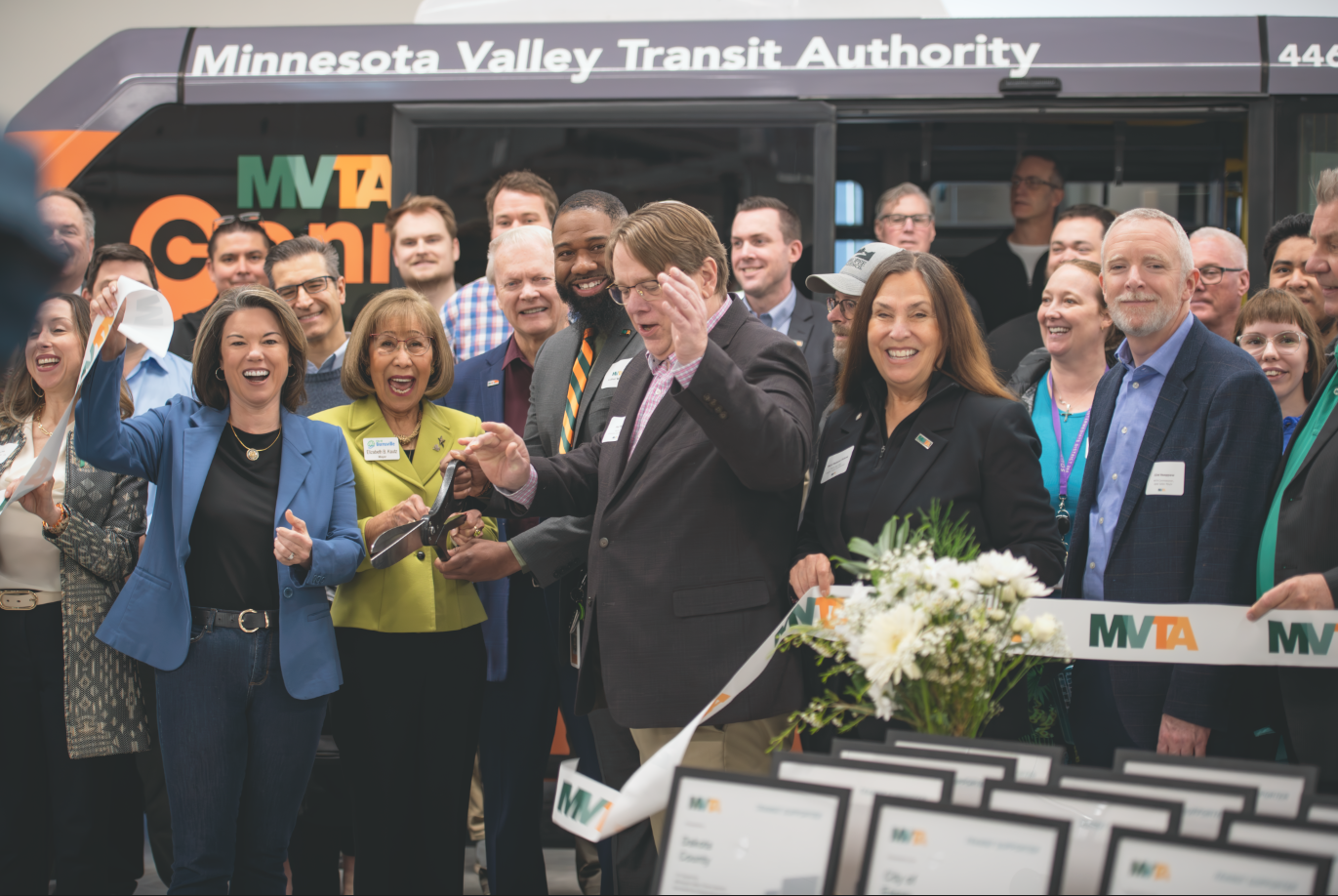
A ribbon-cutting event on April 9, 2026, attended by 150 community leaders, transit supporters, and public officials, celebrated the modernization of the Burnsville Bus Garage. Pictured, front row, from left, are State Rep. Kaela Berg, U.S. Rep. Angie Craig, Burnsville Mayor Elizabeth Kautz, Eagan Council Member Gary Hansen, MVTA CEO Luther Wynder, MVTA Board Chair and Shakopee City Council Member Jay Whiting, Dakota County Commissioner Mary Hamann-Roland, and Apple Valley Mayor Clint Hooppaw.
Published: April 10, 2026.
BURNSVILLE, MINNESOTA - The Minnesota Valley Transit Authority (MVTA) officially unveiled its newly modernized Burnsville Bus Garage this week, celebrating the completion of a major multi-year project aimed at improving transit operations, workforce development, and long-term service capacity across the south metro.
The ribbon-cutting ceremony, held April 9 in Burnsville, drew approximately 150 community leaders, transit advocates, and public officials to mark the $15 million investment into the regional transit system.
A Facility Reimagined for the Future
Originally built in 1977 as a manufacturing plant and later converted for transit use, the Burnsville Bus Garage on Rupp Drive had long been identified as outdated and in need of significant upgrades.
According to MVTA officials, the modernization project was designed to transform the facility into a more efficient, scalable, and workforce-focused hub.
MVTA CEO Luther Wynder emphasized the broader impact of the investment.
“This facility is more than infrastructure,” Wynder said. “It supports jobs. It improves operational efficiency. And most importantly, it enhances the rider experience.”
Major Upgrades and Expansion
The project added approximately 25,000 square feet to the existing facility and introduced a wide range of improvements, including:
Expanded maintenance capacity with additional service bays
A new bus wash facility and indoor fueling systems
Upgraded parking, circulation, and heavy-duty pavement
Enhanced utilities, stormwater filtration, and site infrastructure
Modern lighting, security systems, and landscaping
A new two-story addition also provides updated office space, meeting rooms, locker rooms, and employee areas.
One of the most notable additions is a workforce development and training component, including a virtual-reality driving simulator designed to prepare future transit operators and technicians.
MVTA Board Chair Jay Whiting noted the project was driven in part by findings from a 2018 regional study, which identified the Burnsville facility as being in the poorest condition among metro-area transit garages.
“That finding helped galvanize action,” Whiting said. “Today, we’re celebrating the results of that action.”
Federal and Local Support
Federal funding played a significant role in bringing the project to completion, covering the majority of the total cost. Approximately $7 million was secured with support from:
Angie Craig
Amy Klobuchar
Tina Smith
Craig highlighted the broader economic and workforce implications of the project.
“This facility will help shape the next generation of transit workers… ensuring Minnesotans get where they need to go safely and efficiently.”
Community Impact
Burnsville Mayor Elizabeth Kautz, who previously served as MVTA Board chair, underscored the importance of transit infrastructure in supporting community growth and opportunity.
“Transit is one of the most powerful tools a community has to lift people up,” Kautz said.
A Key Hub for Regional Transit
The Burnsville Bus Garage serves as a central hub for MVTA operations across Dakota and Scott counties, supporting service in communities including Apple Valley, Eagan, Rosemount, Prior Lake, Savage, and Shakopee.
With modernization complete, MVTA says the facility is now better positioned to:
Support future service expansion
Improve operational efficiency
Enhance sustainability efforts
Strengthen workforce recruitment and training
Officials say the upgrades will help ensure the agency can meet growing transit demand across the south metro for years to come.
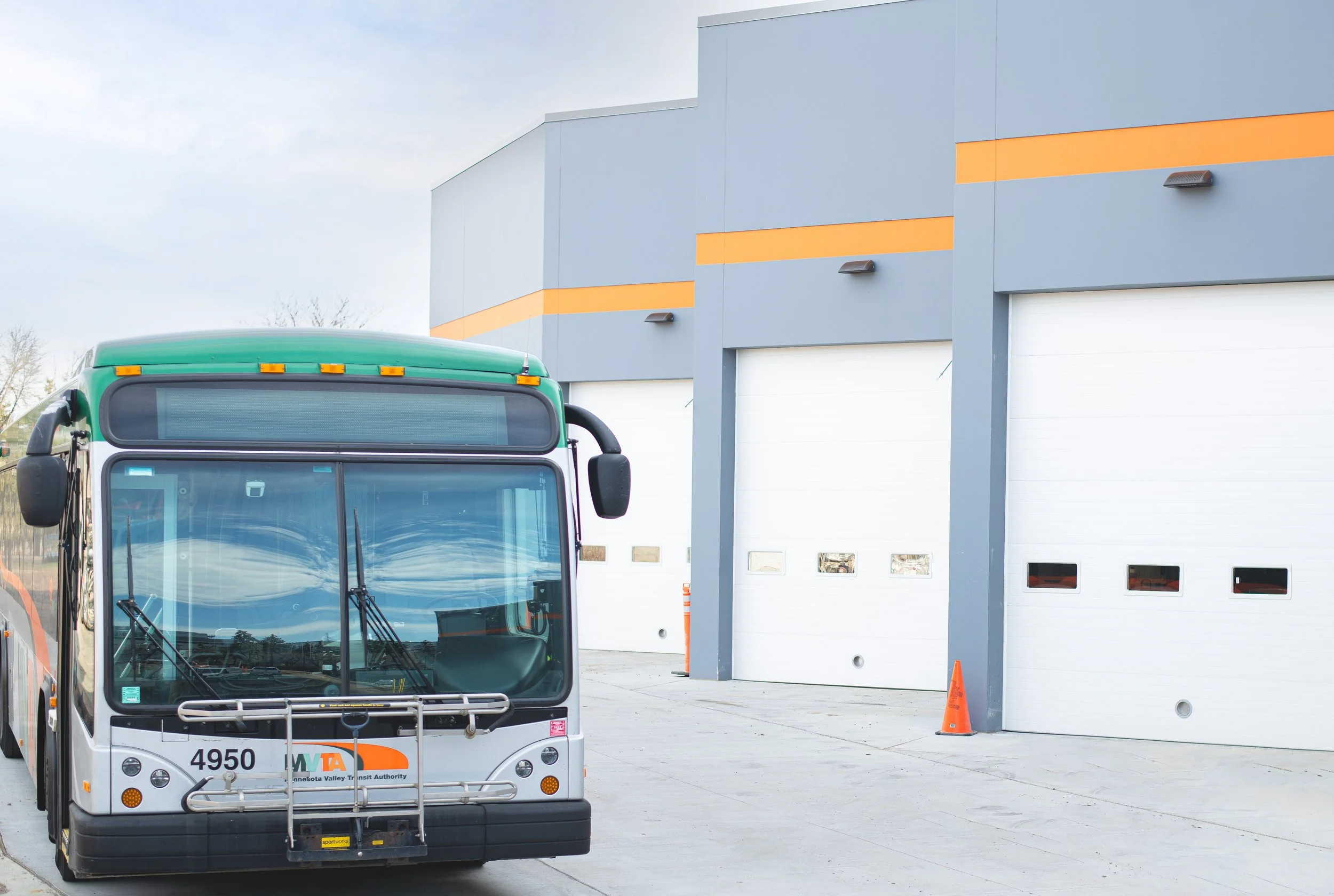
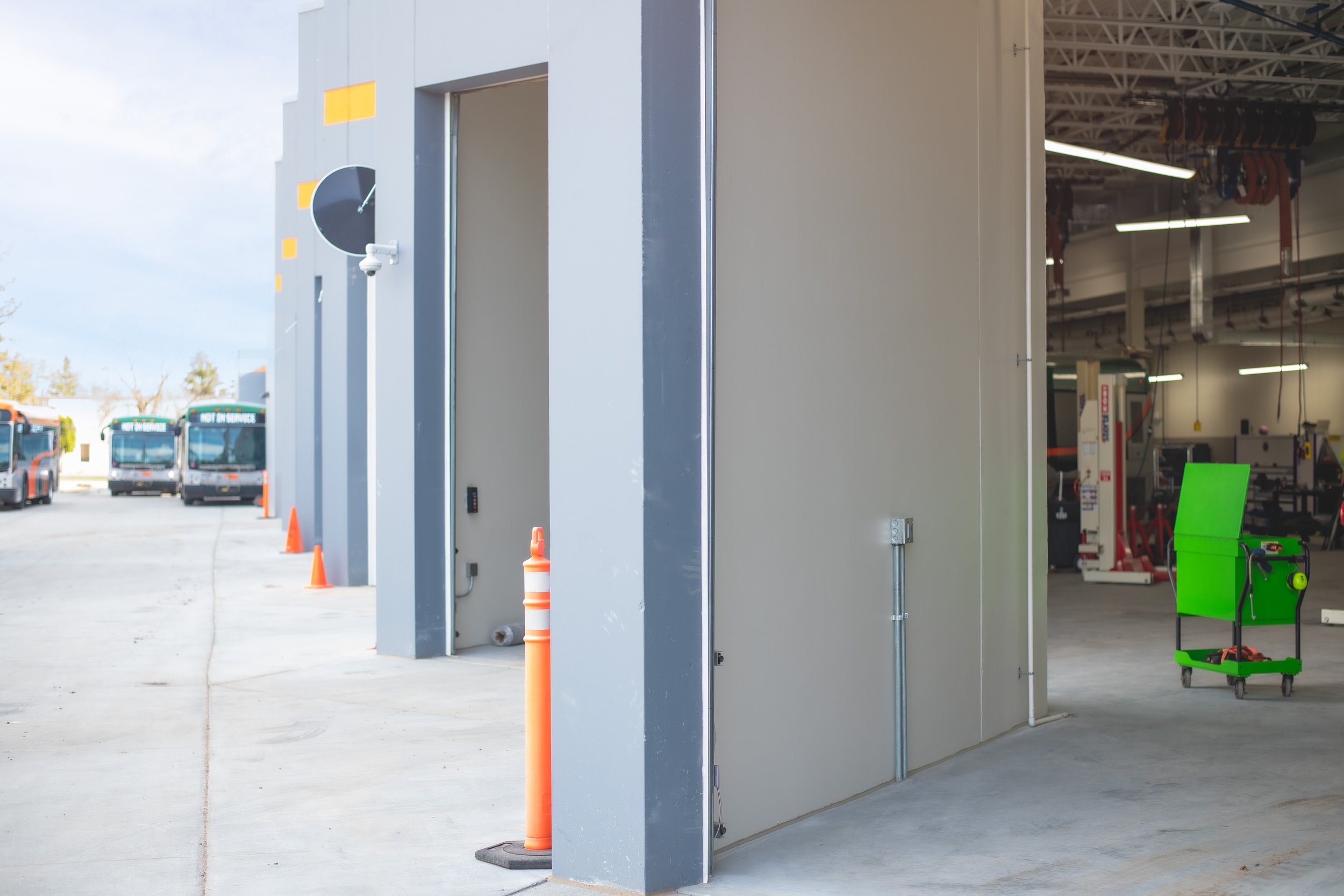
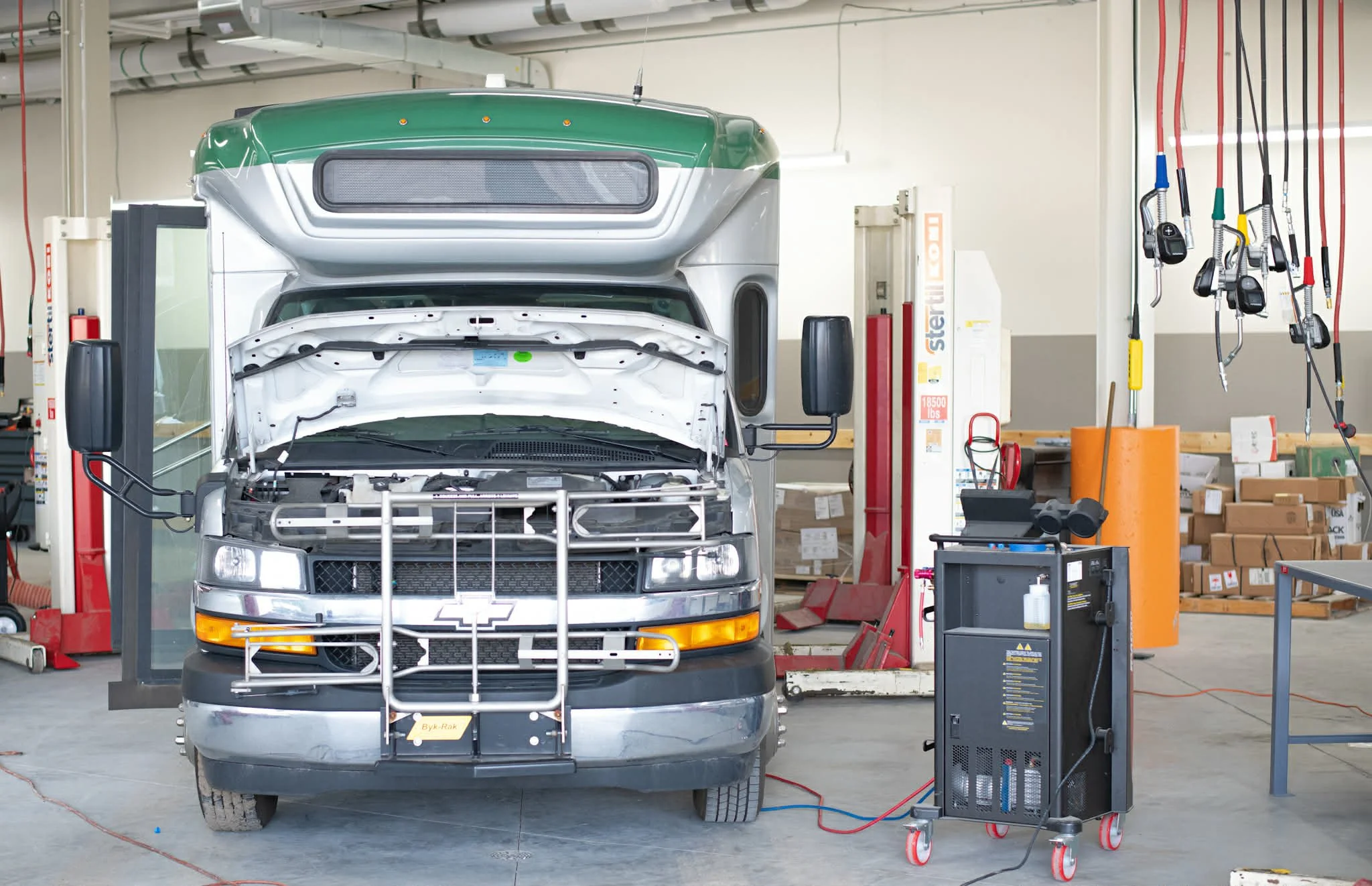
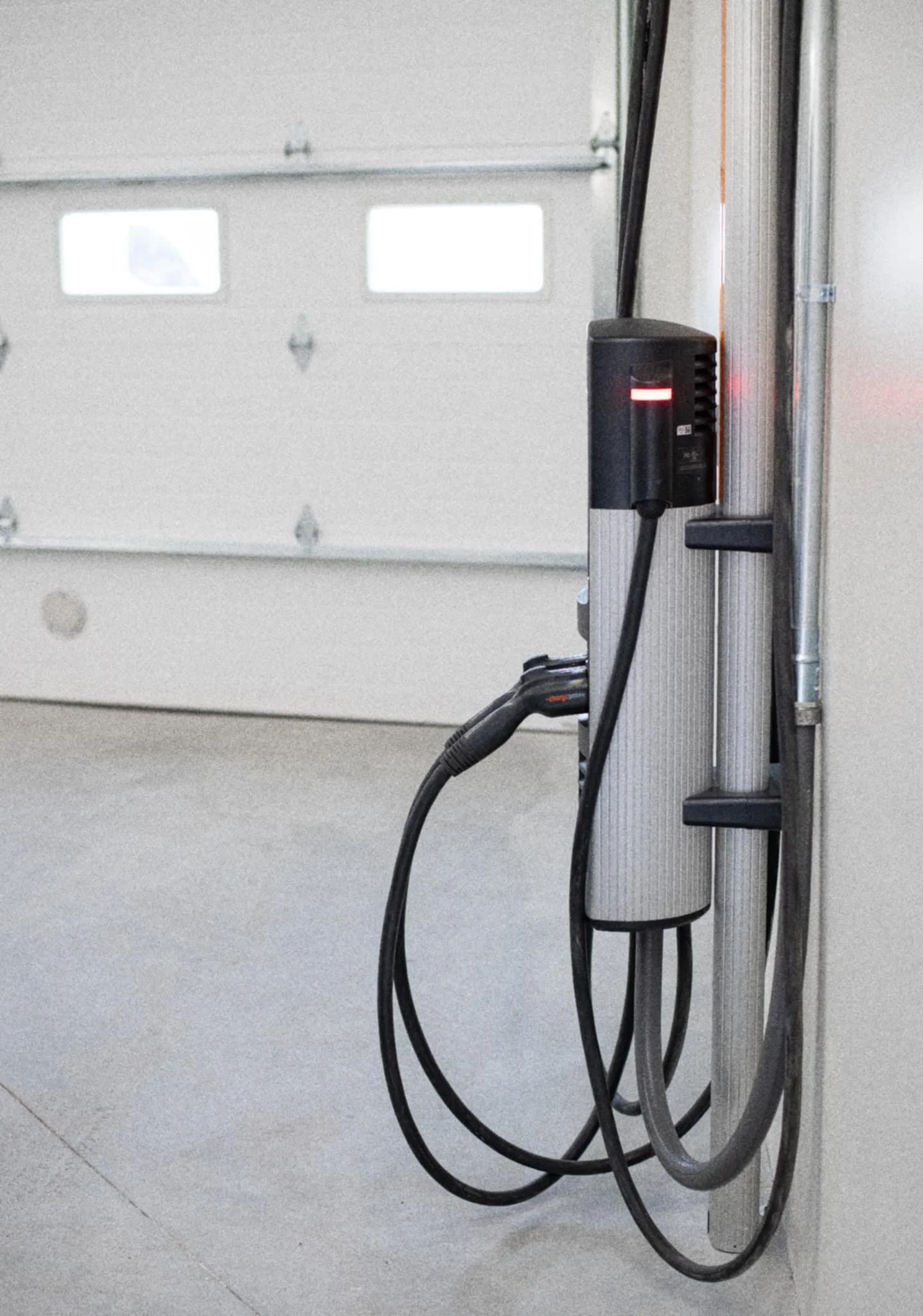
Images #1 & #2 show the new exterior bay access, Image #3 shows the new maintenance bay, and Image #4 shows the new electric charging capabilities.
Written by: Will Wight
Photos provided by: MVTA
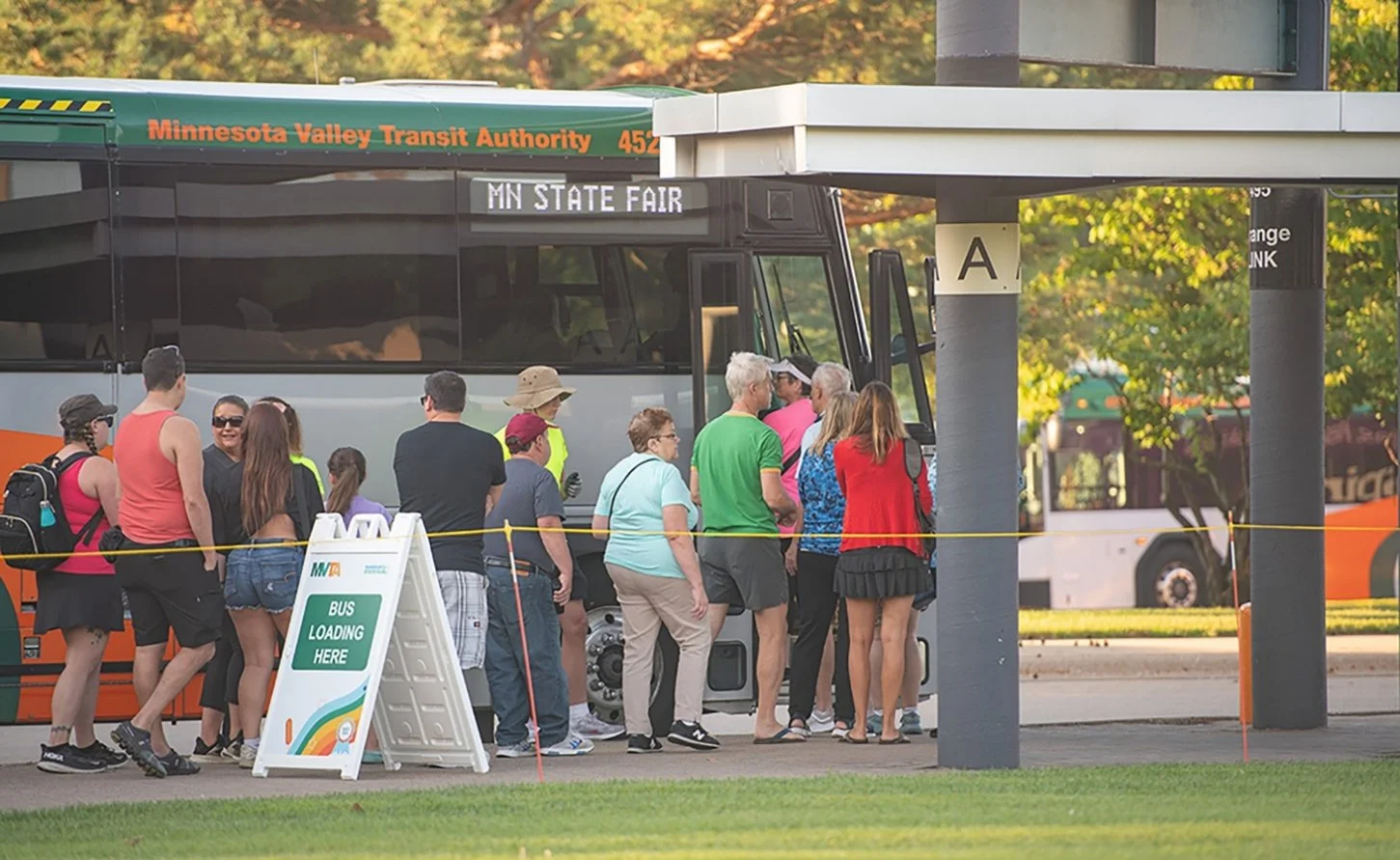
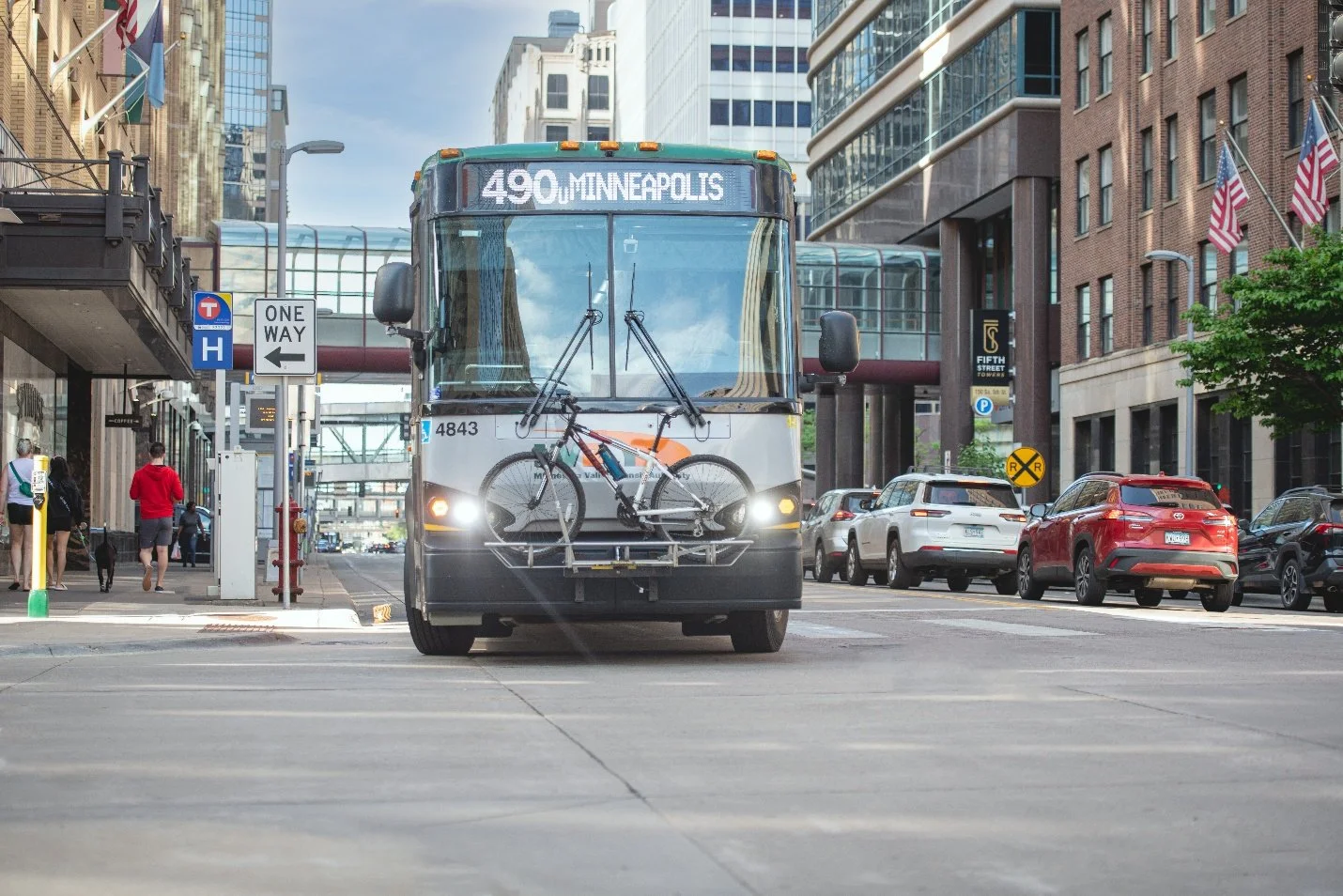

MVTA will offer $6 round-trip express bus service to all Minnesota Gophers and Vikings home games, with pickup locations in Apple Valley, Burnsville, Eagan and Shakopee.