
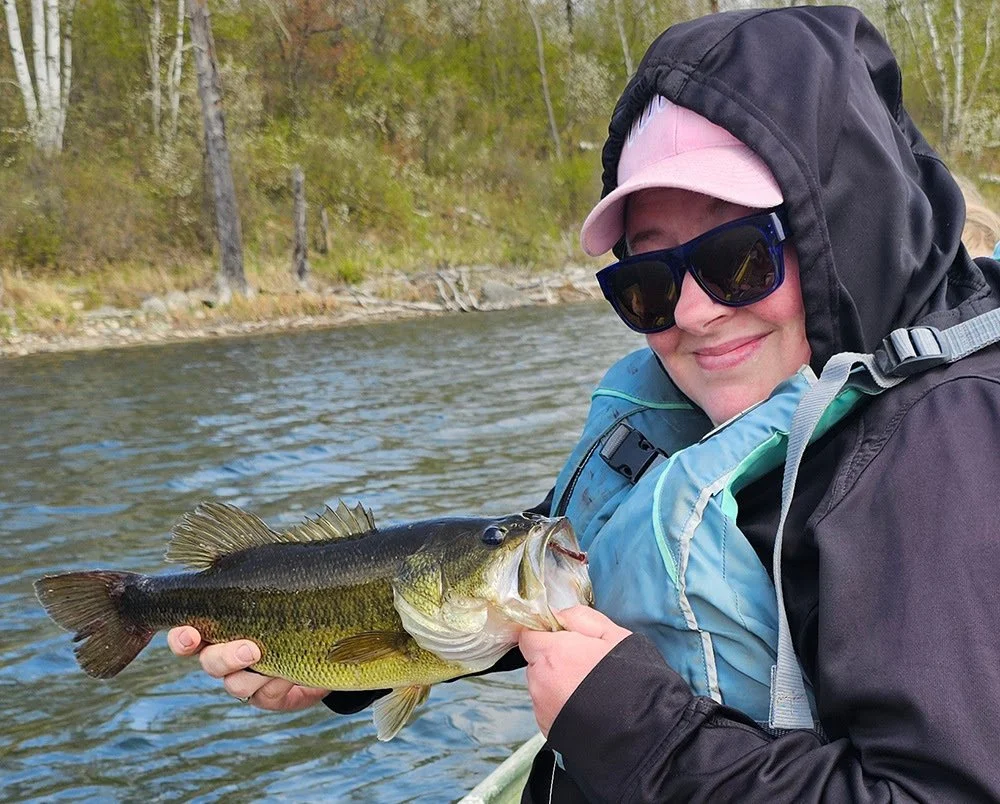
Provided by MnDNR, courtesy of Brian Hegg
Published: February 27, 2026.
MINNESOTA - Minnesota anglers will see a significant change to bass fishing regulations in 2026, as the Minnesota Department of Natural Resources (DNR) has implemented a new catch-and-release season that allows anglers to fish for largemouth and smallmouth bass earlier in the year on inland waters.
Under the updated regulations, bass fishing is now open year-round, though harvest rules still apply during specific portions of the season. The change was made after the DNR received strong support from anglers who wanted the opportunity to fish for bass earlier in the spring.
Catch-and-Release Season Before the Fishing Opener
Historically, anglers had to wait until the traditional Minnesota fishing opener in May before targeting bass. The new rule allows anglers to fish for bass beginning March 1, but only under catch-and-release rules until the harvest season begins later in the spring.
The change applies to inland waters across Minnesota, though the exact dates depend on which bass fishing zone an angler is in.
For Southern and North-Central Minnesota, which includes most of the Twin Cities metro area and the southern half of the state:
March 1 – May 22: Catch-and-release only for largemouth and smallmouth bass
May 23 – Feb. 28, 2027: Harvest allowed with a combined limit of six bass
For smallmouth bass specifically, additional seasonal rules apply:
May 23 – Sept. 13: Harvest allowed (six combined bass with largemouth)
Sept. 14 – Feb. 28: Catch-and-release only
In the Northeast Zone, which includes parts of northeastern Minnesota:
March 1 – May 8: Catch-and-release only
May 9 – Feb. 28, 2027: Harvest allowed with a six-fish combined limit
The daily limit applies to combined largemouth and smallmouth bass.
Zone Differences Across the State
Bass fishing regulations vary slightly across Minnesota, depending on the zone where the water body is located.
The state is divided into three primary bass management zones:
Northeast Zone: Includes areas north and east of U.S. Highway 53 from Duluth to International Falls.
North-Central Zone: Covers much of central Minnesota.
Southern Zone: Includes southern Minnesota and waters south of the Dakota border and Highway 7 corridor.
The waters of the Minnesota and Mississippi rivers along the zone boundary are considered part of the Southern Zone.
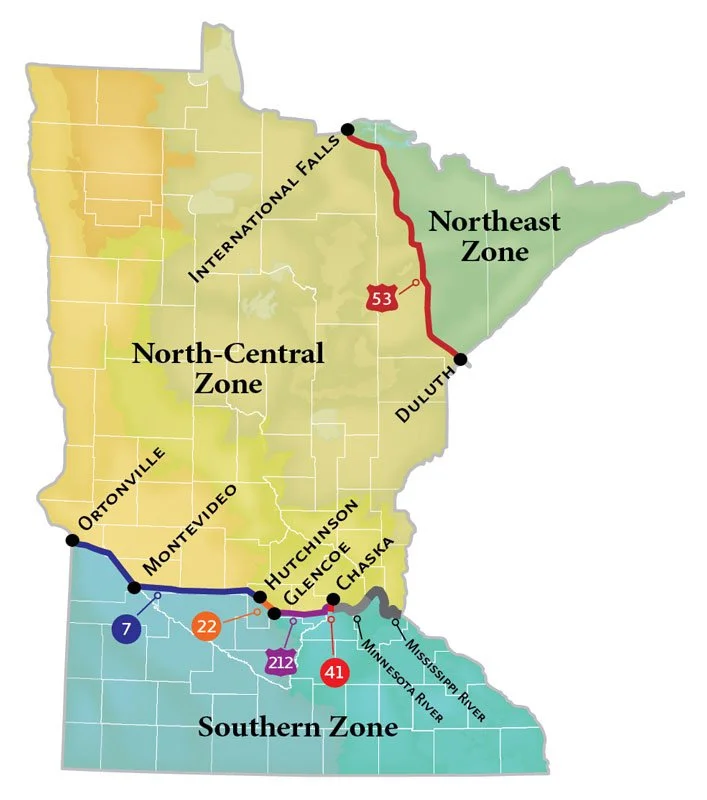
Provided by the MnDNR.
Why the DNR Made the Change
According to the Minnesota DNR, the regulation change reflects both angler demand and strong bass populations statewide. Fisheries managers say largemouth and smallmouth bass populations are thriving, with greater abundance and larger fish than in past decades. Bass have also expanded their range geographically across Minnesota waters.
Another key factor in the decision is spawning timing. Bass spawning typically peaks in late May, which occurs later in the spring than some other game fish species. Because of this timing, the DNR says catch-and-release fishing earlier in the spring does not pose a conservation concern for bass populations.
No More Full-Season Closures
Another notable change is how bass seasons will work in the future. Instead of having periods where bass fishing is completely closed, the DNR says bass seasons will alternate between catch-and-release and harvest periods moving forward, eliminating full closures.
This approach allows anglers to pursue bass year-round while still protecting fish during key biological periods.
Important Note for Border Waters
The DNR reminds anglers that separate regulations may apply on border waters, such as those shared with Wisconsin or other states. Anglers should consult the Minnesota Fishing Regulations booklet or the DNR website for the exact rules that apply to those waters.
What This Means for Minnesota Anglers
The new regulation means anglers eager to get back on the water in early spring can now legally target bass months before the traditional fishing opener, as long as they immediately release any bass caught during the catch-and-release period. For many anglers, the change provides additional opportunities to fish during the early open-water season while maintaining protections for Minnesota’s healthy bass populations.
As Minnesota heads into the 2026 fishing season, the updated rule represents one of the most significant changes to bass fishing regulations in recent years, expanding access while maintaining conservation safeguards.
Written by: Will Wight
Photos provided by the Minnesota Department of Natural Resources.
