
71 Dogs Were Flown into Lakeville’s Airlake Airport, Saving Them From Euthanasia
Published: March 1st, 2026.
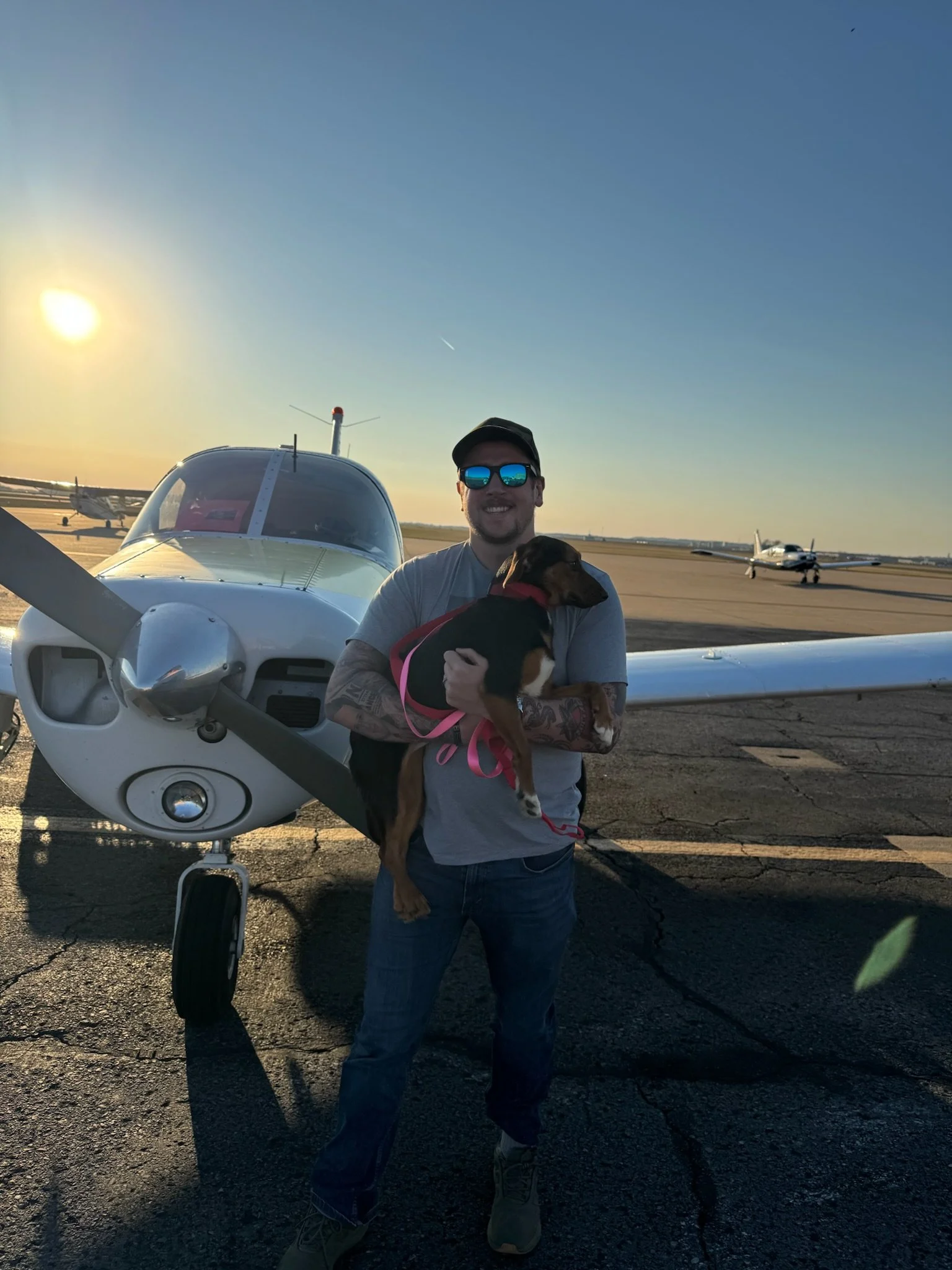
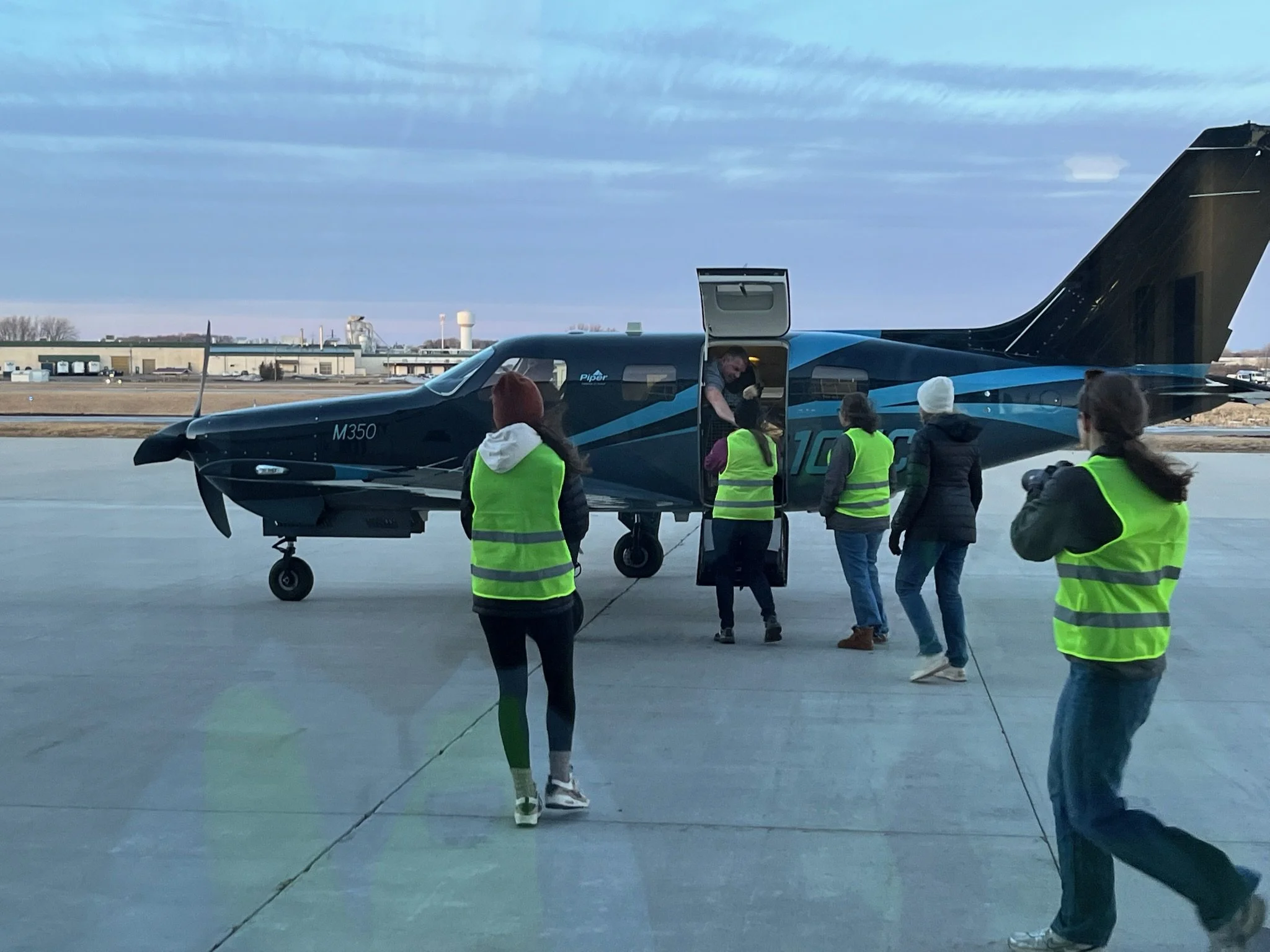
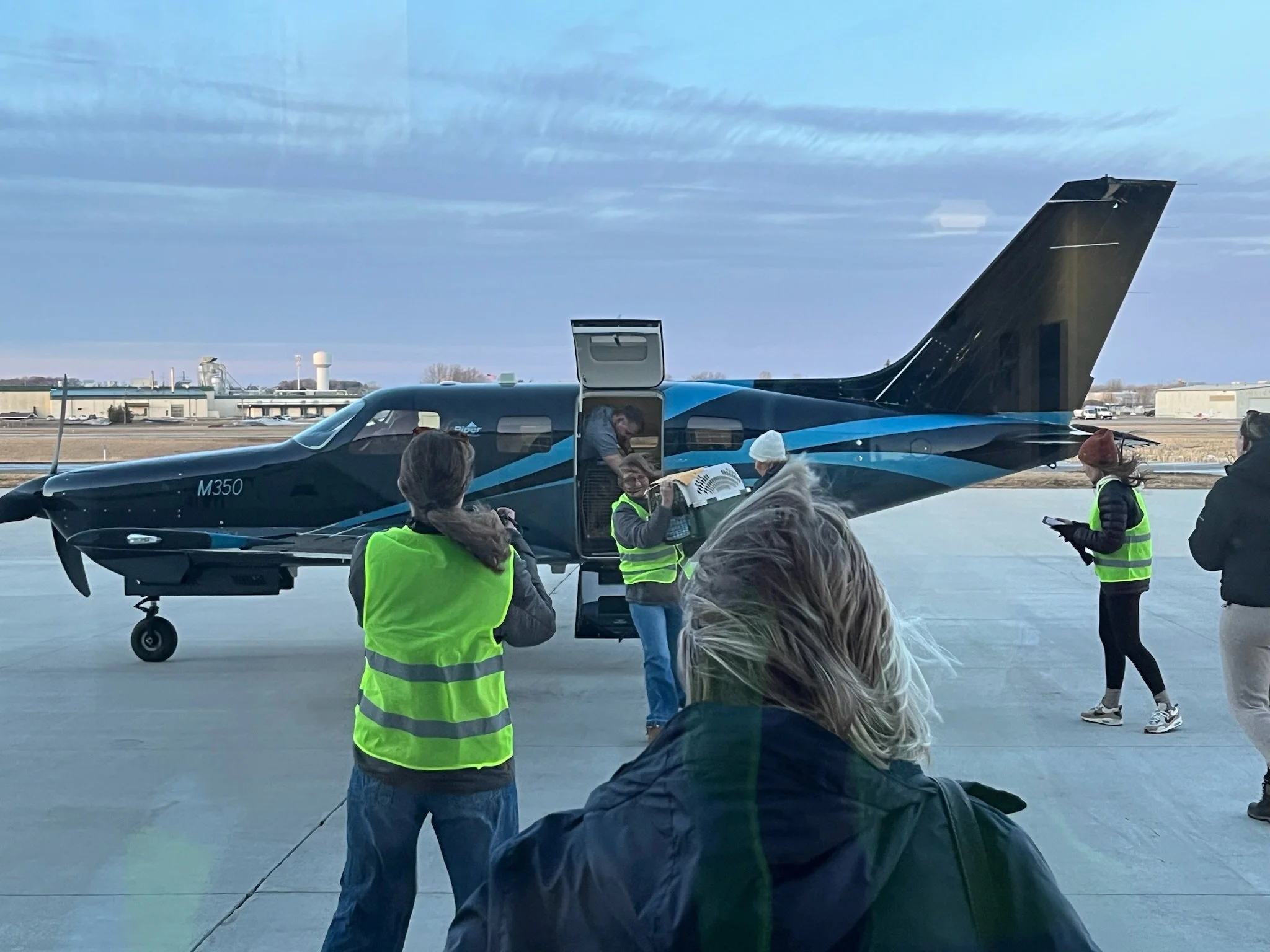
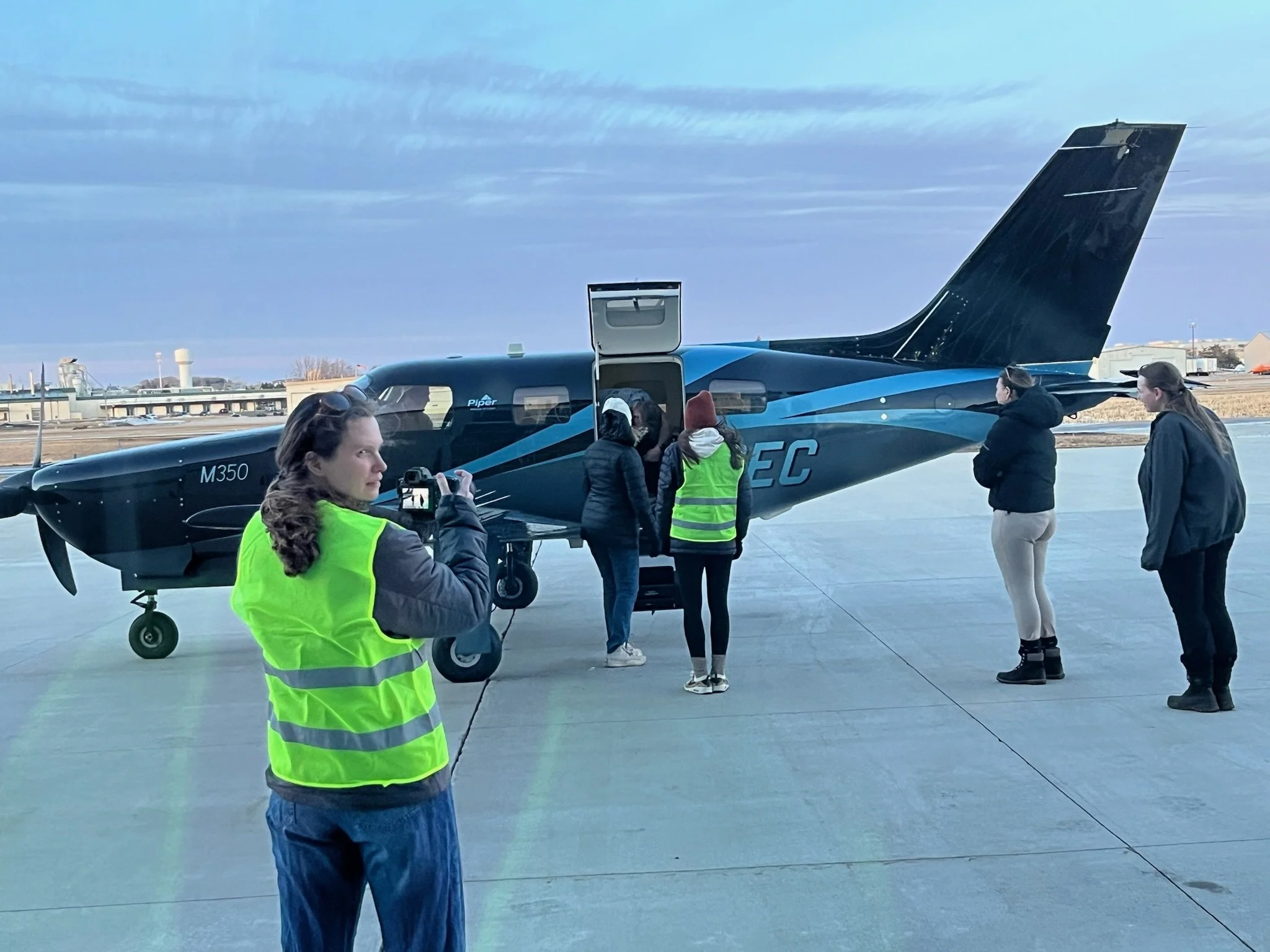
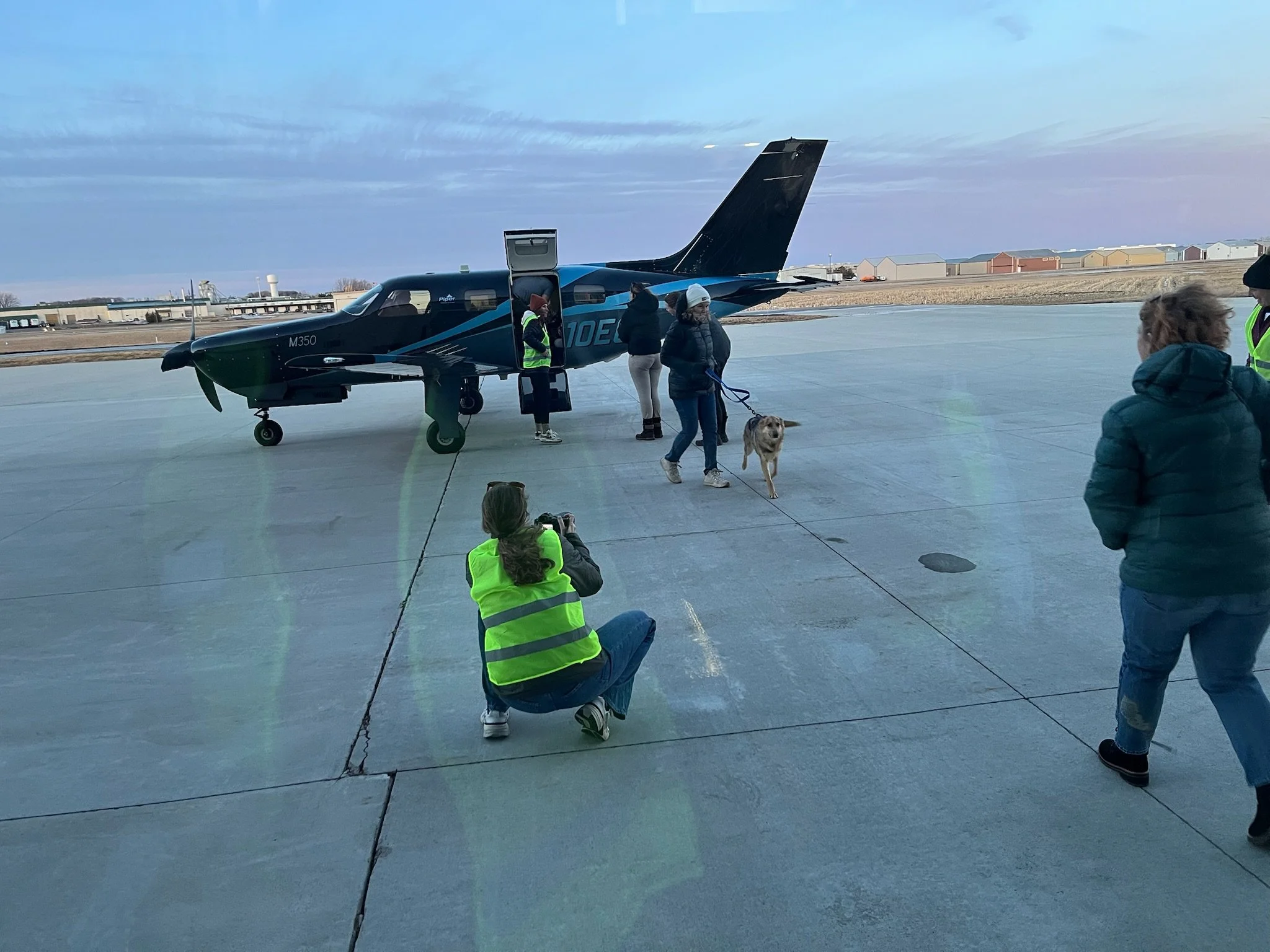
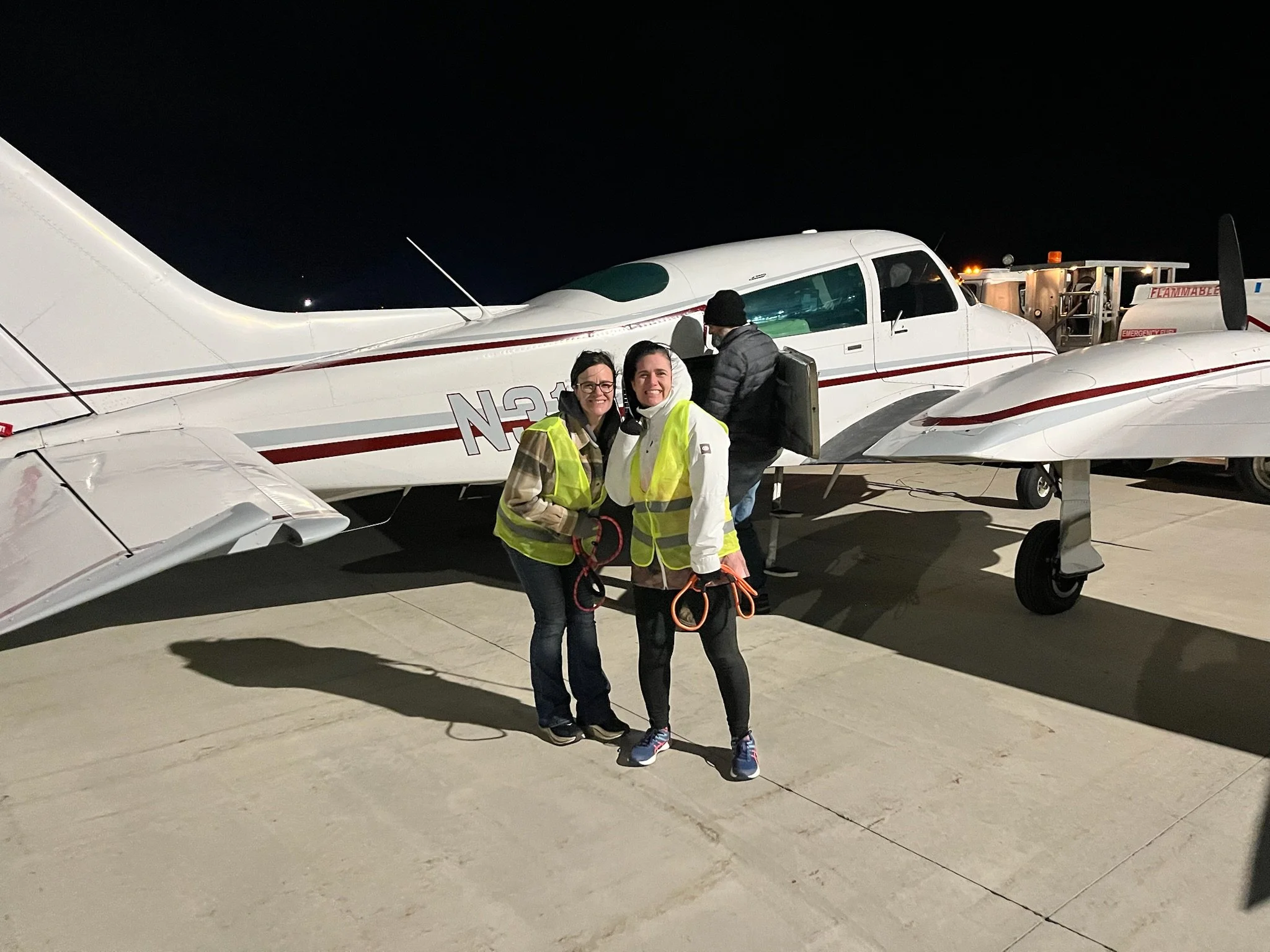
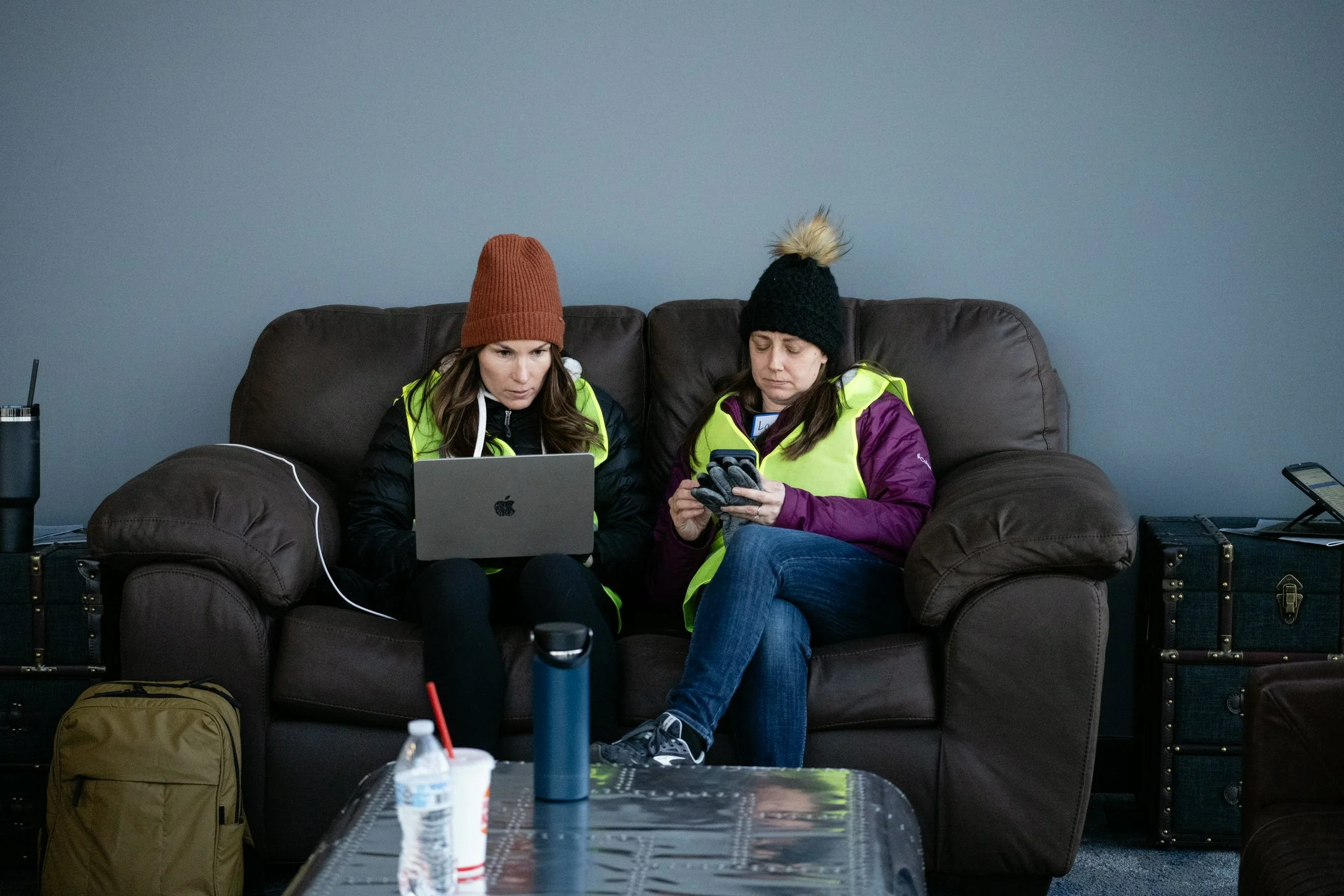
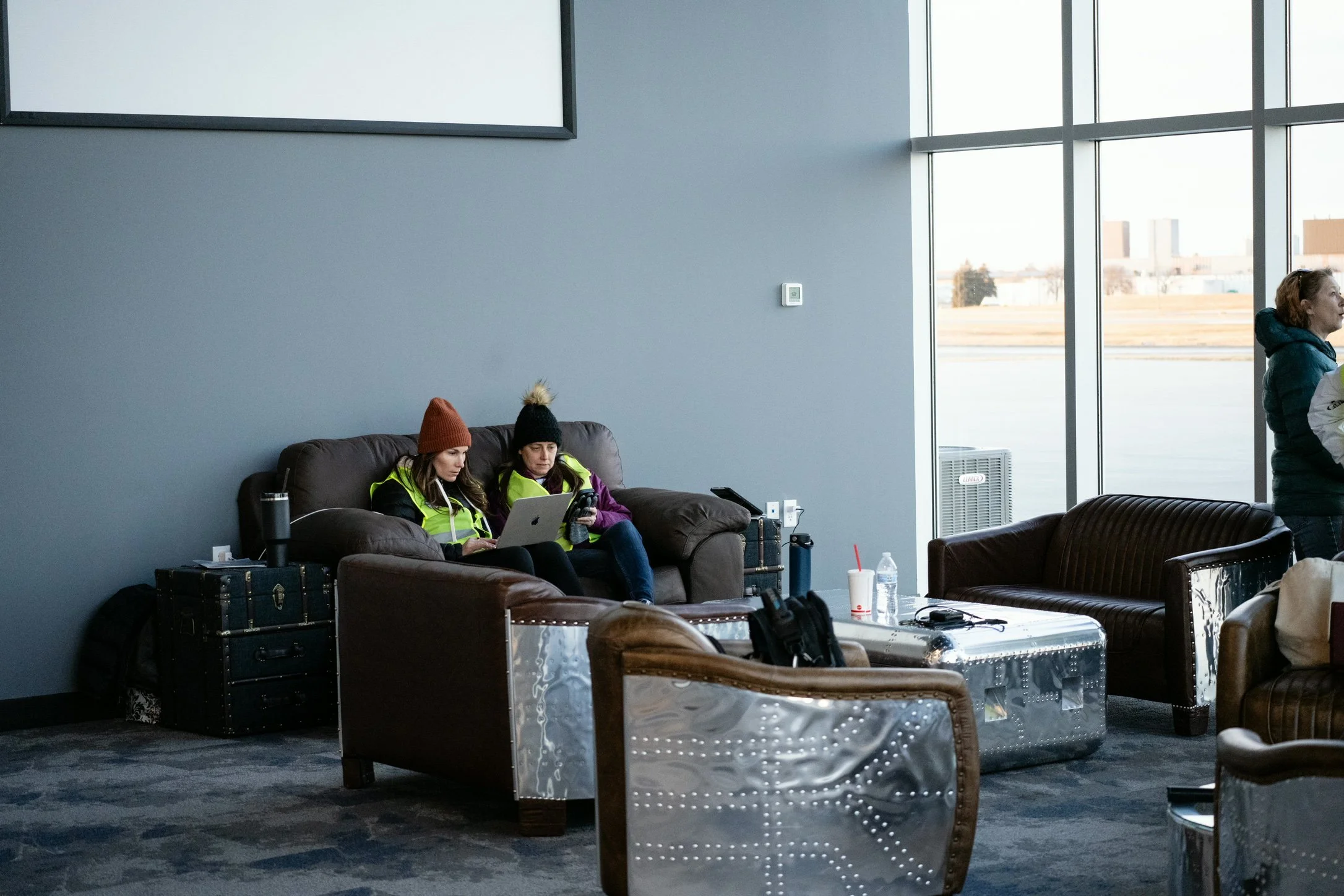
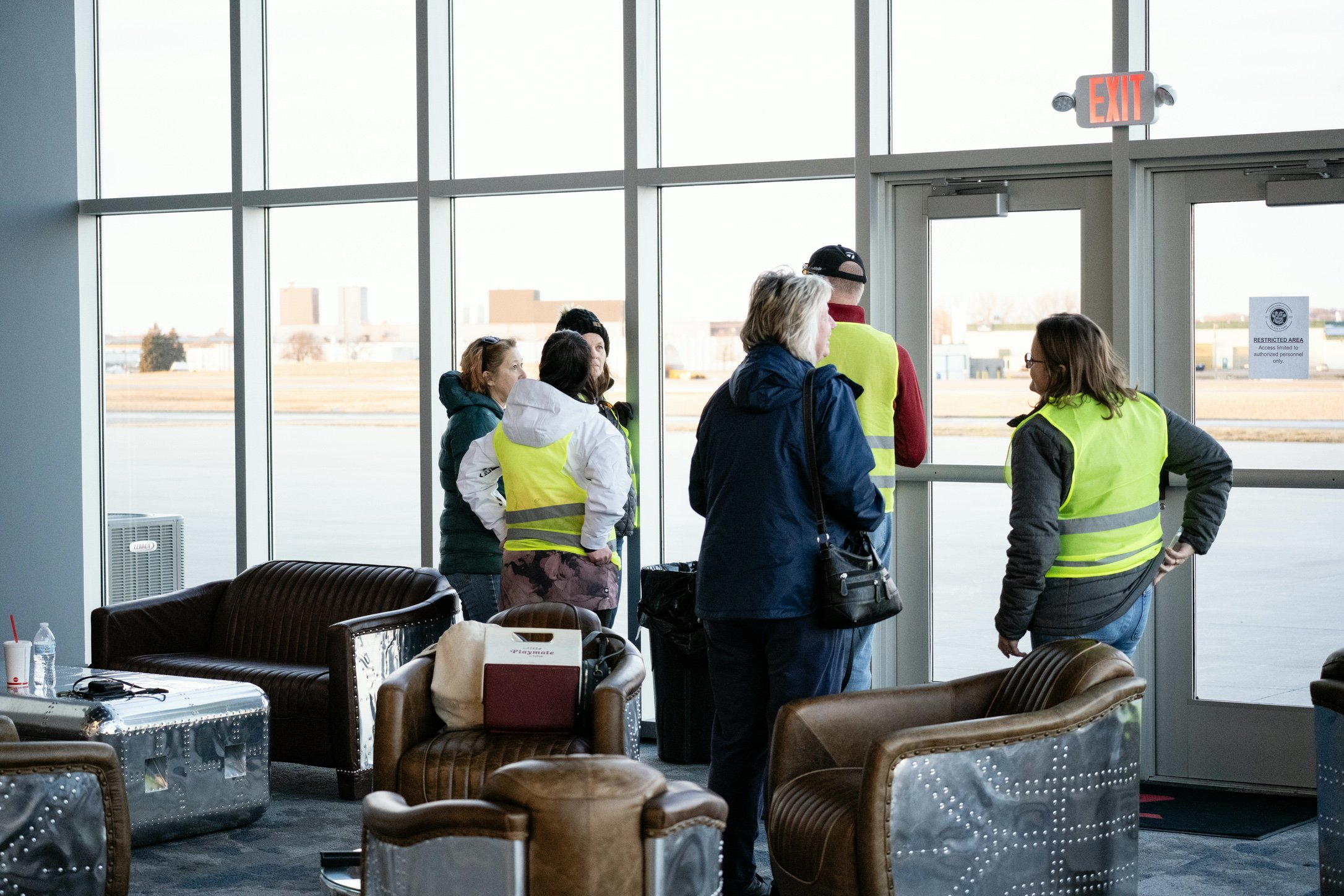
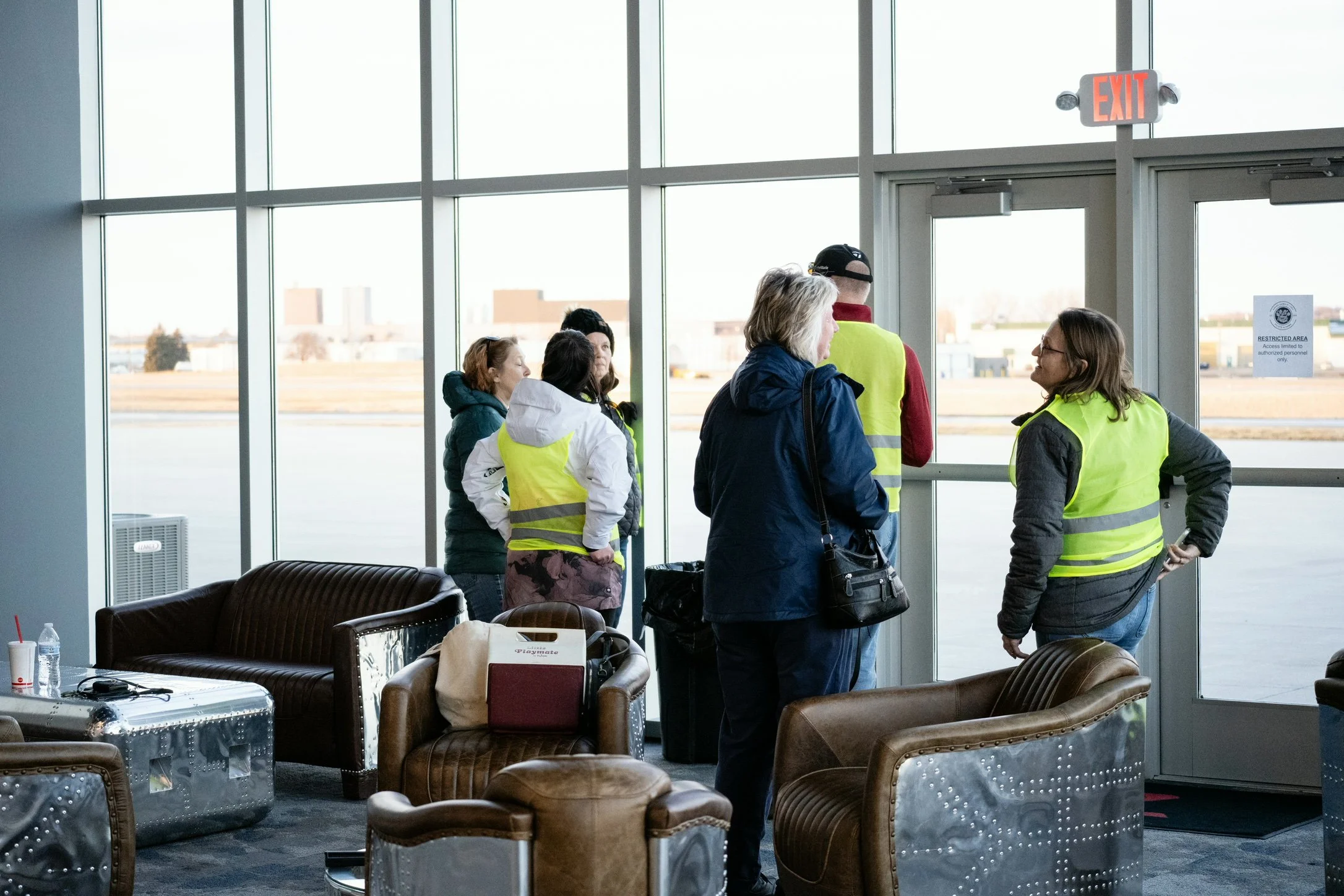
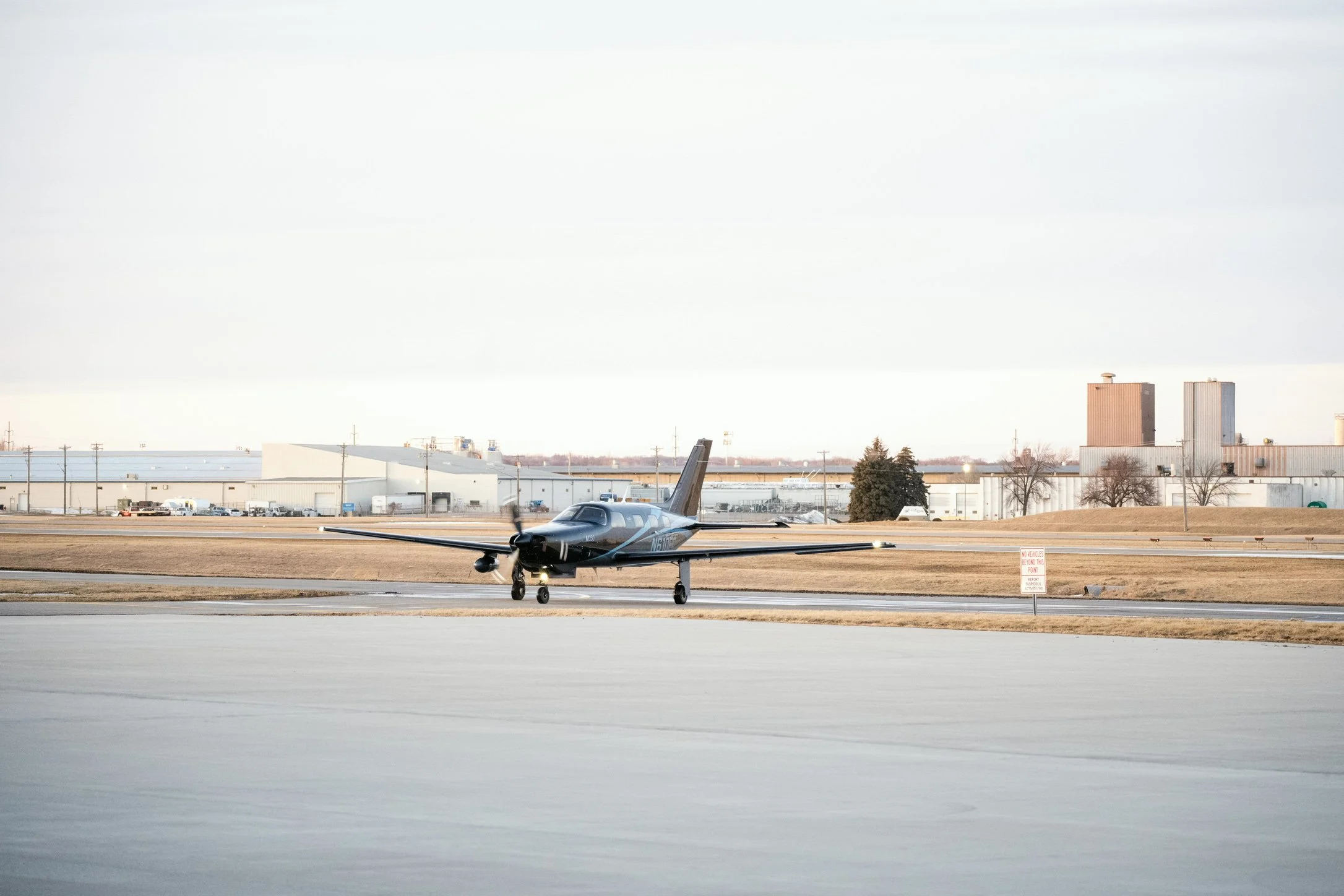
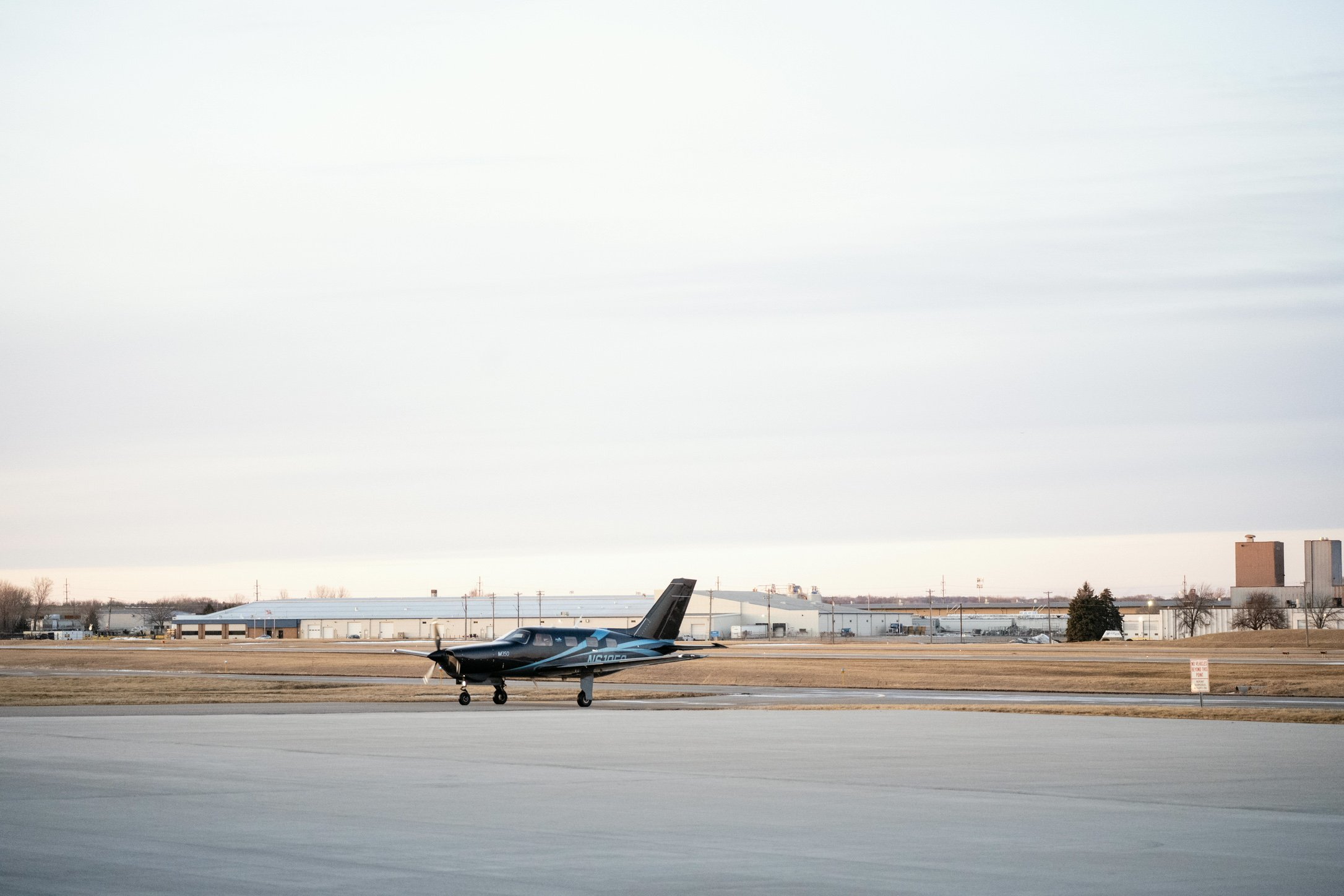
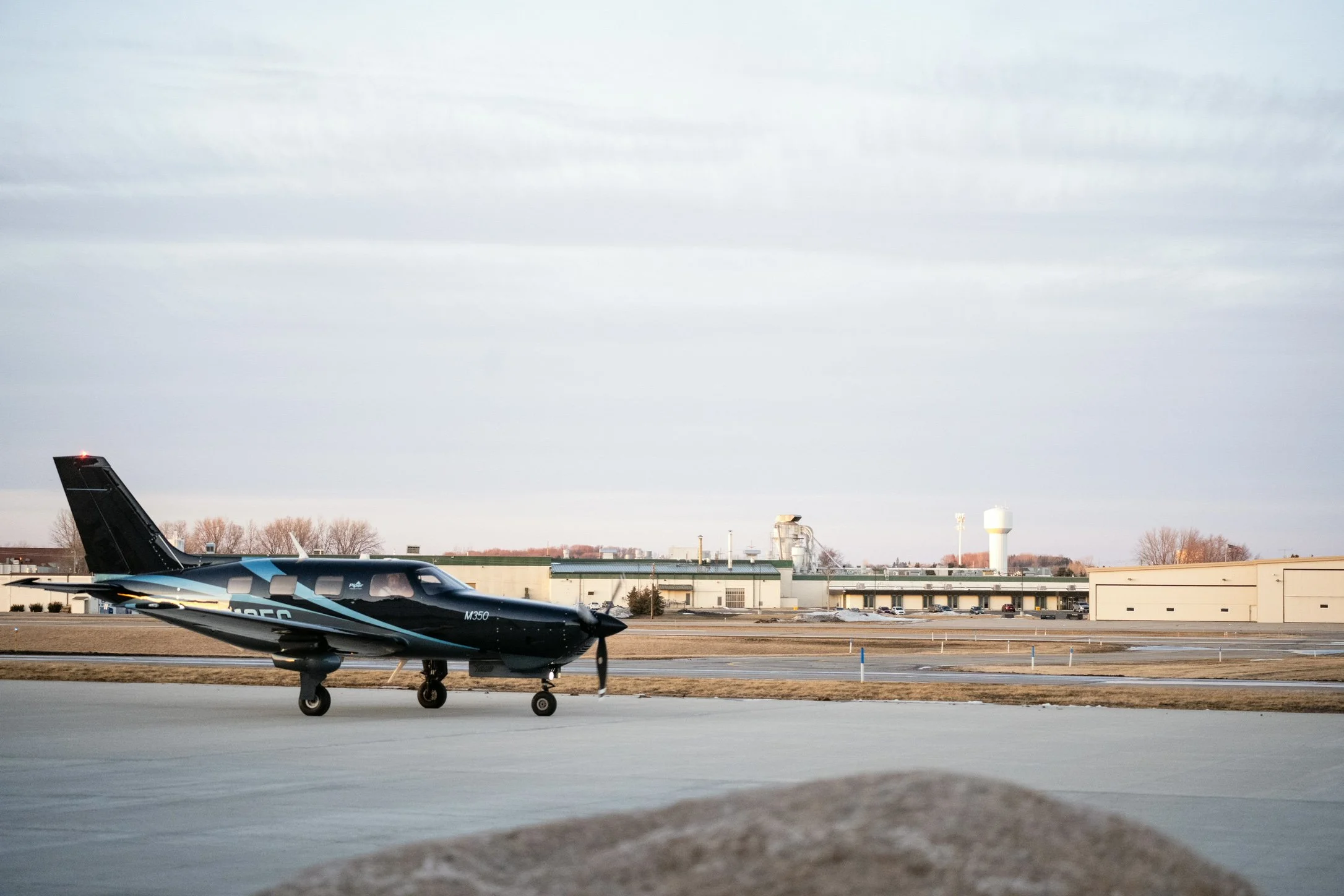
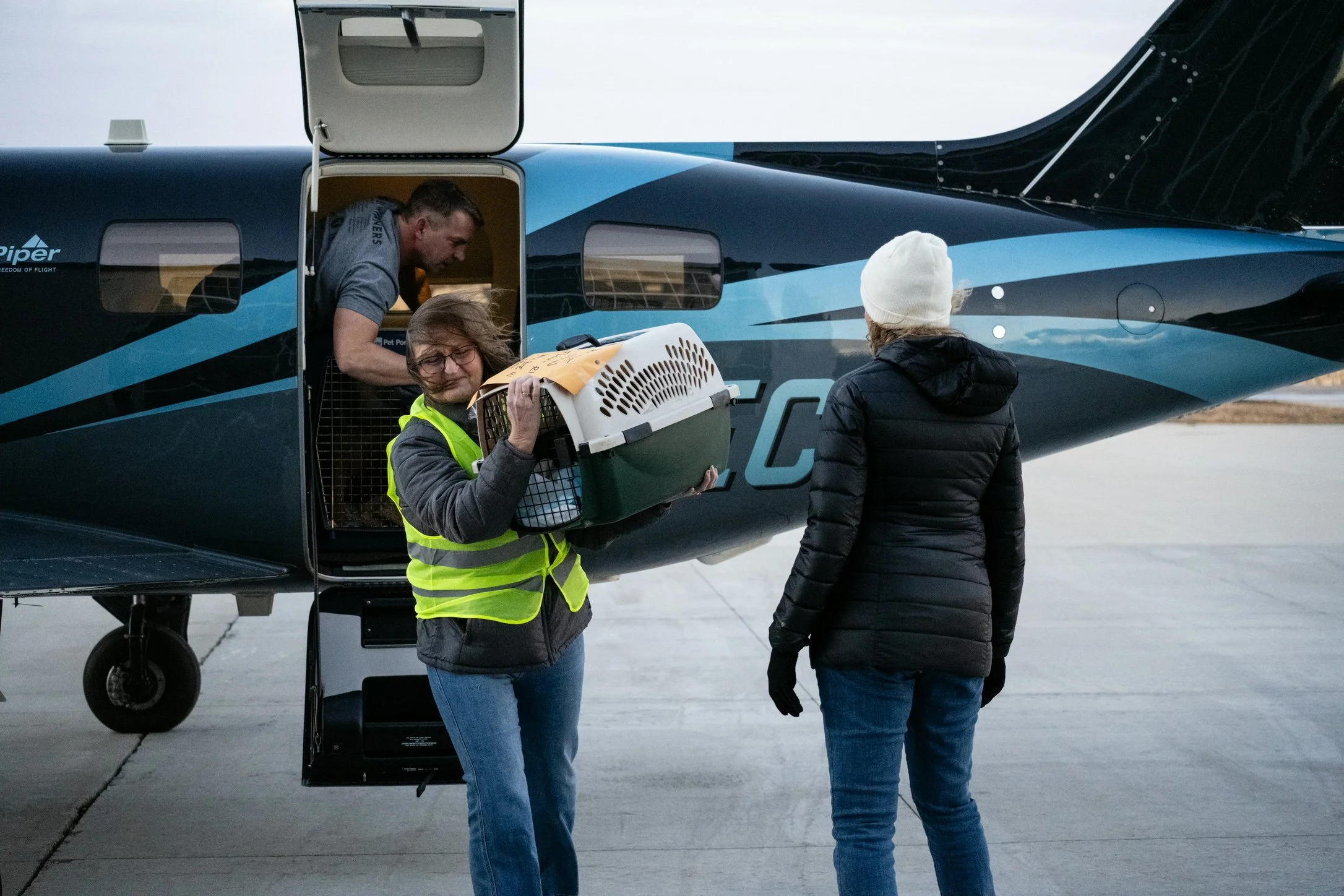
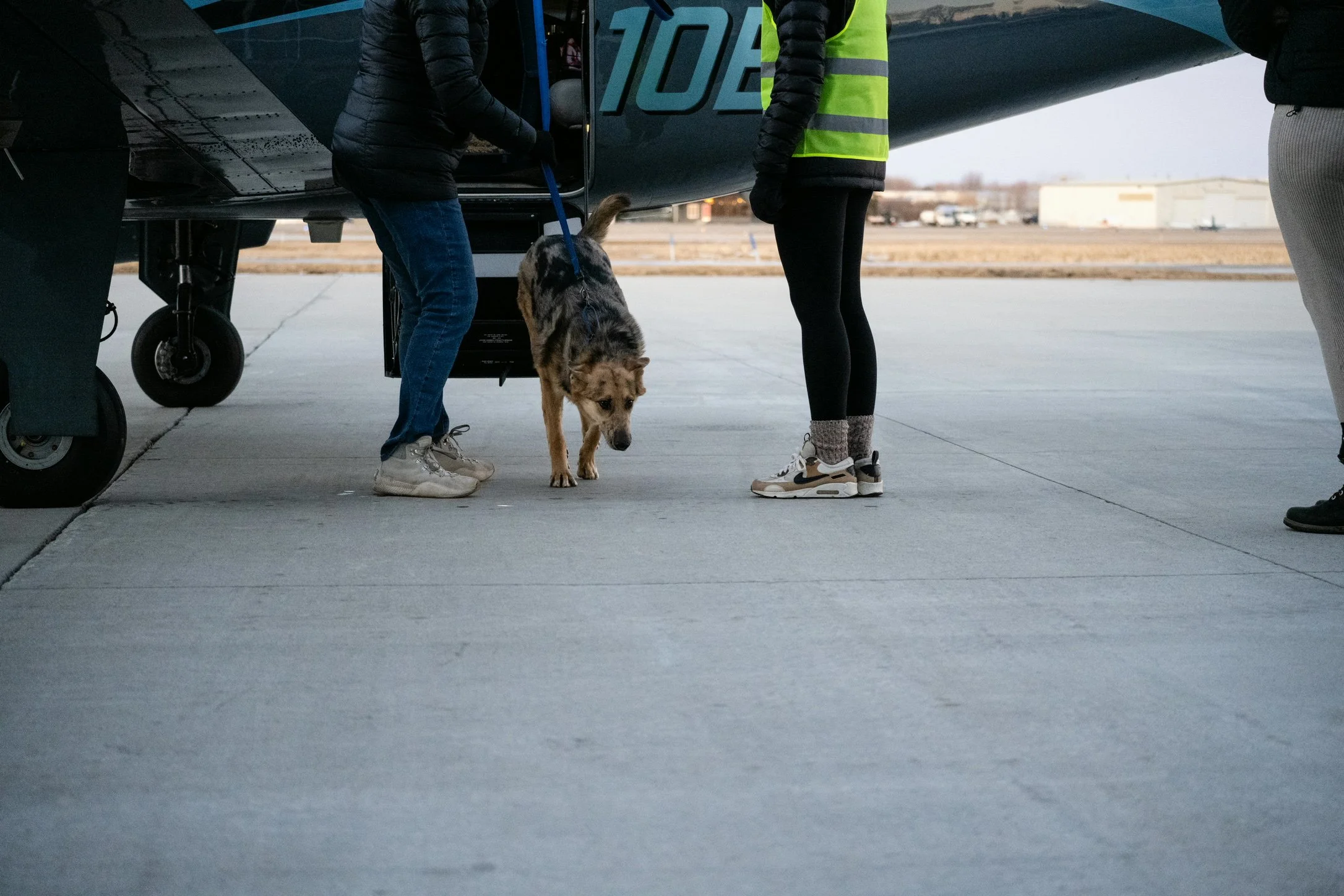
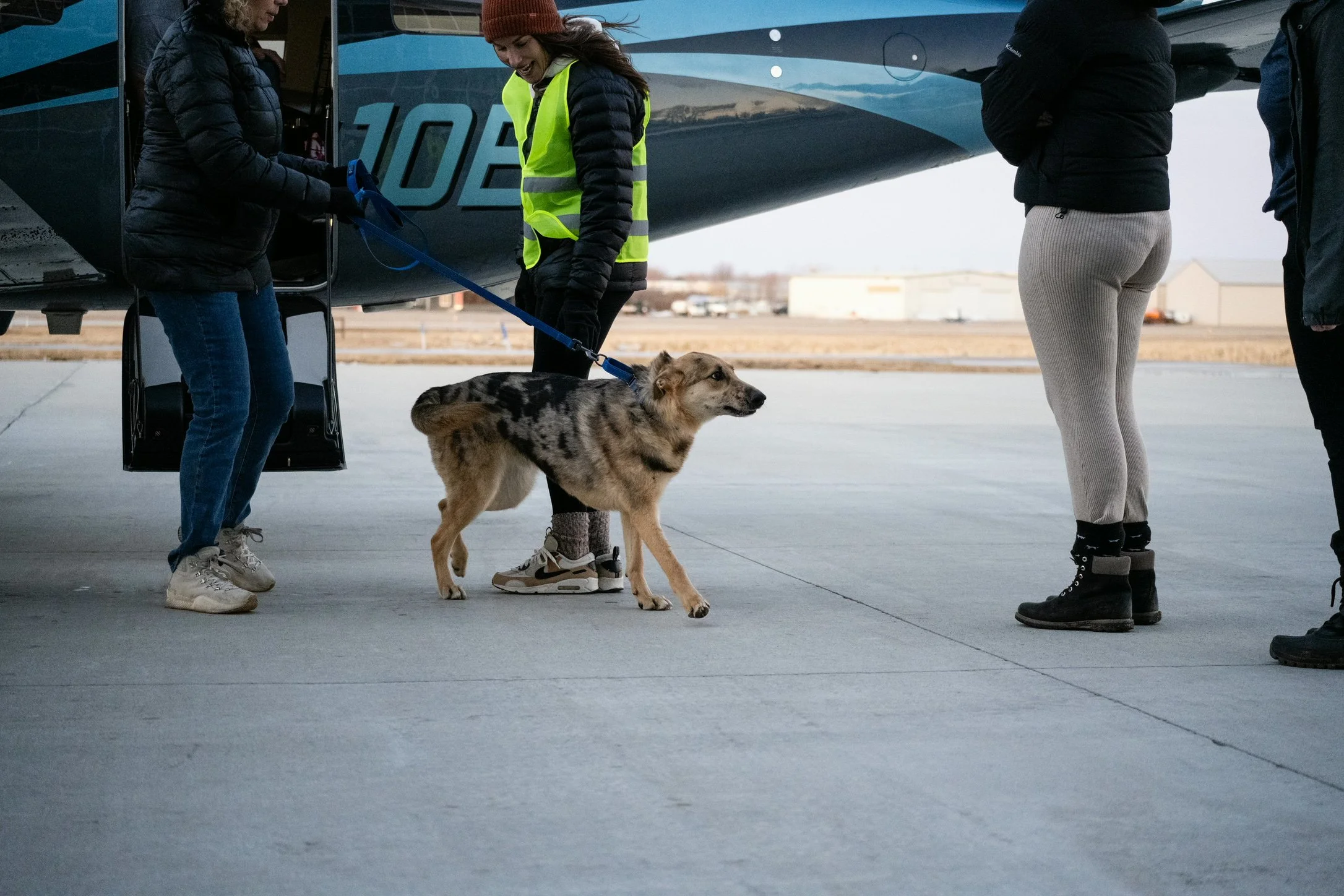
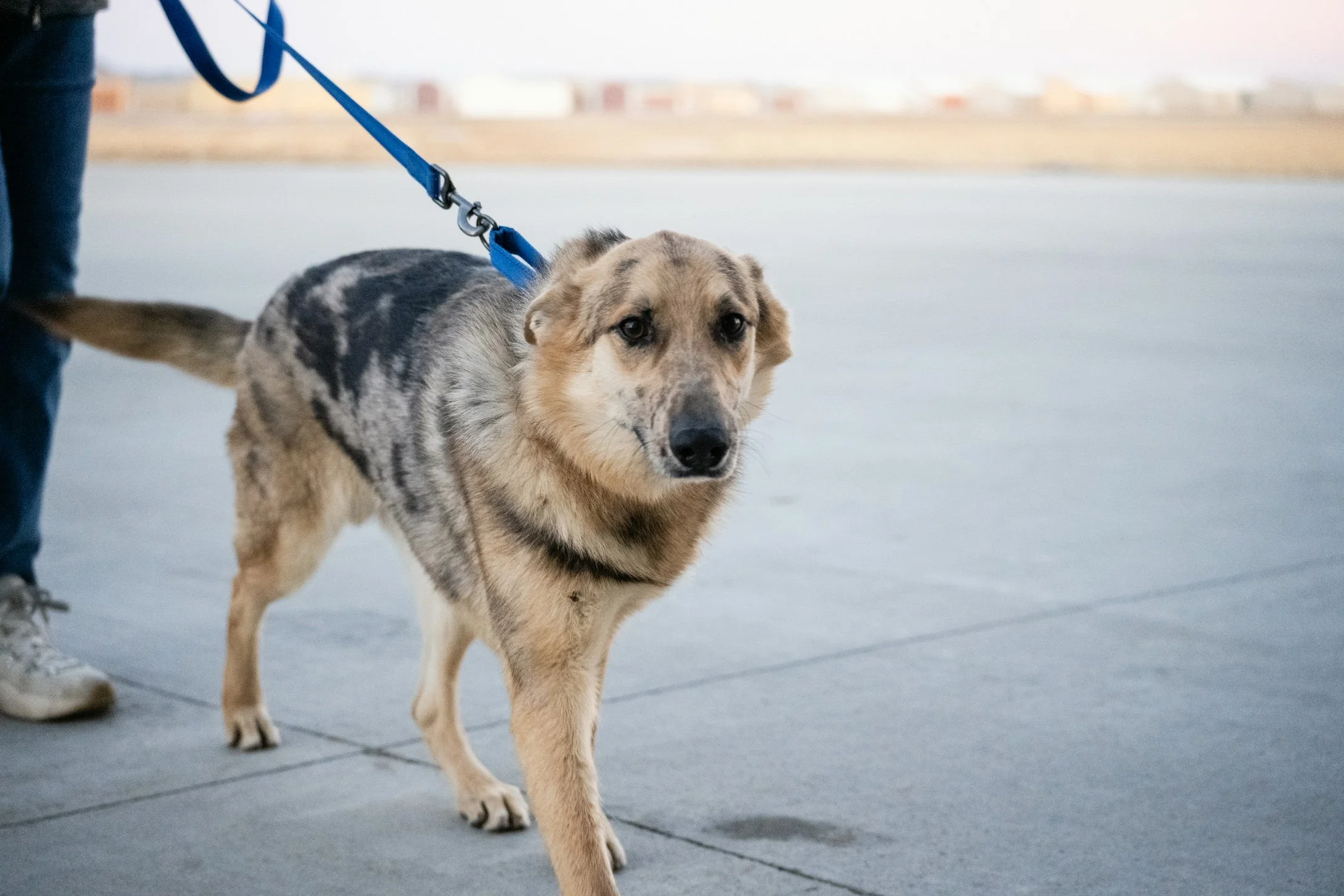
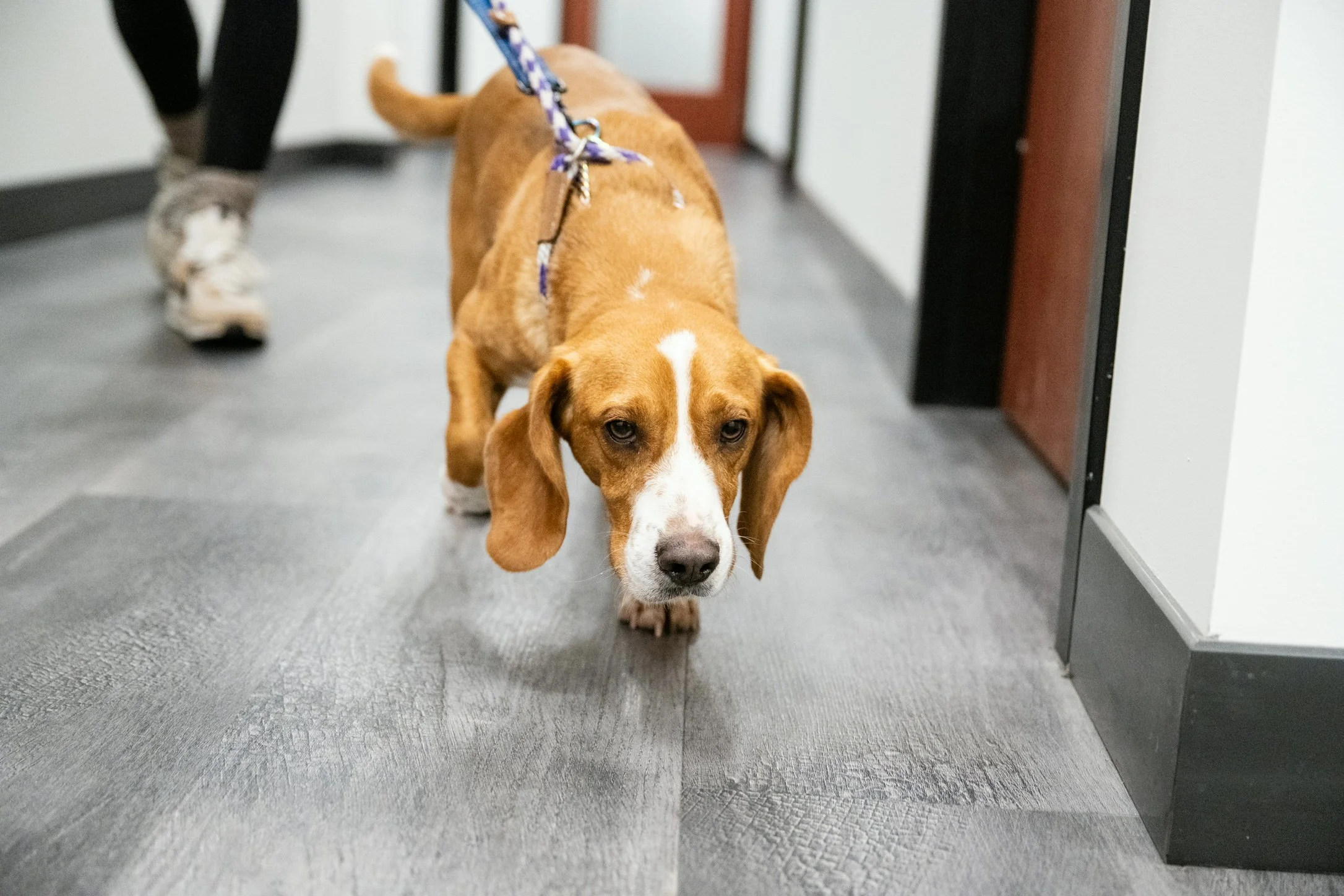
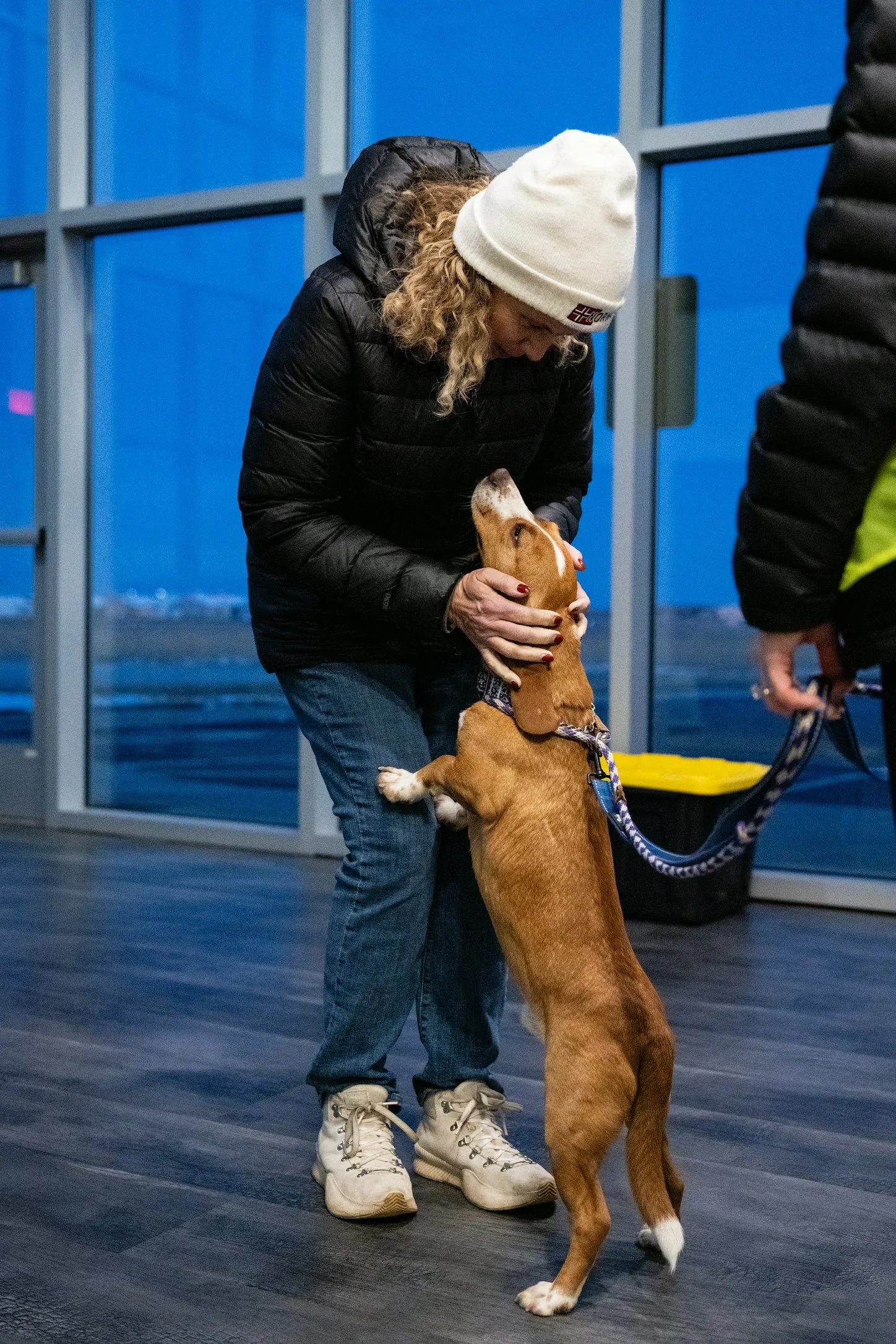
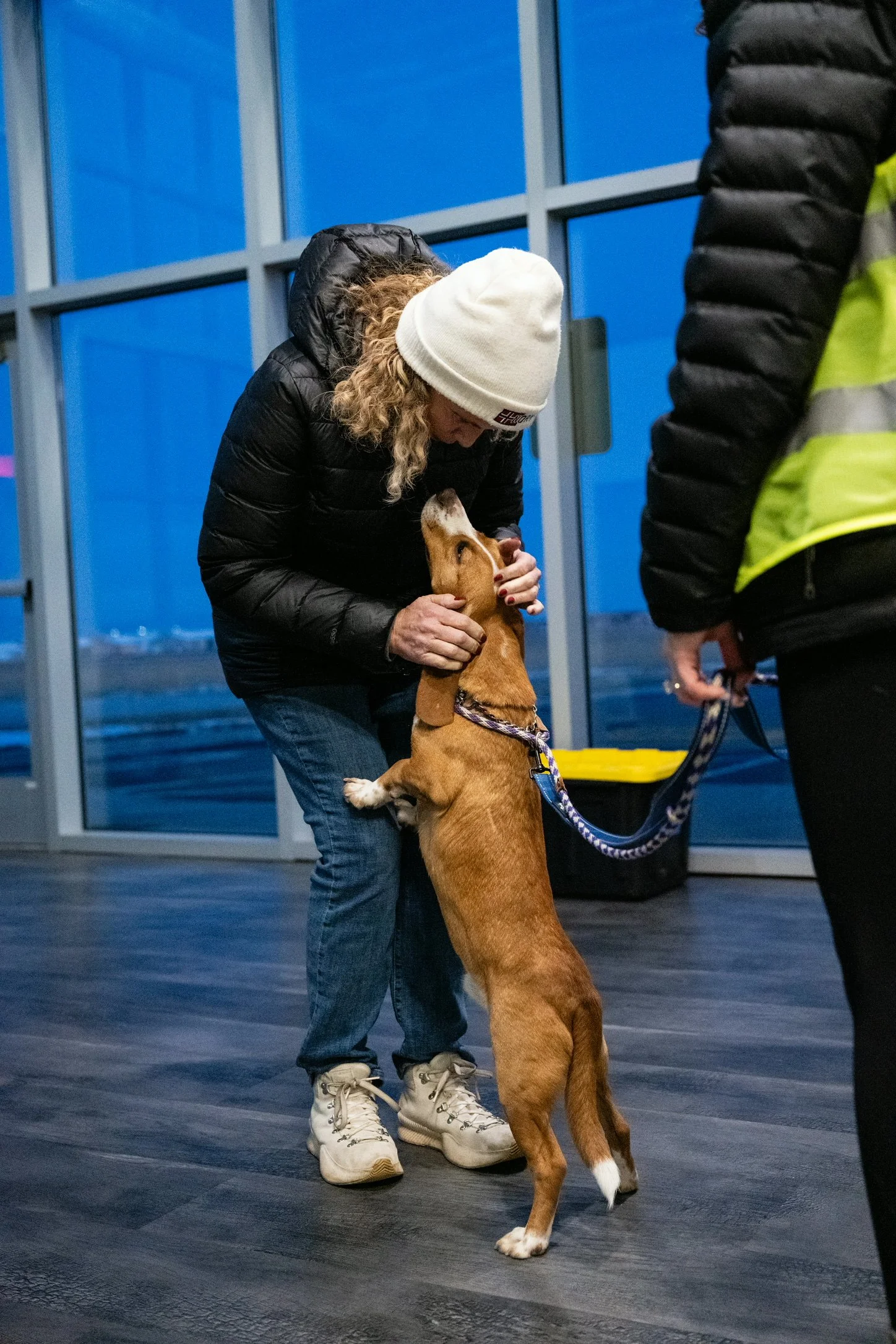
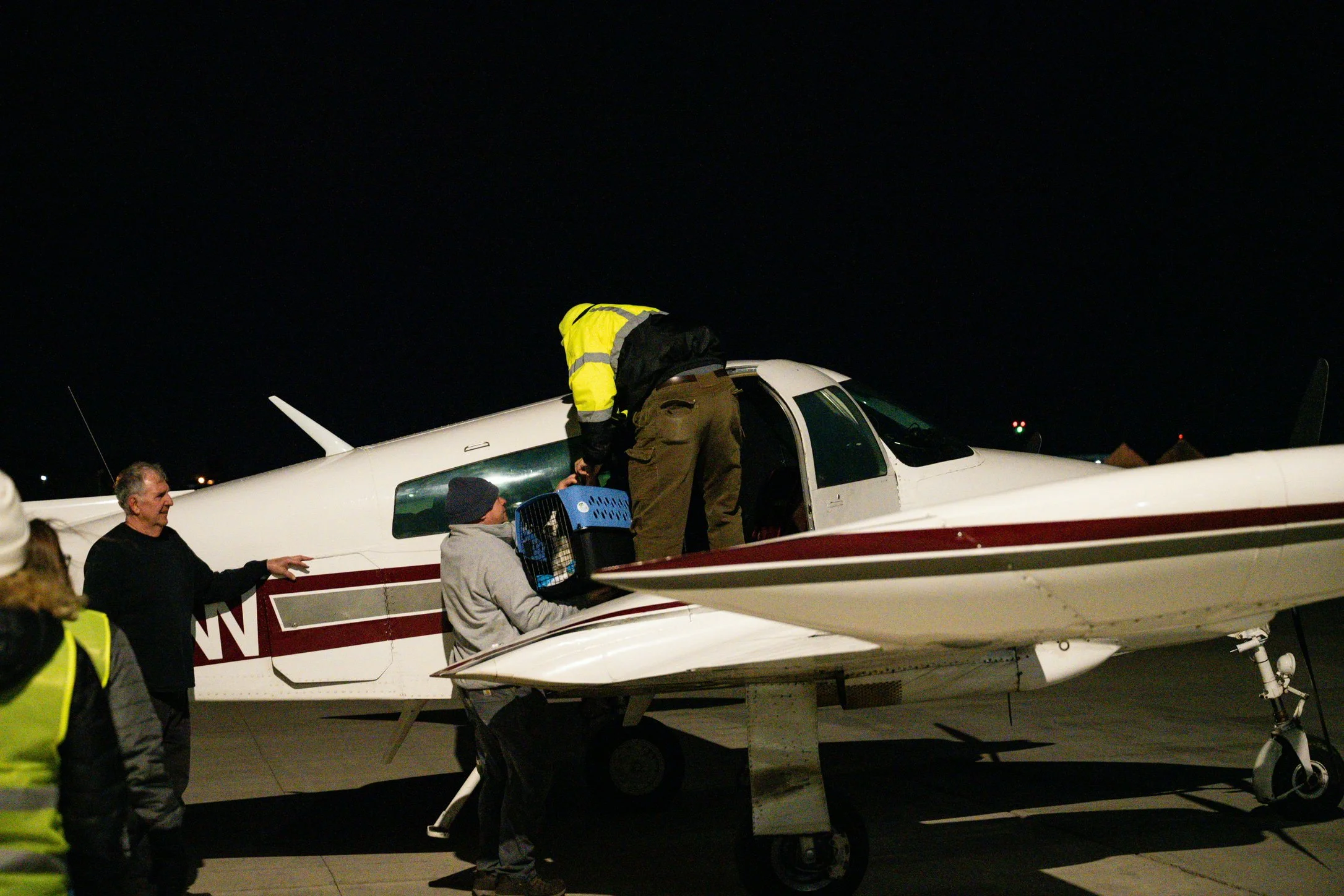
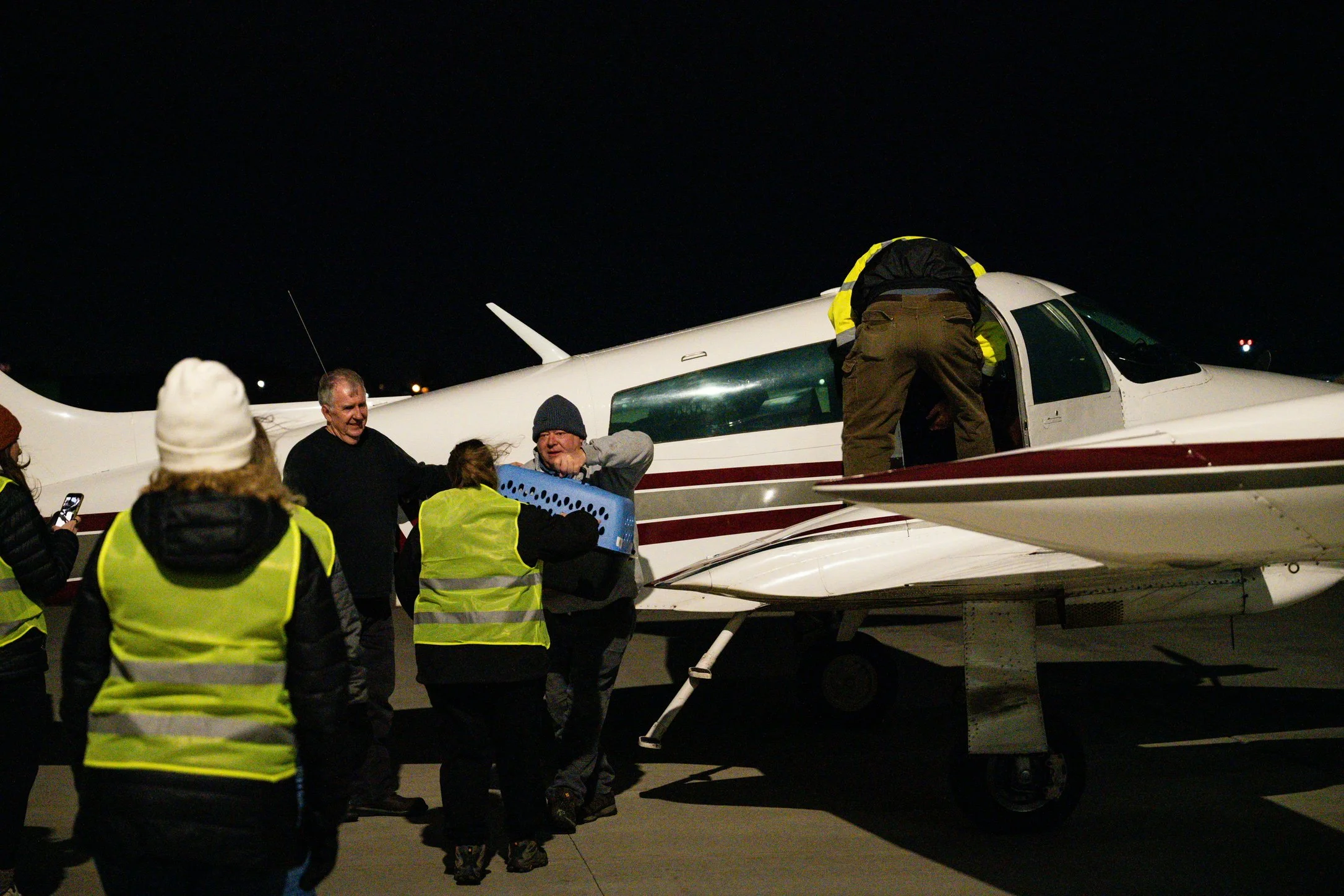
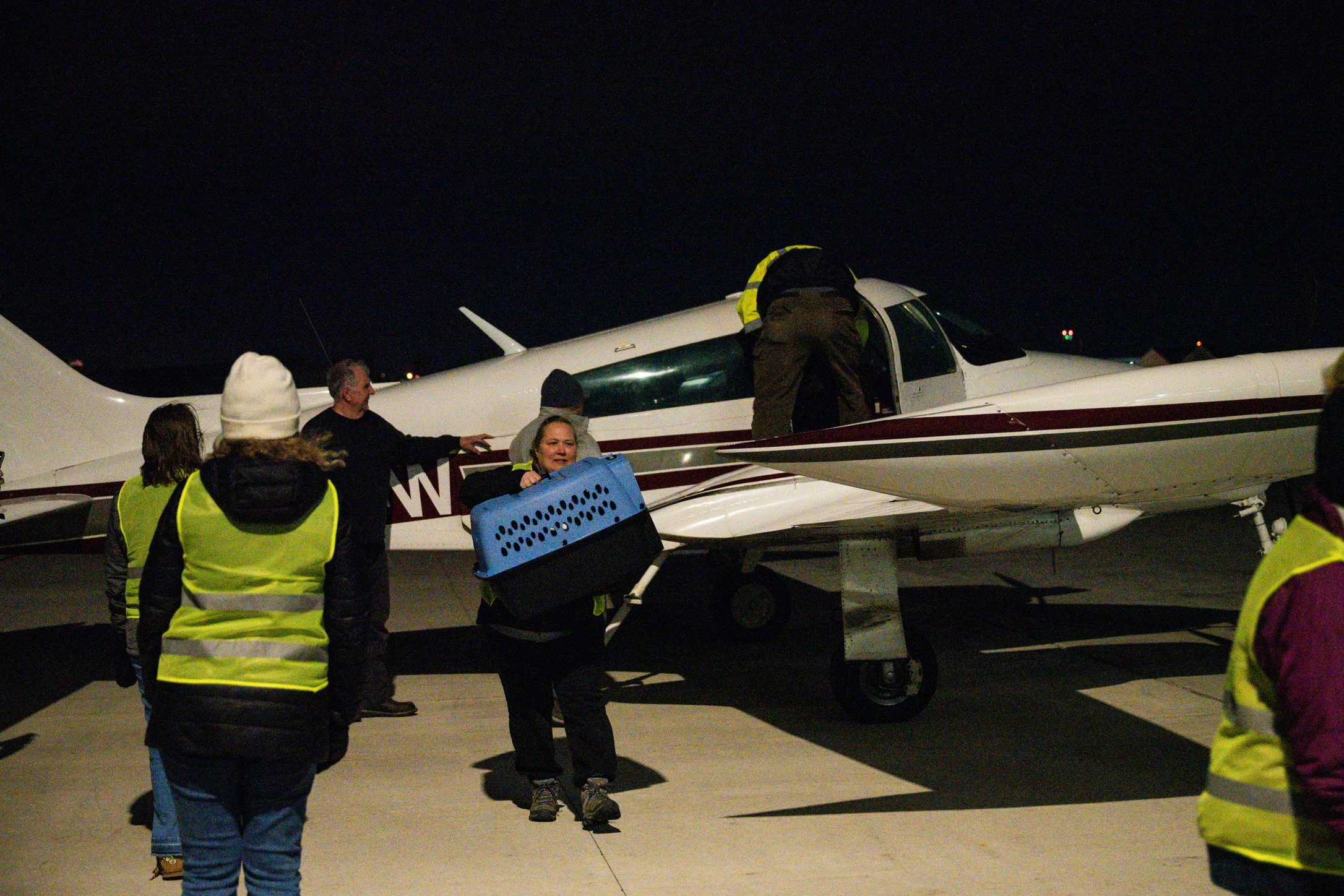
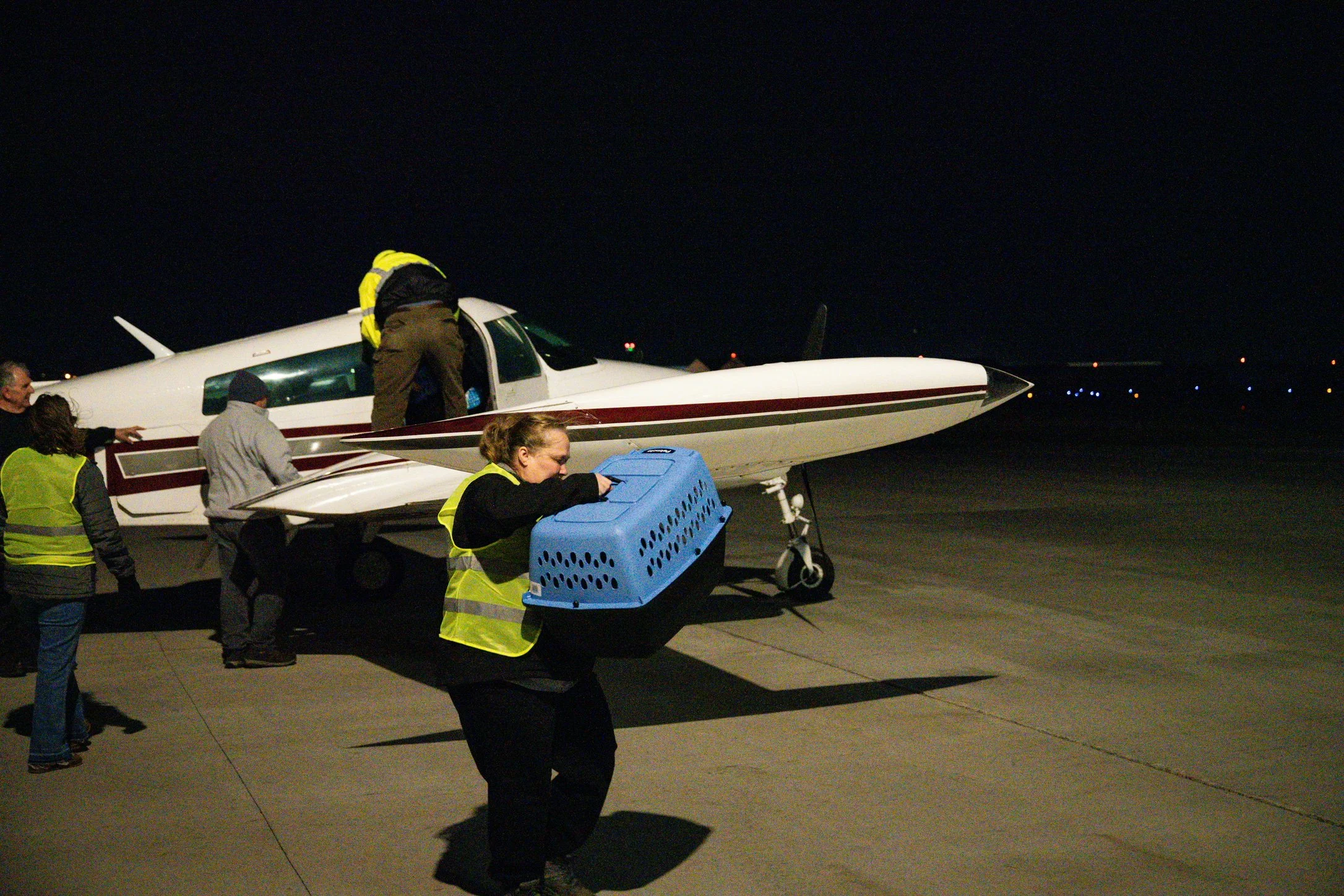
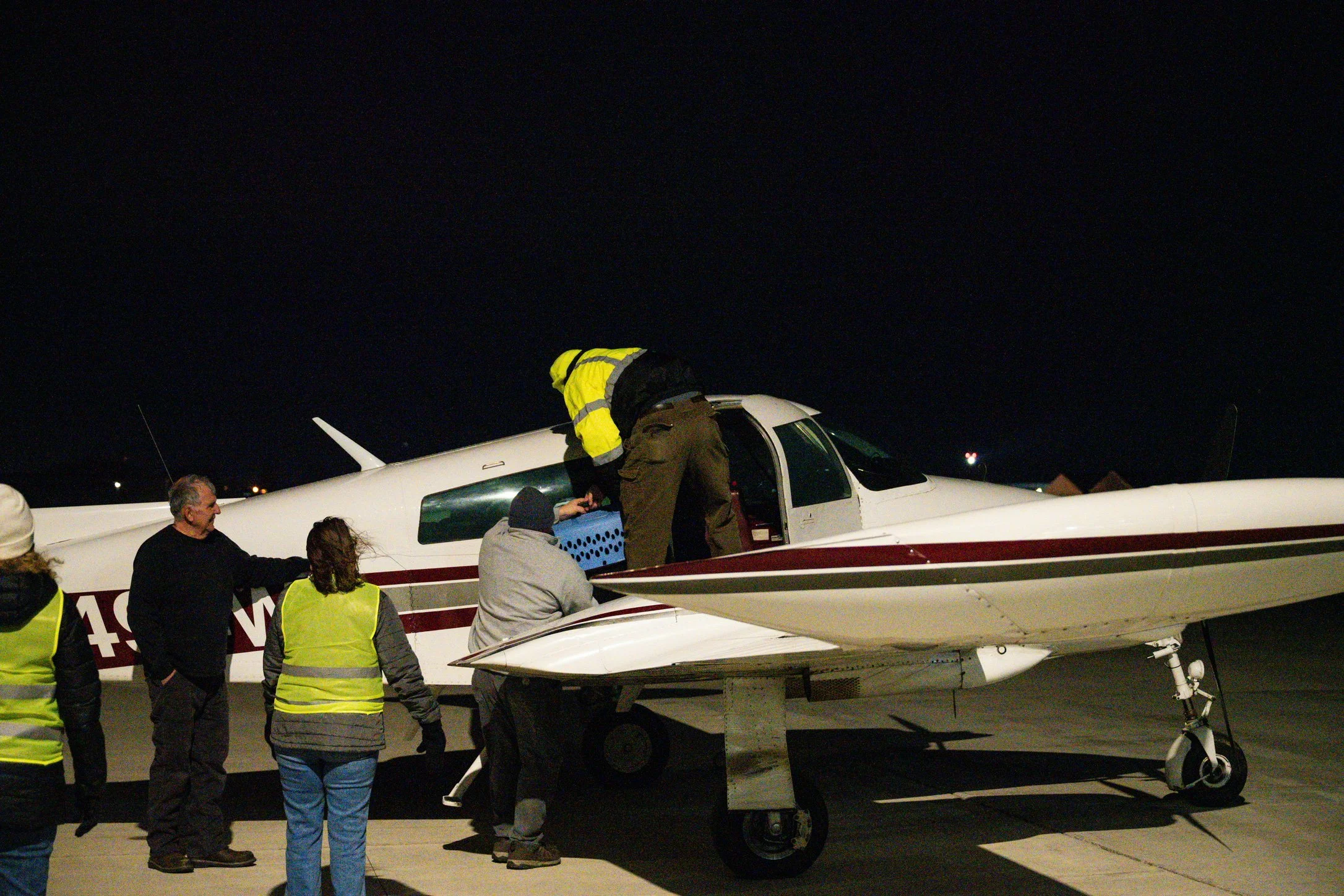
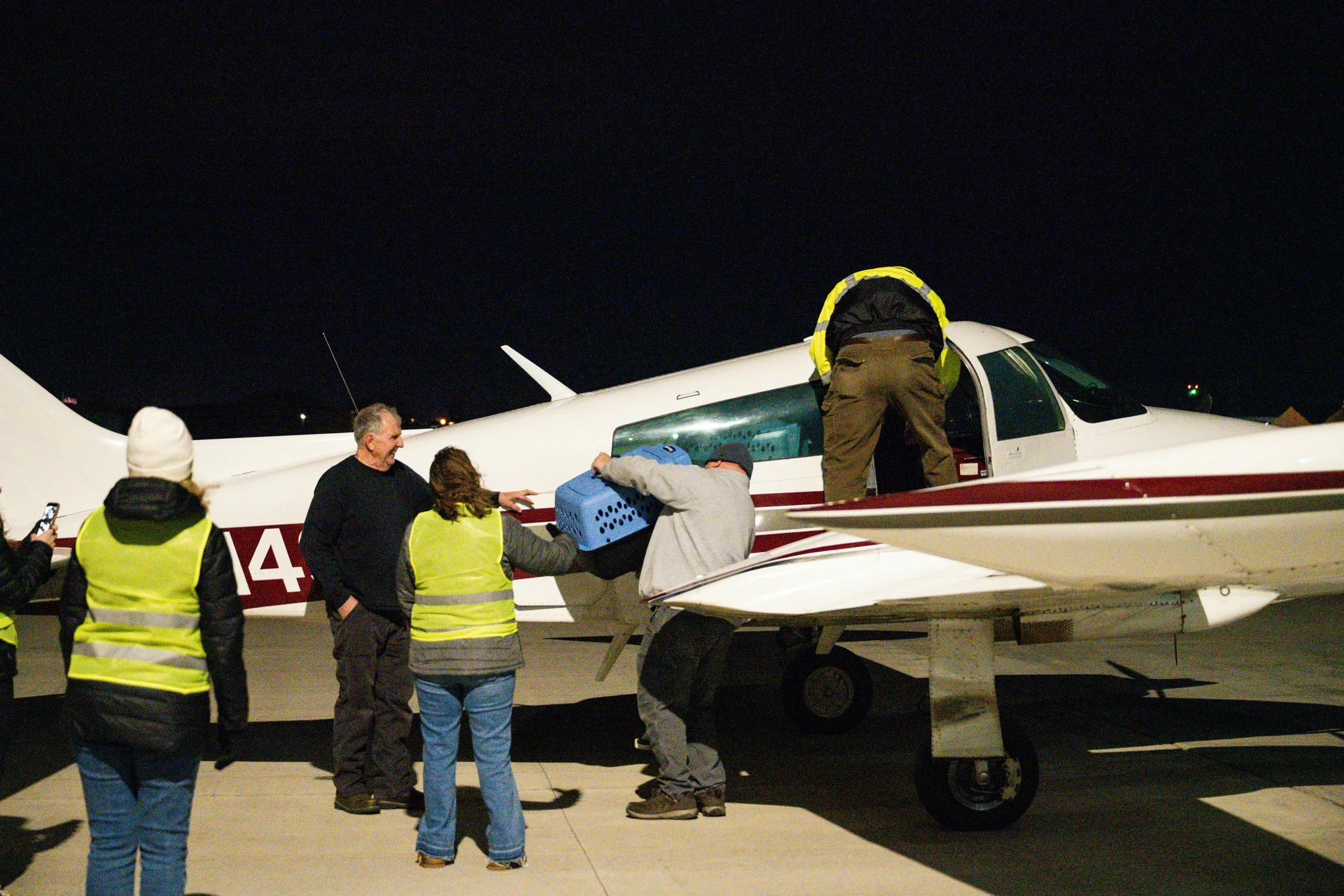
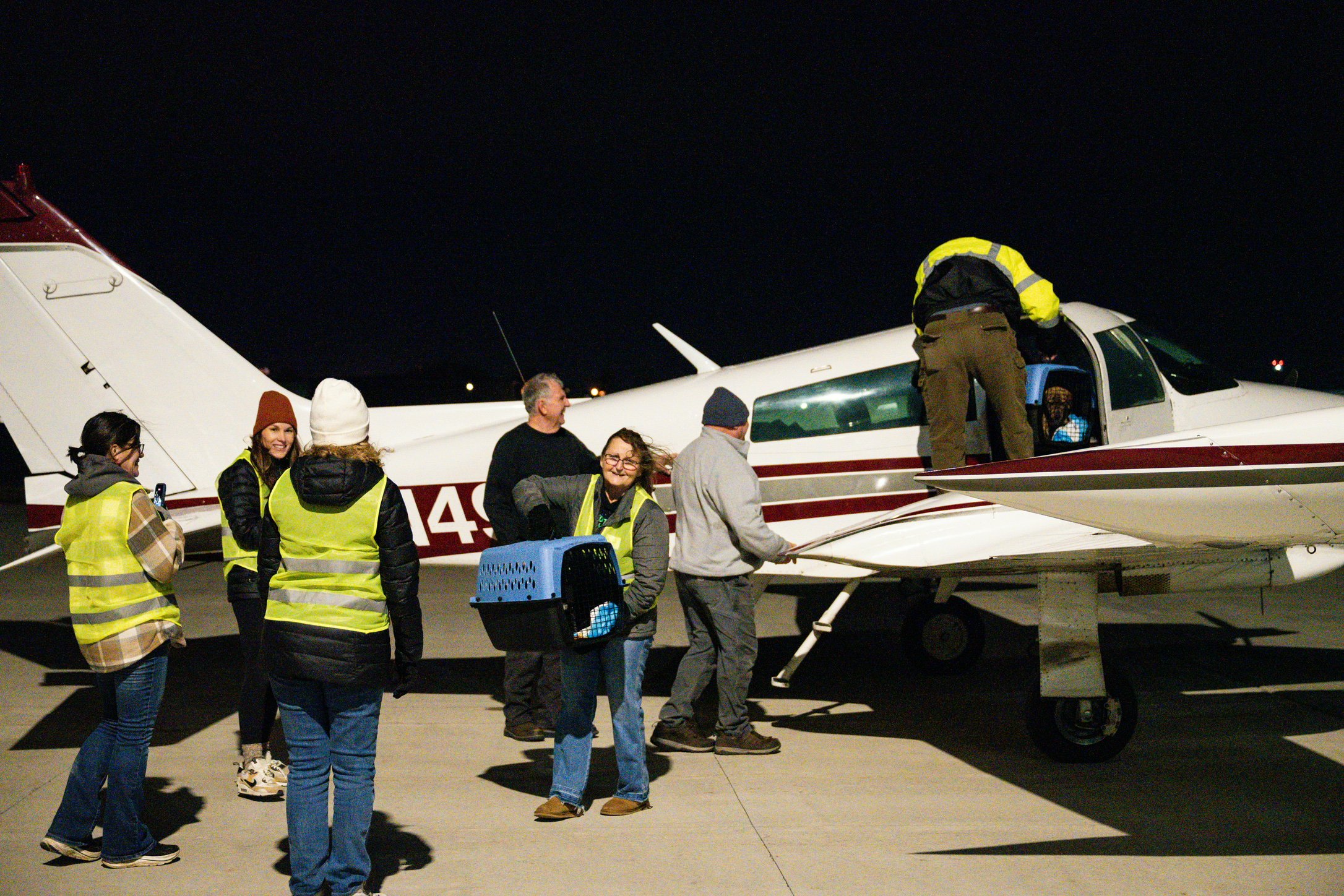
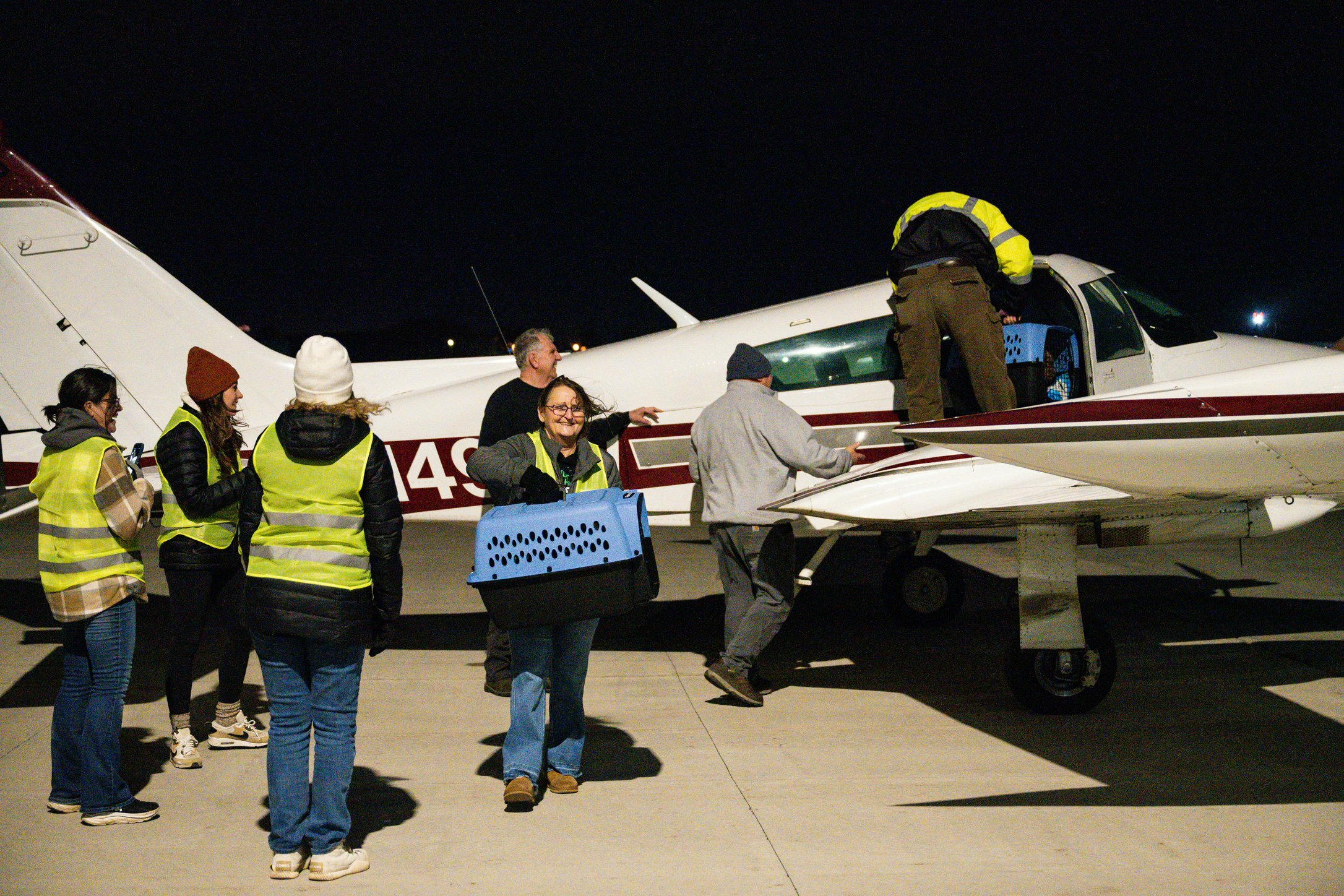
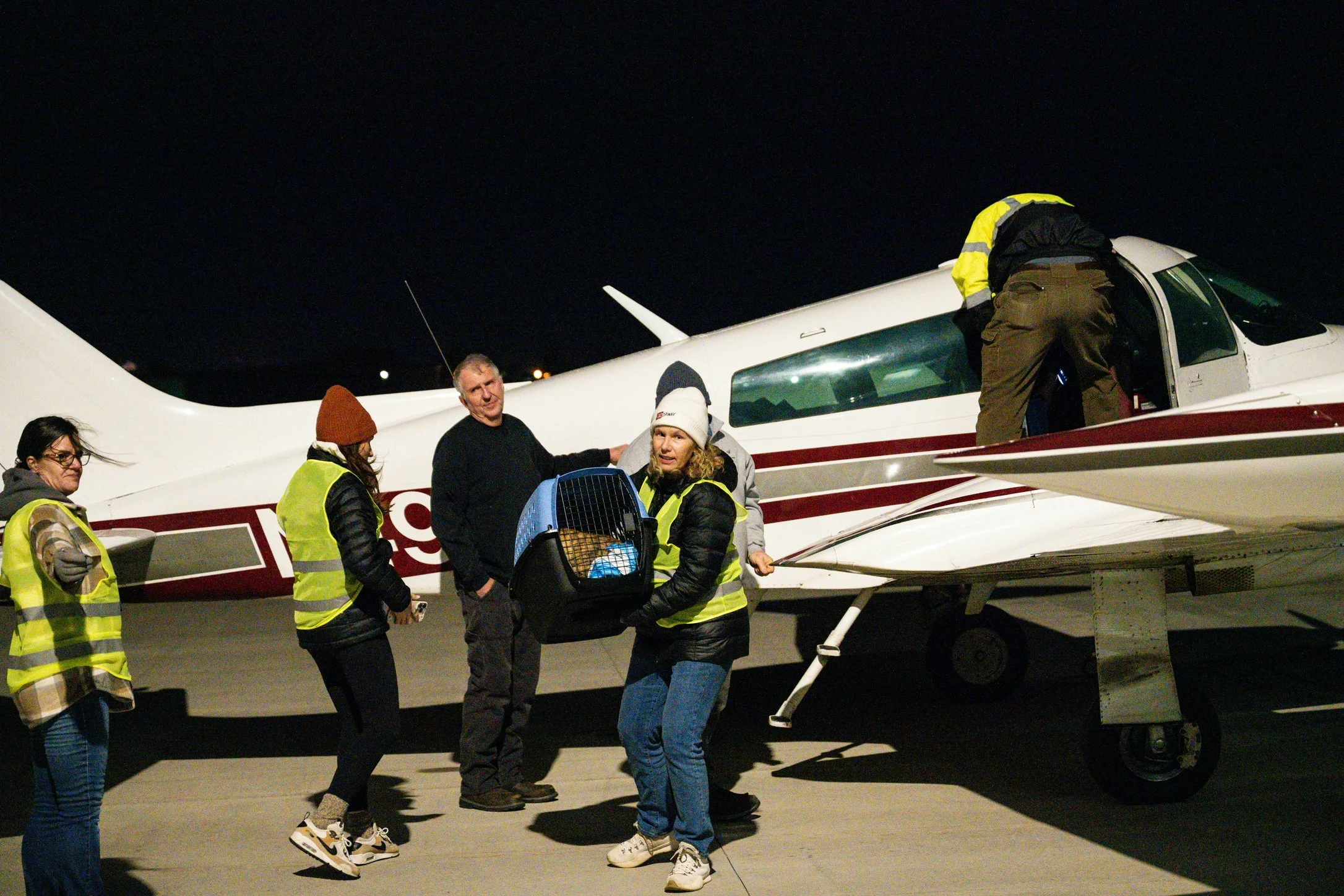
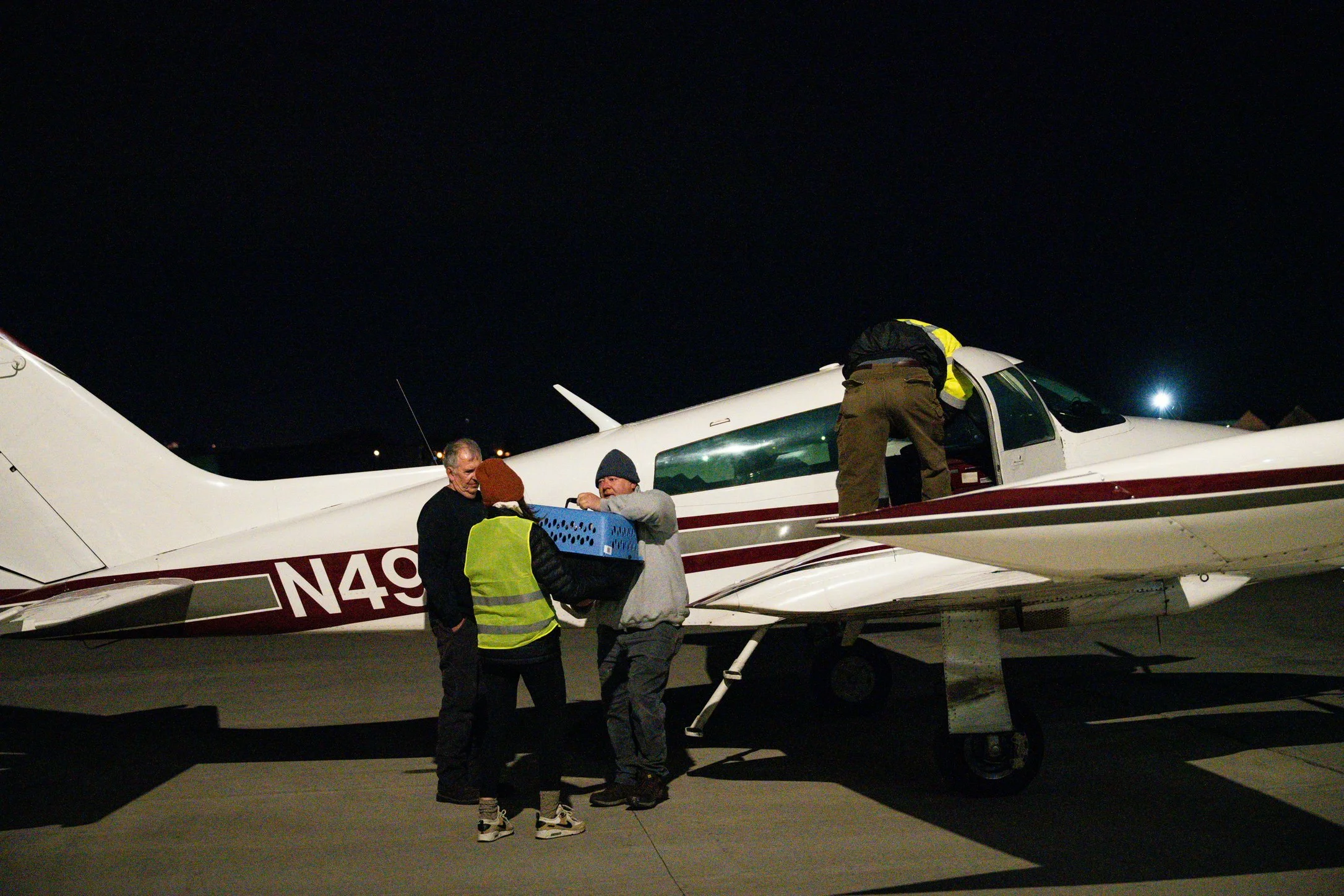
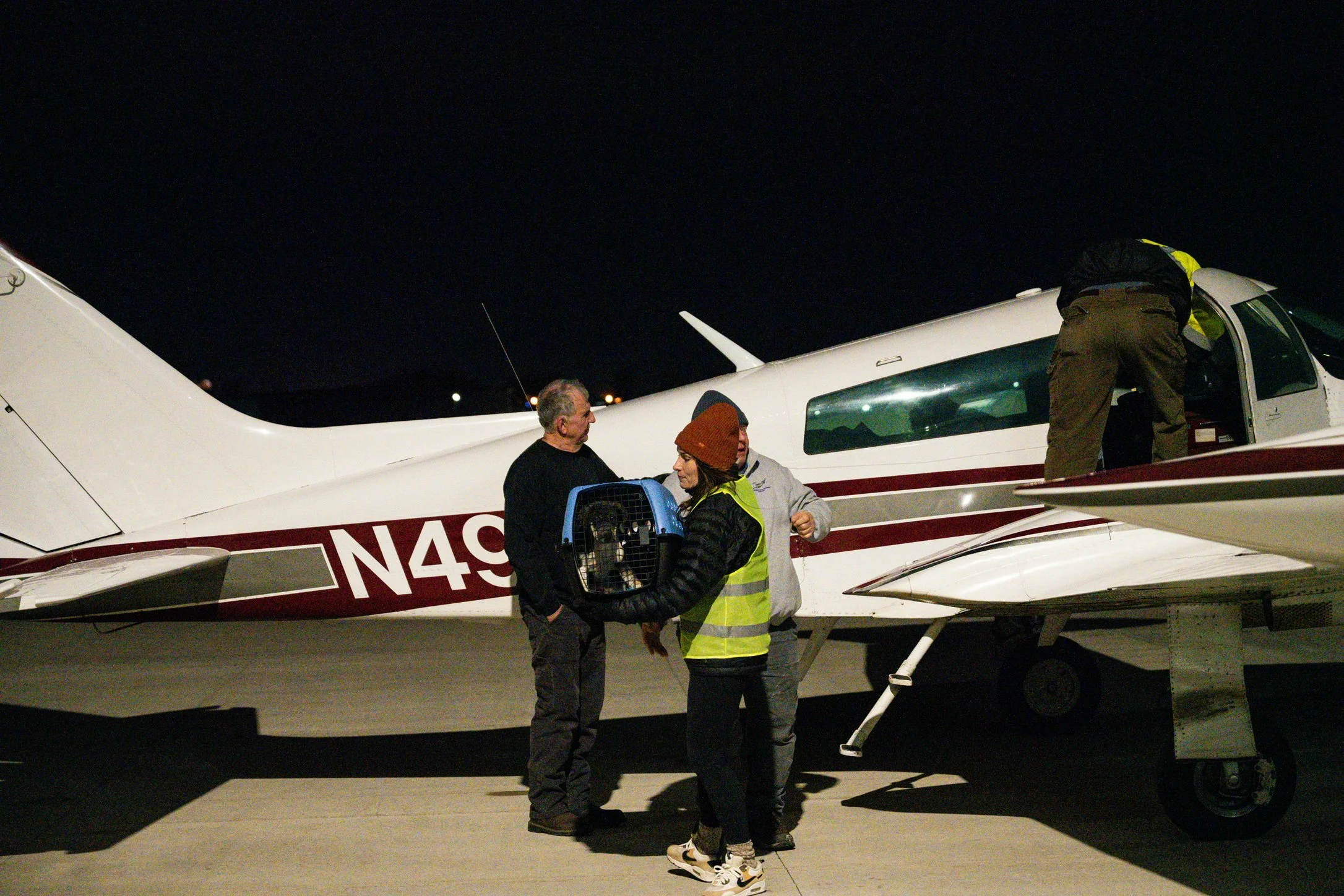
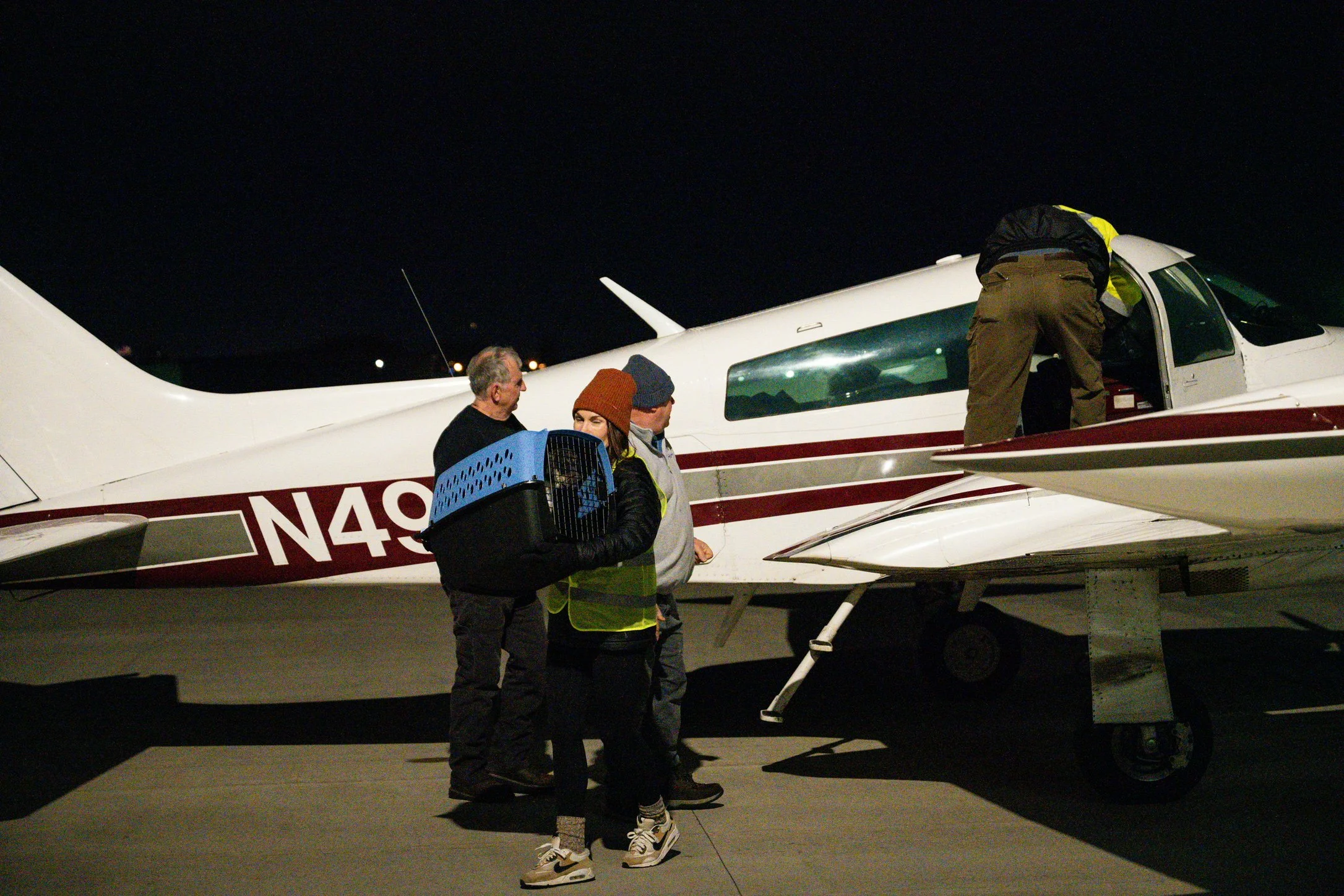
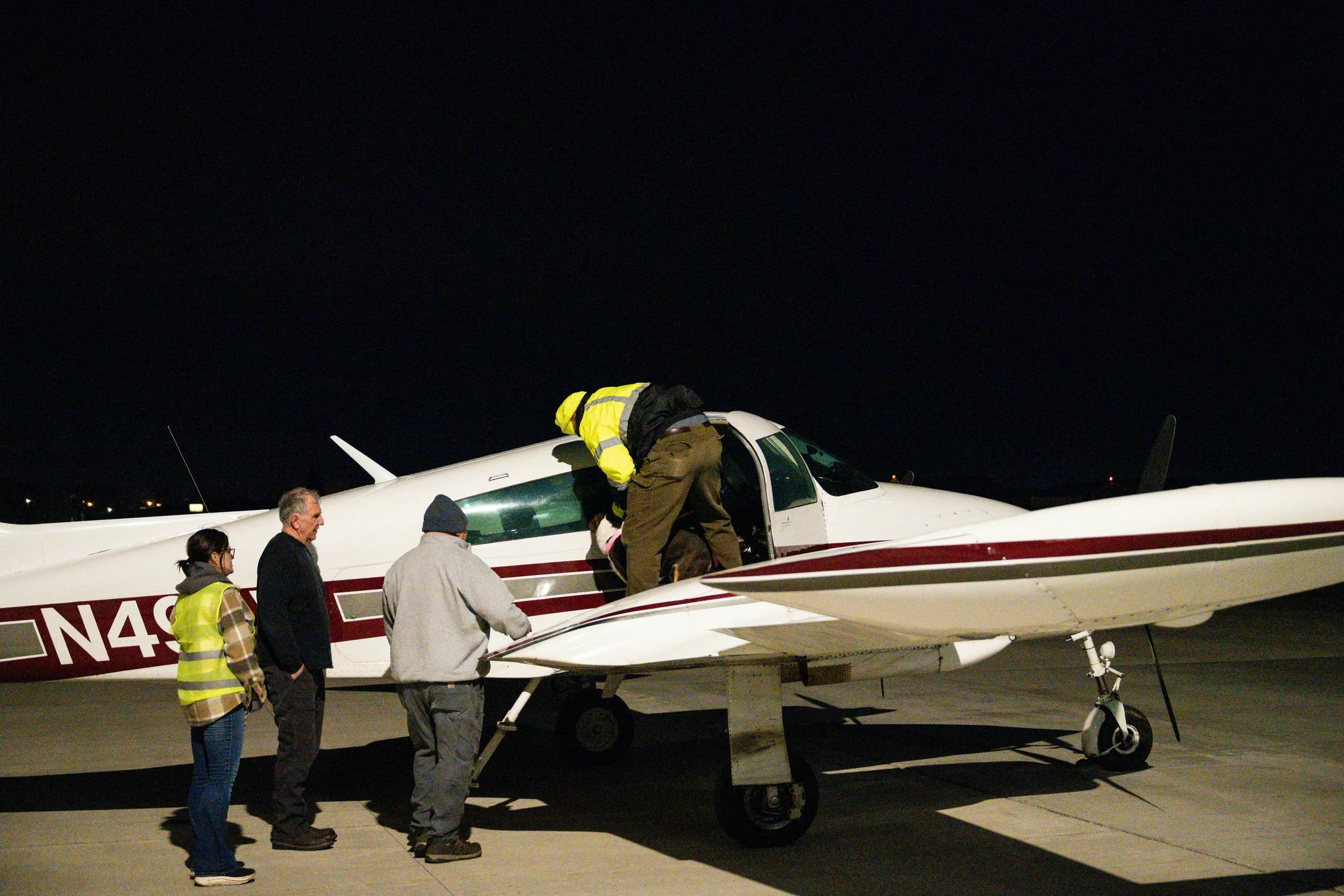
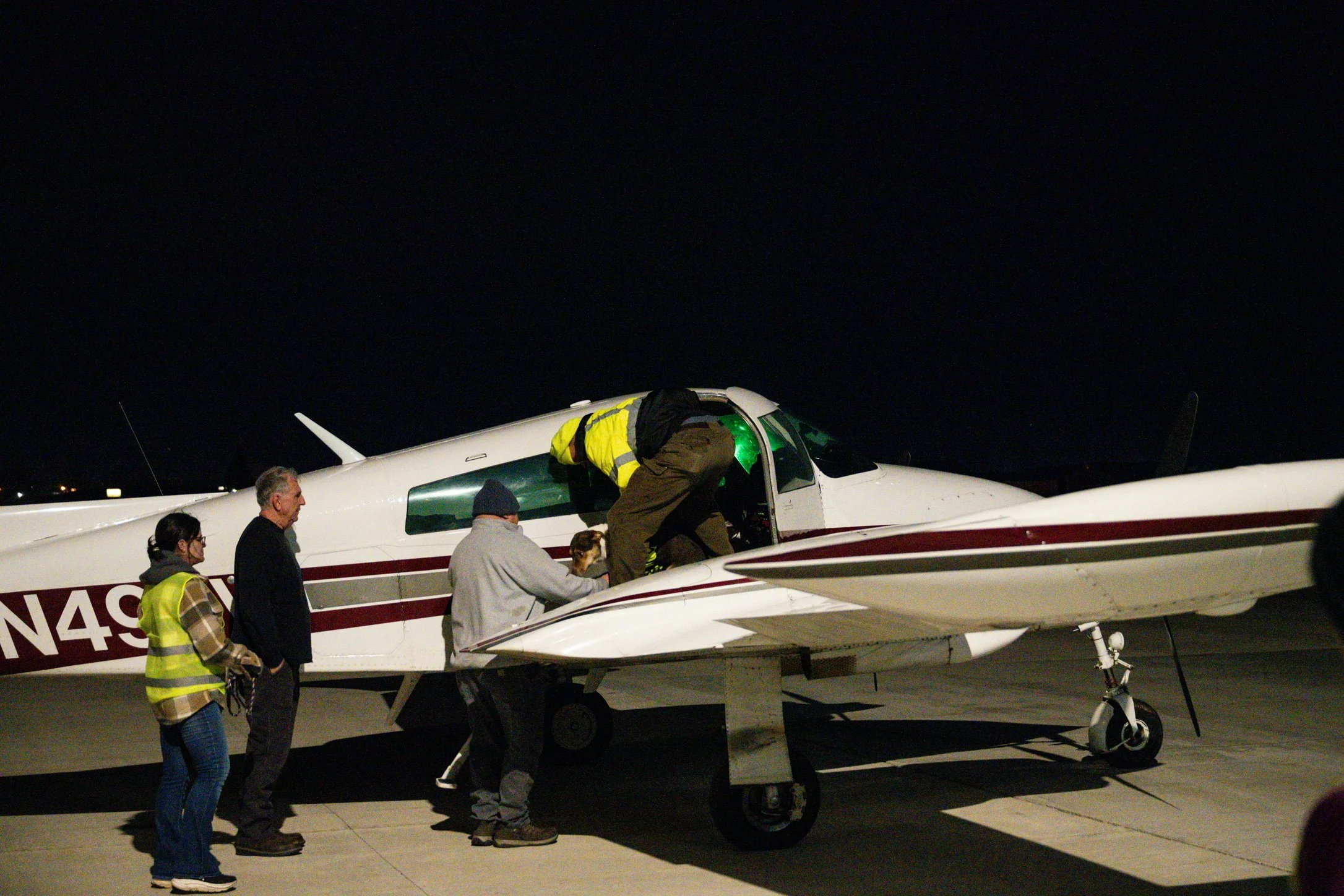
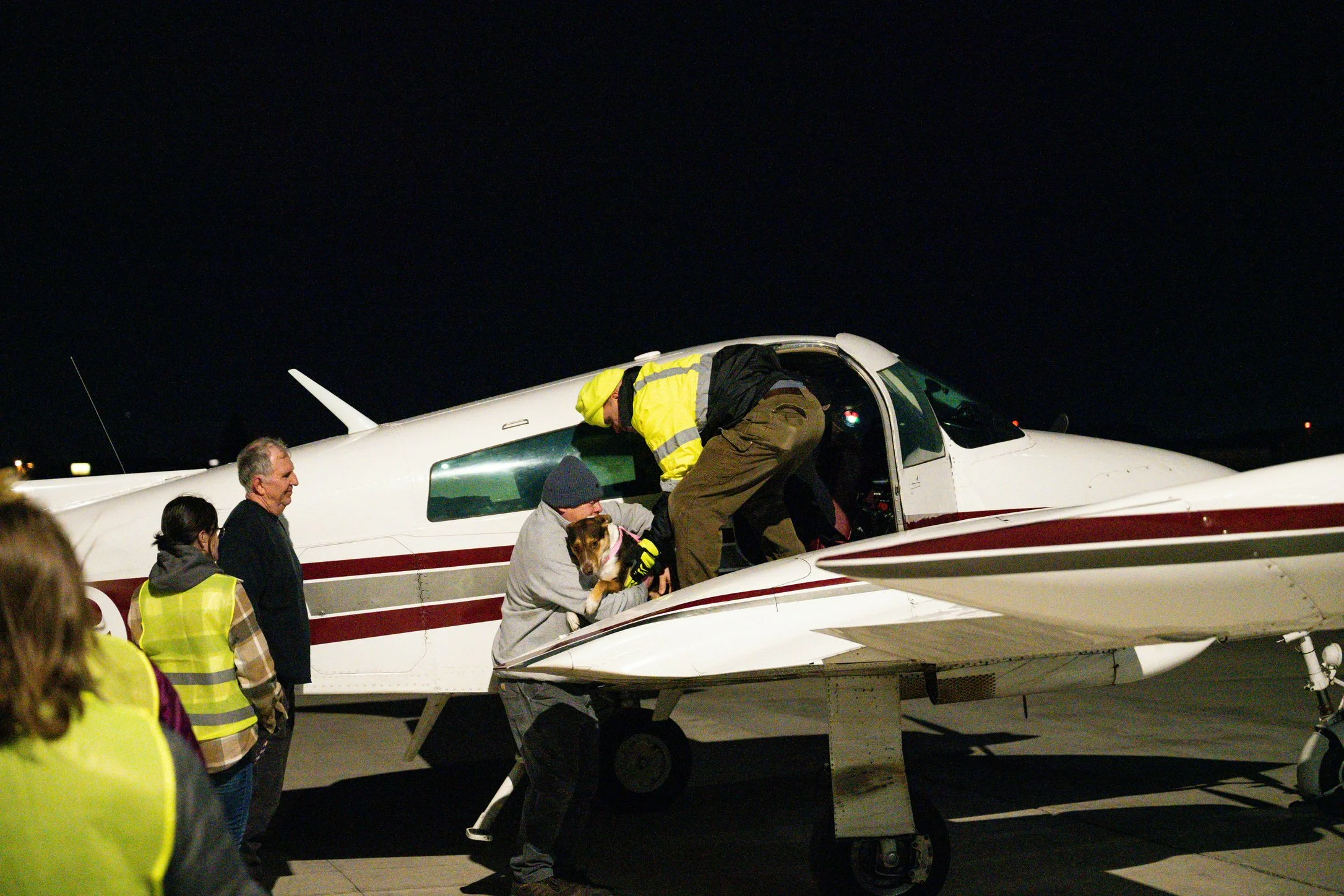
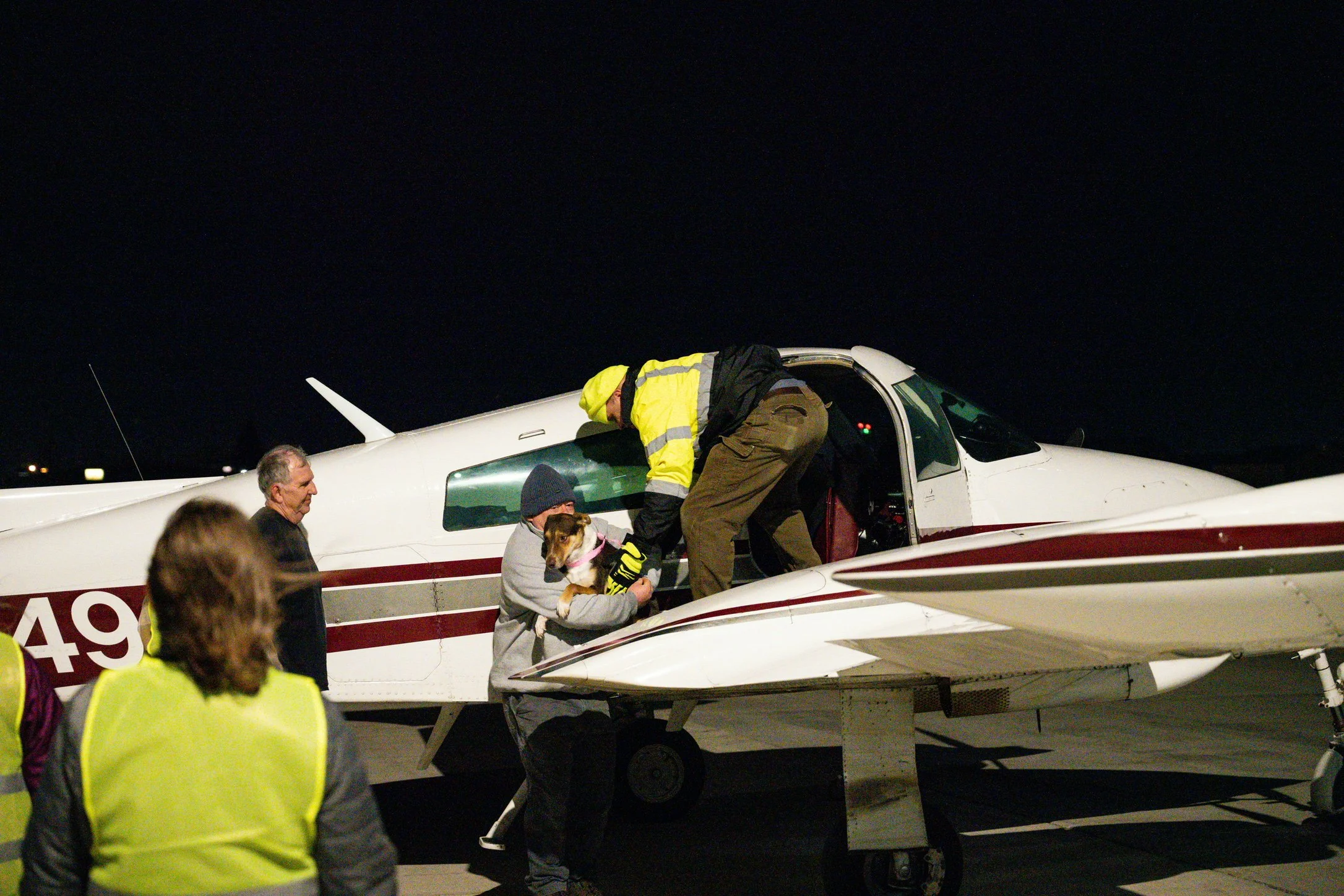
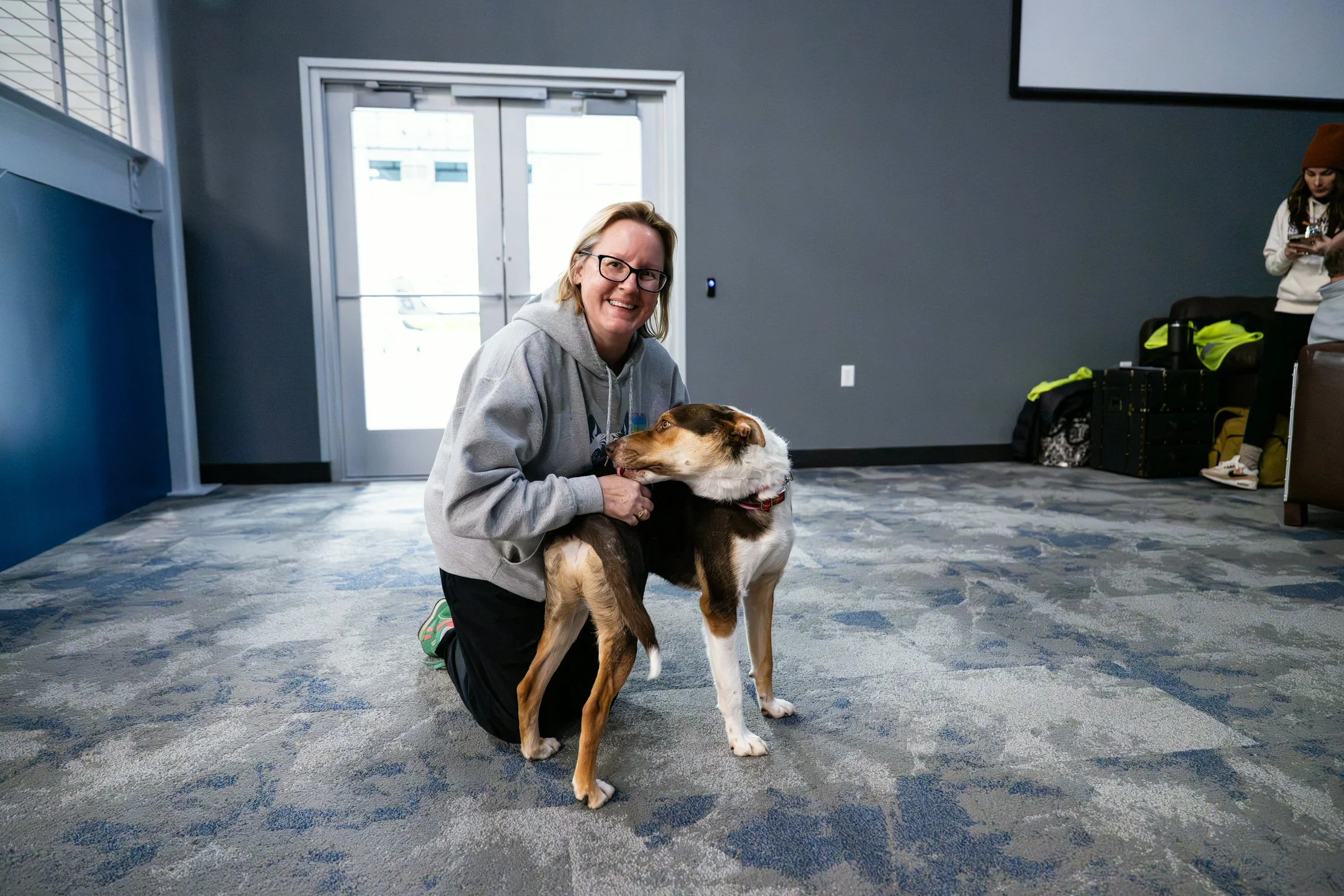
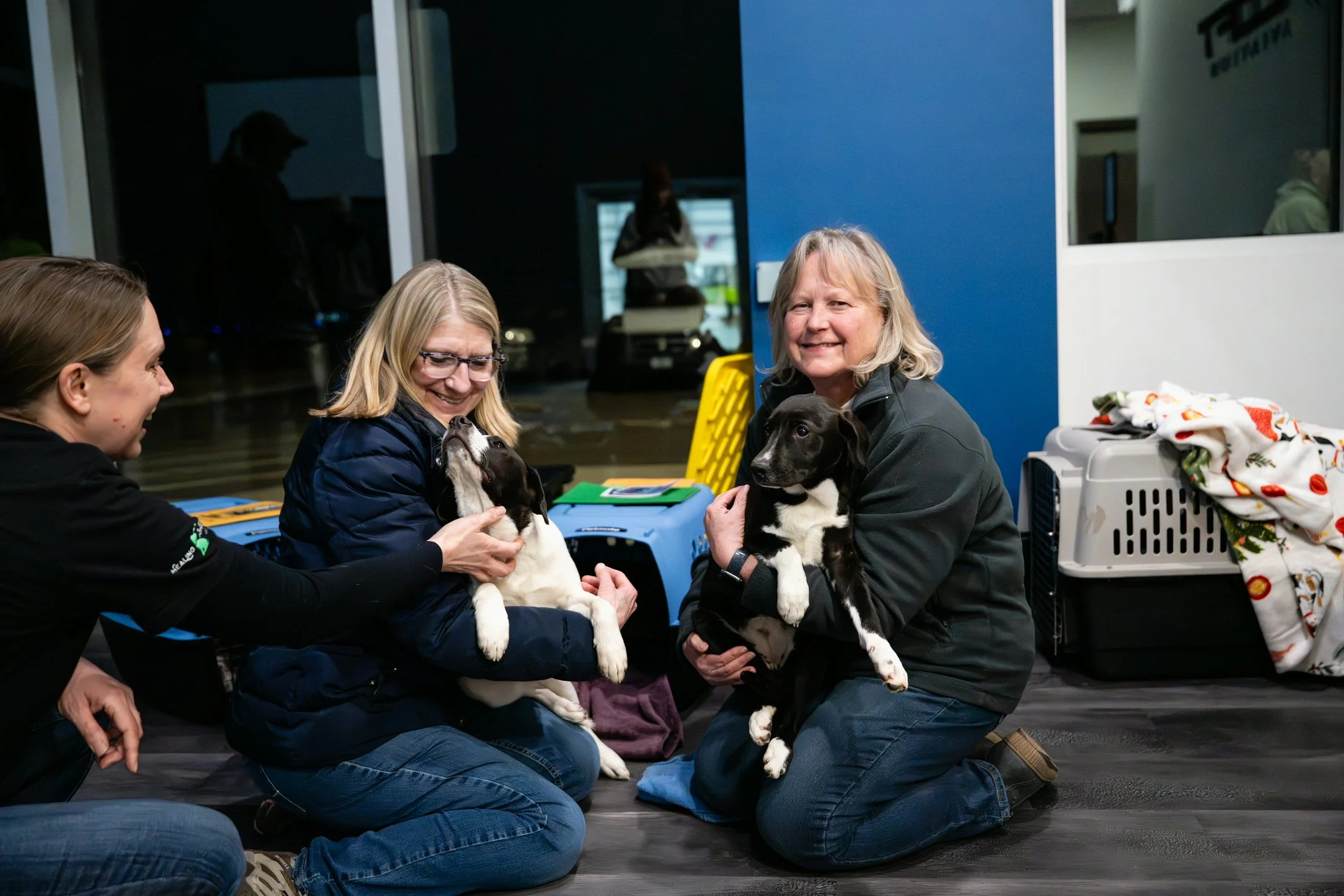
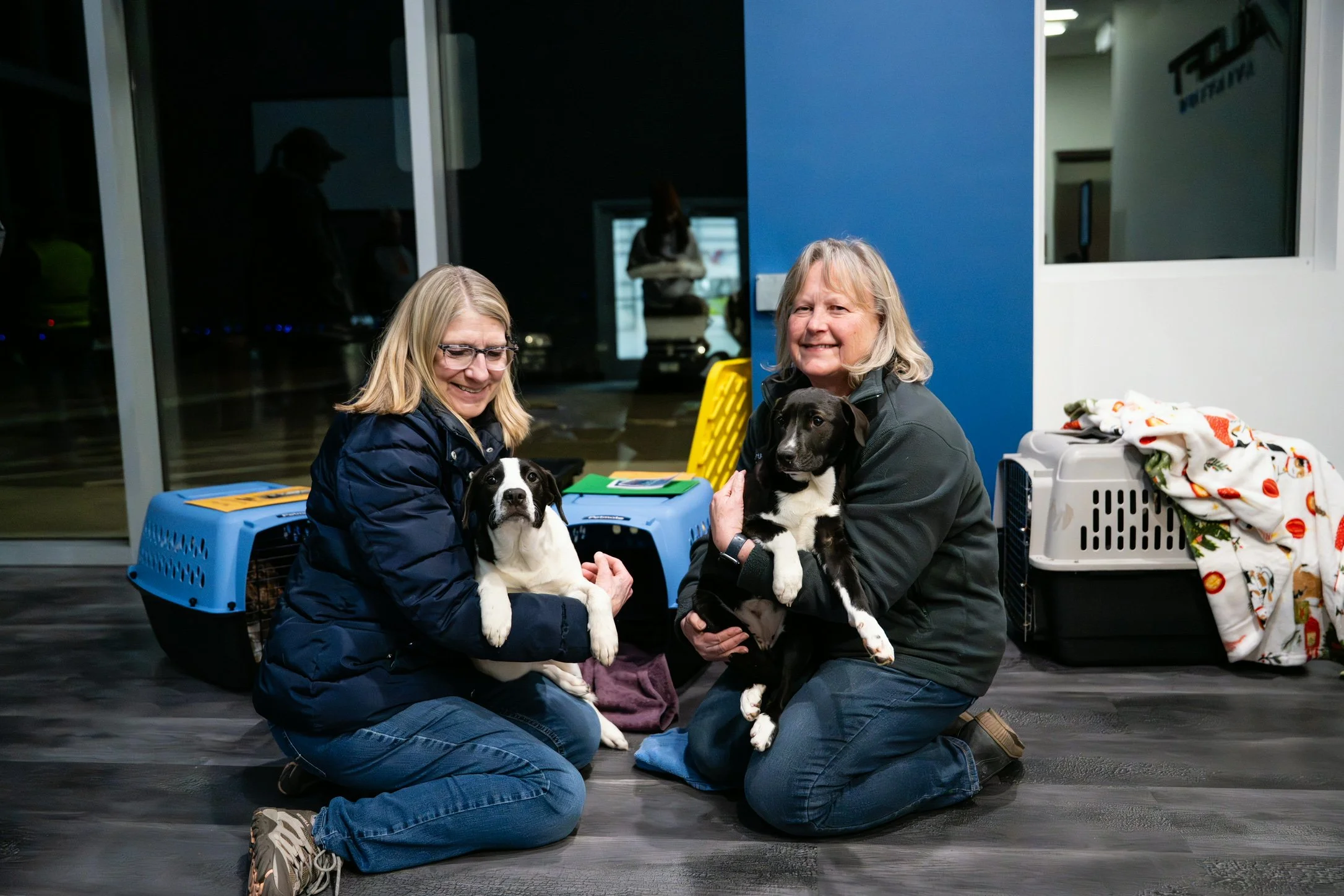
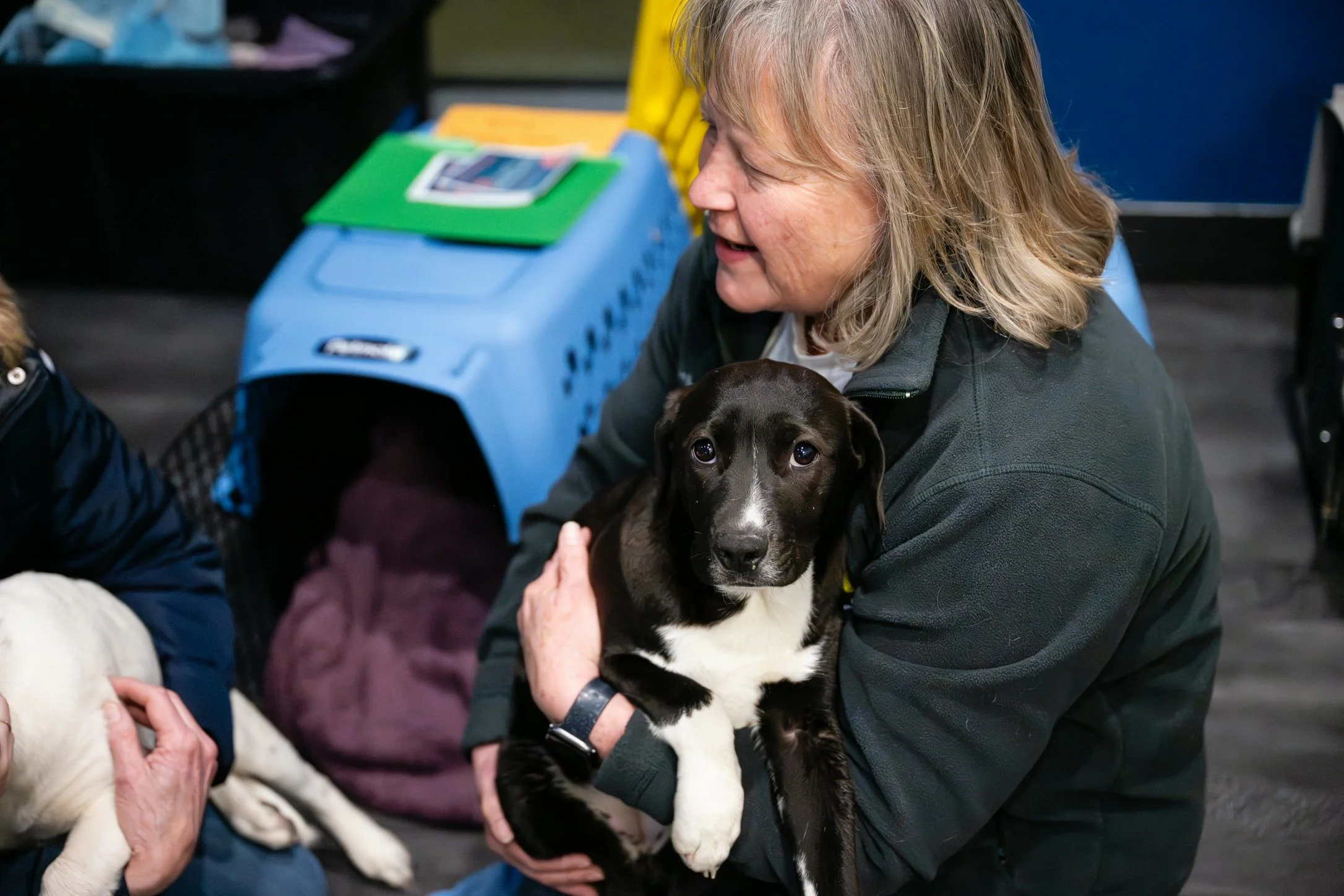
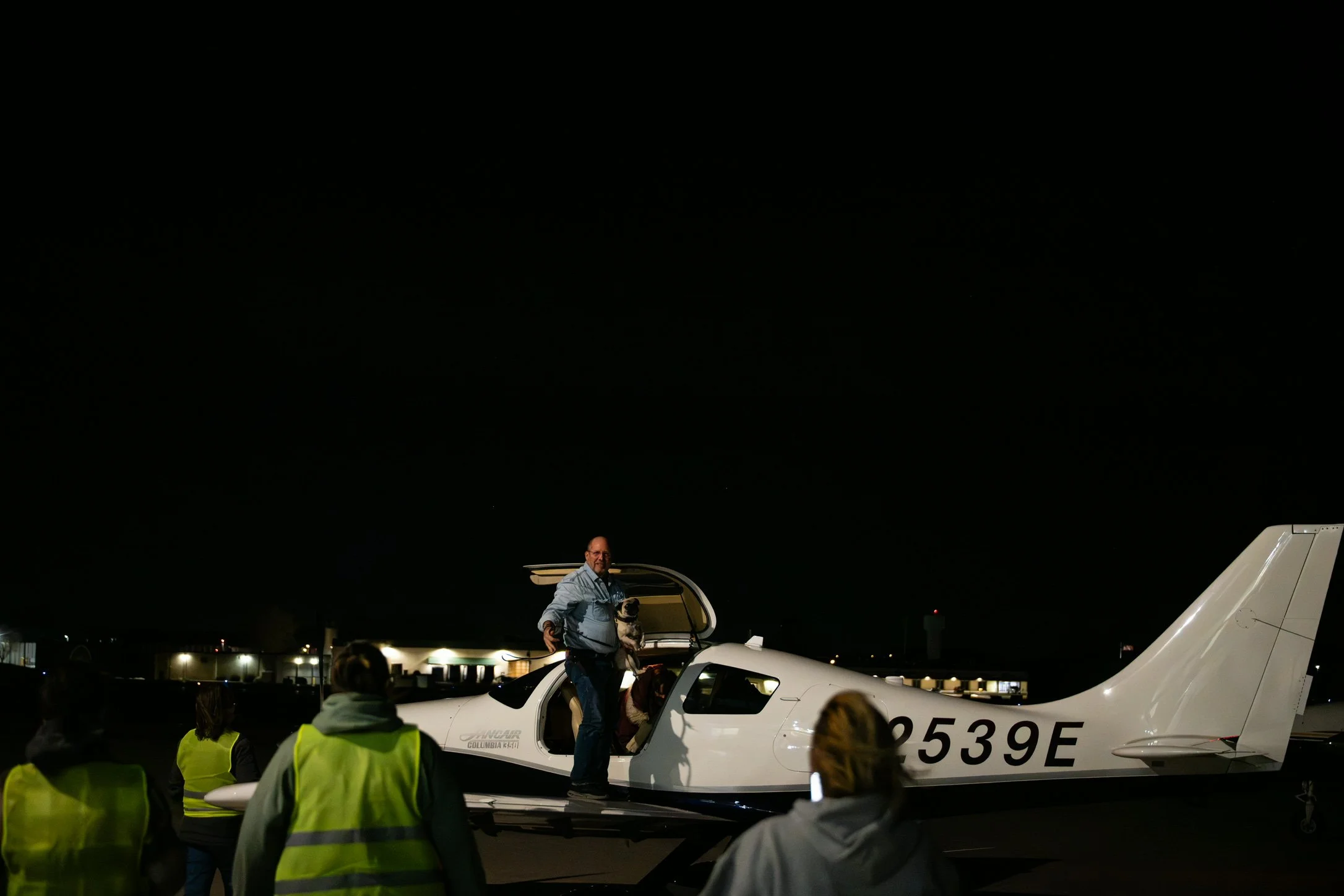
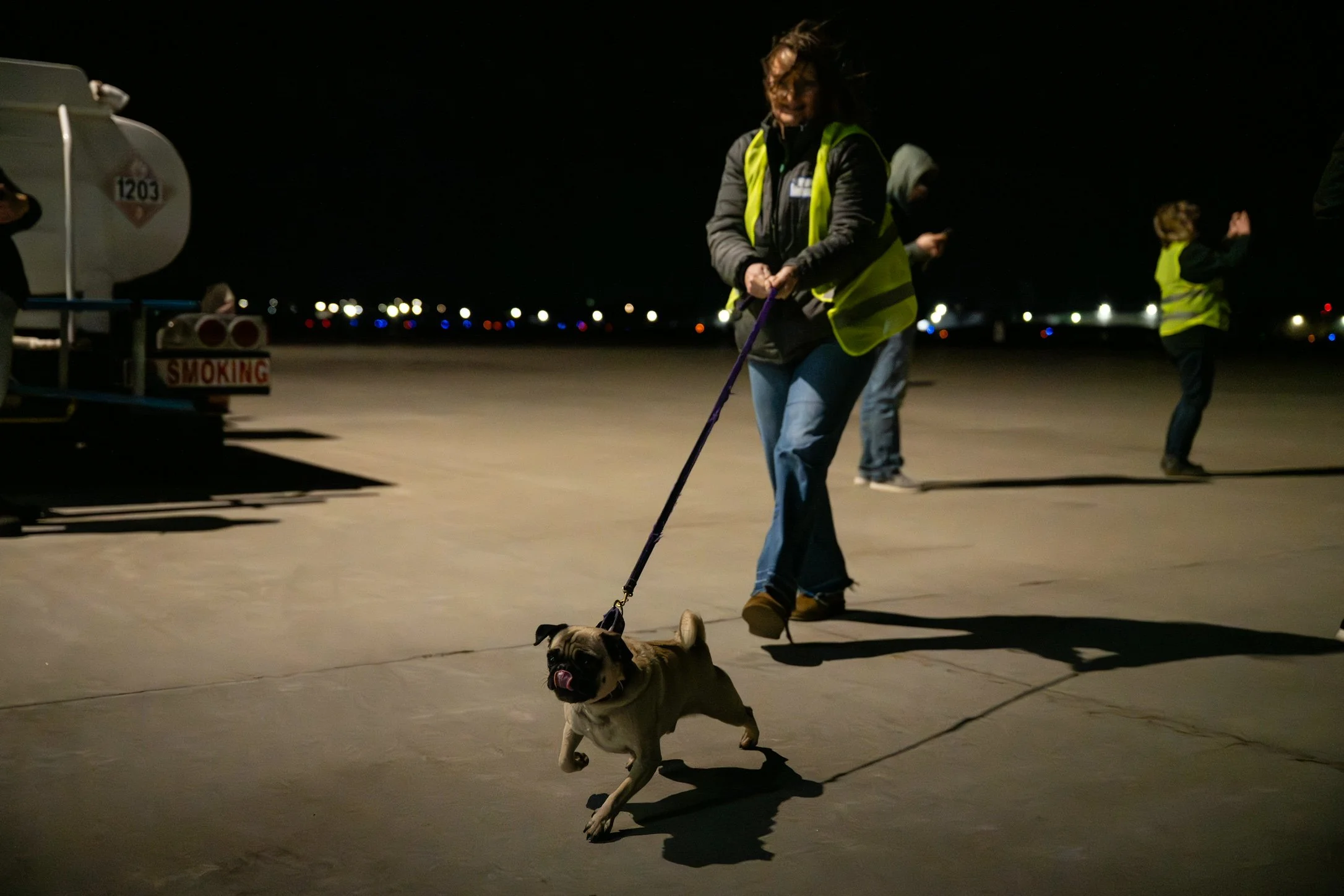
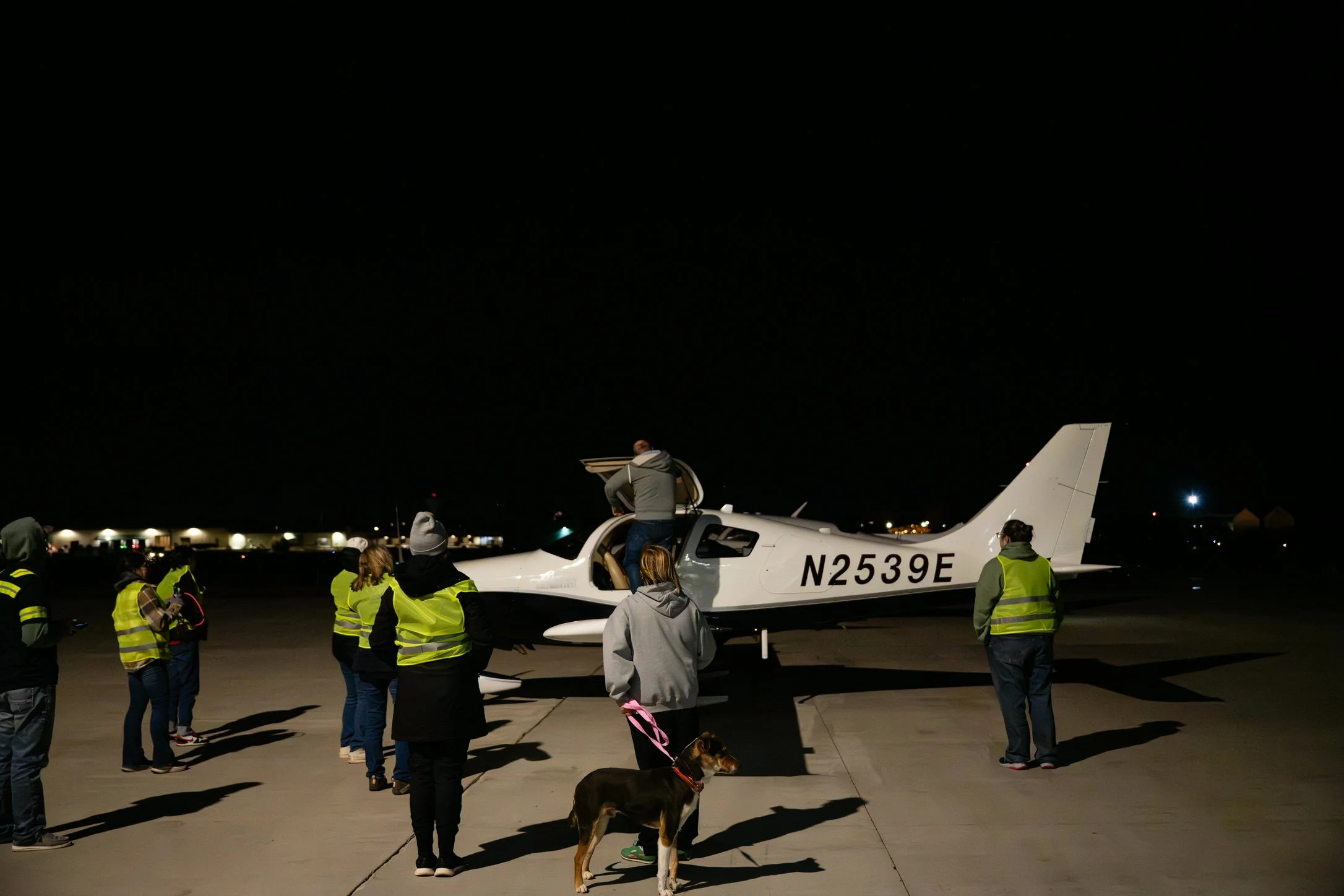
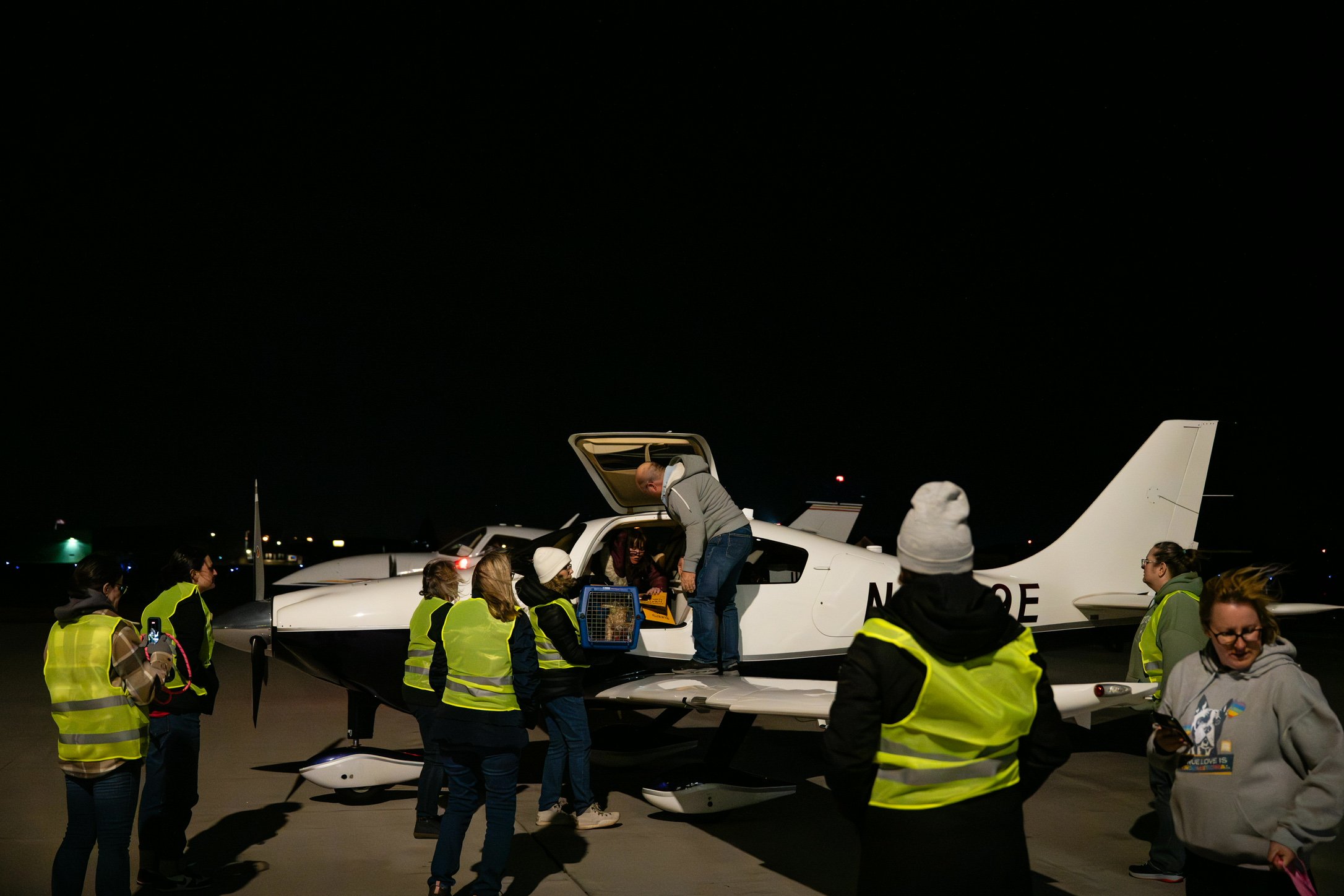
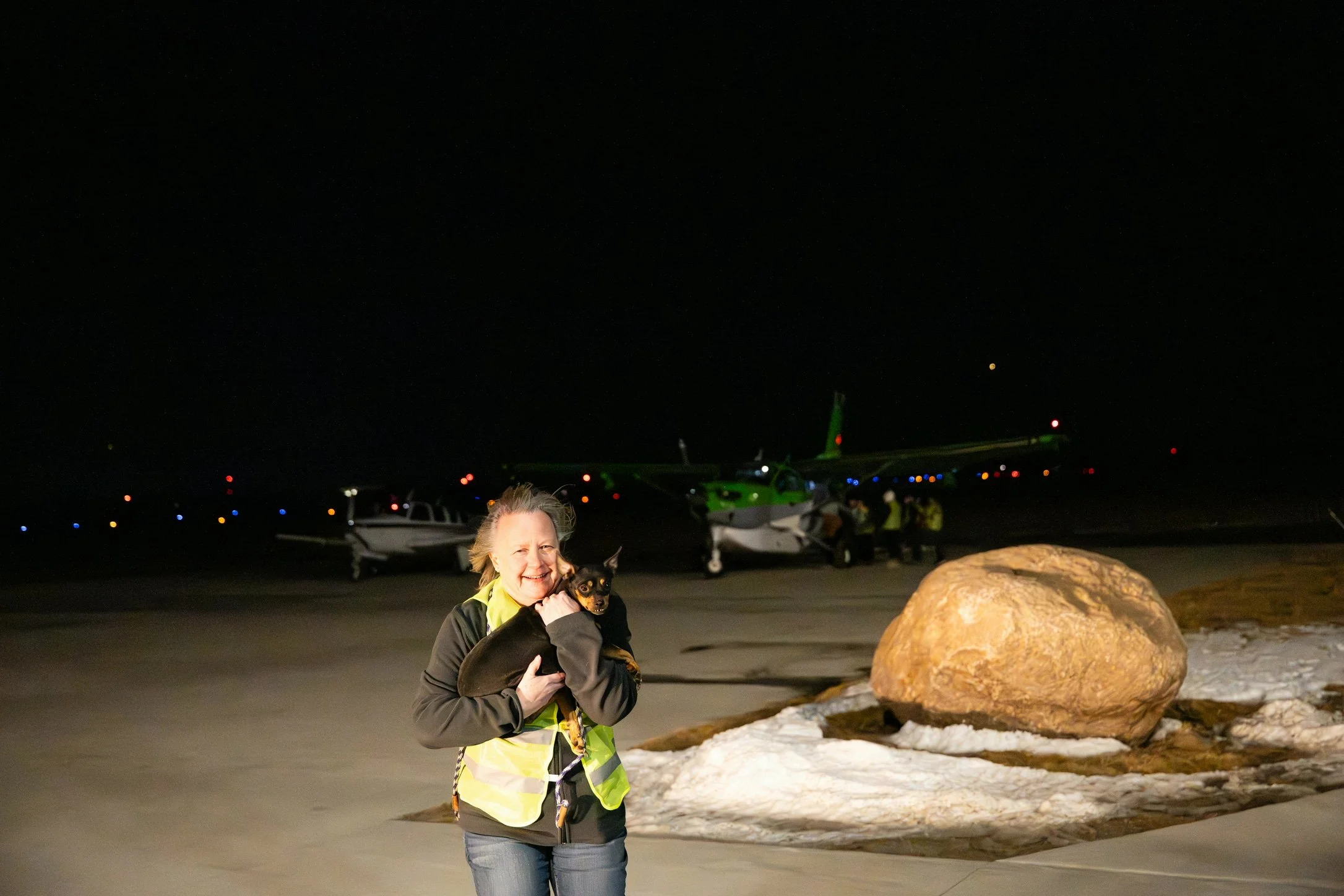
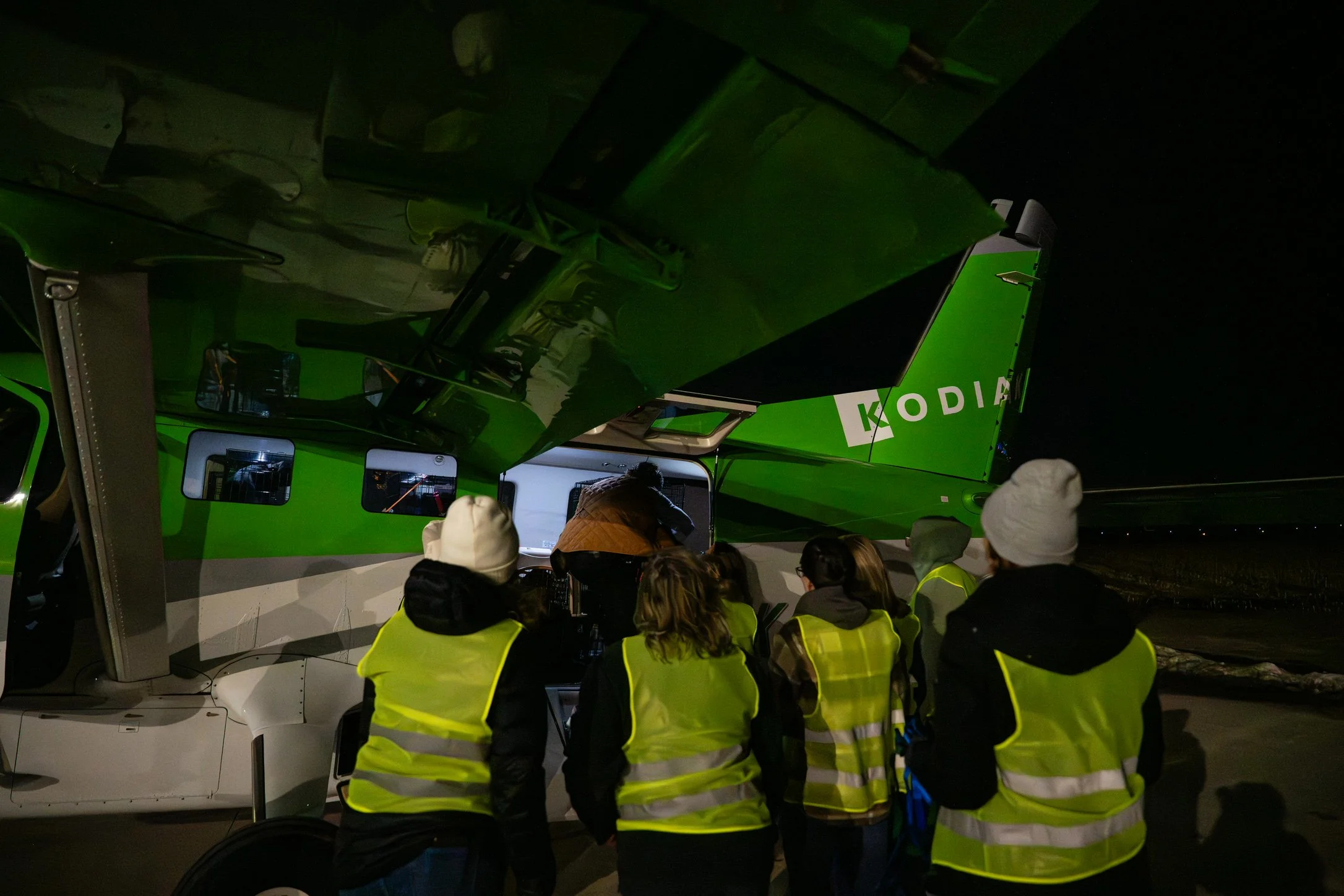
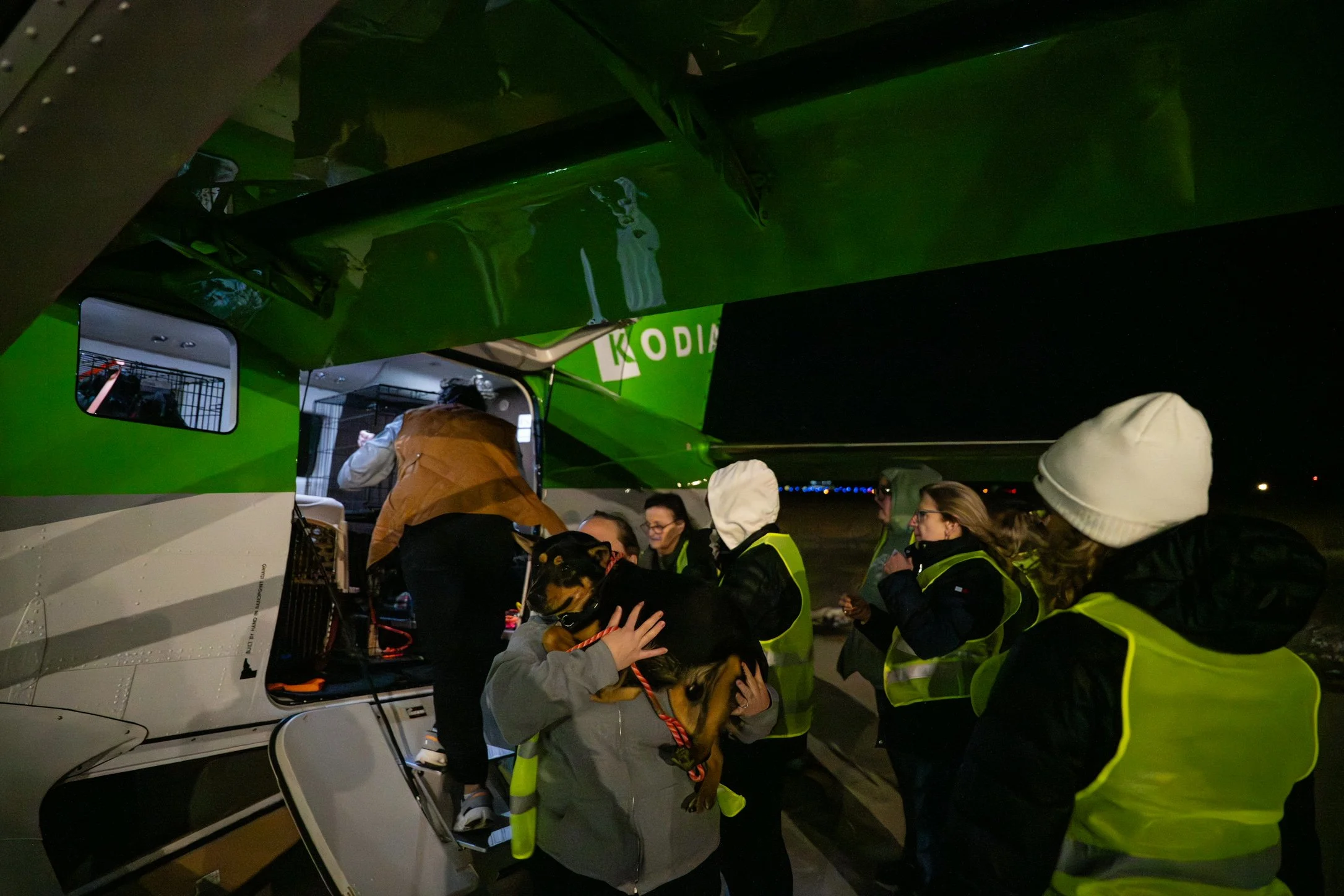
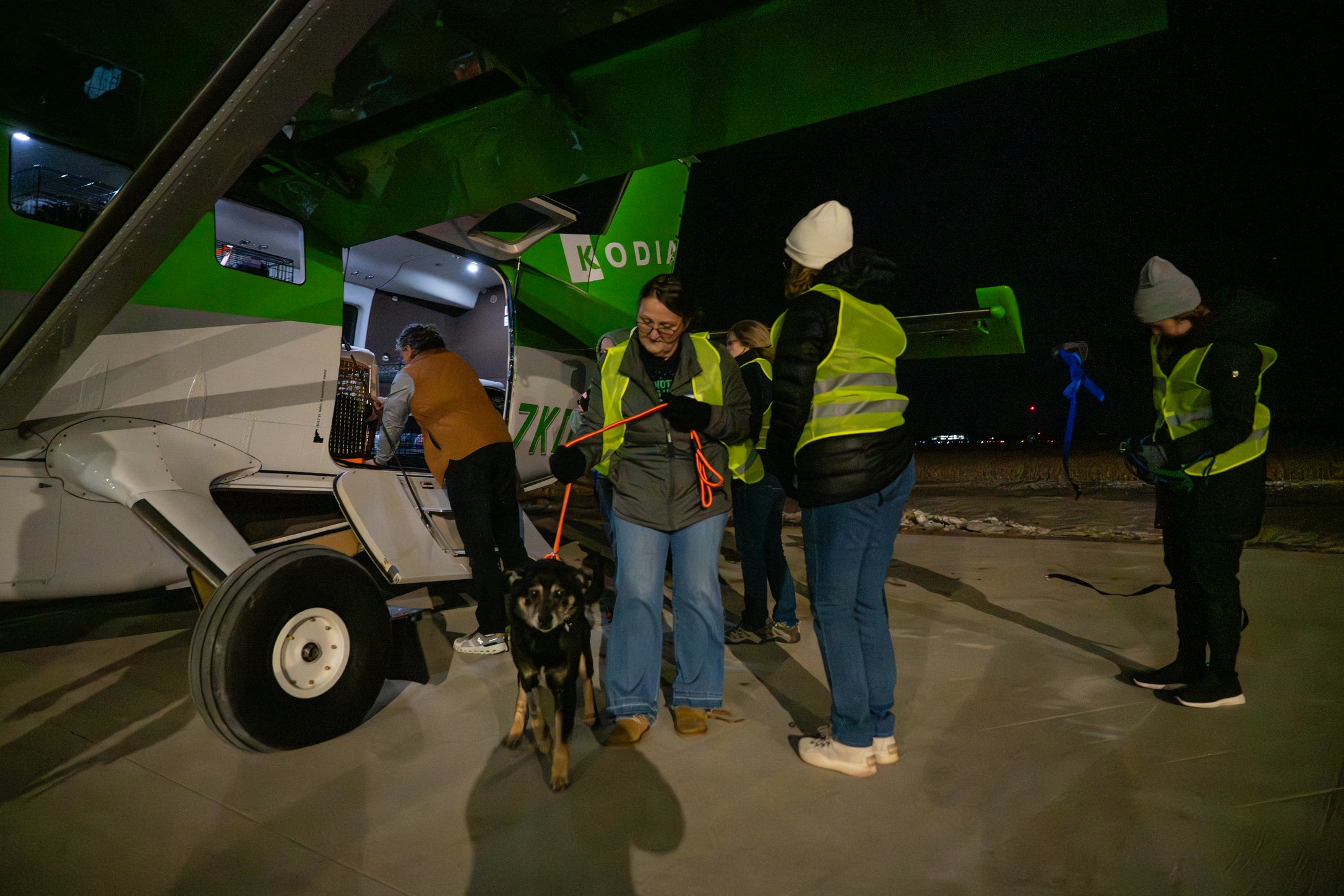
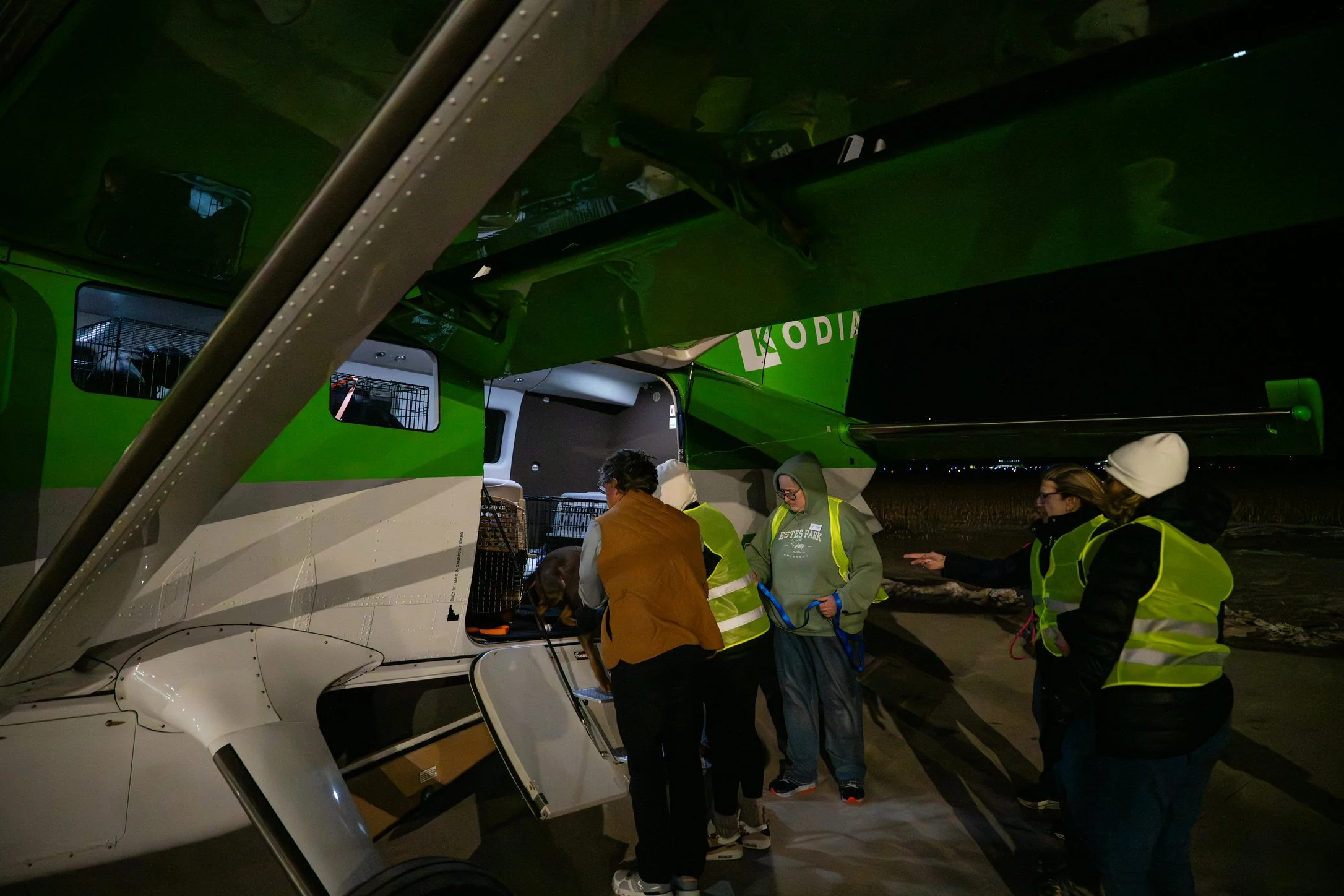
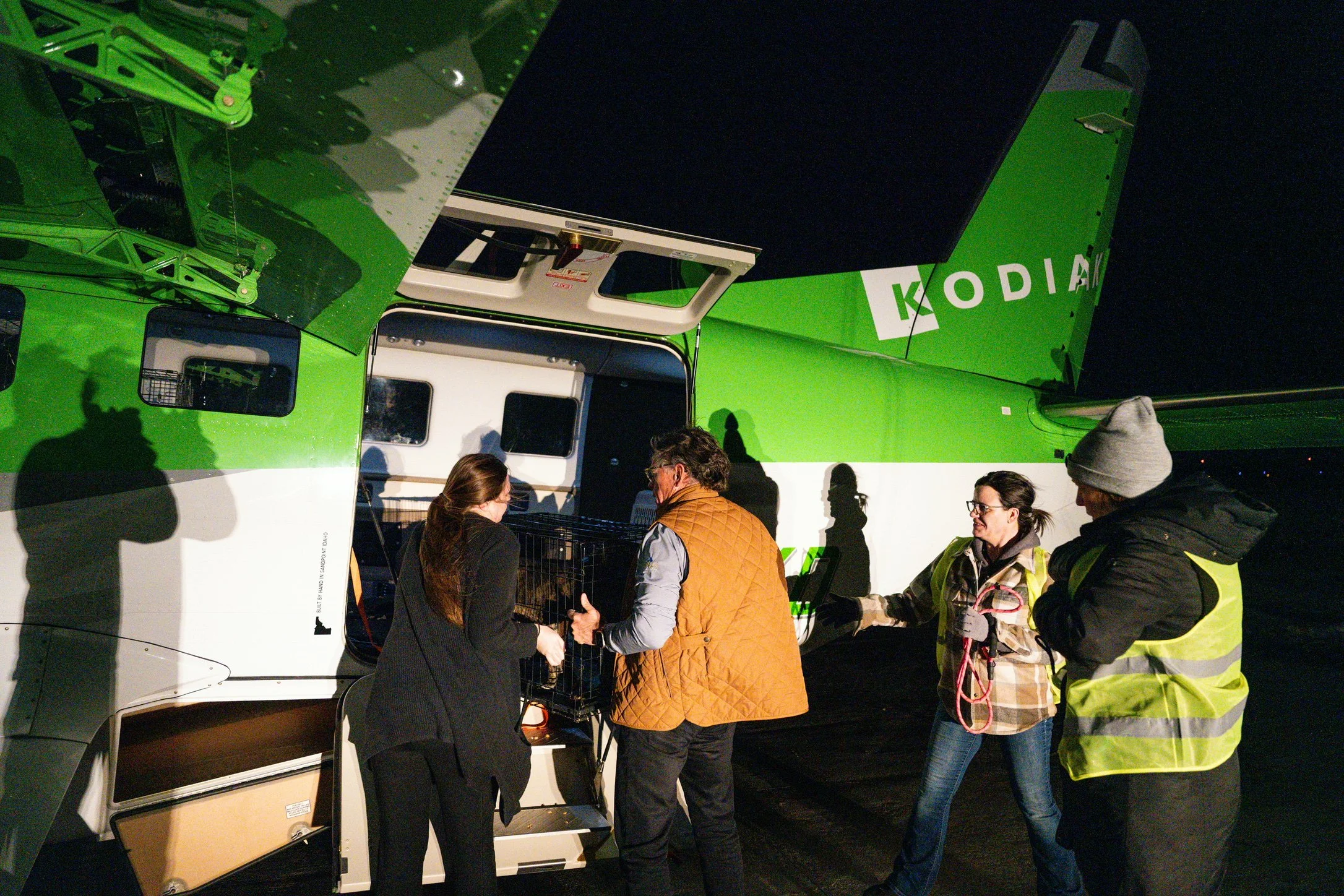
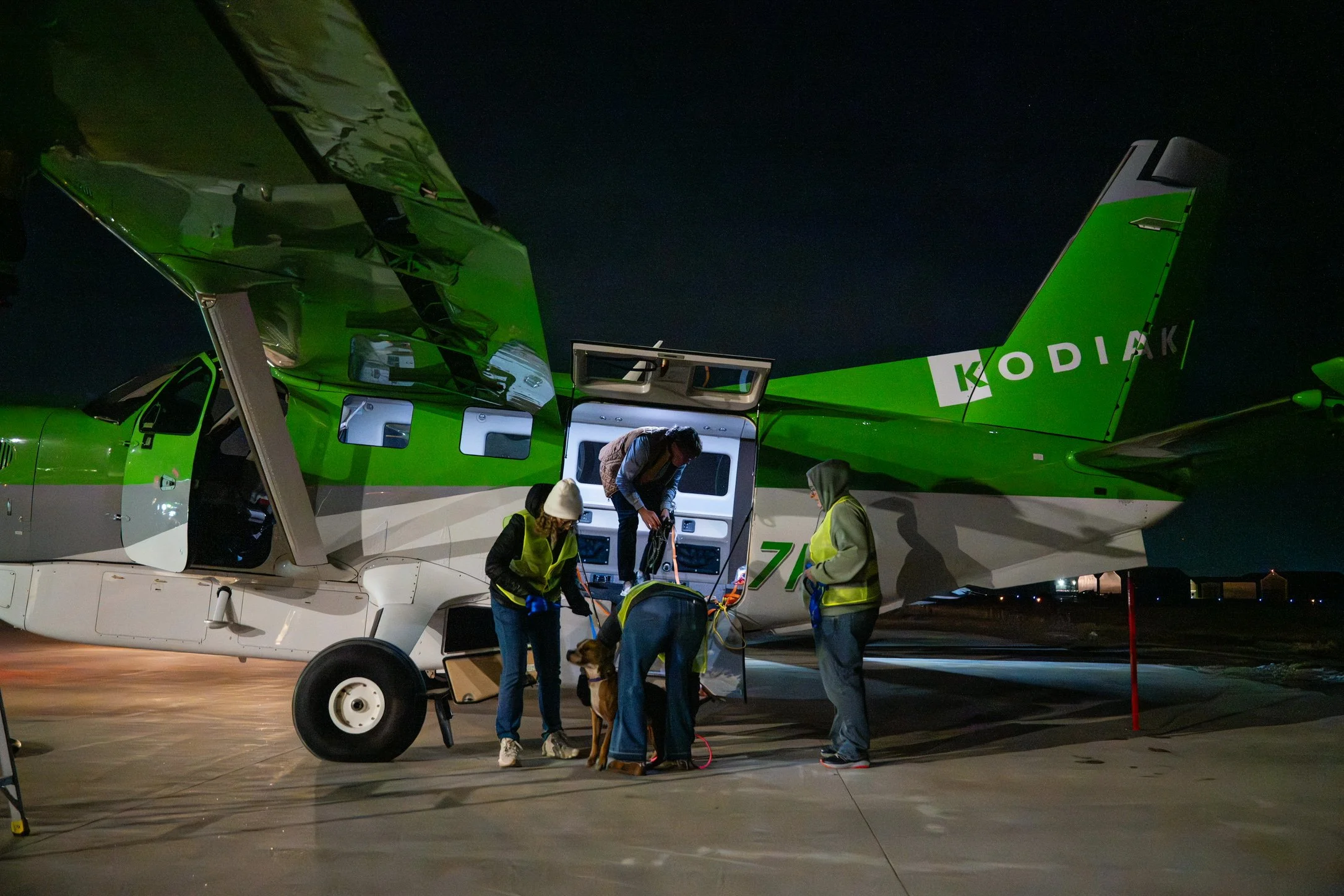
LAKEVILLE, MINNESOTA: What was supposed to be a relaxed, two-day volunteer flyaway turned into an eight-hour, high-pressure race against incoming weather, but in the end, 101 dogs are alive today because of it. Friday, volunteers with Pilots N Paws carried out what organizers are calling the “Pups N Props” FlyAway Rescue Mission, an extraordinary effort that ultimately saved 101 dogs from euthanasia in the St. Louis, Missouri area. The Airlake Airport in Lakeville, Minnesota, became the center of this extraordinary, last-minute rescue effort on Friday night, February 27, 2026. Pilots N Paws is a 501(c)(3) nonprofit organization that connects pilots, rescue groups, and volunteers to transport animals to safety.
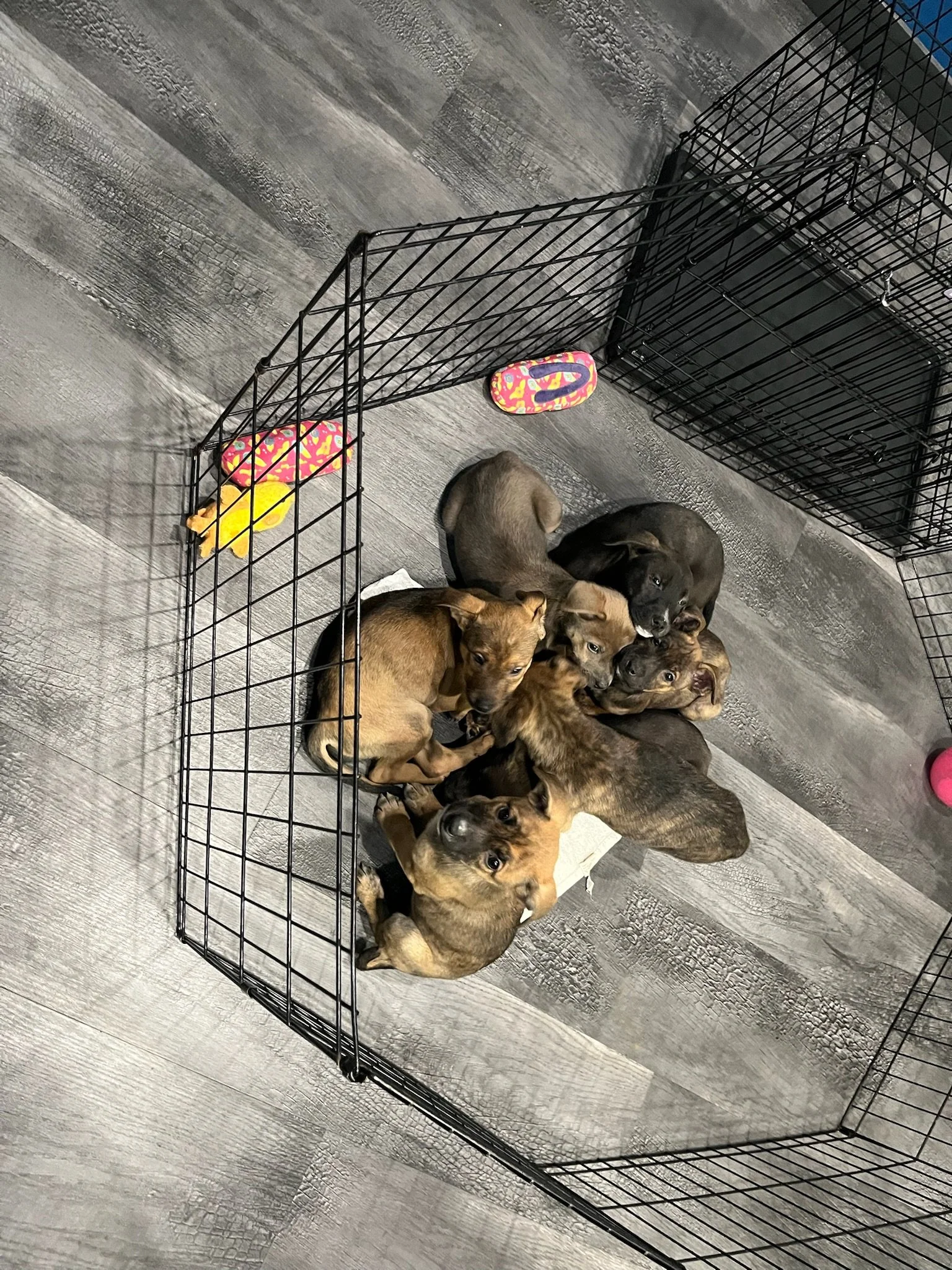
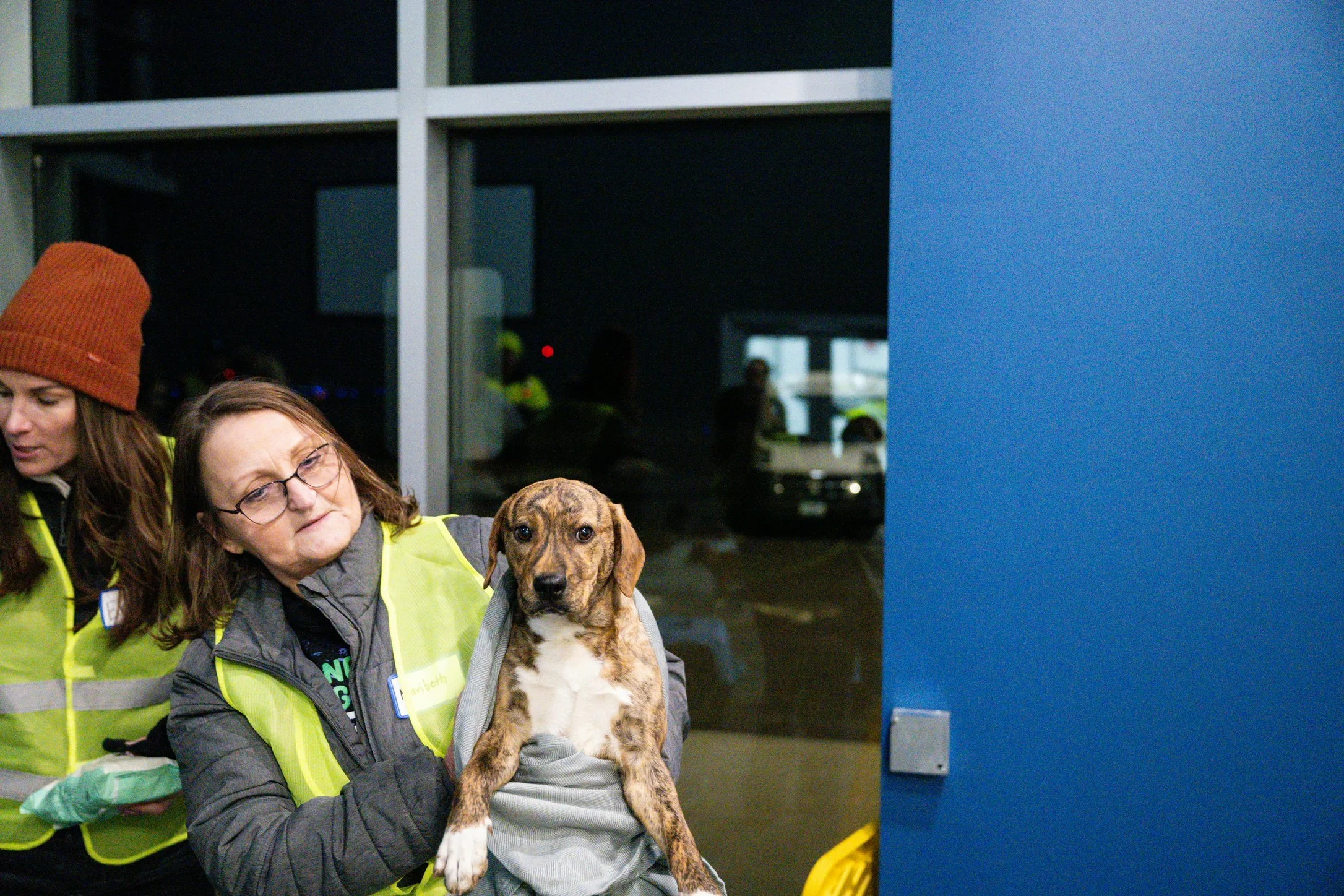
While 71 of those dogs were flown to Minnesota by air, the remaining dogs will be transported by ground this week. Organizers emphasized: not one of the 101 dogs will be euthanized.
From Two-Day Flyaway to Eight-Hour “Turn and Burn”
The original plan was ambitious but carefully structured. Forty-five volunteer pilots were scheduled to depart from the Minneapolis area Saturday afternoon, fly to St. Louis, stay overnight, enjoy dinner together, load their canine passengers Sunday morning, and return to Minnesota Sunday afternoon, where rescues would be waiting.
But the weather had other plans.
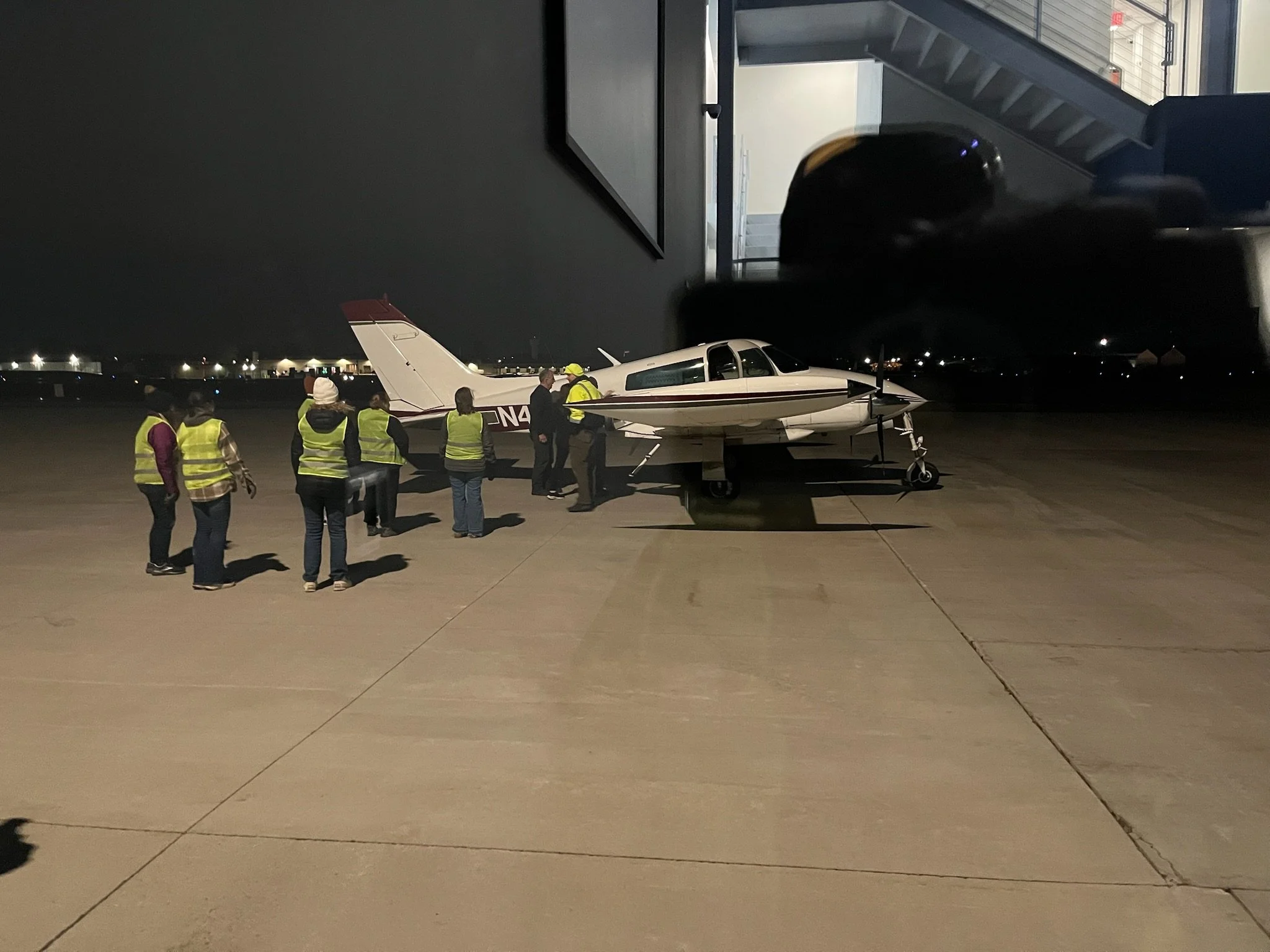
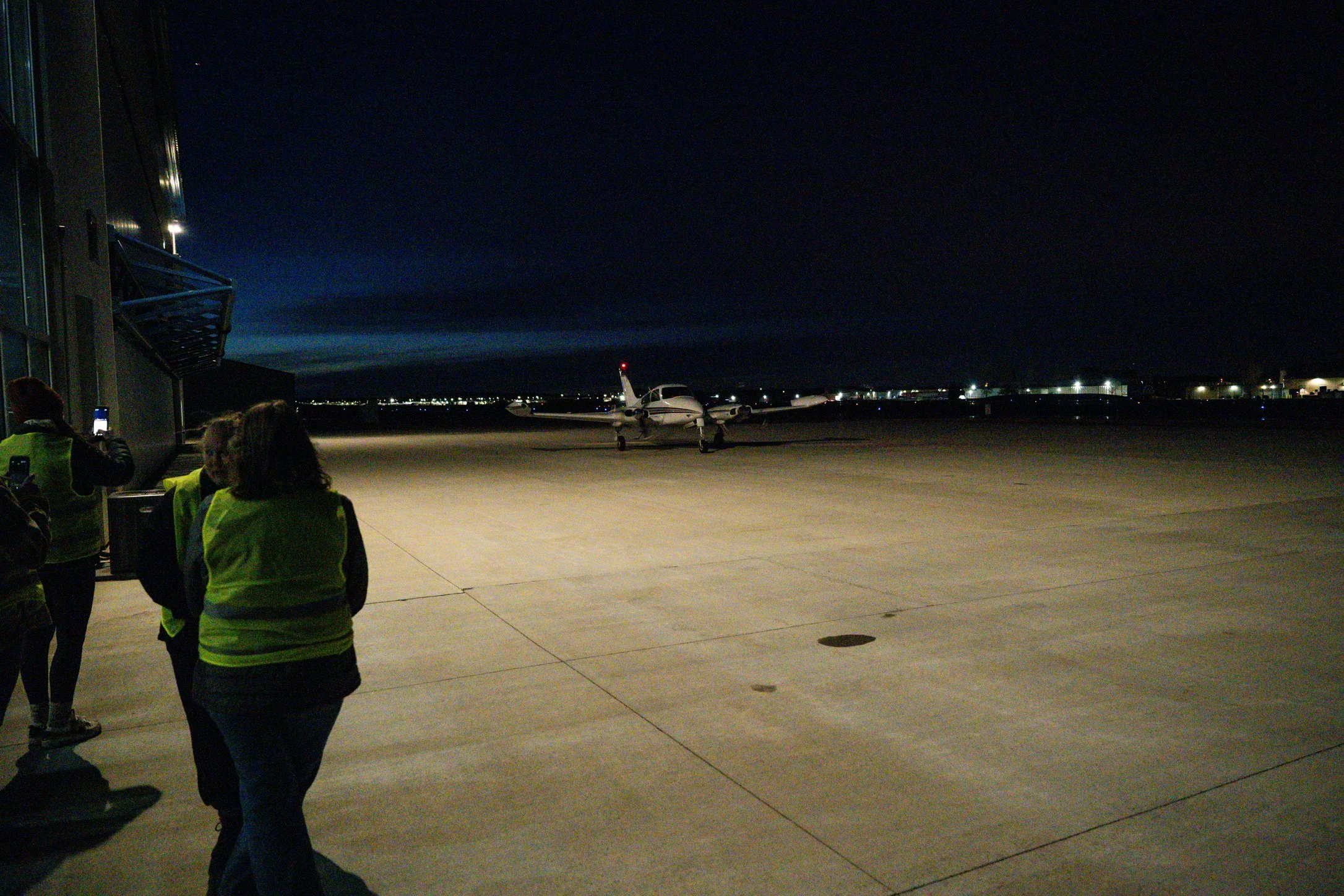
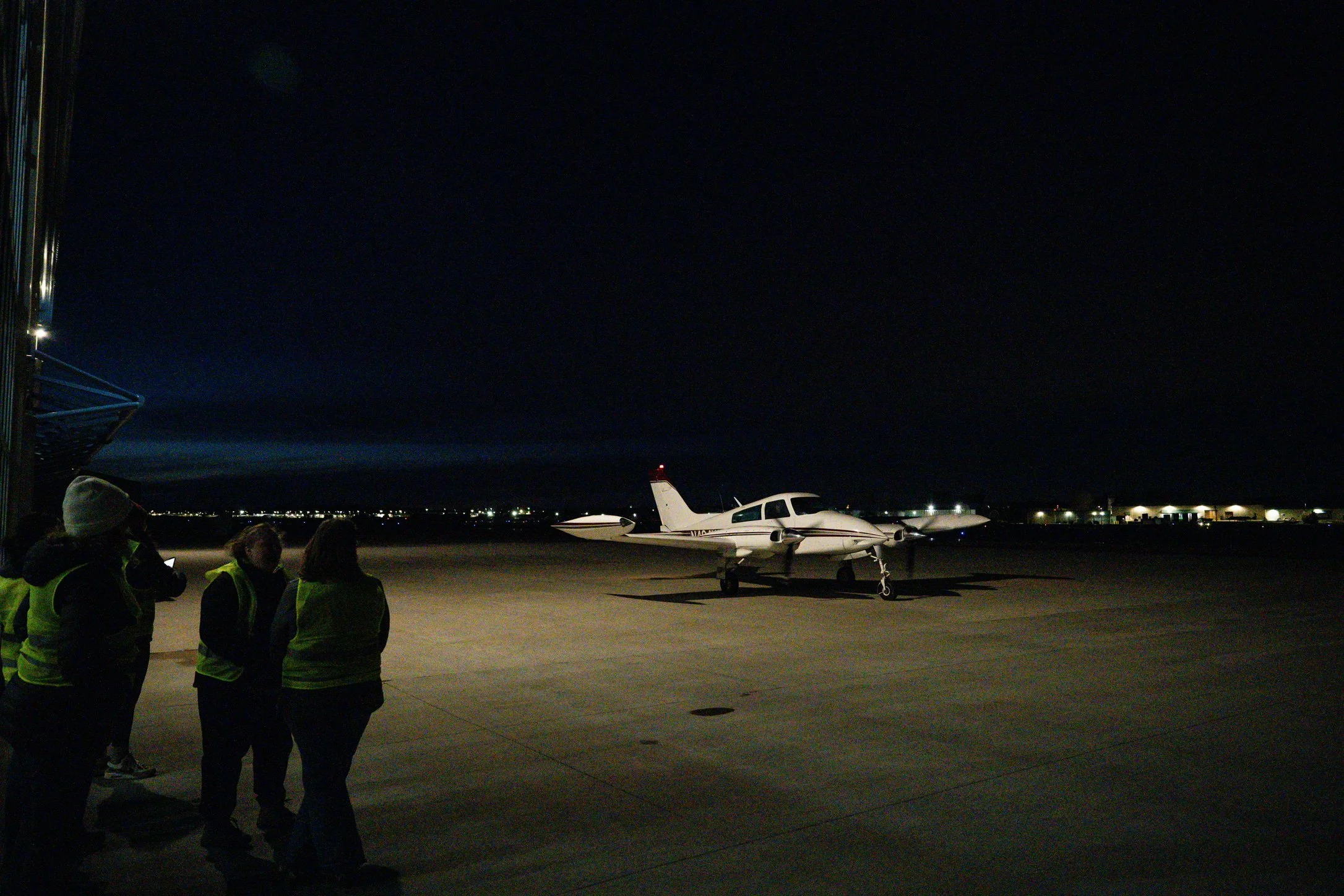
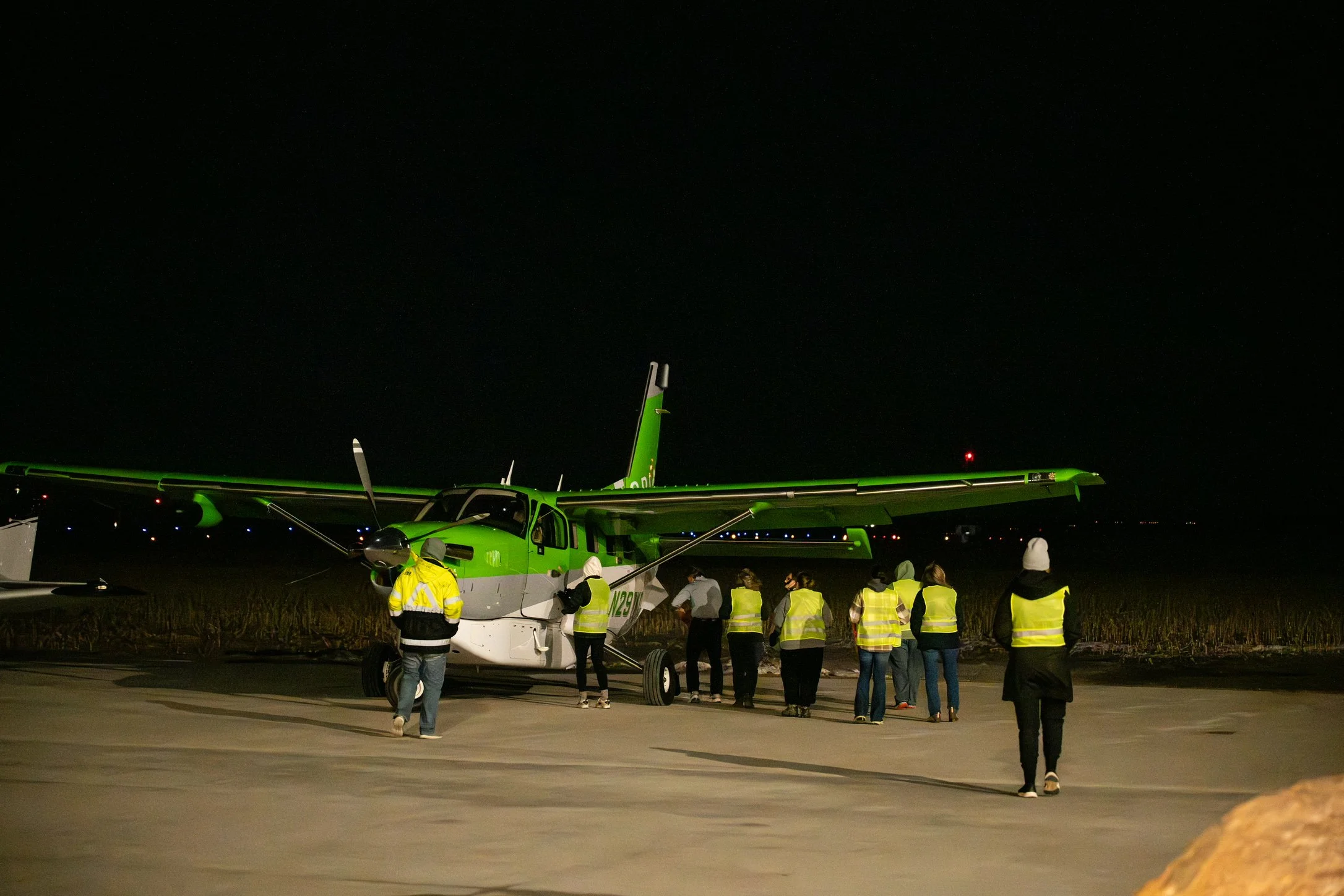
A system moving into the Midwest threatened to cancel the entire mission. Suddenly, organizers realized they had only an eight-hour window on Friday to fly to Missouri and back before conditions deteriorated. The two-day FlyAway event instantly became what pilots call a “turn and burn,” fly out, load up, and return immediately.
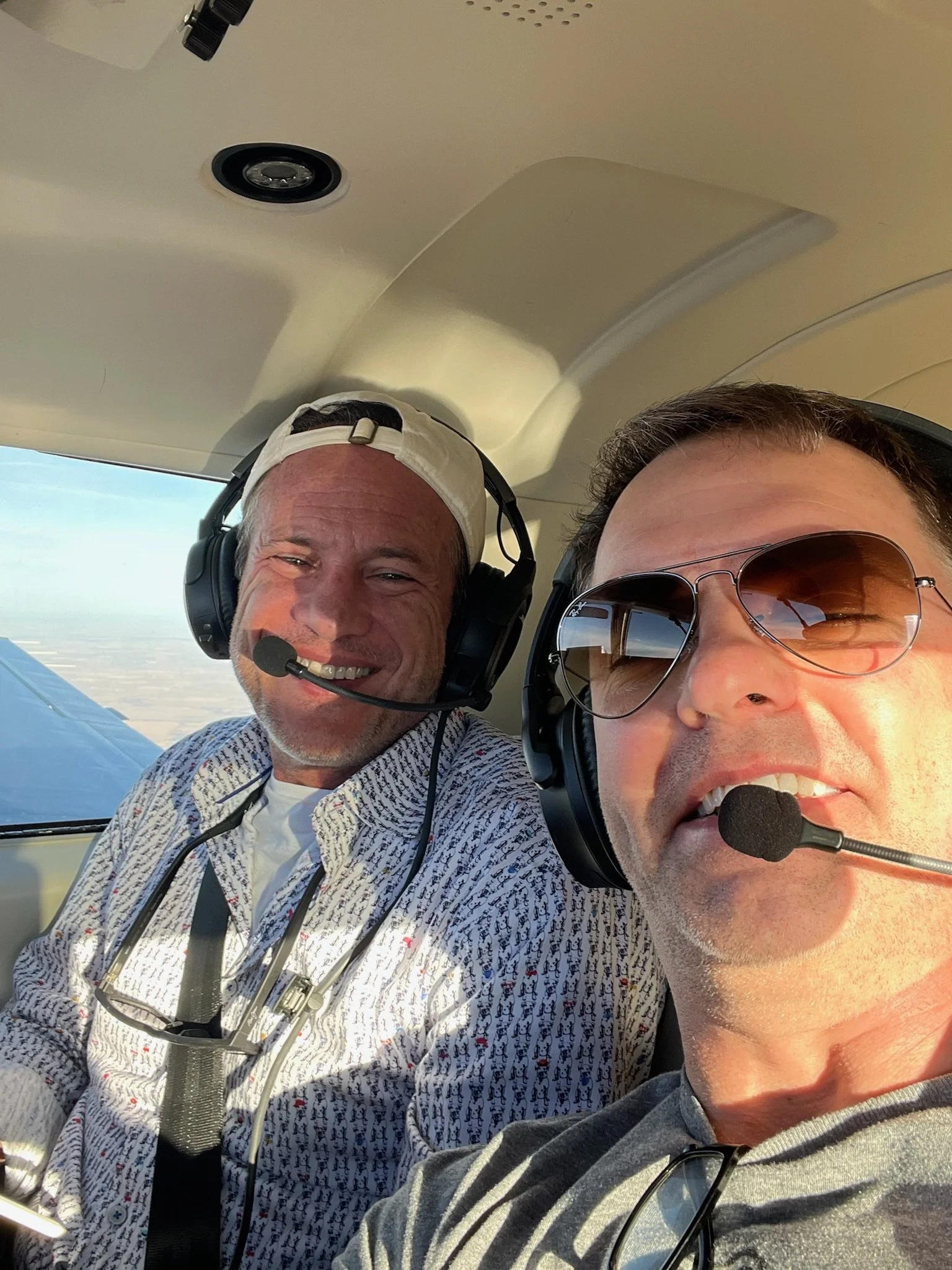
About 15 pilots were forced to drop out of the original 45 due to the worsening forecast, leaving 30 volunteer pilots willing to push forward despite severe turbulence.
Fighting Turbulence, Headwinds, and the Clock
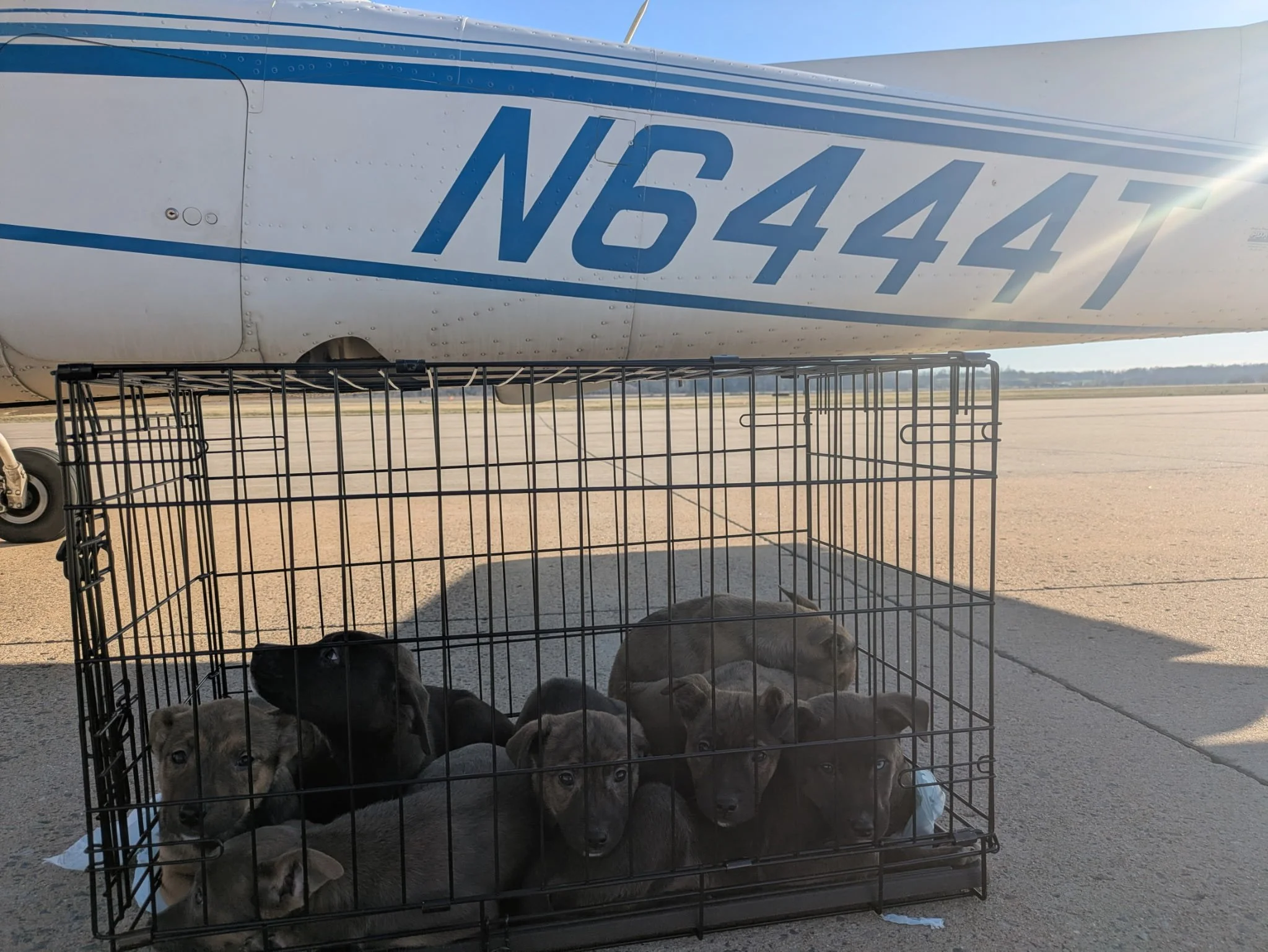
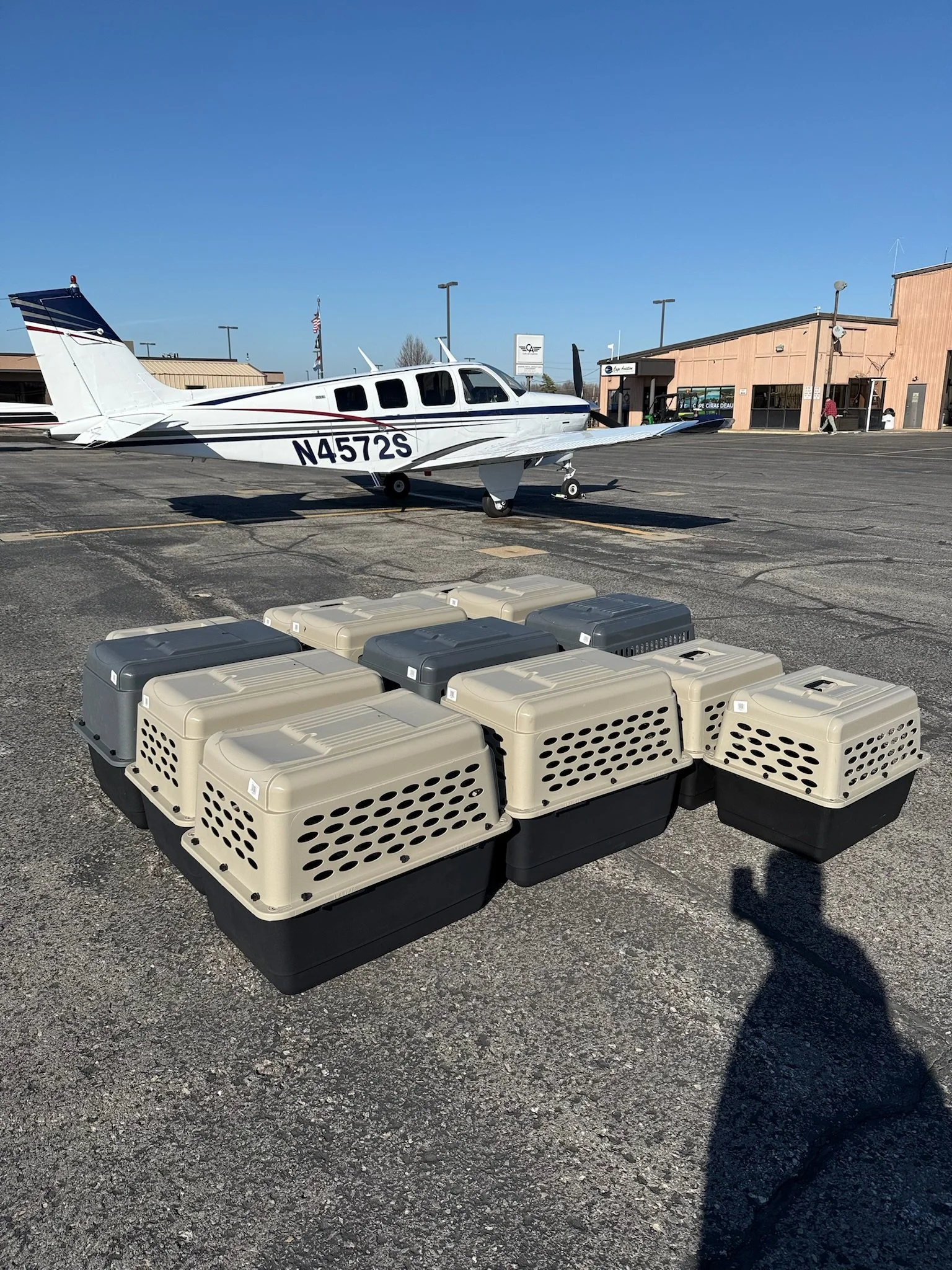
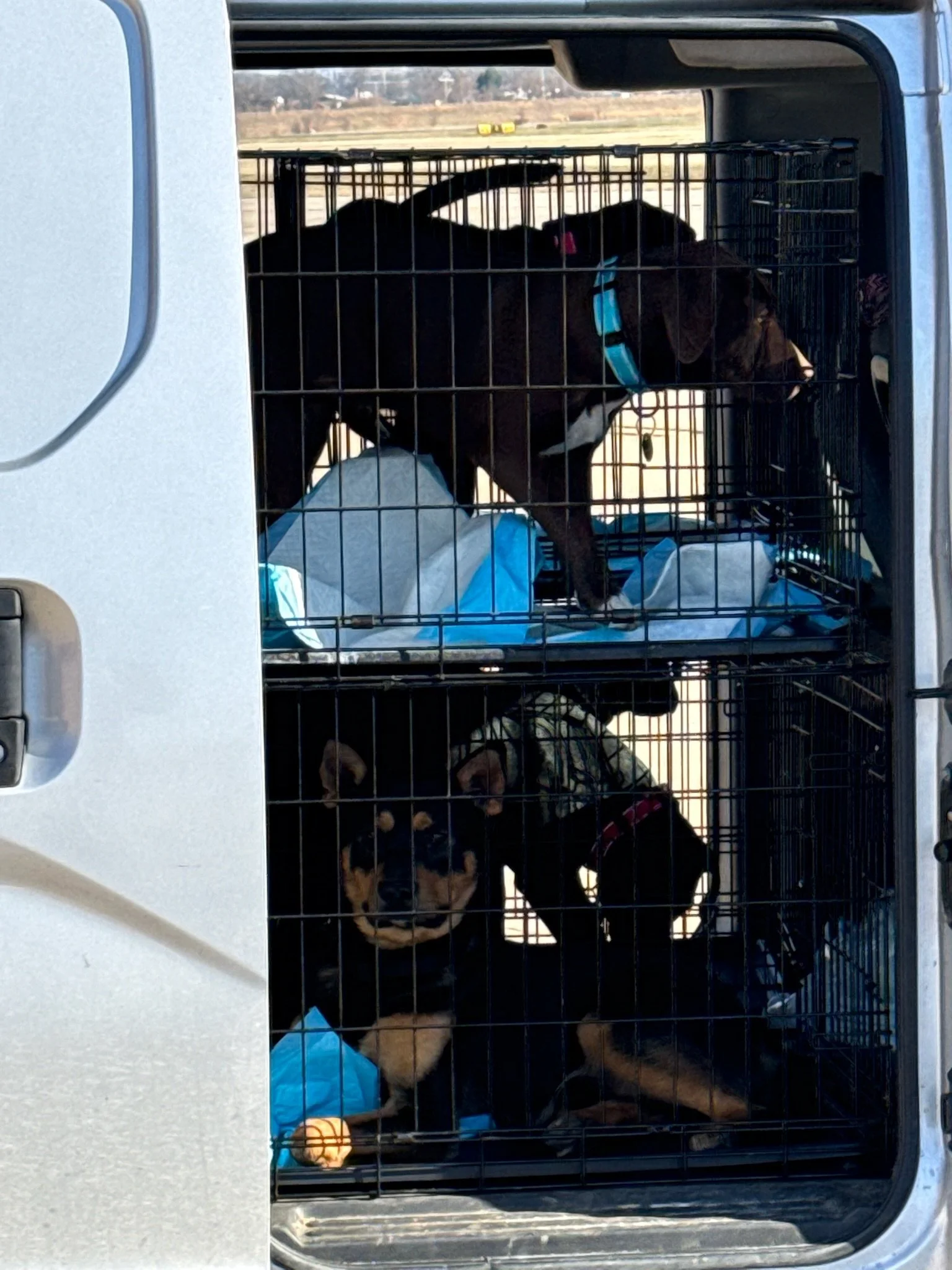
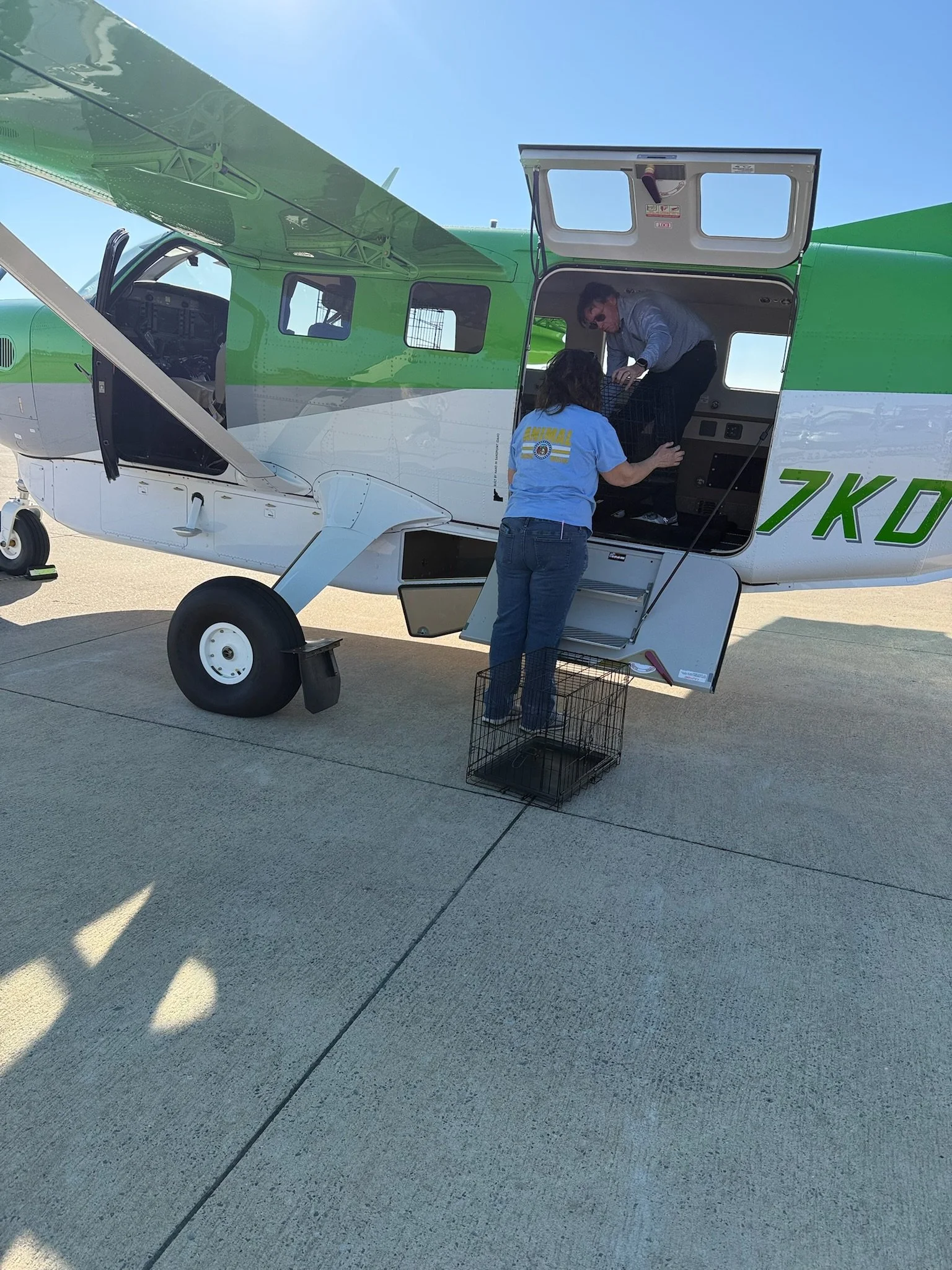
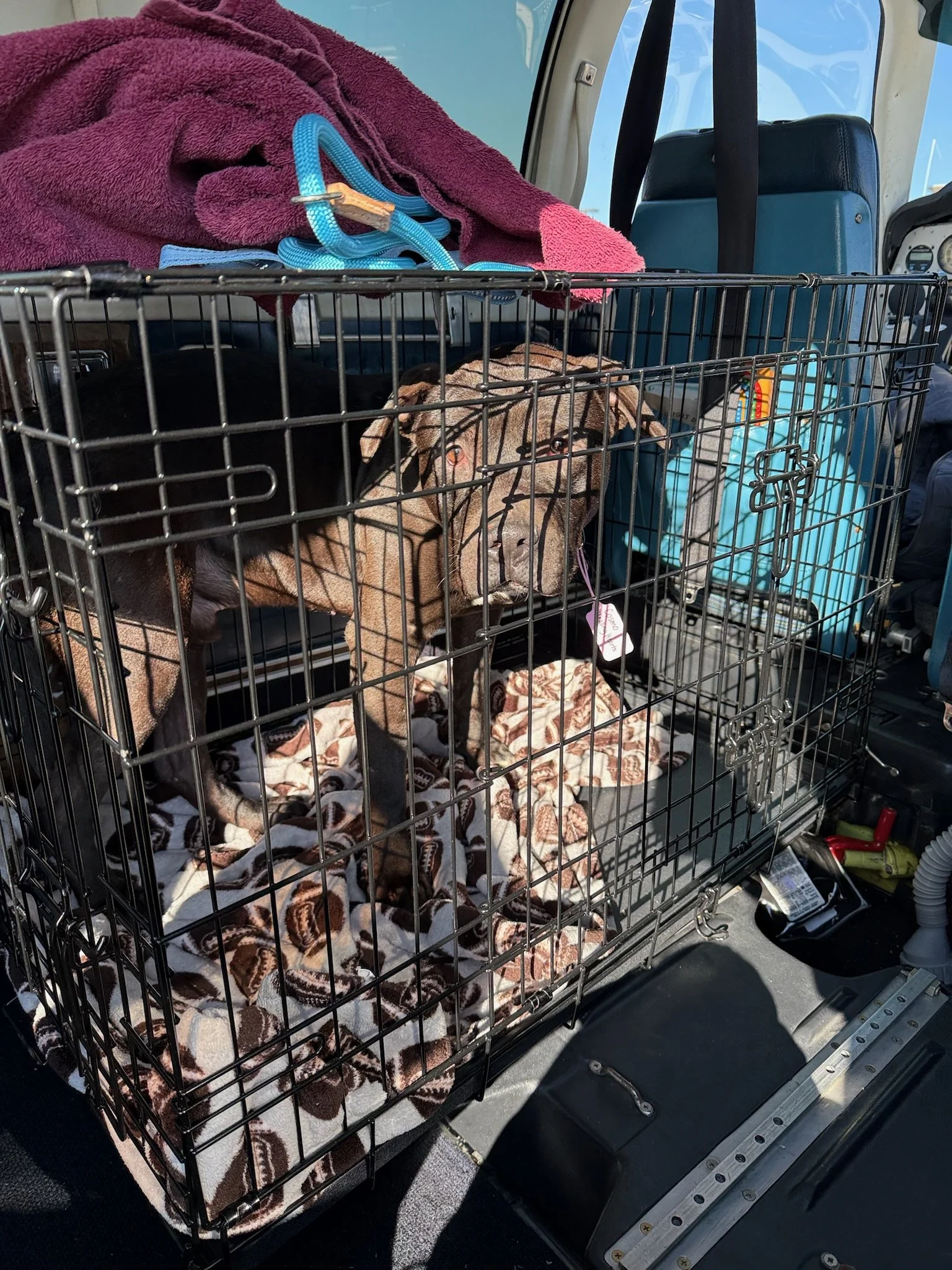
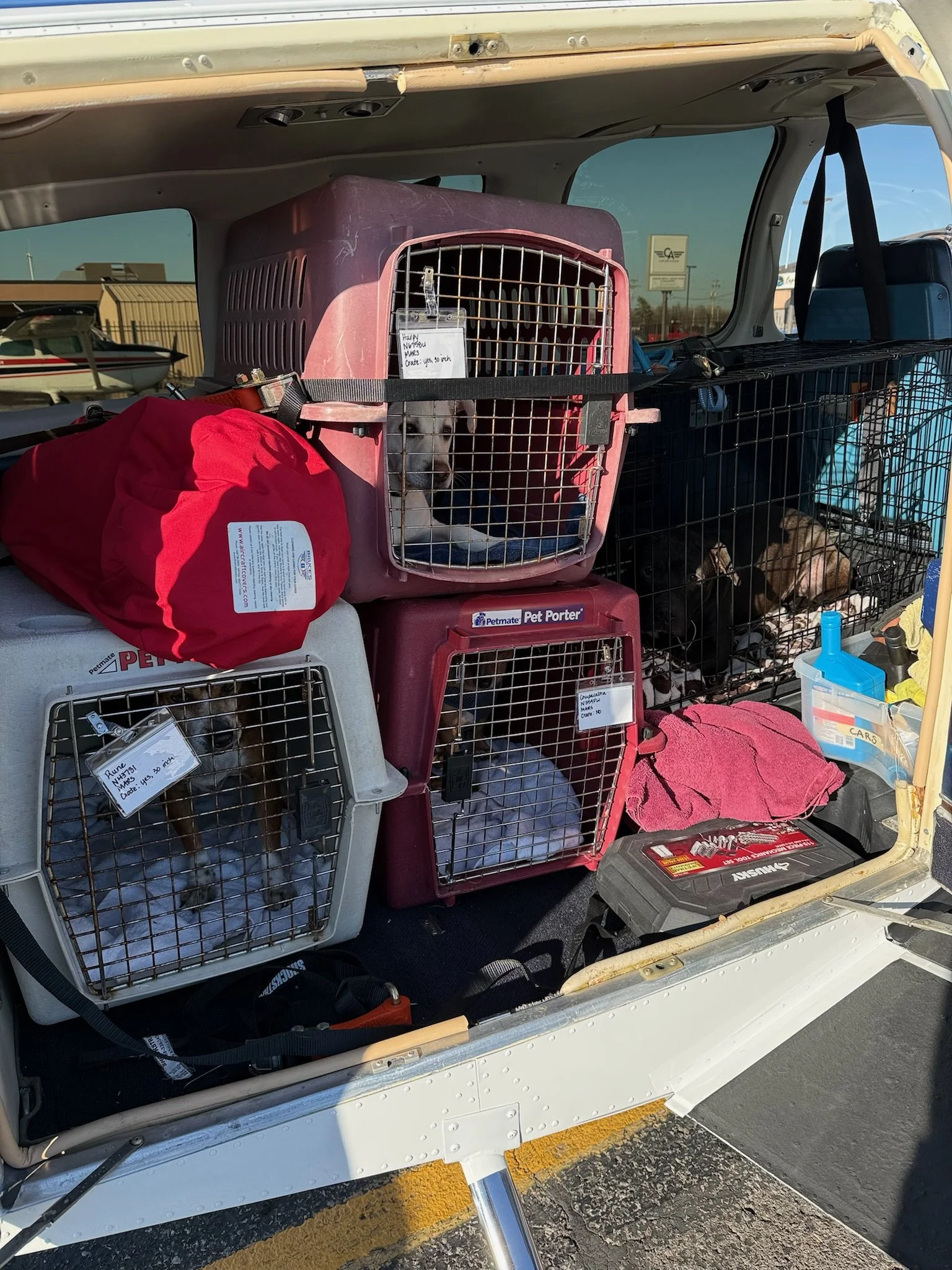
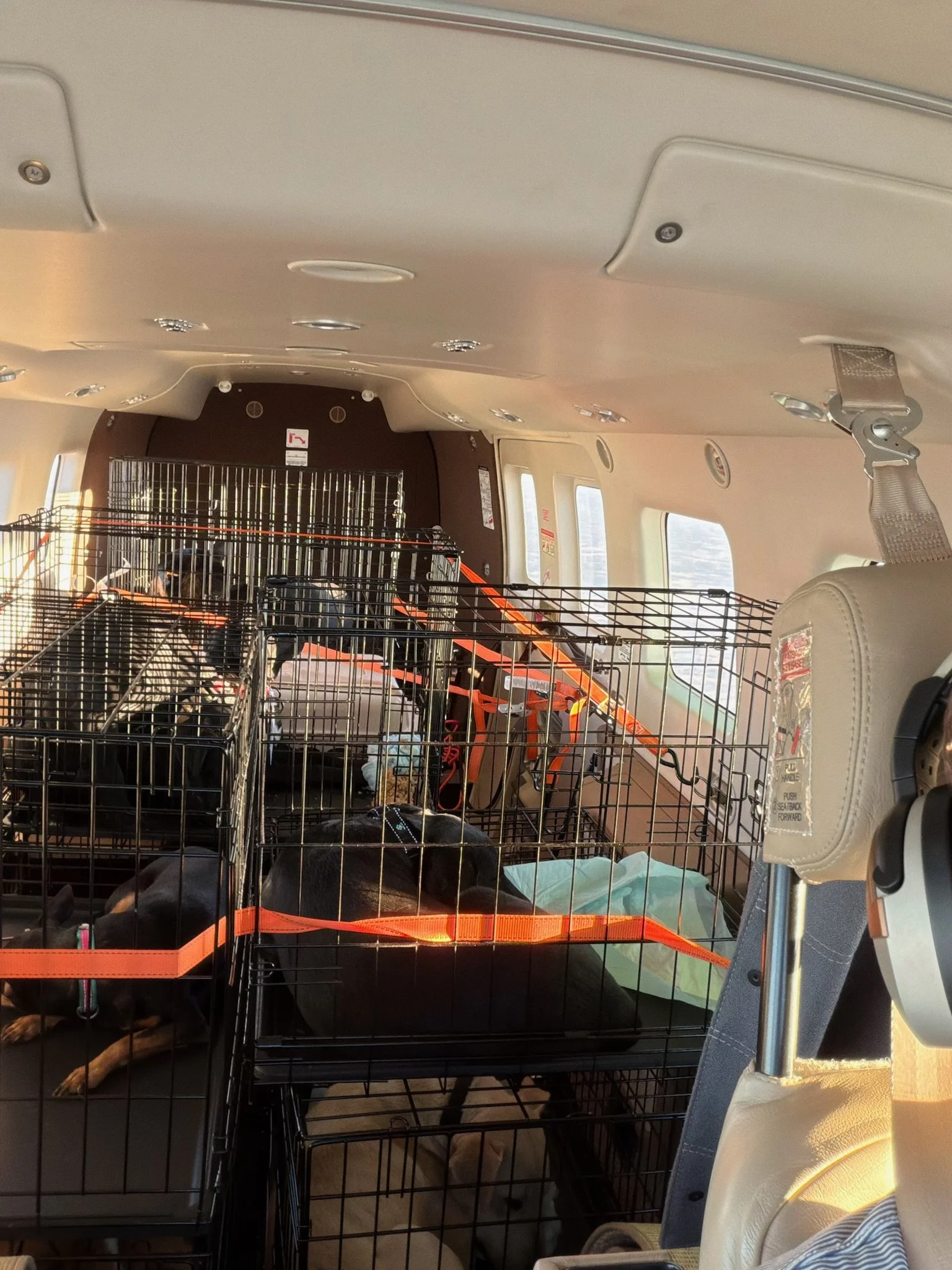
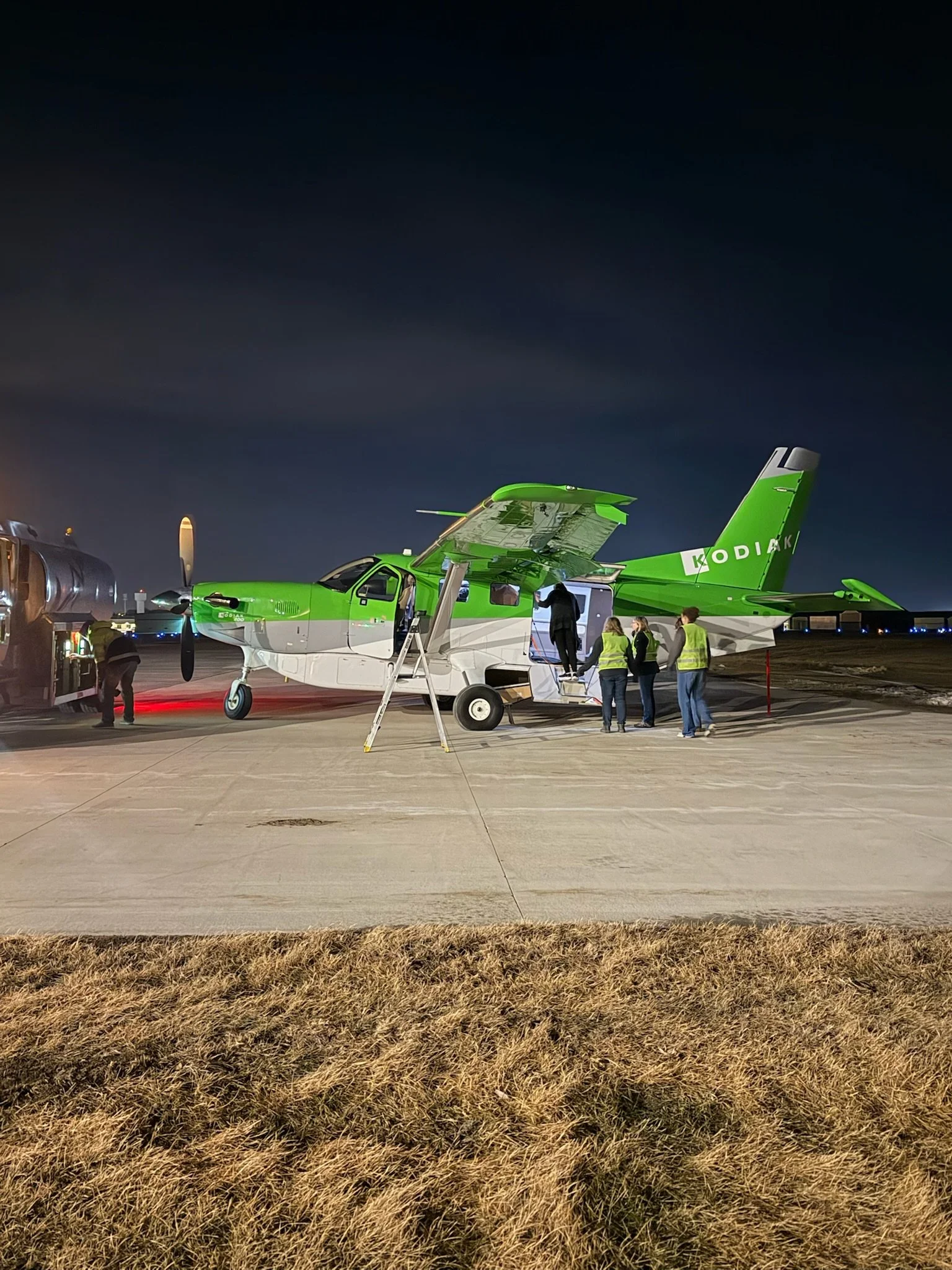
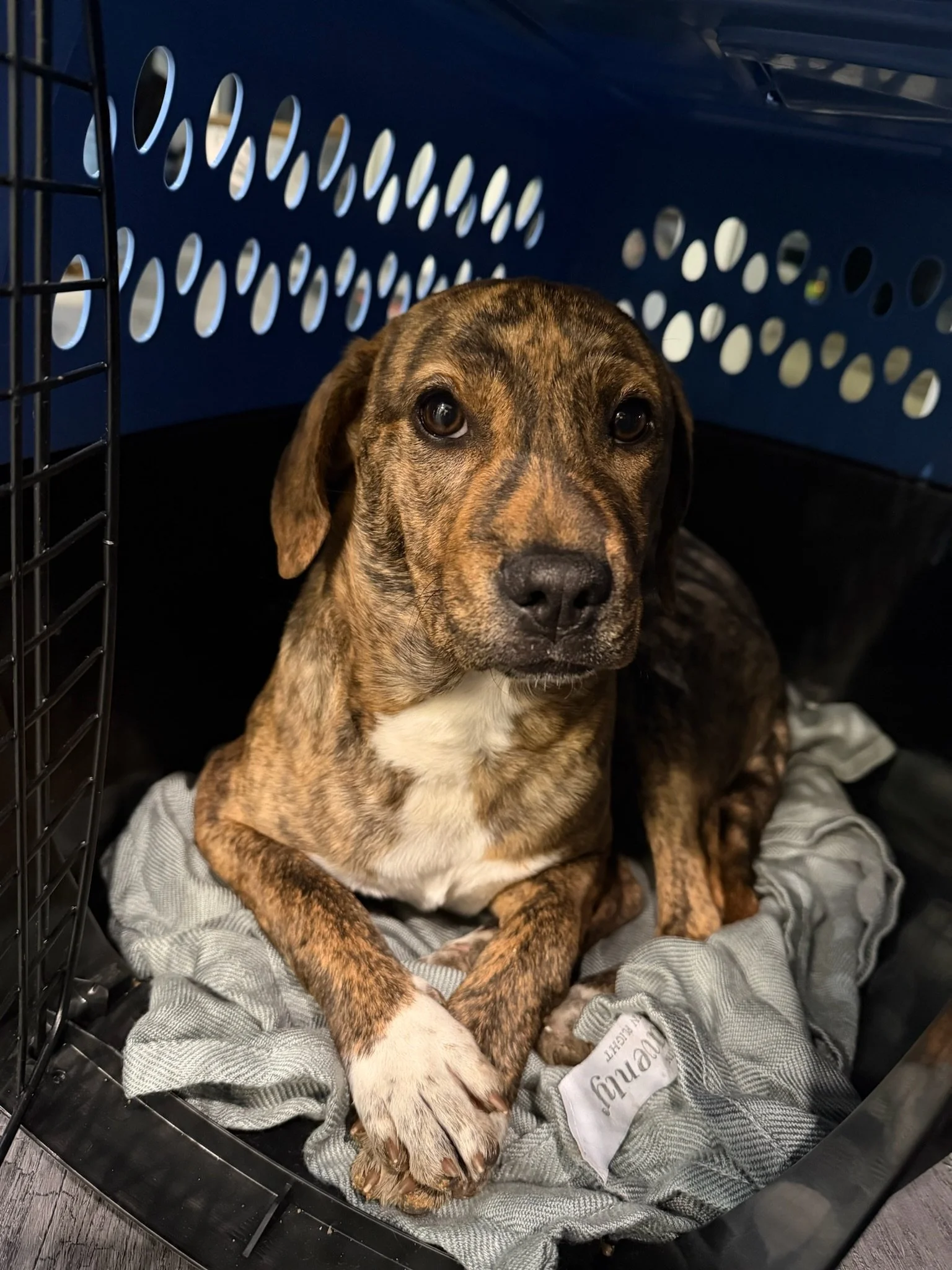
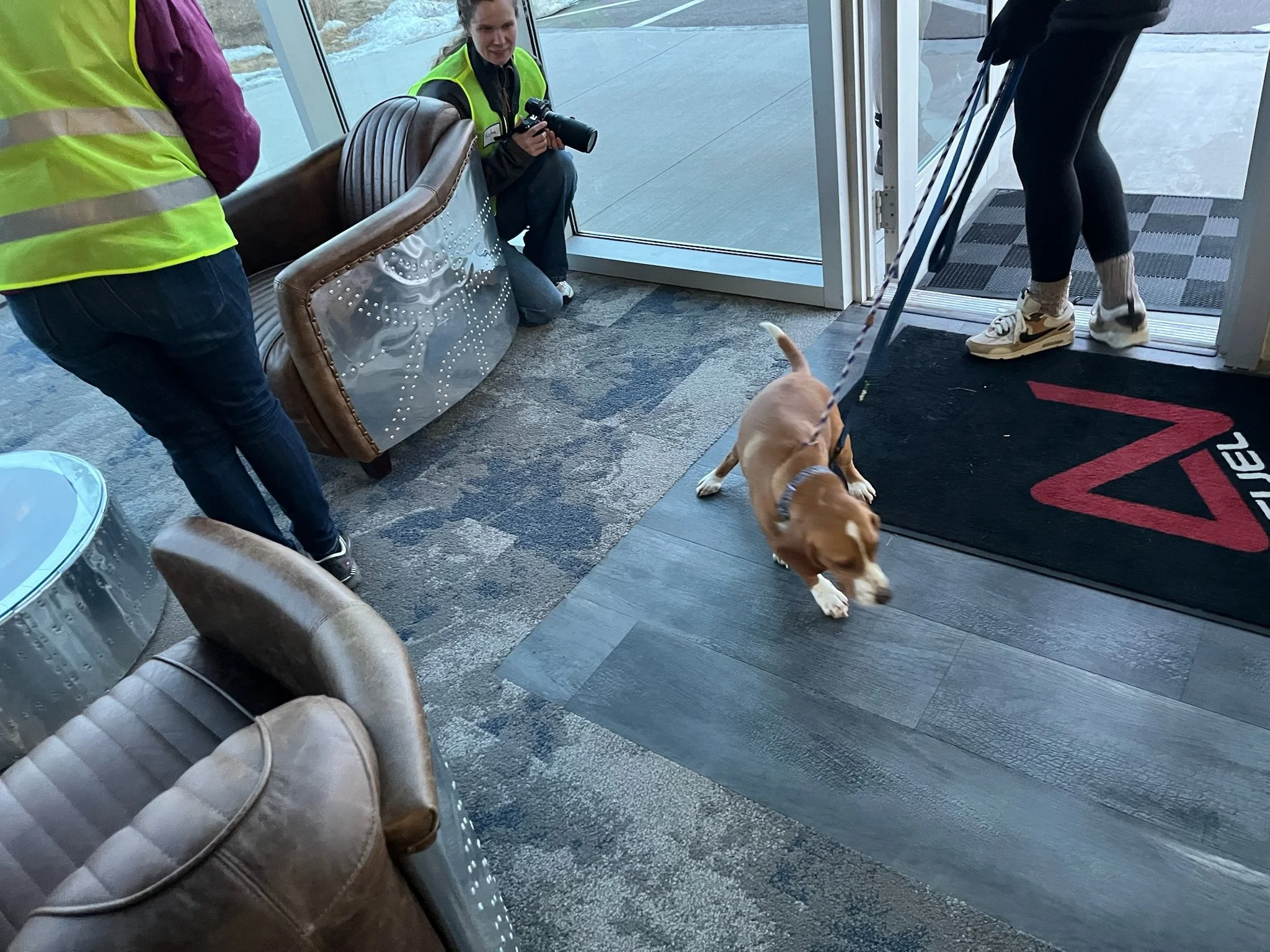
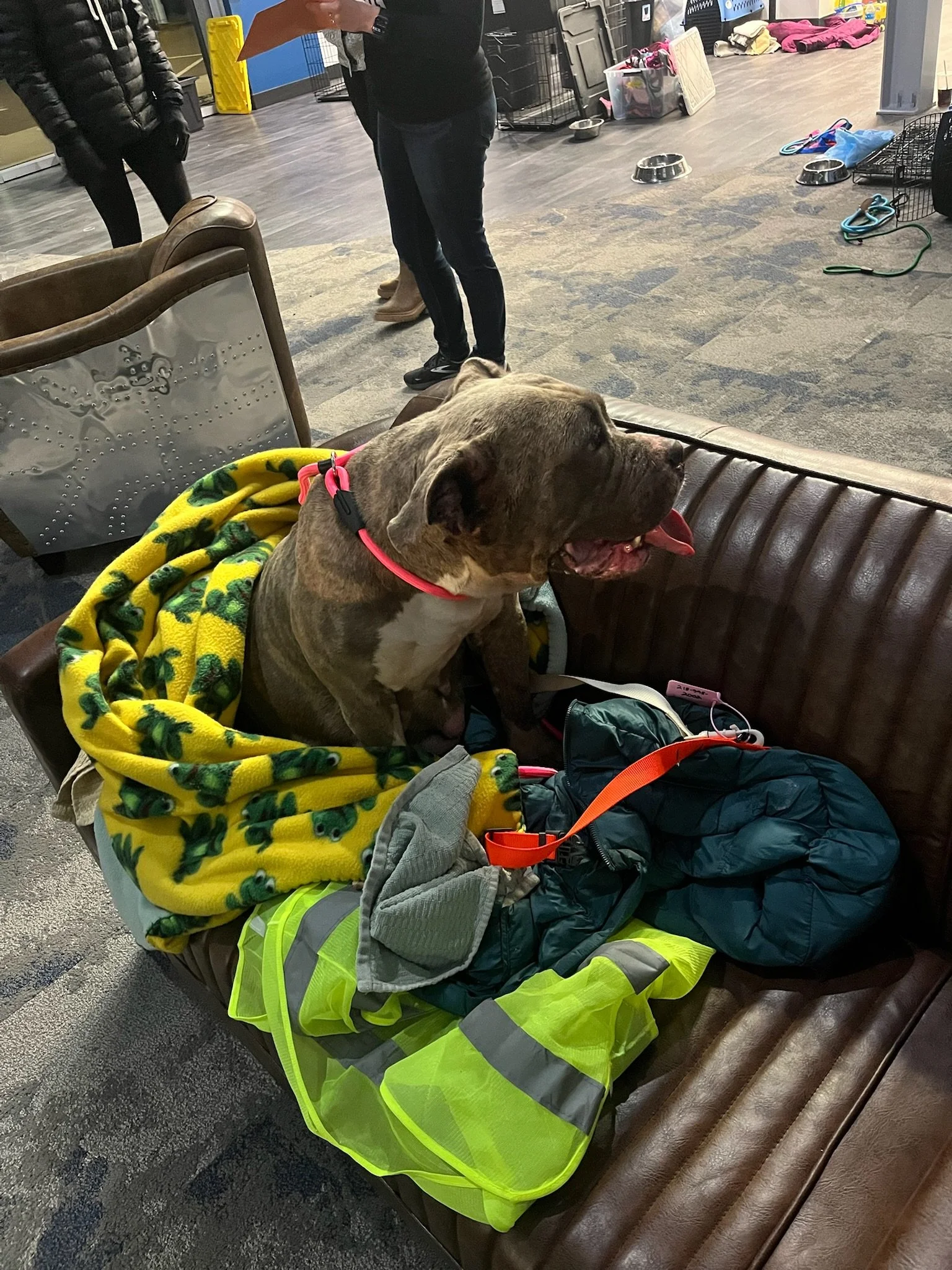
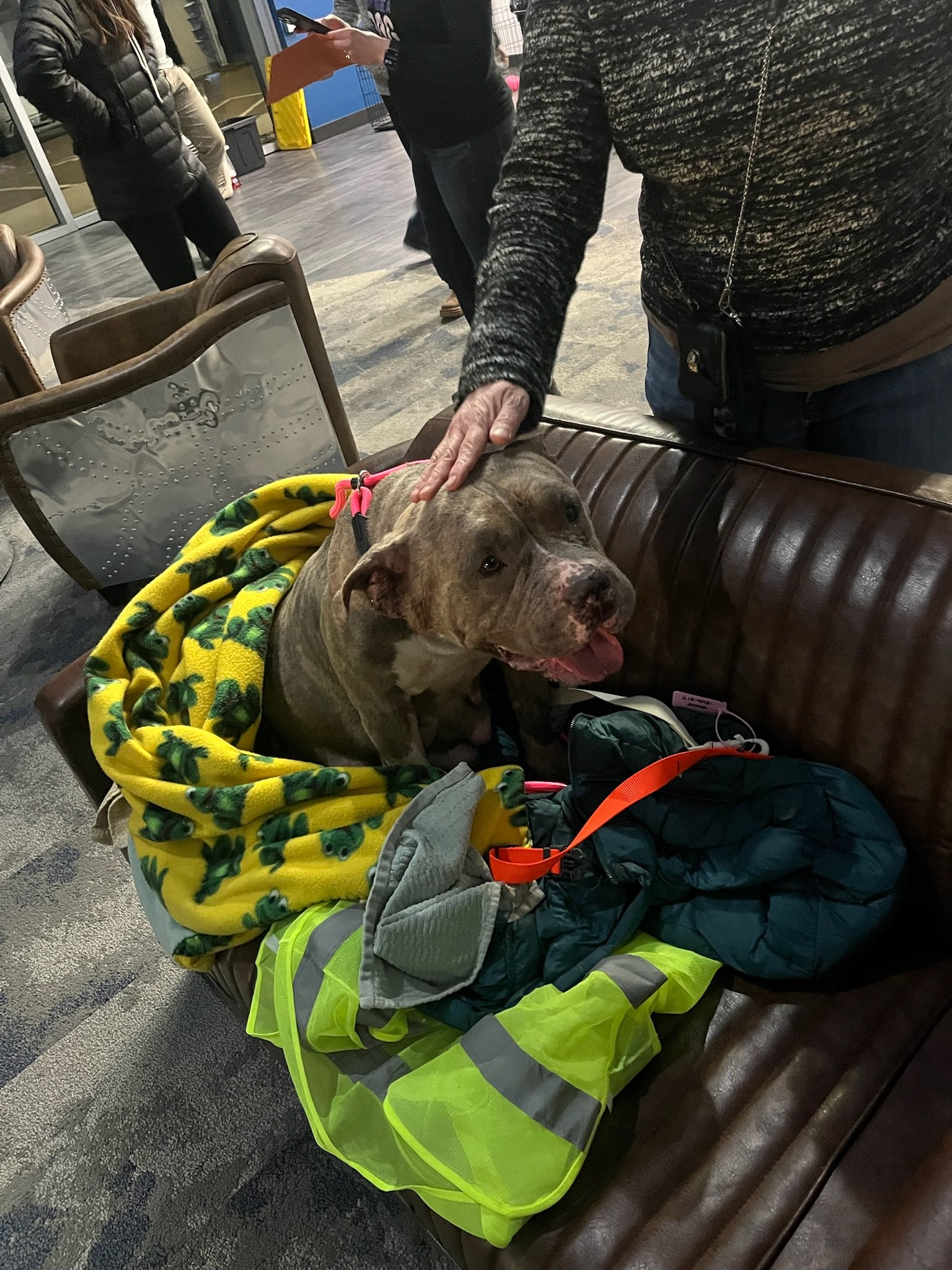
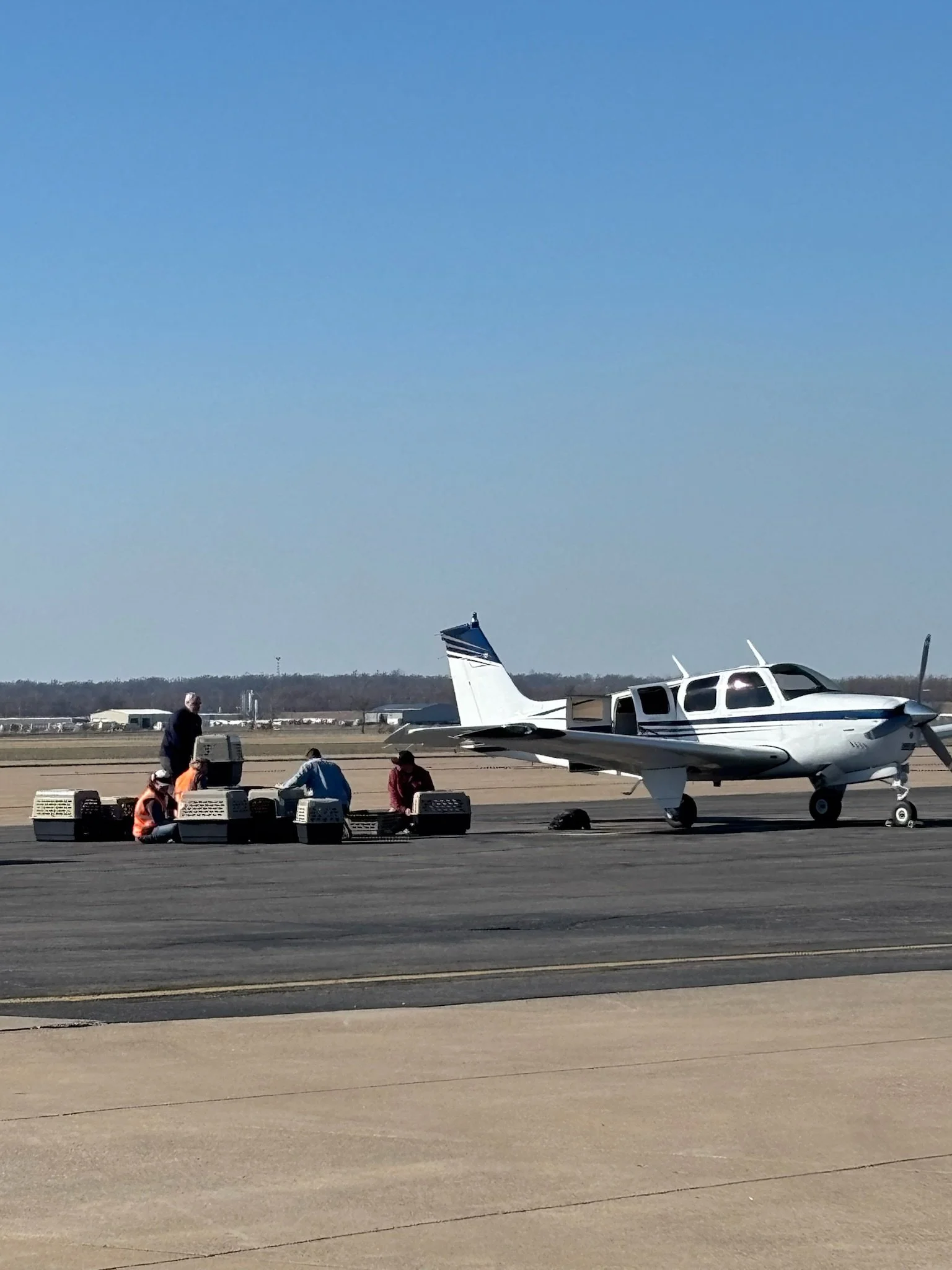
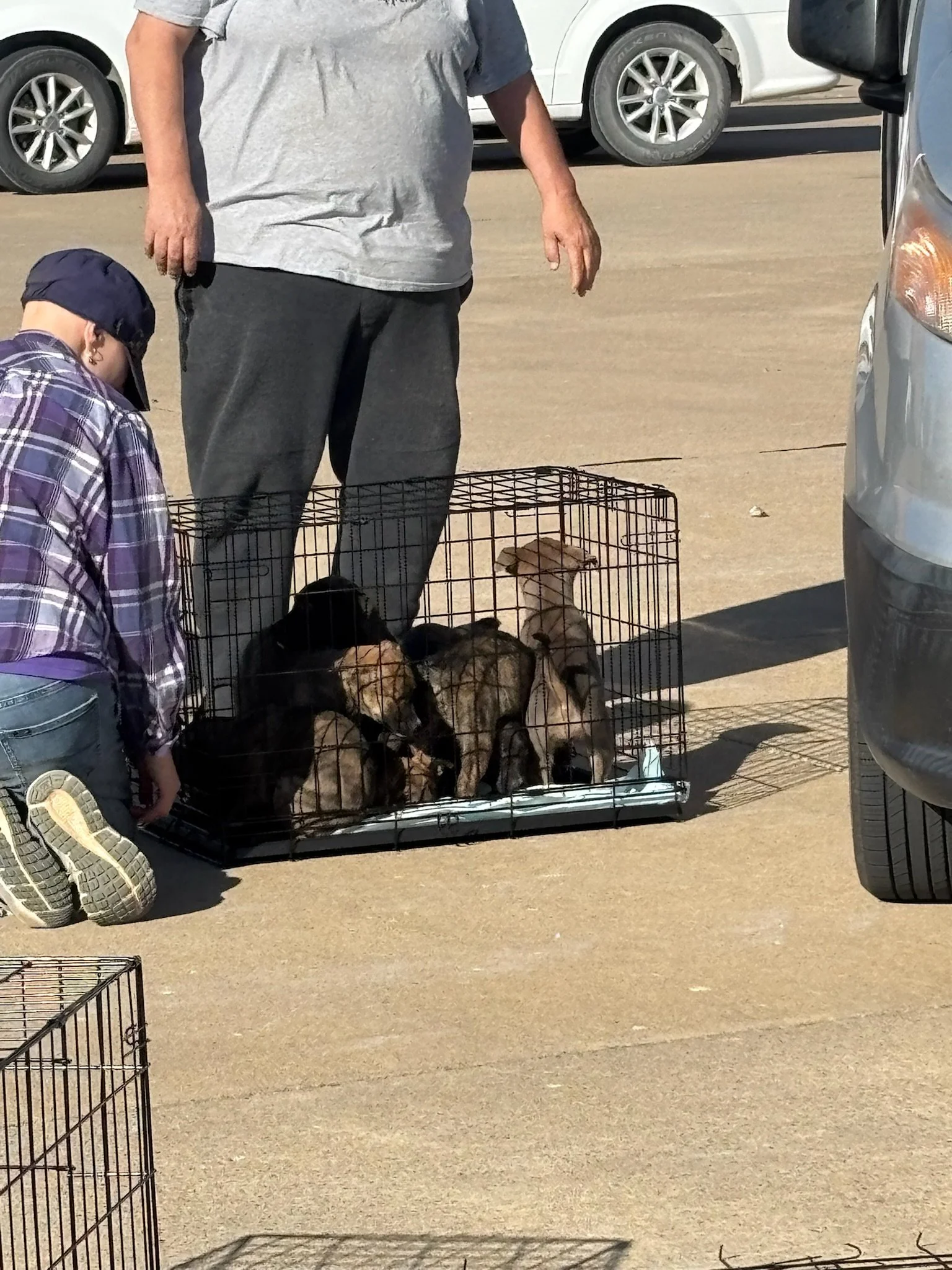
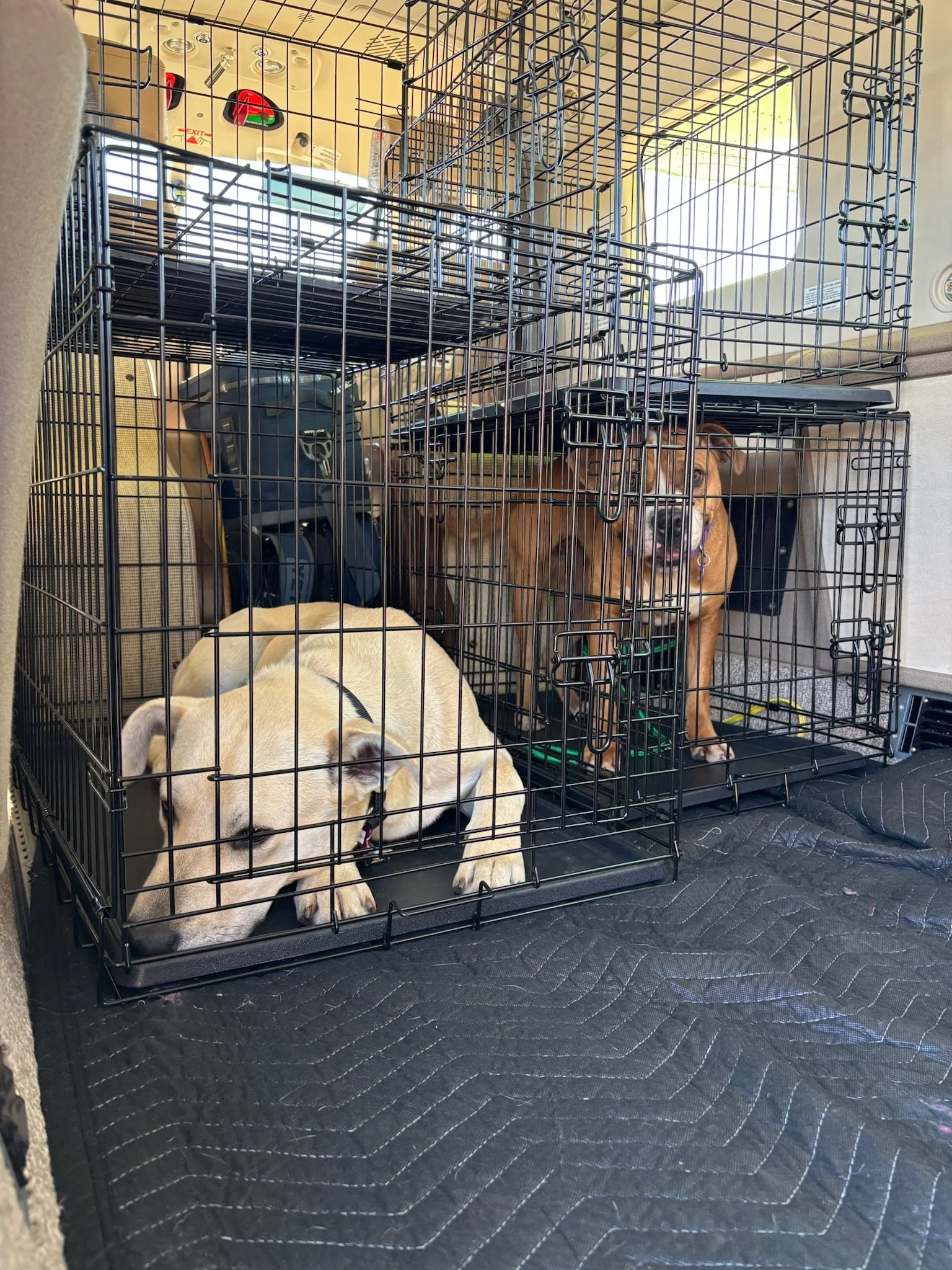
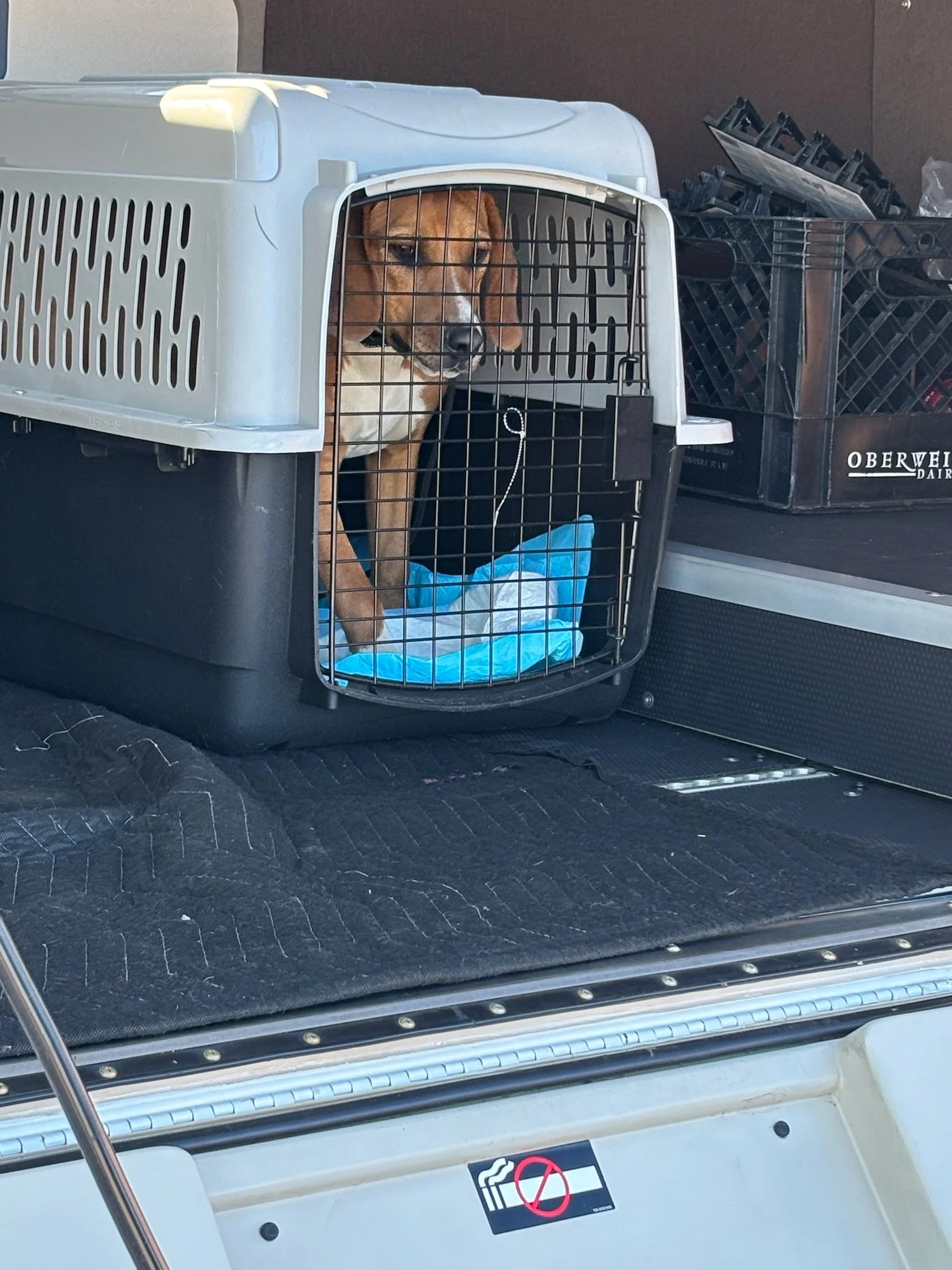
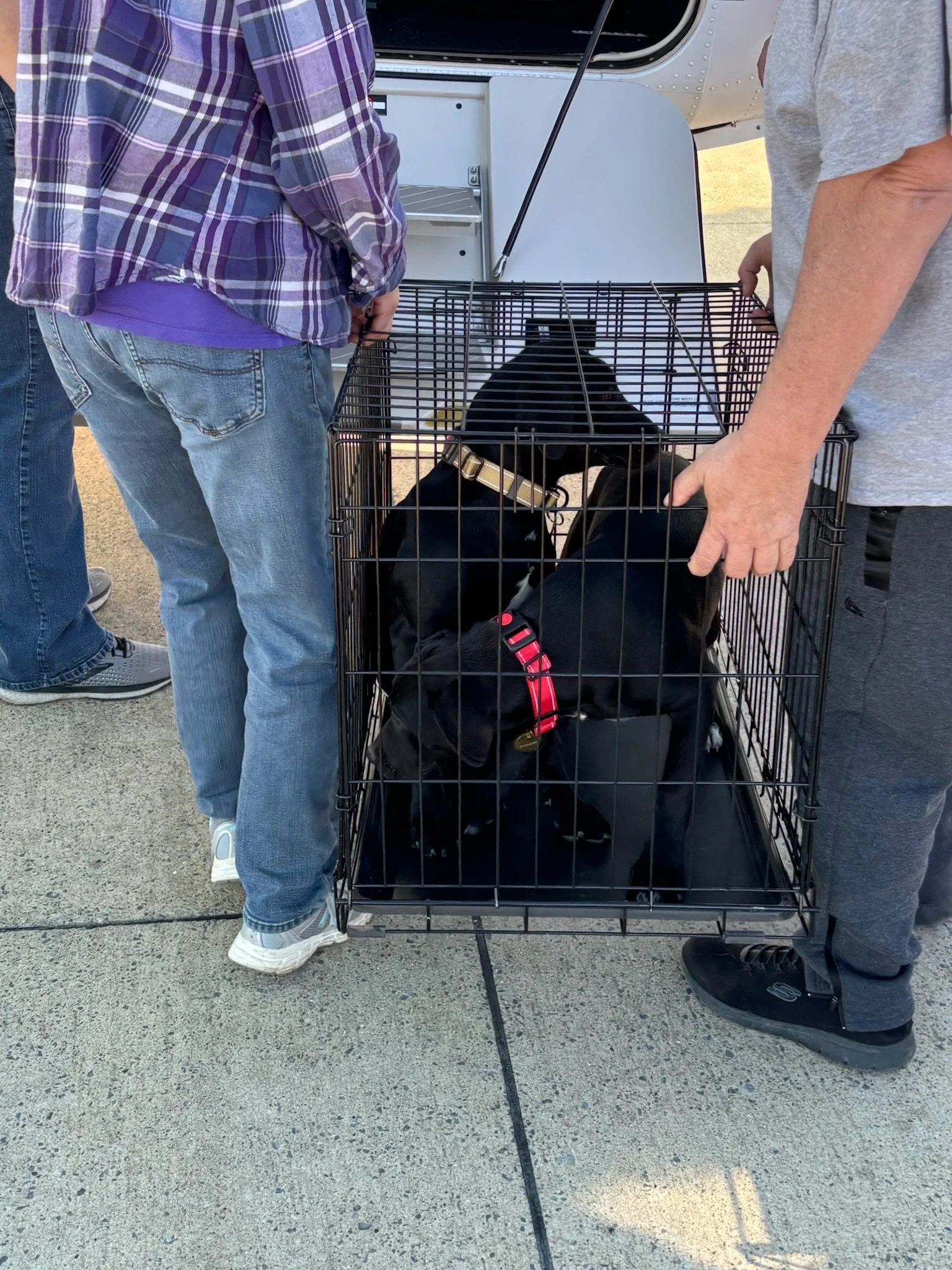
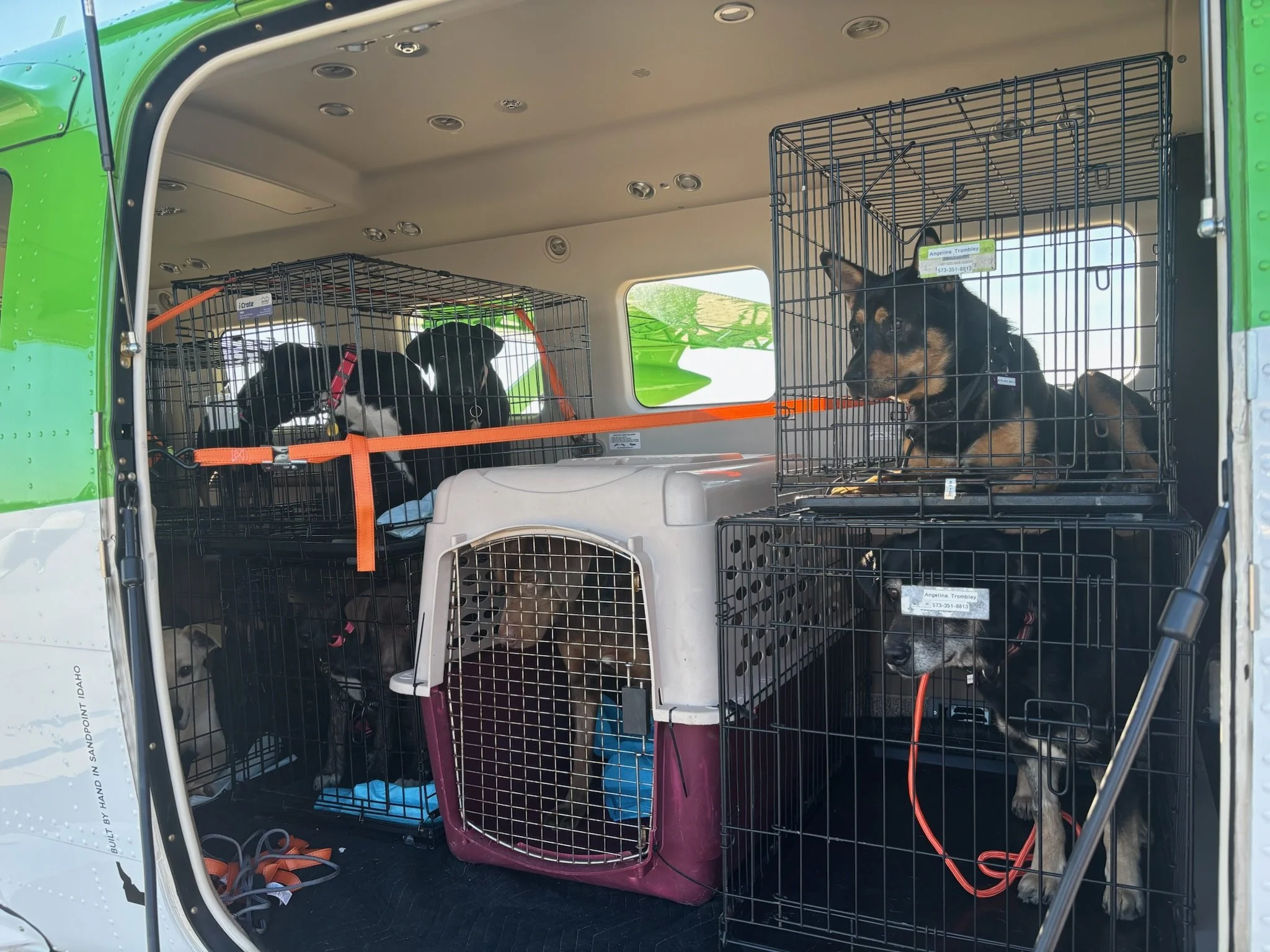
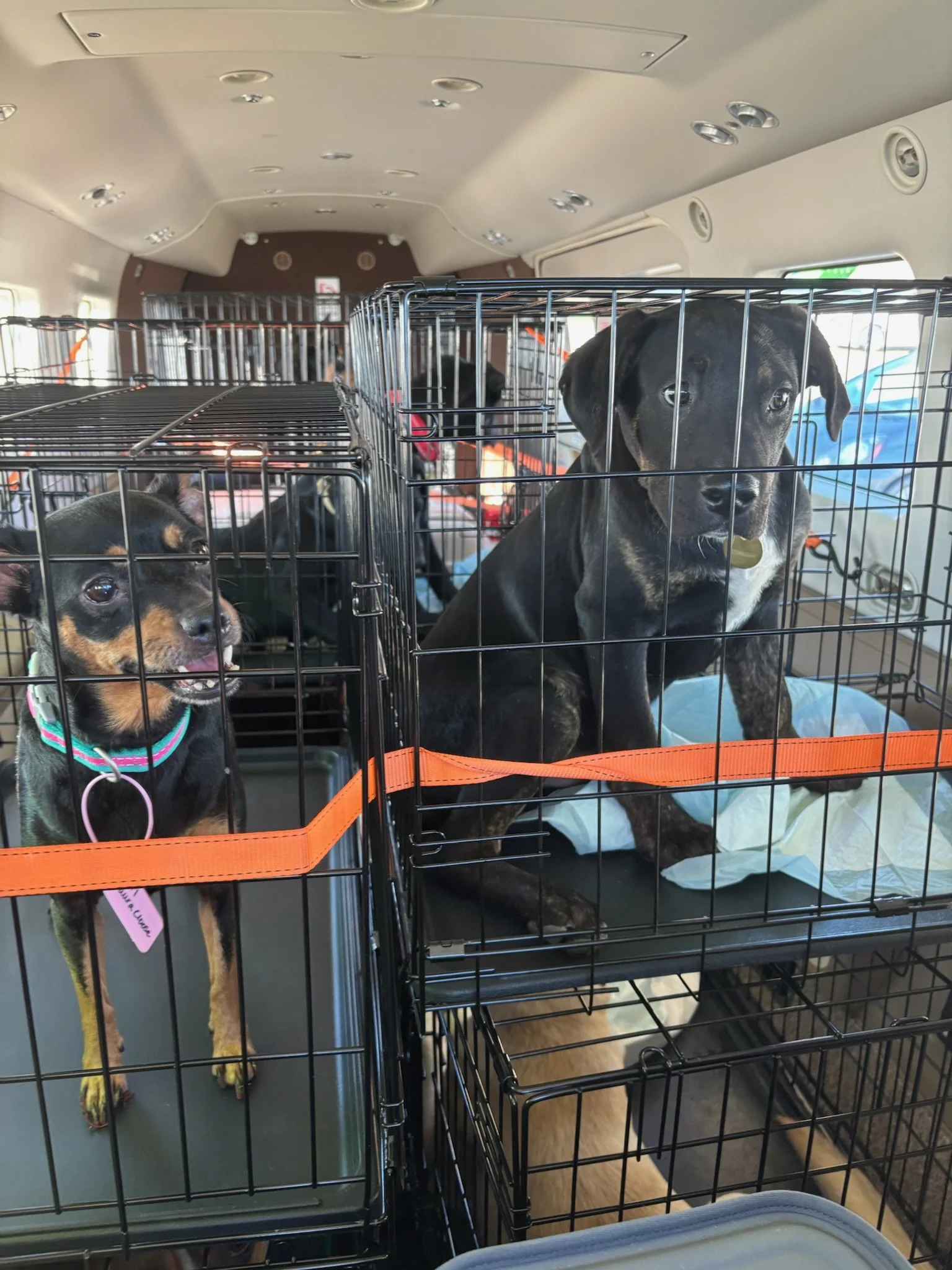
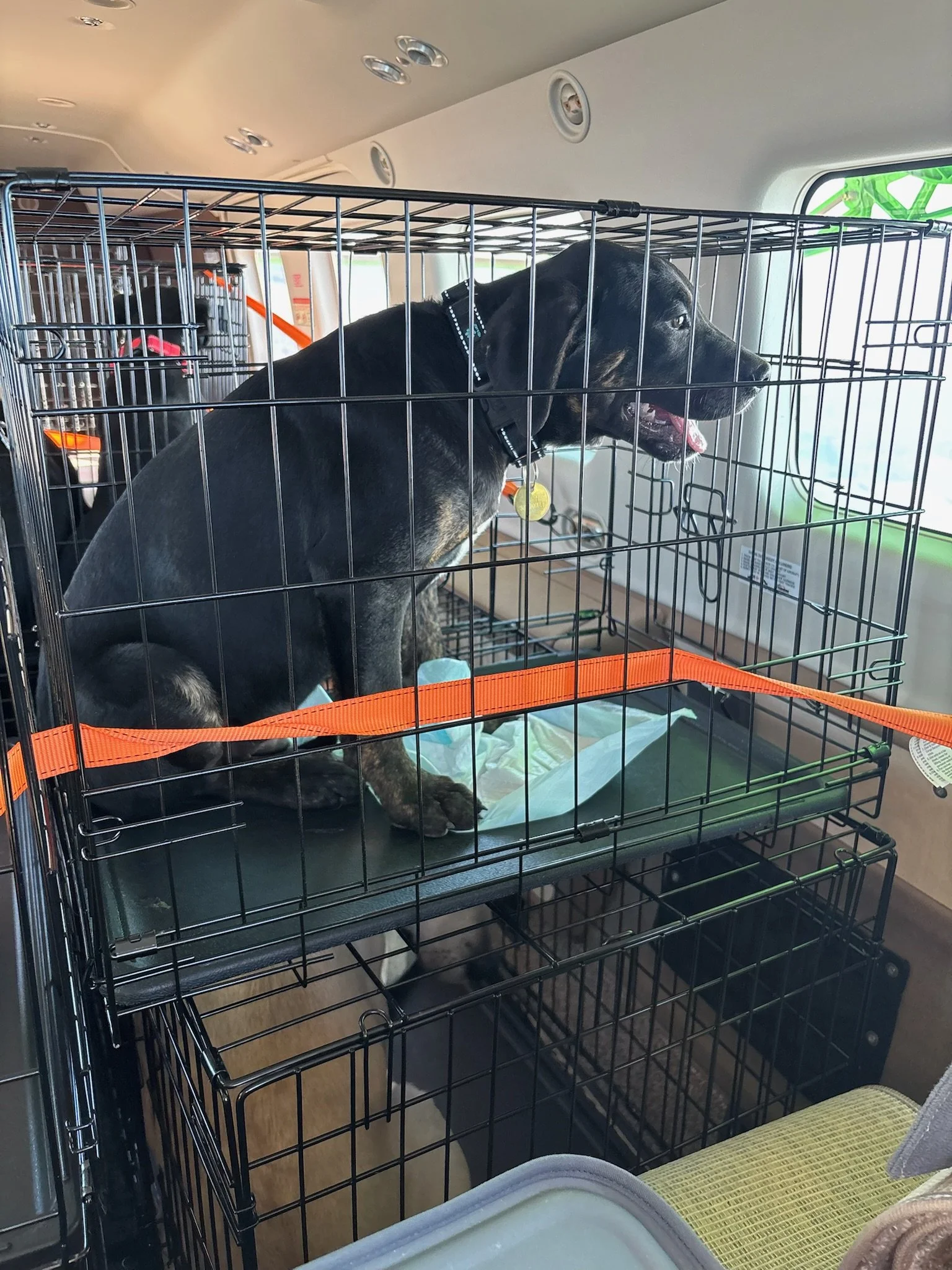
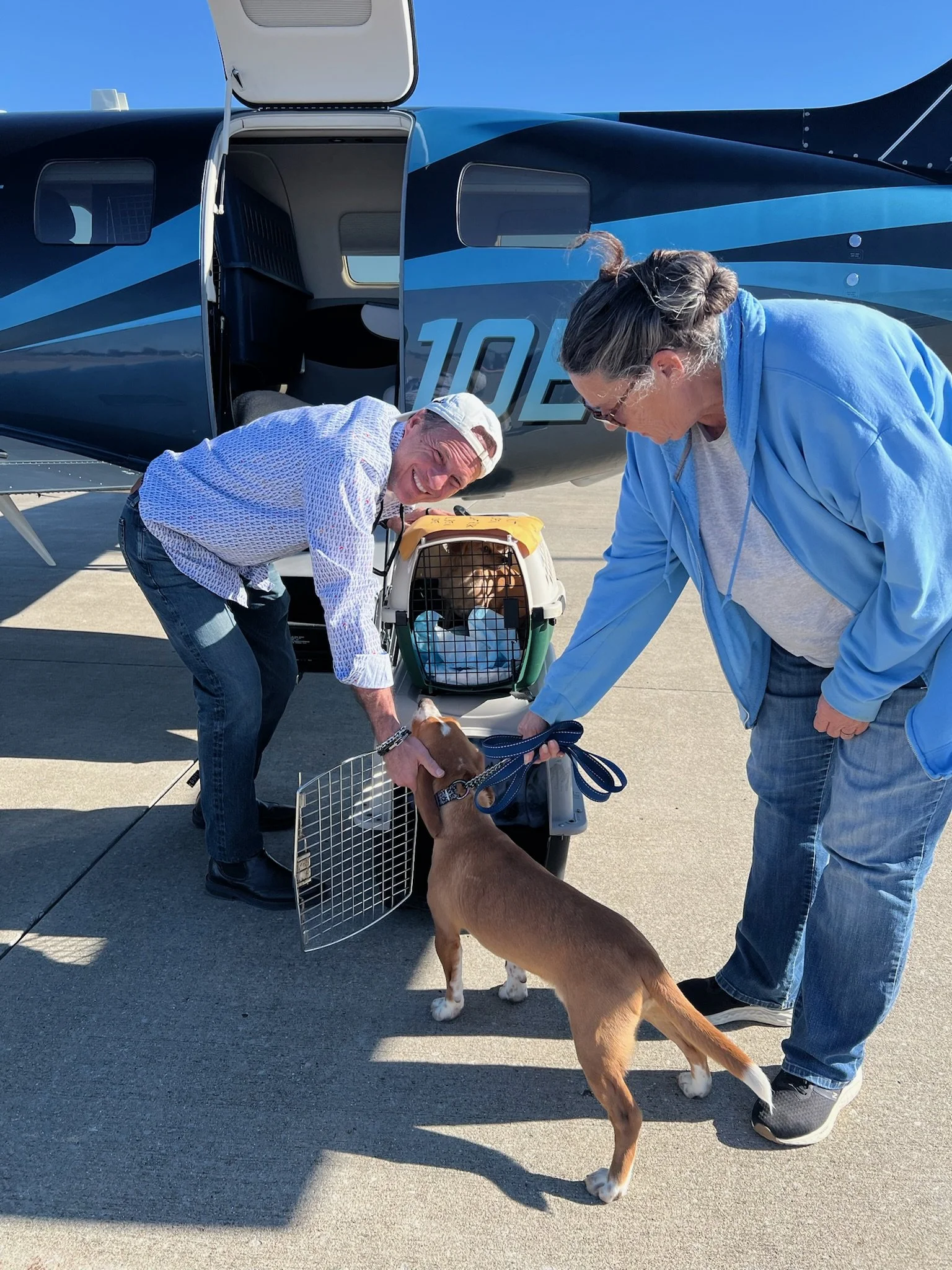
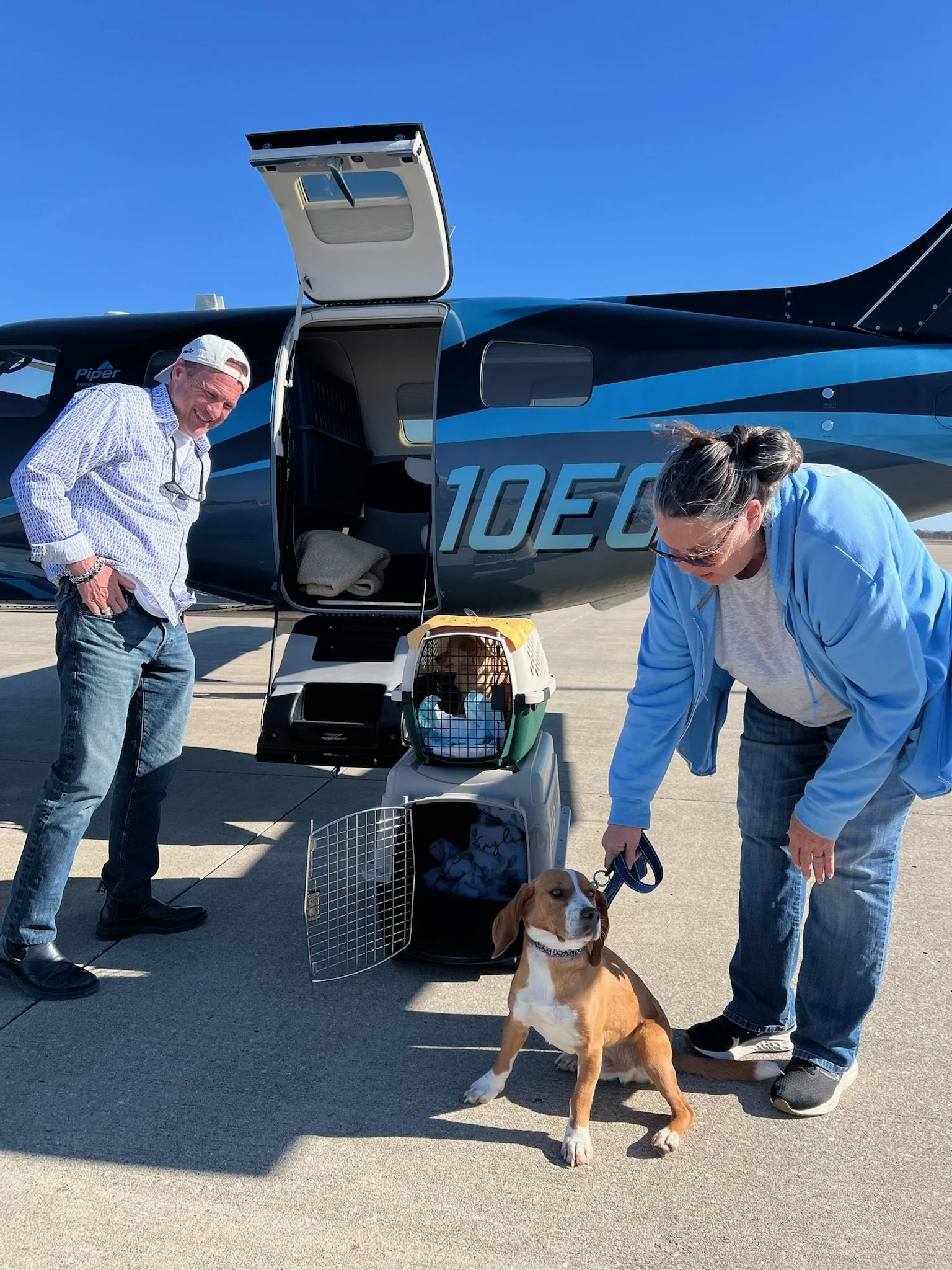
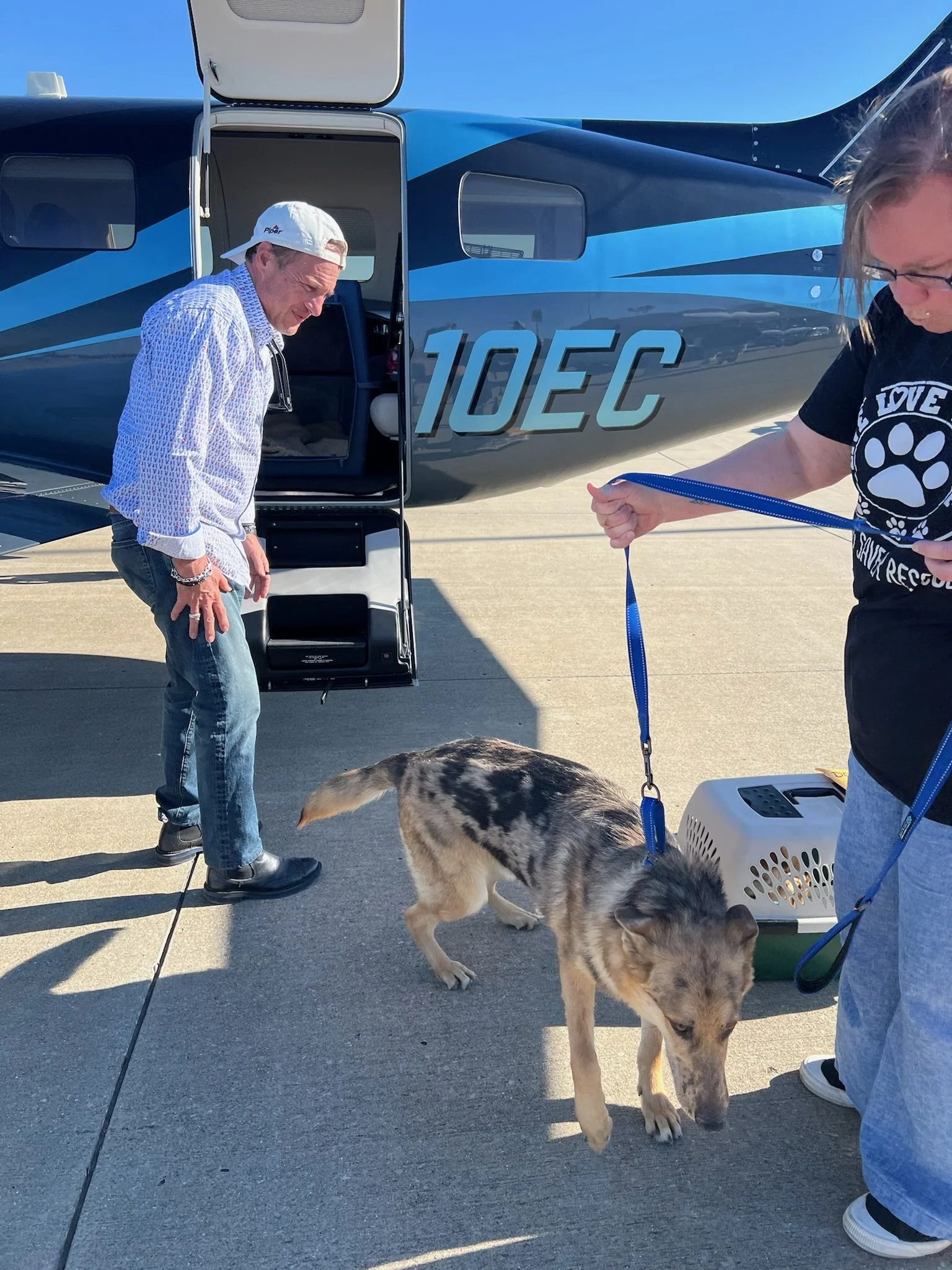
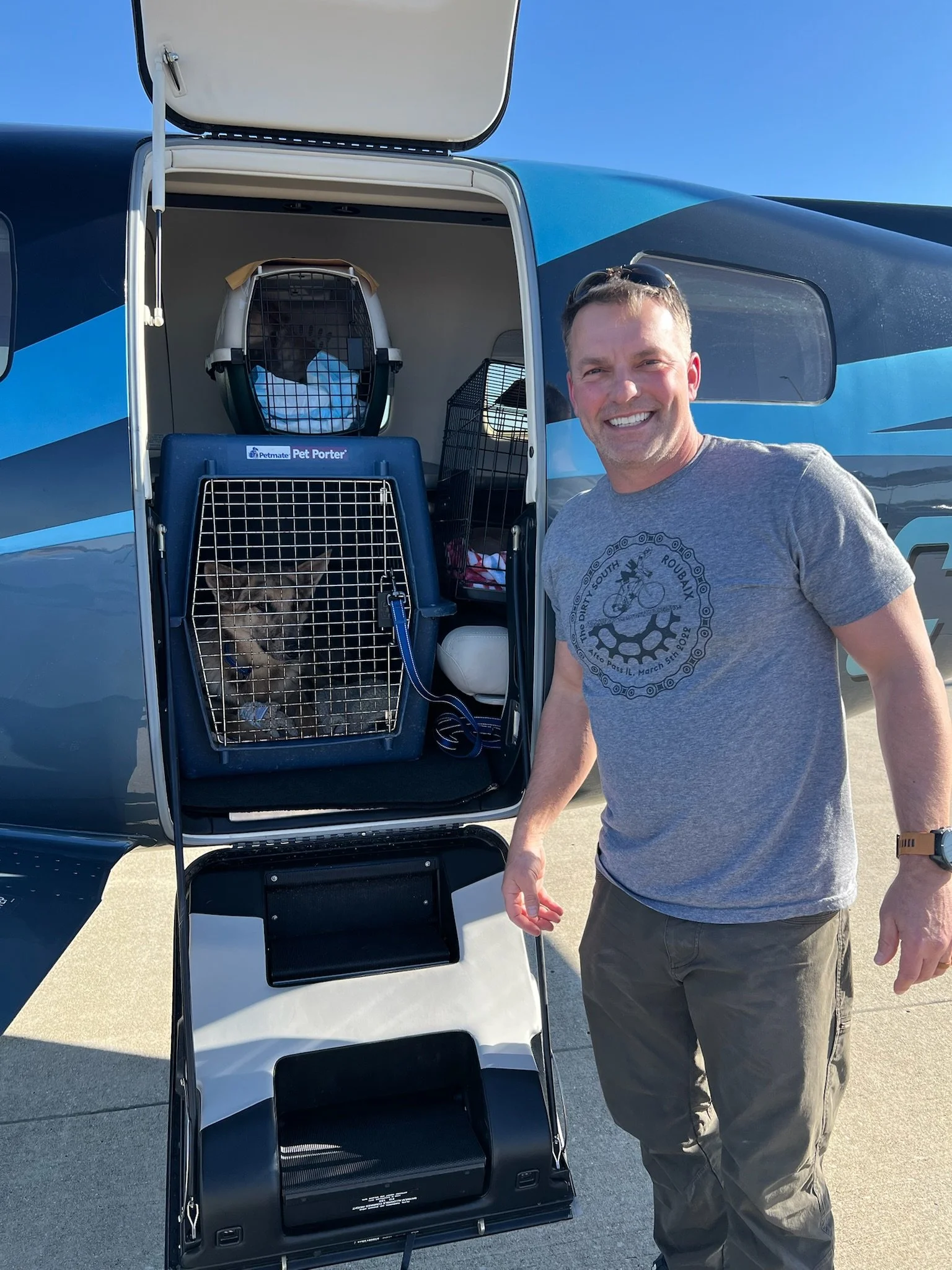
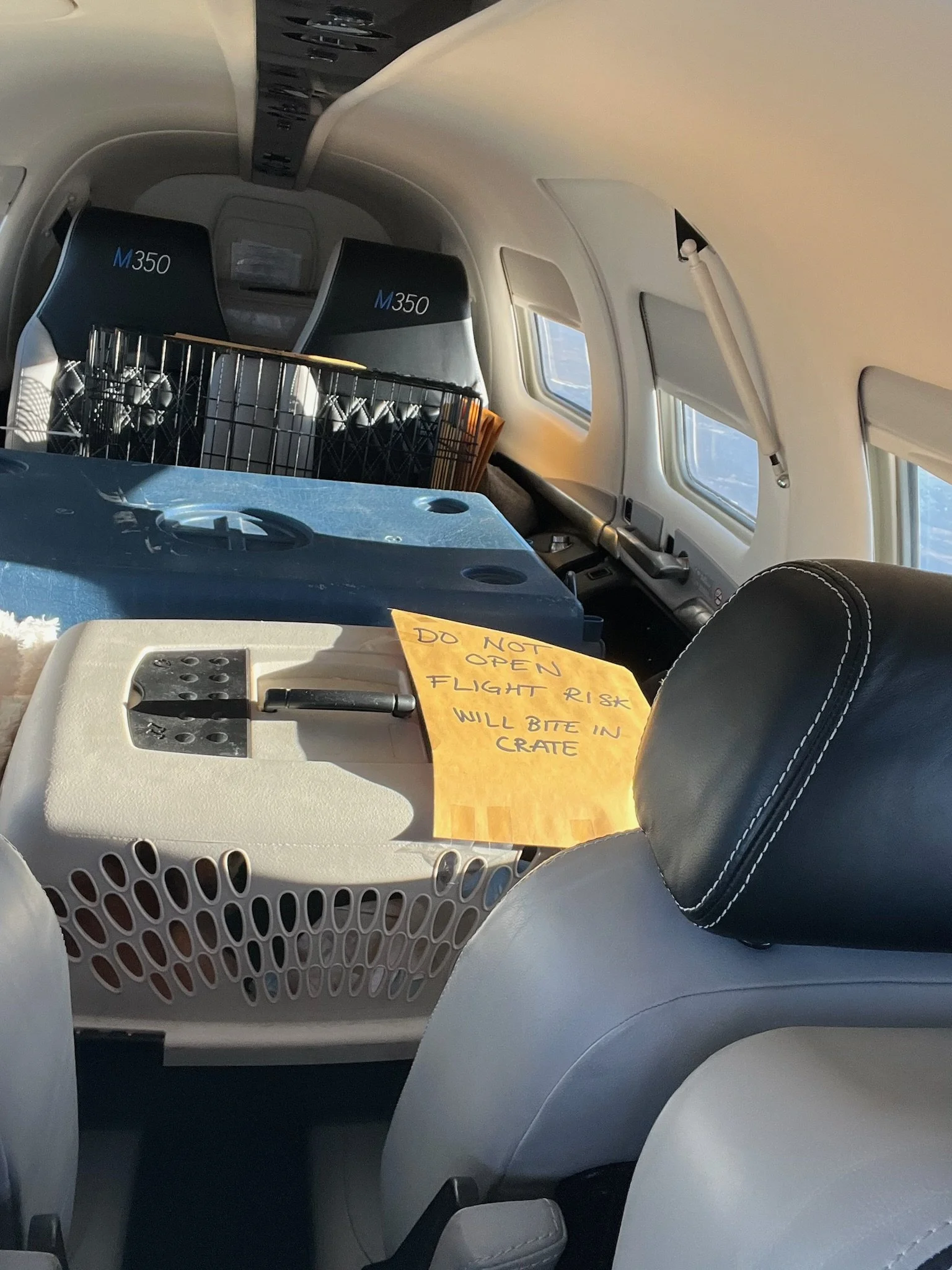
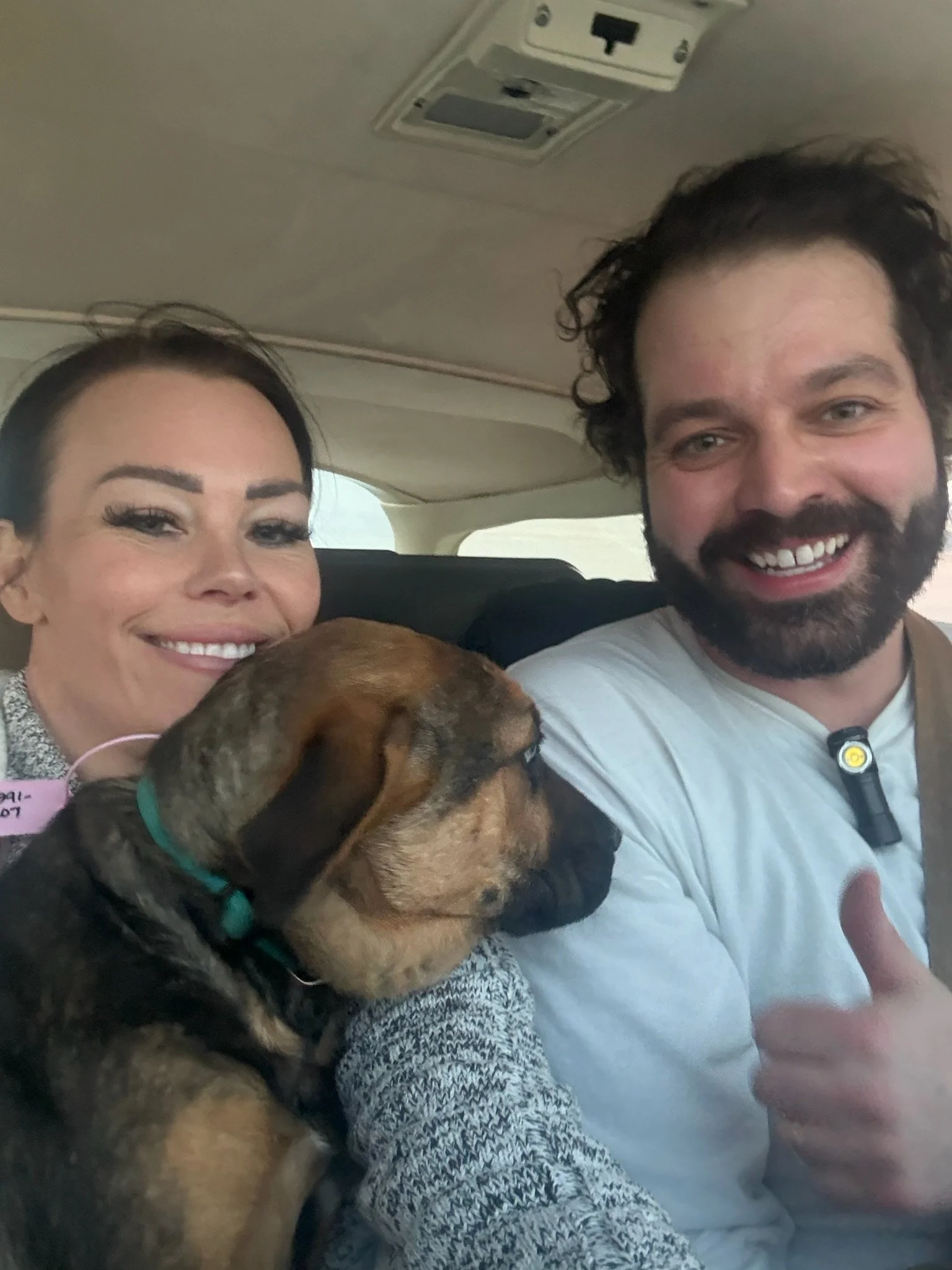
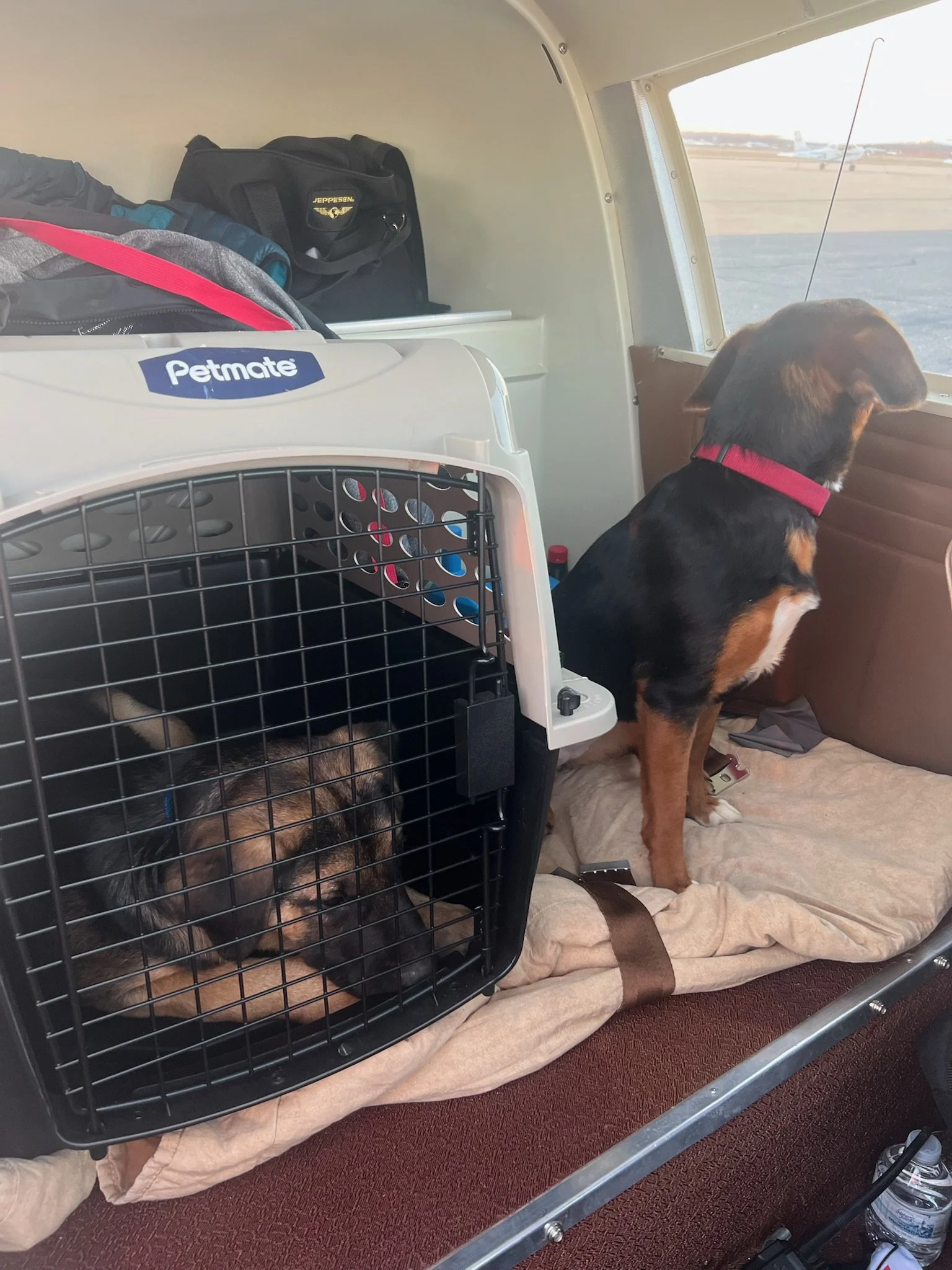
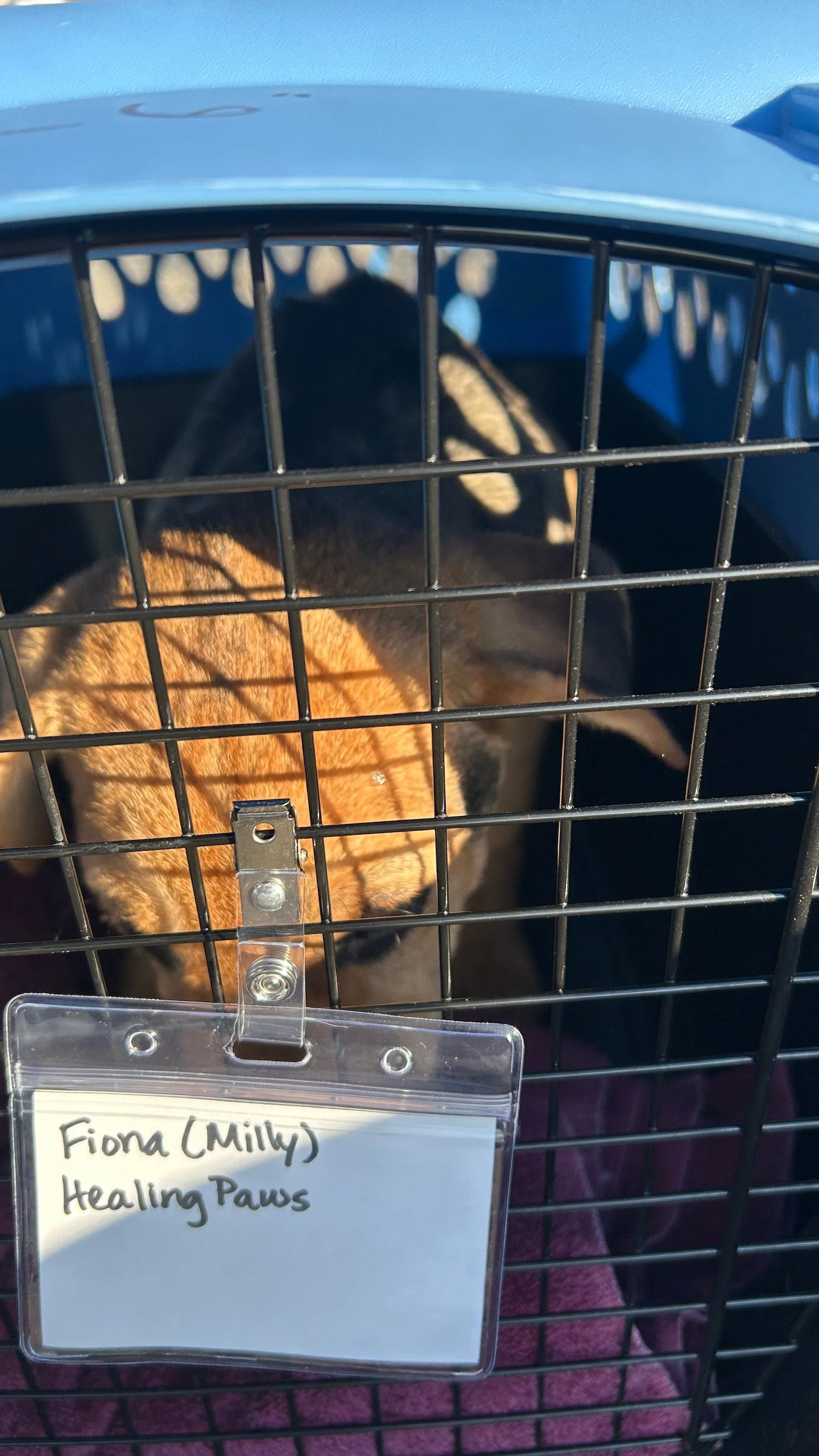
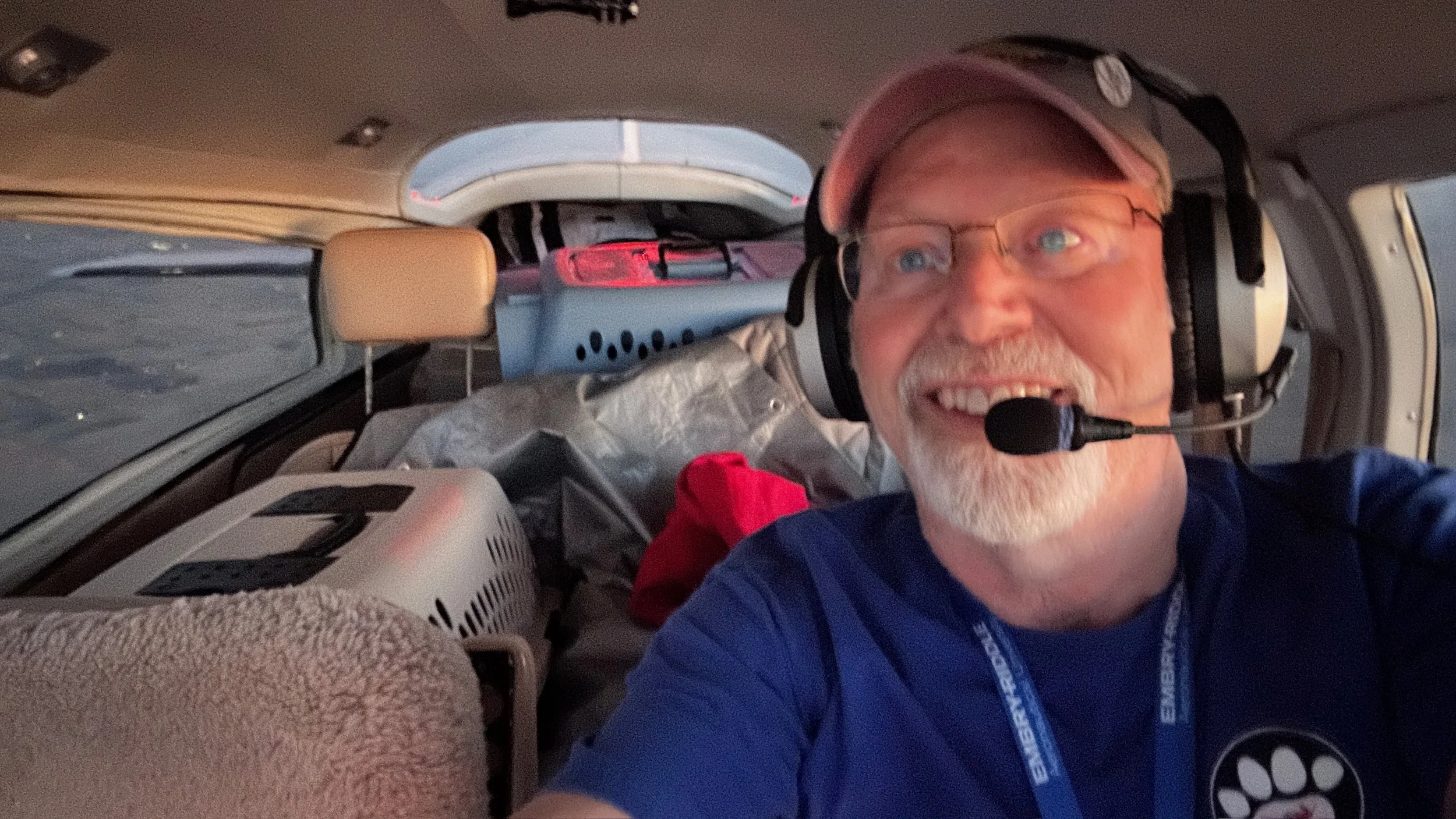
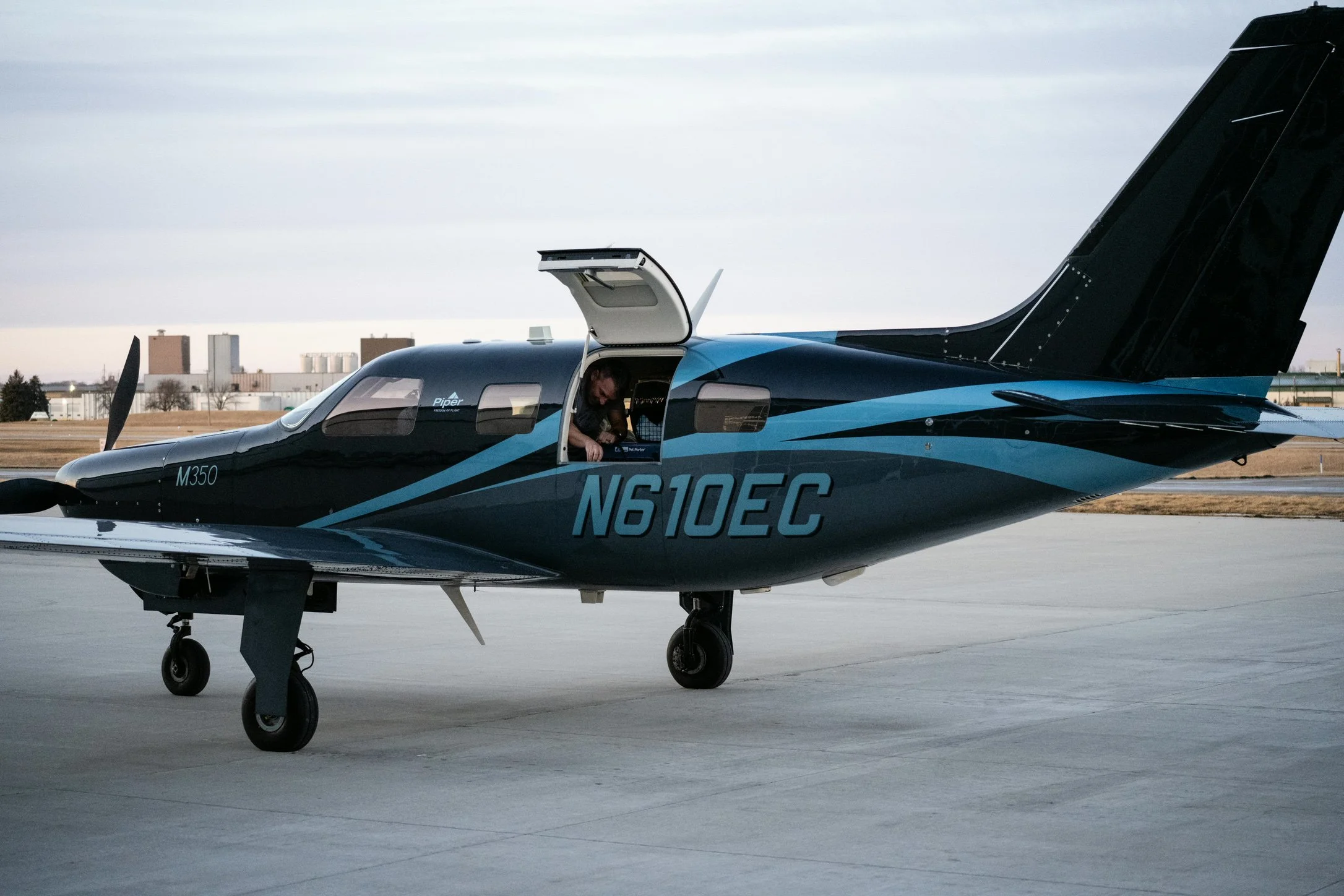
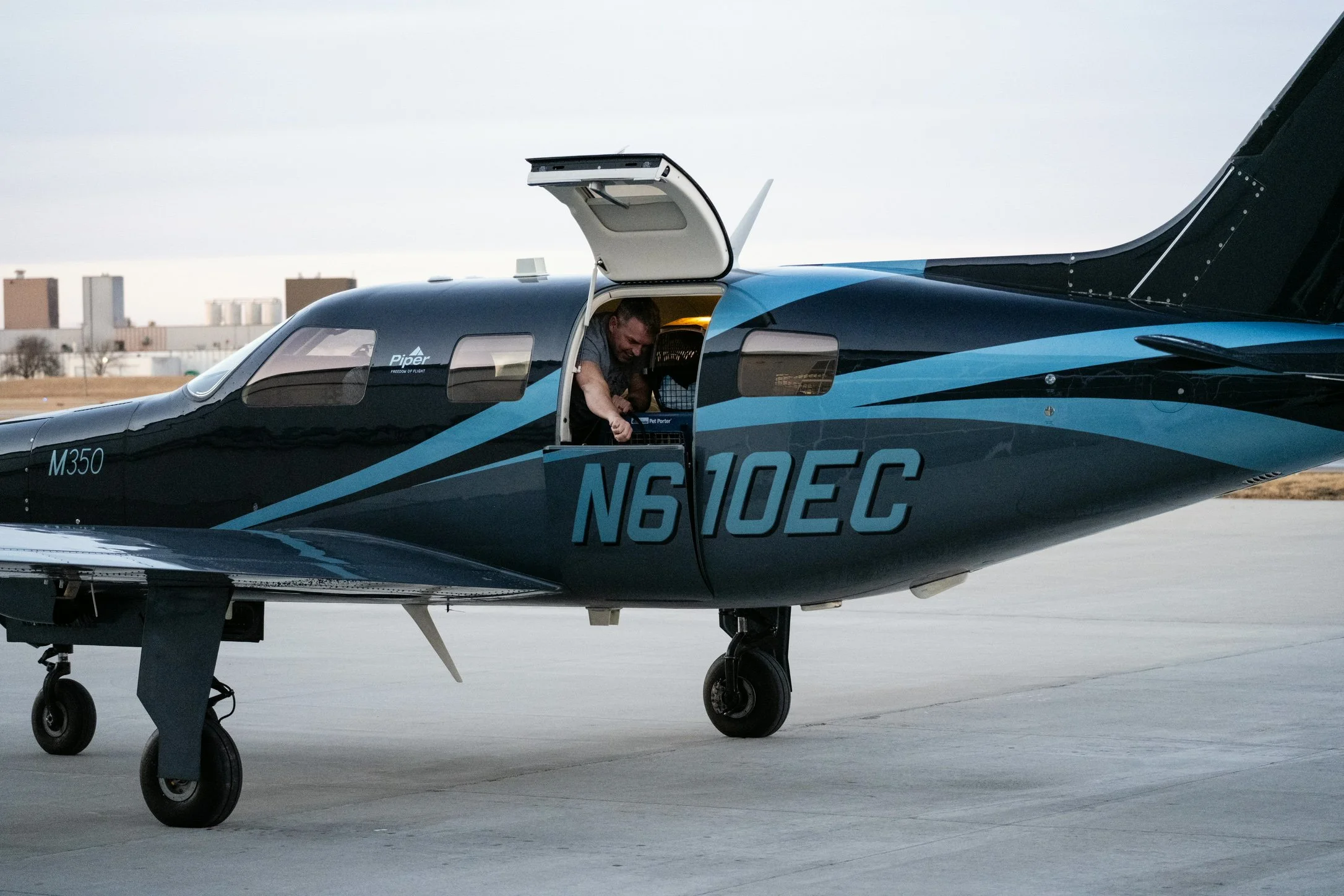
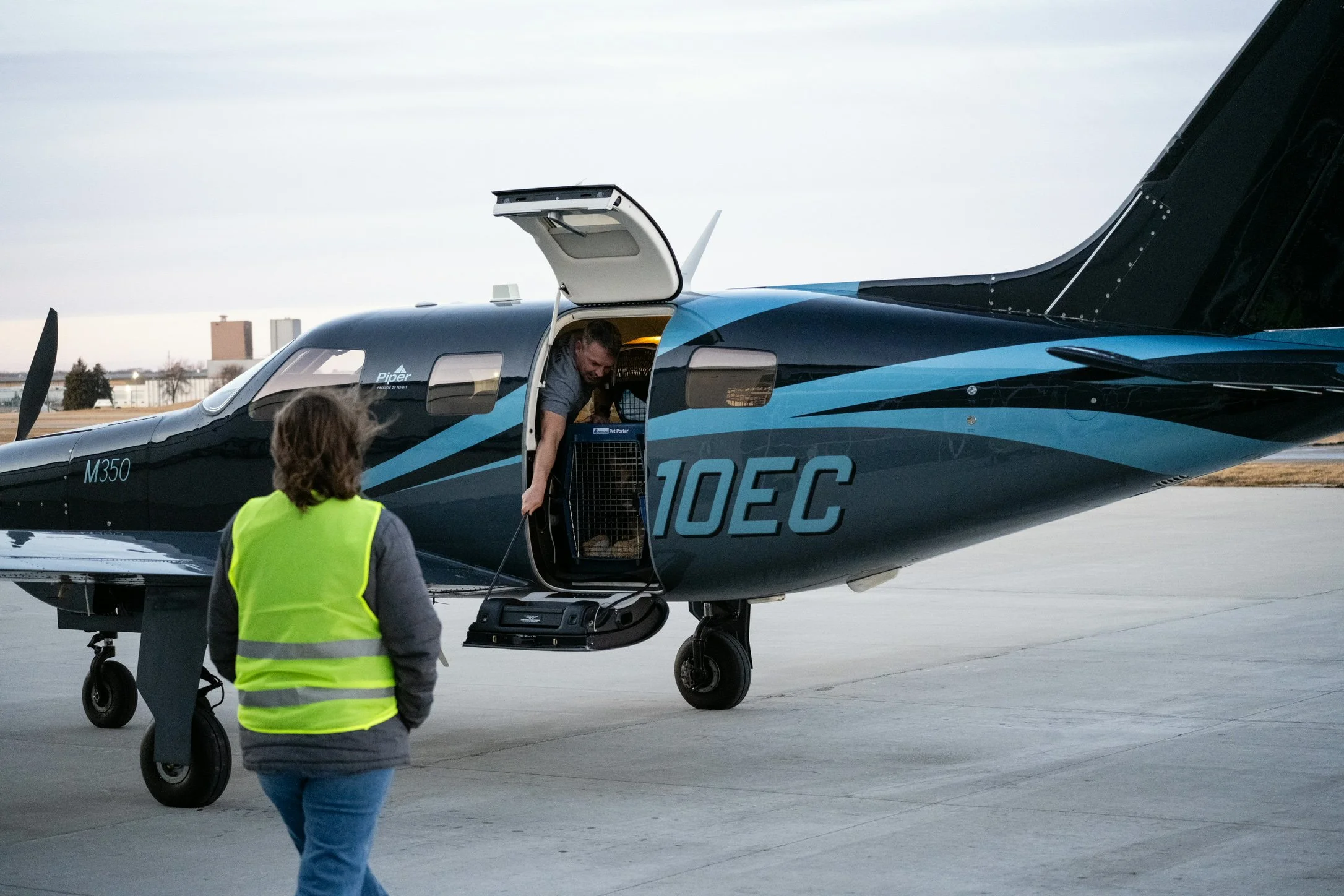
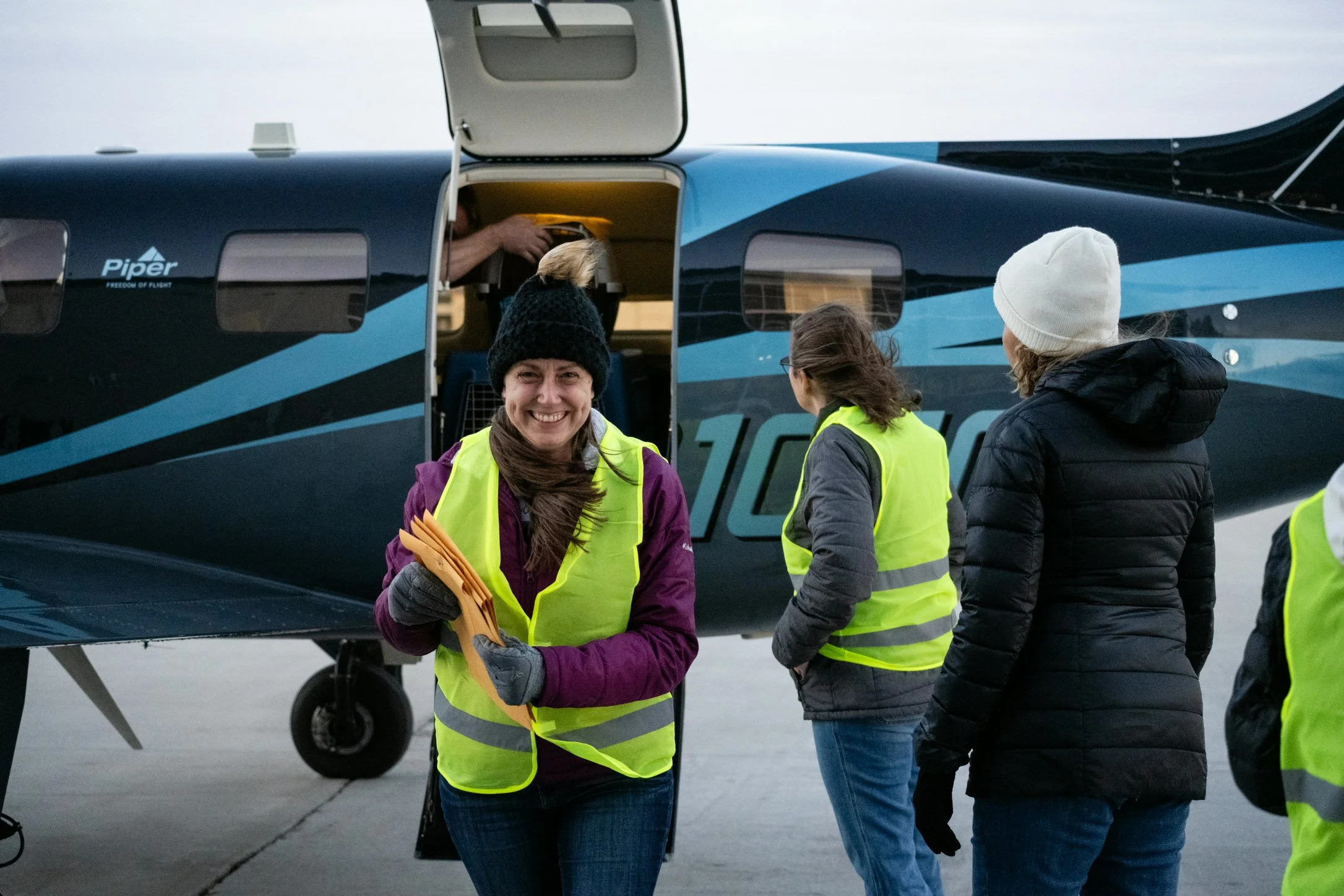
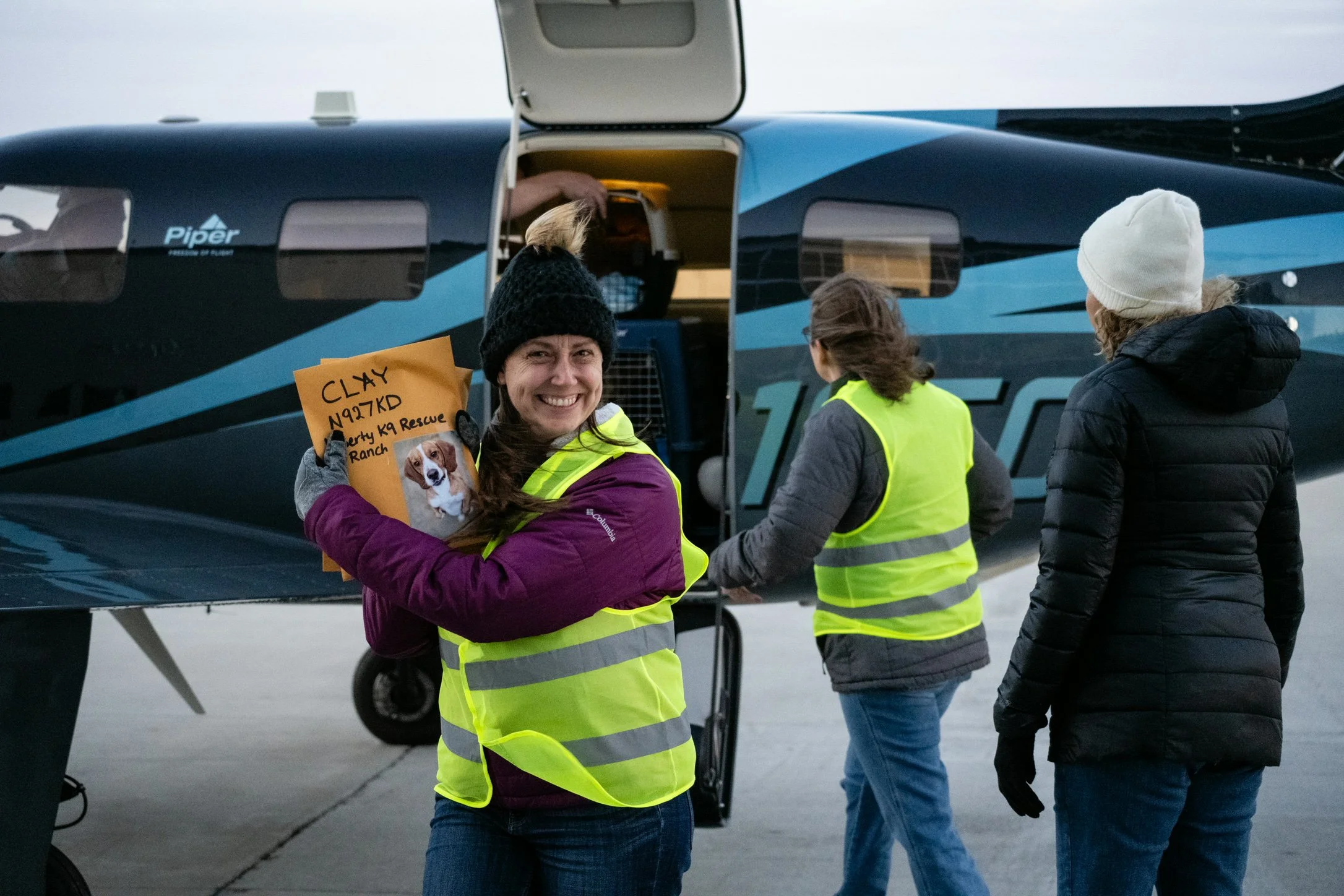
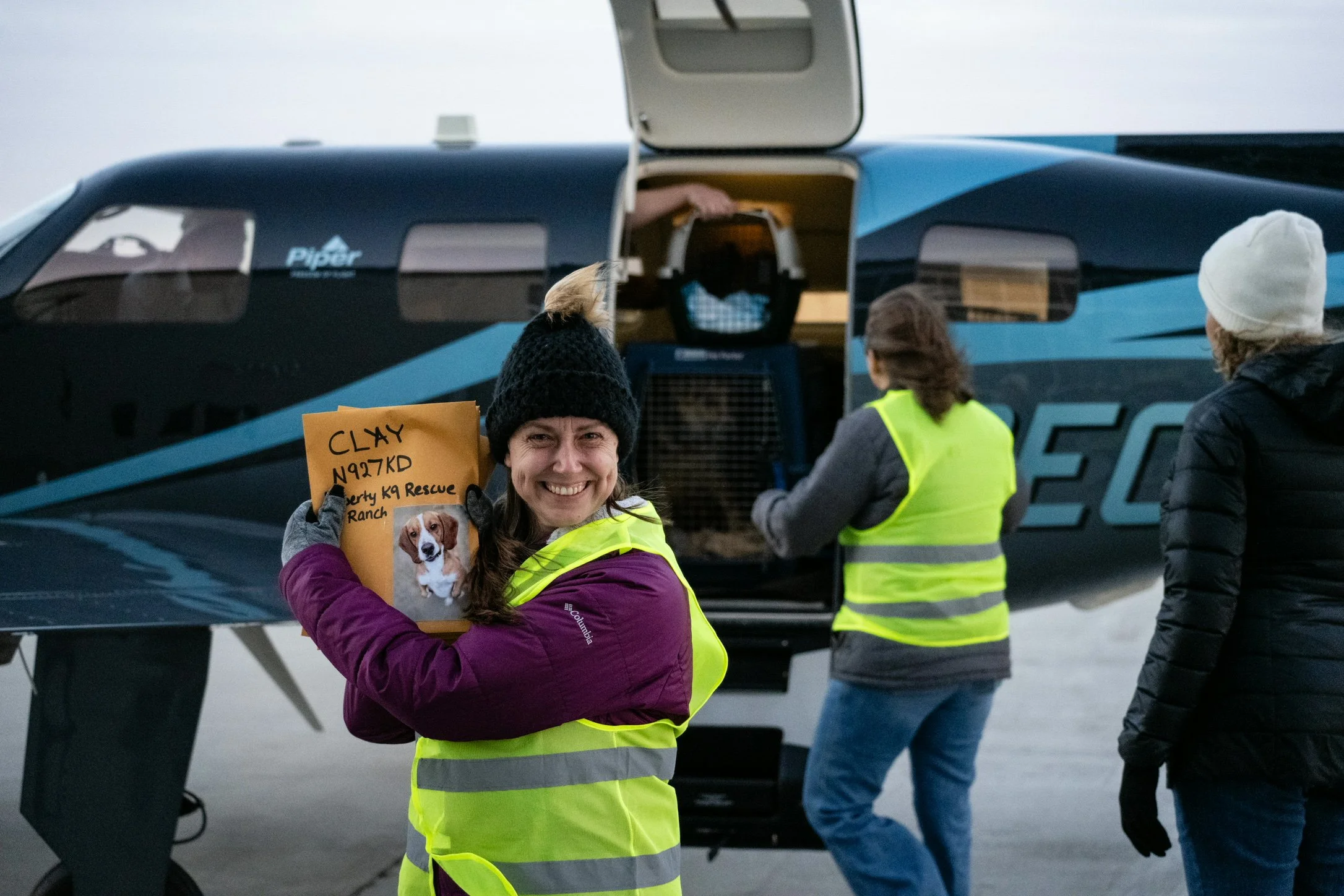
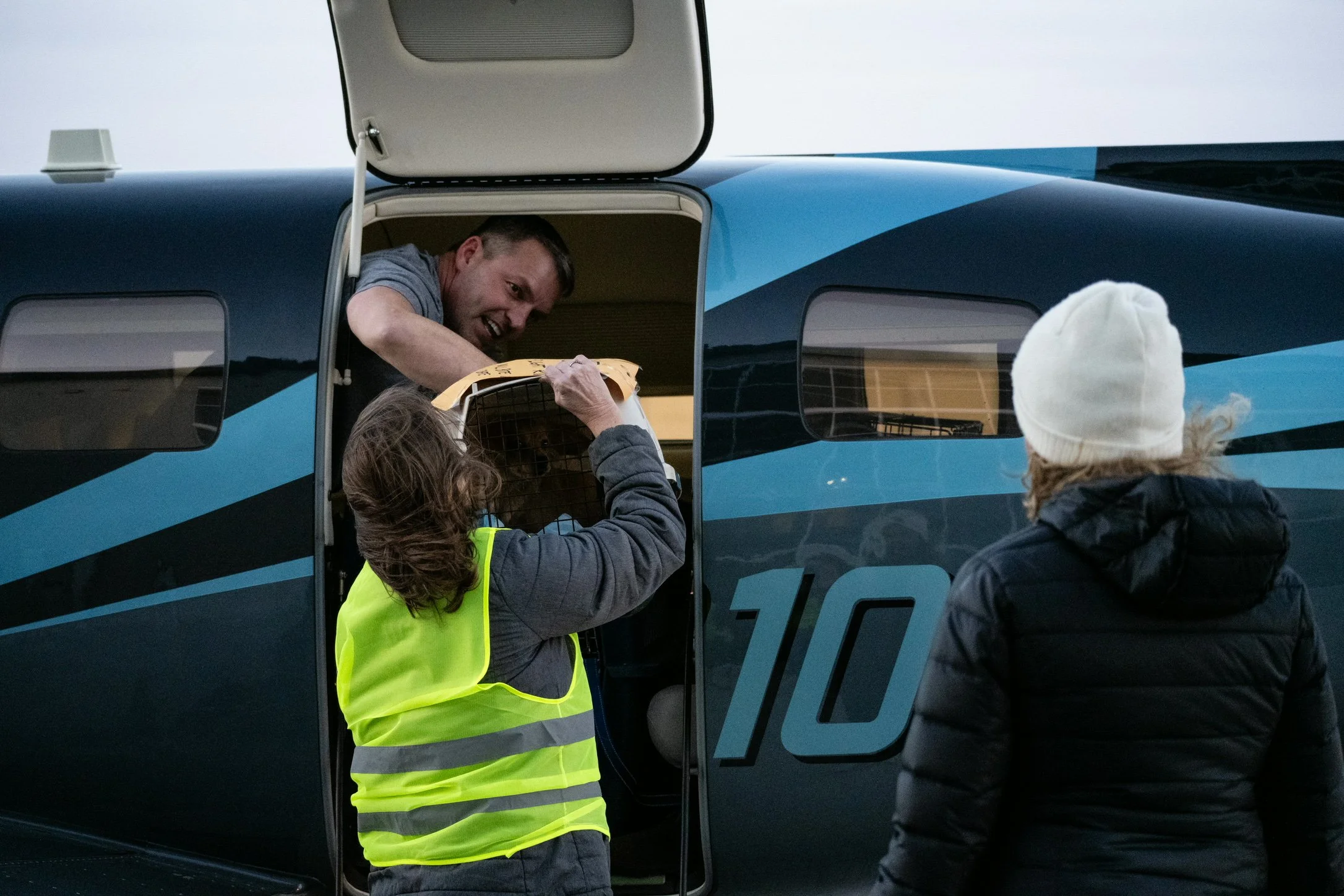
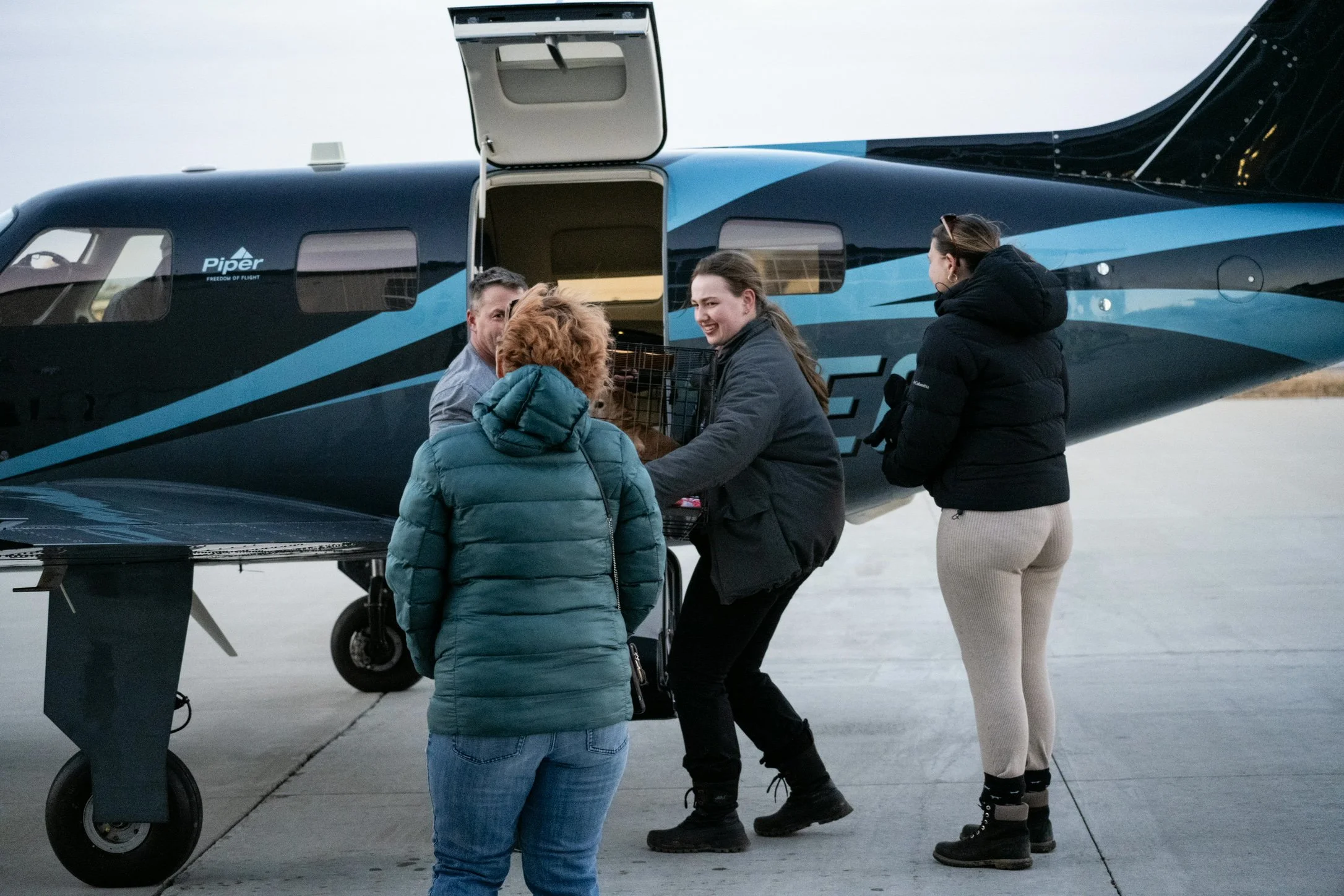
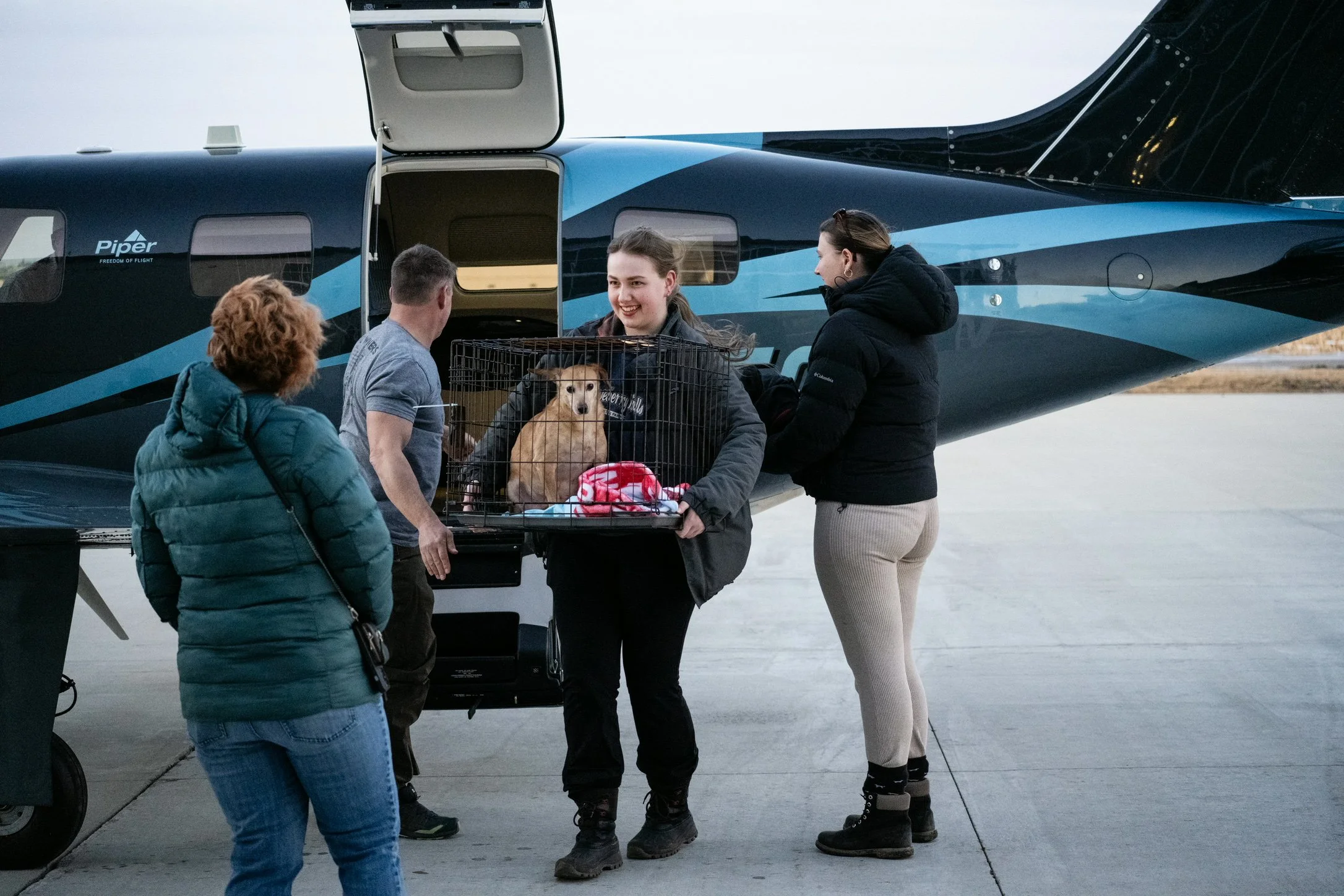
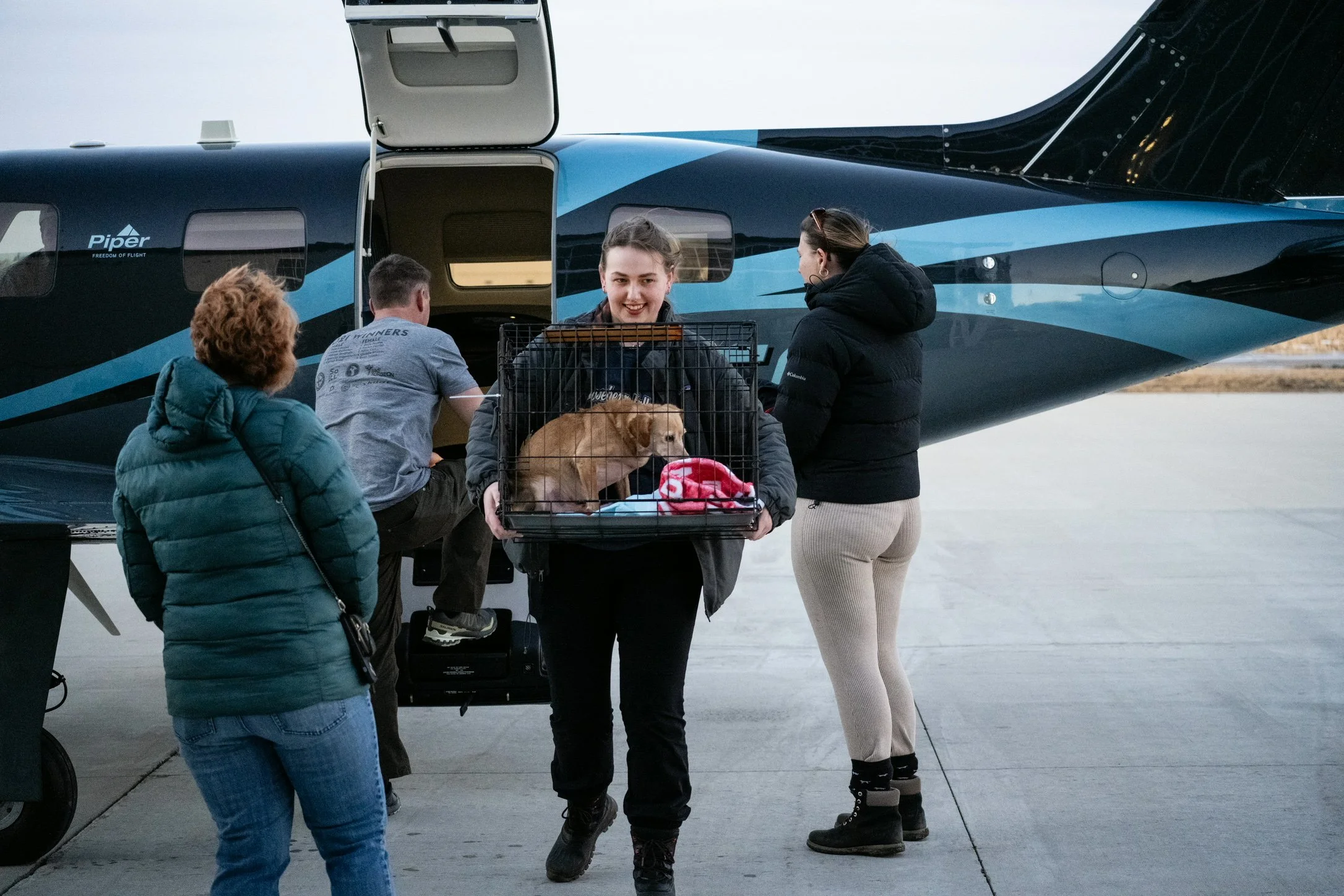
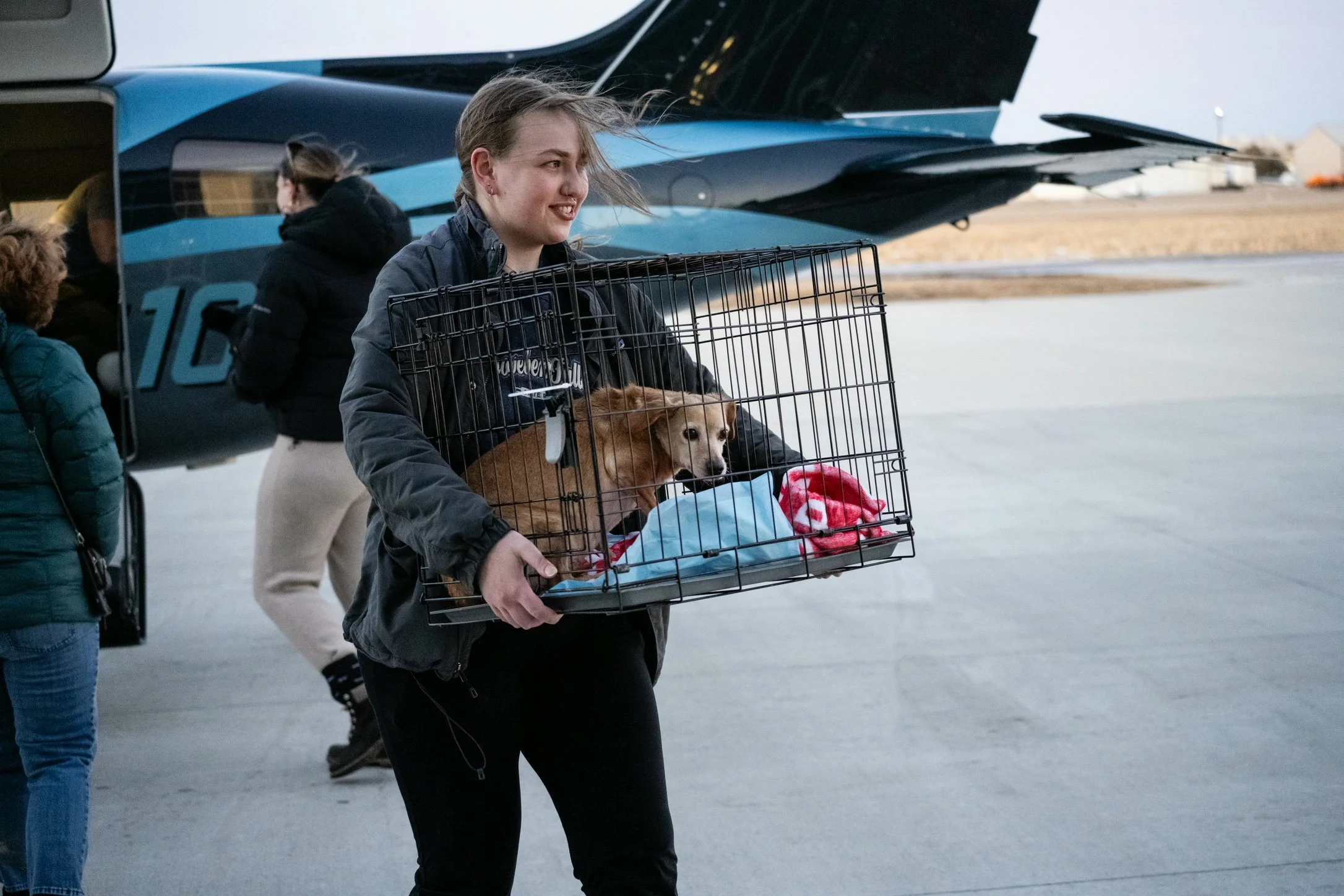
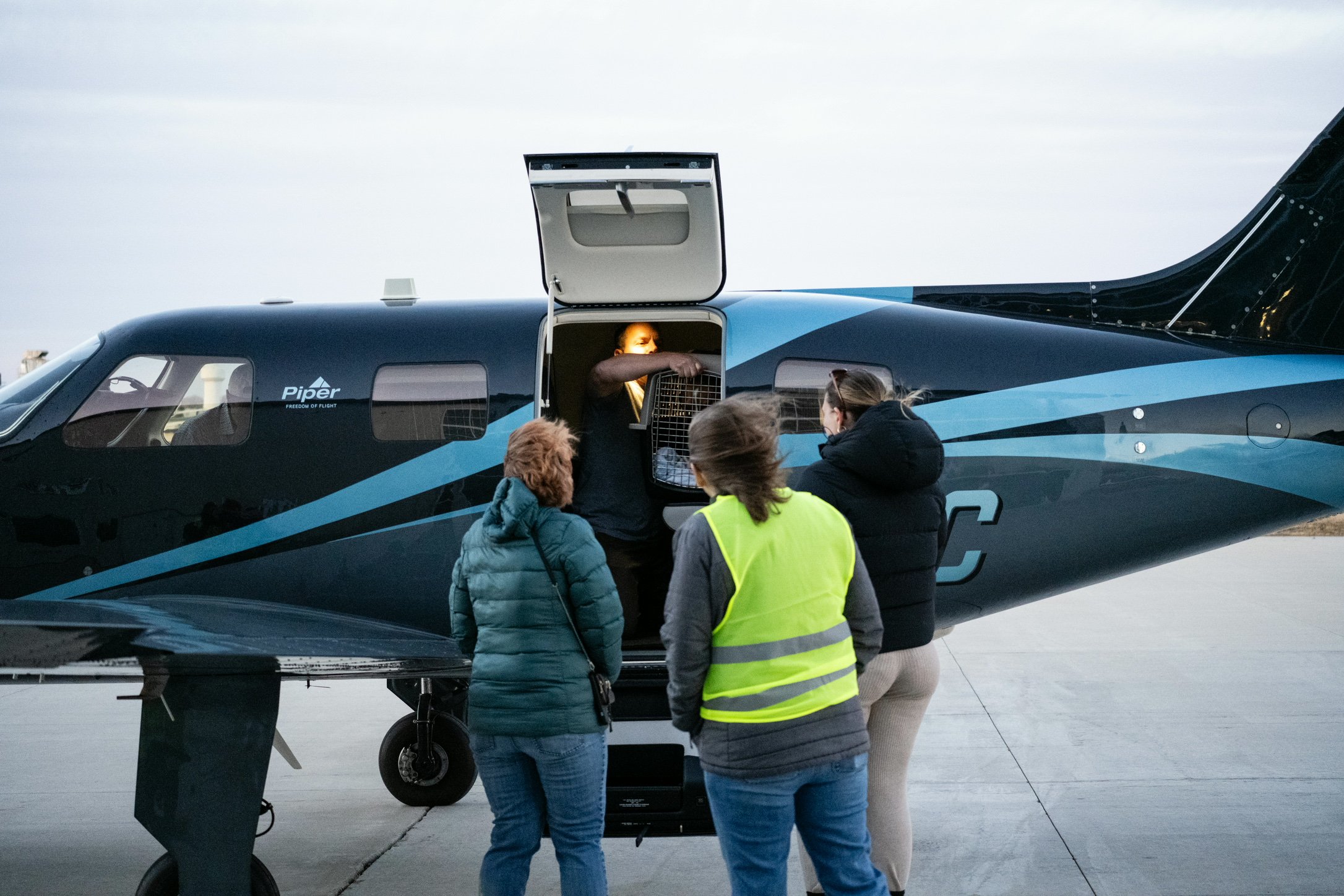
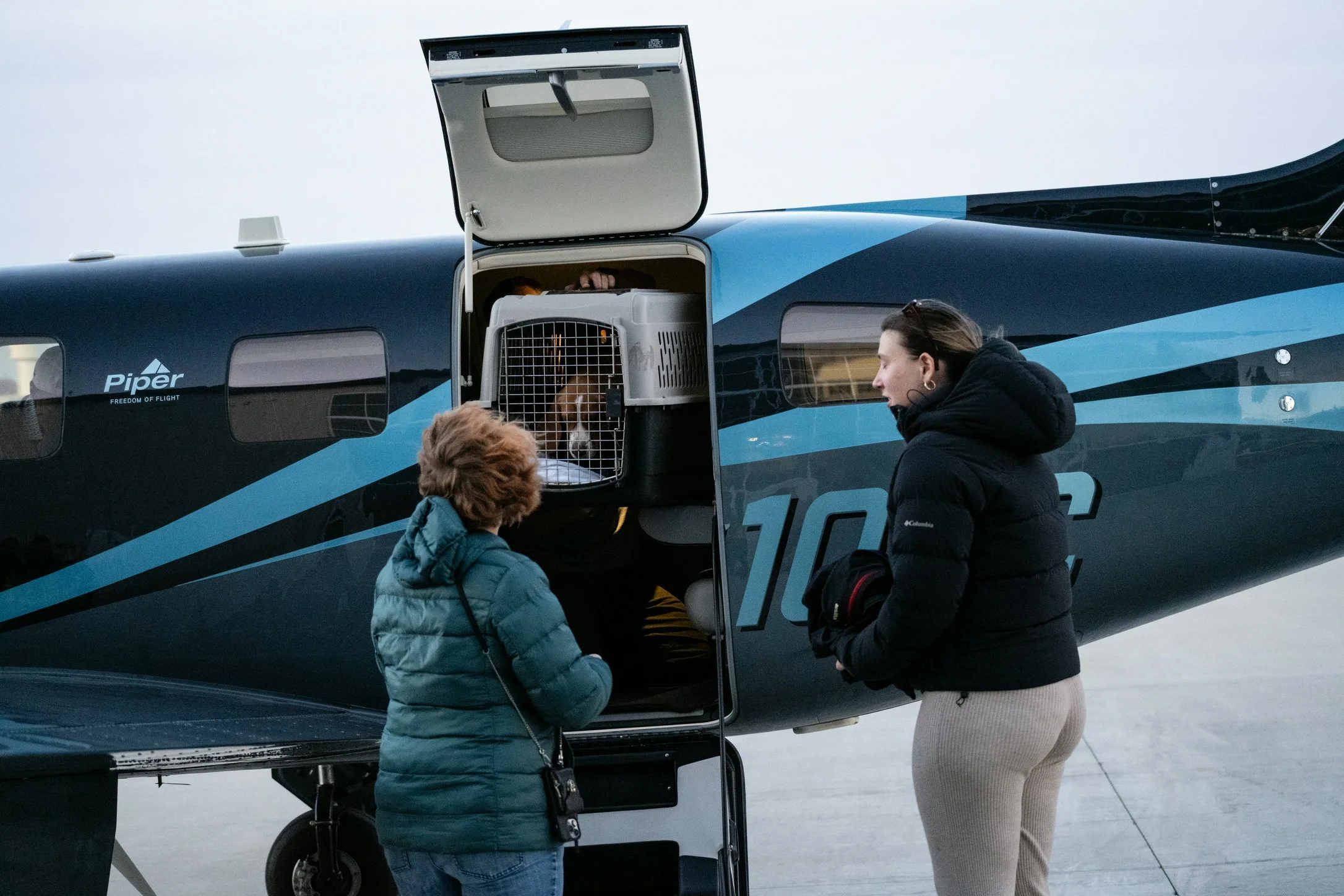
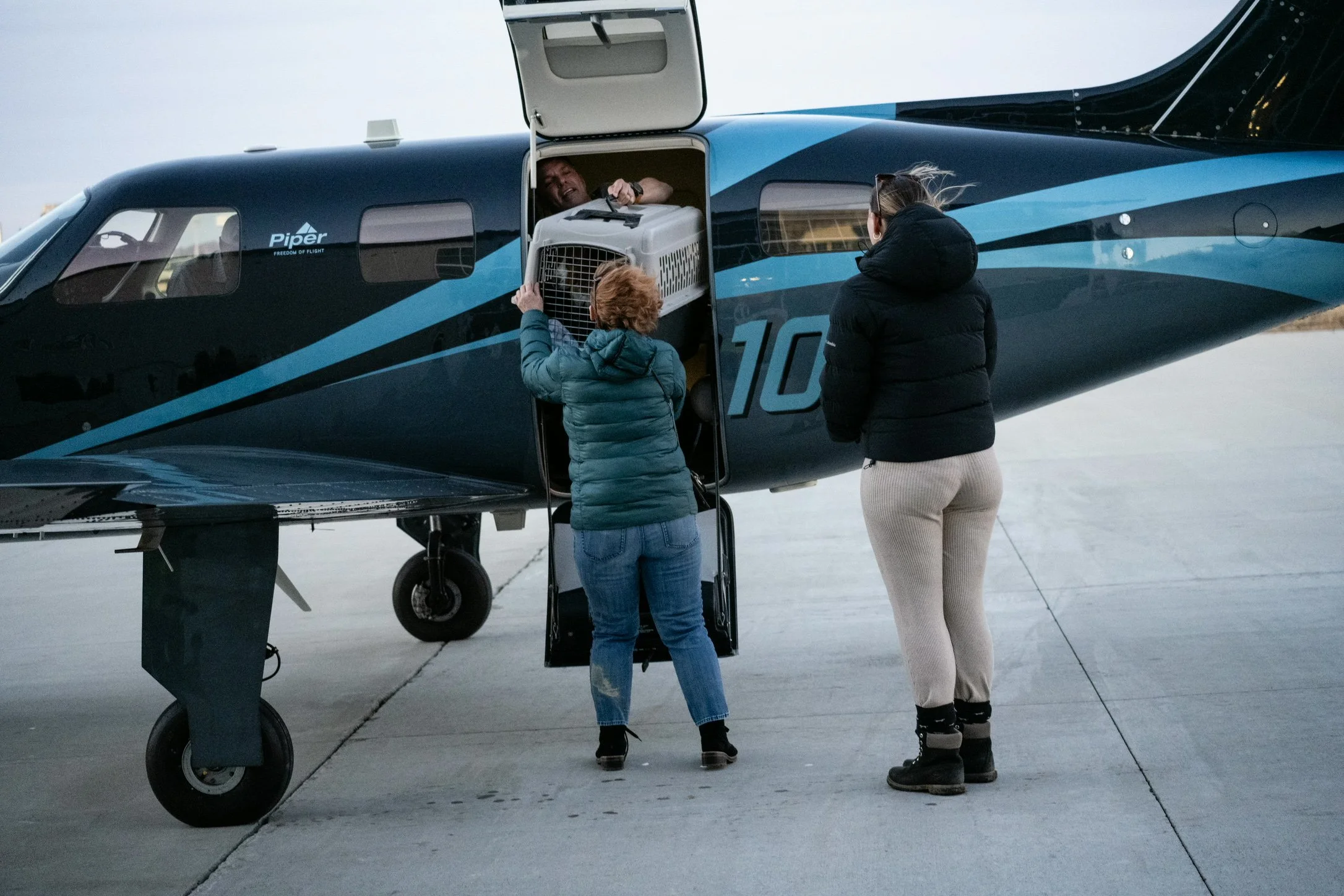
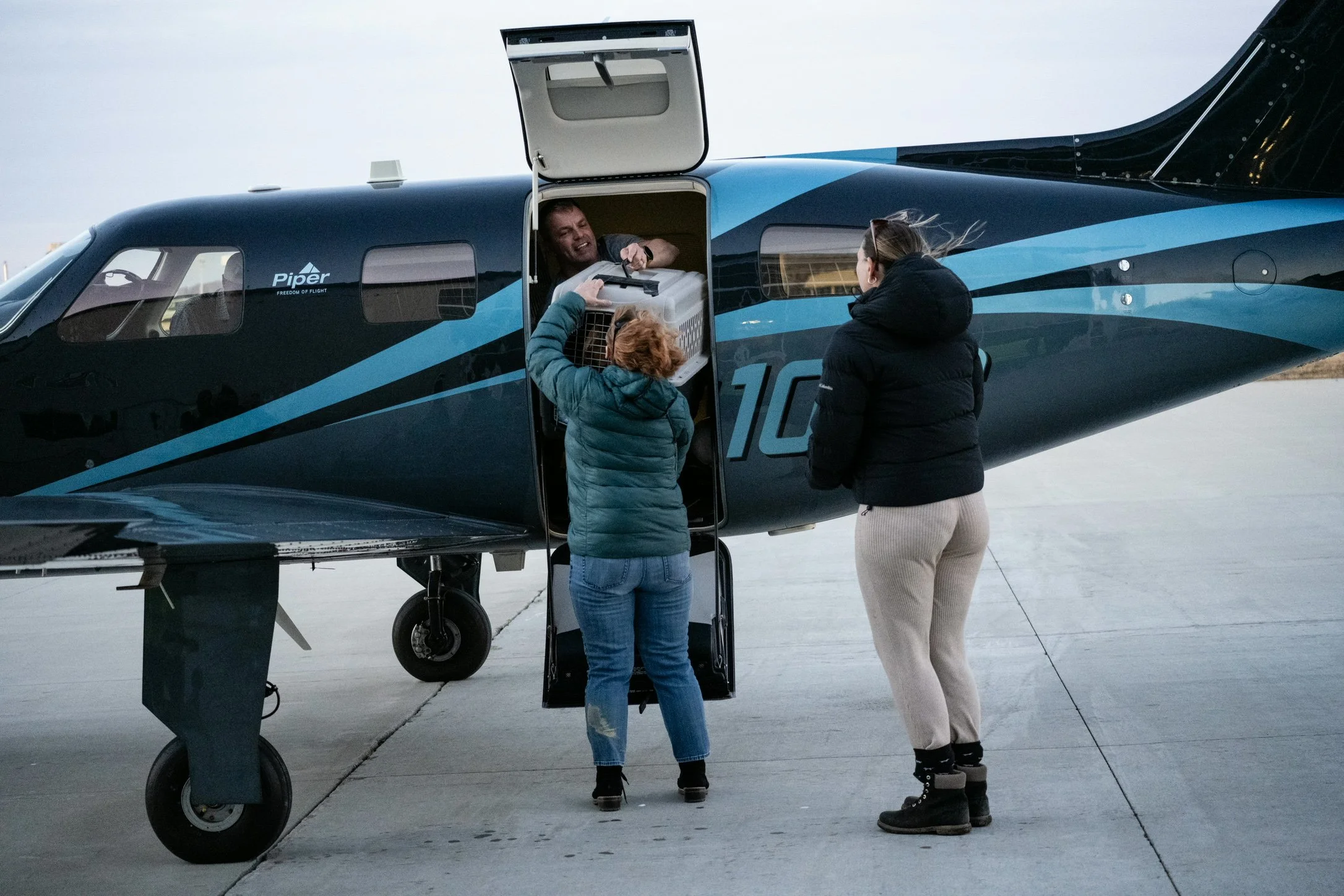
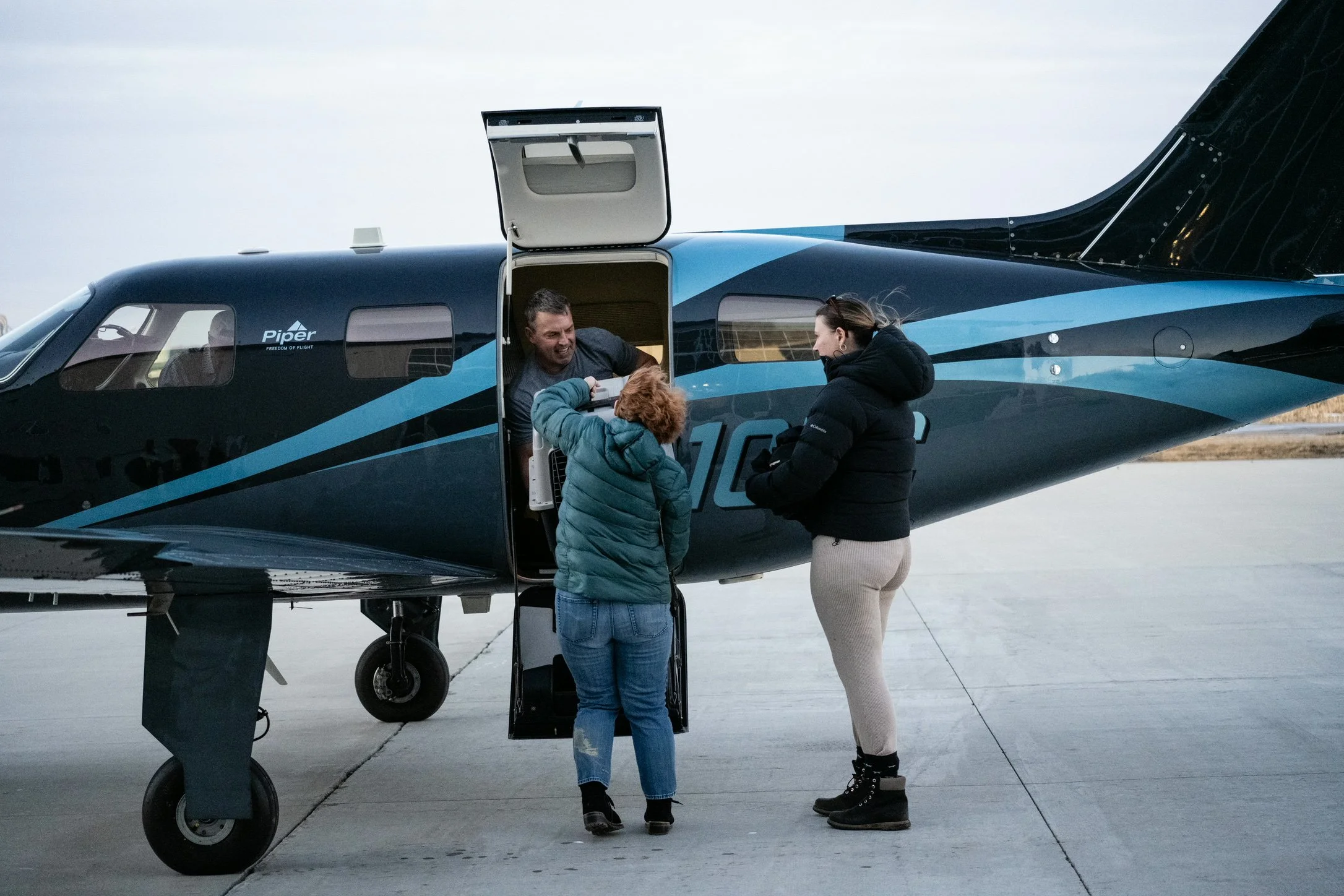
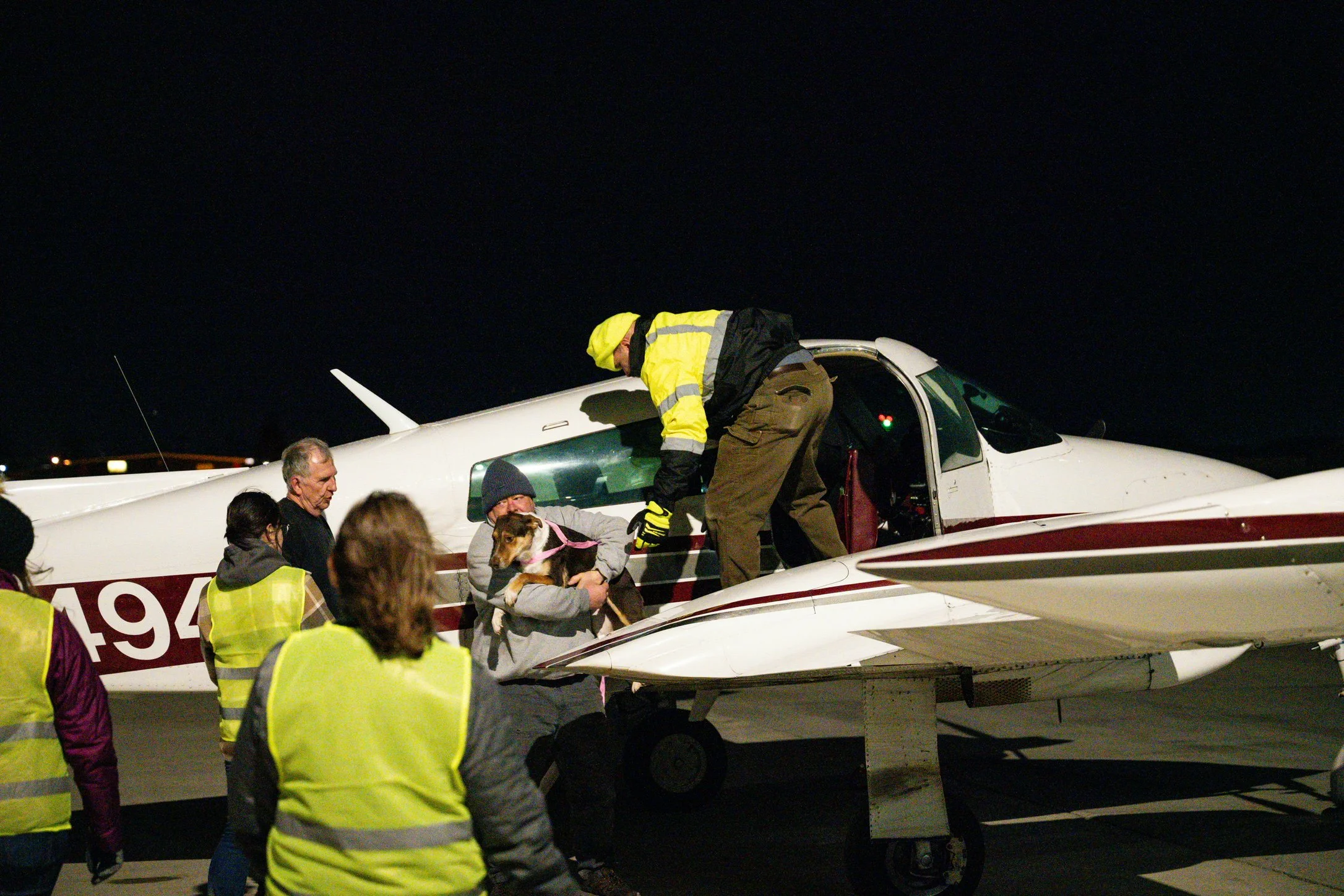
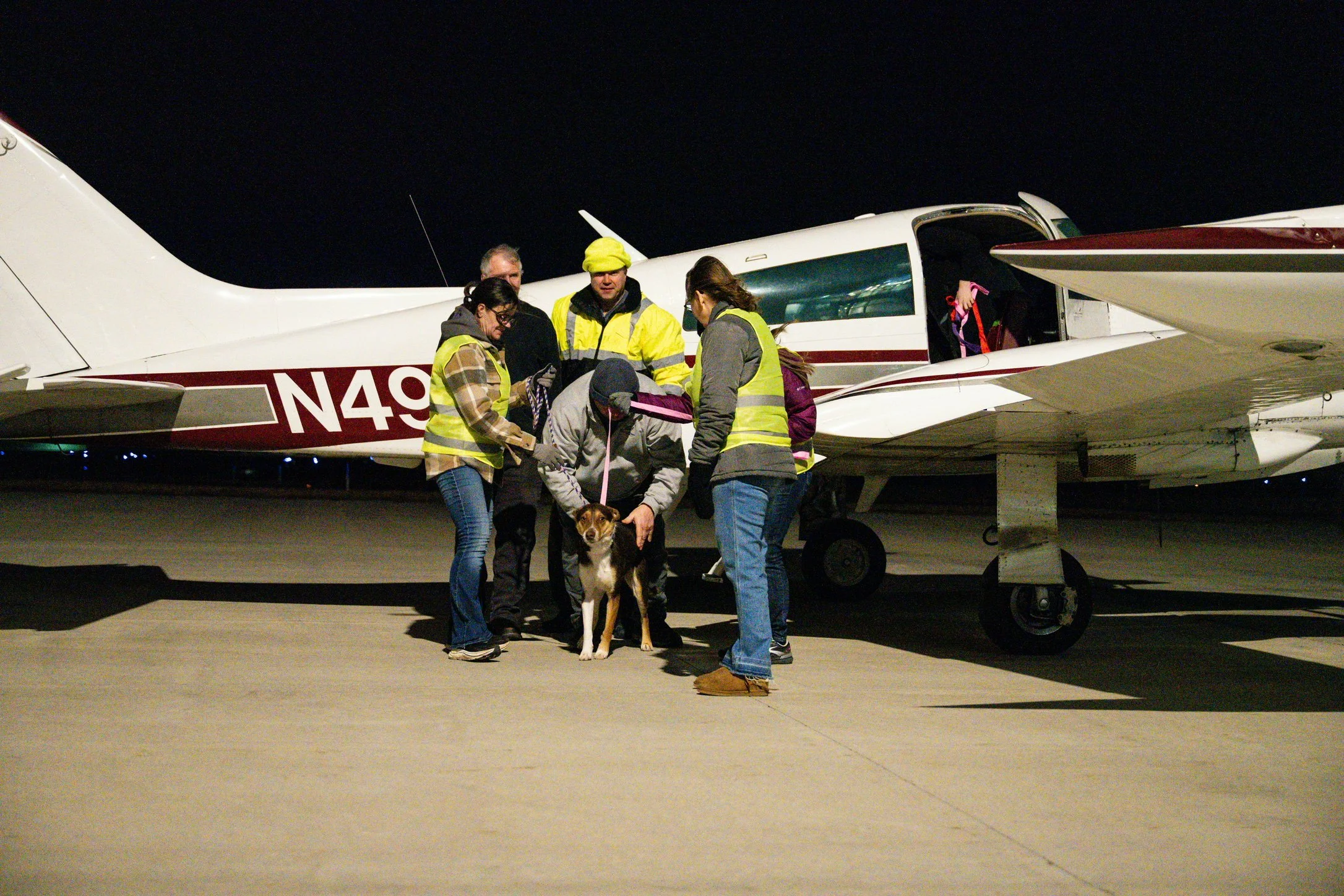
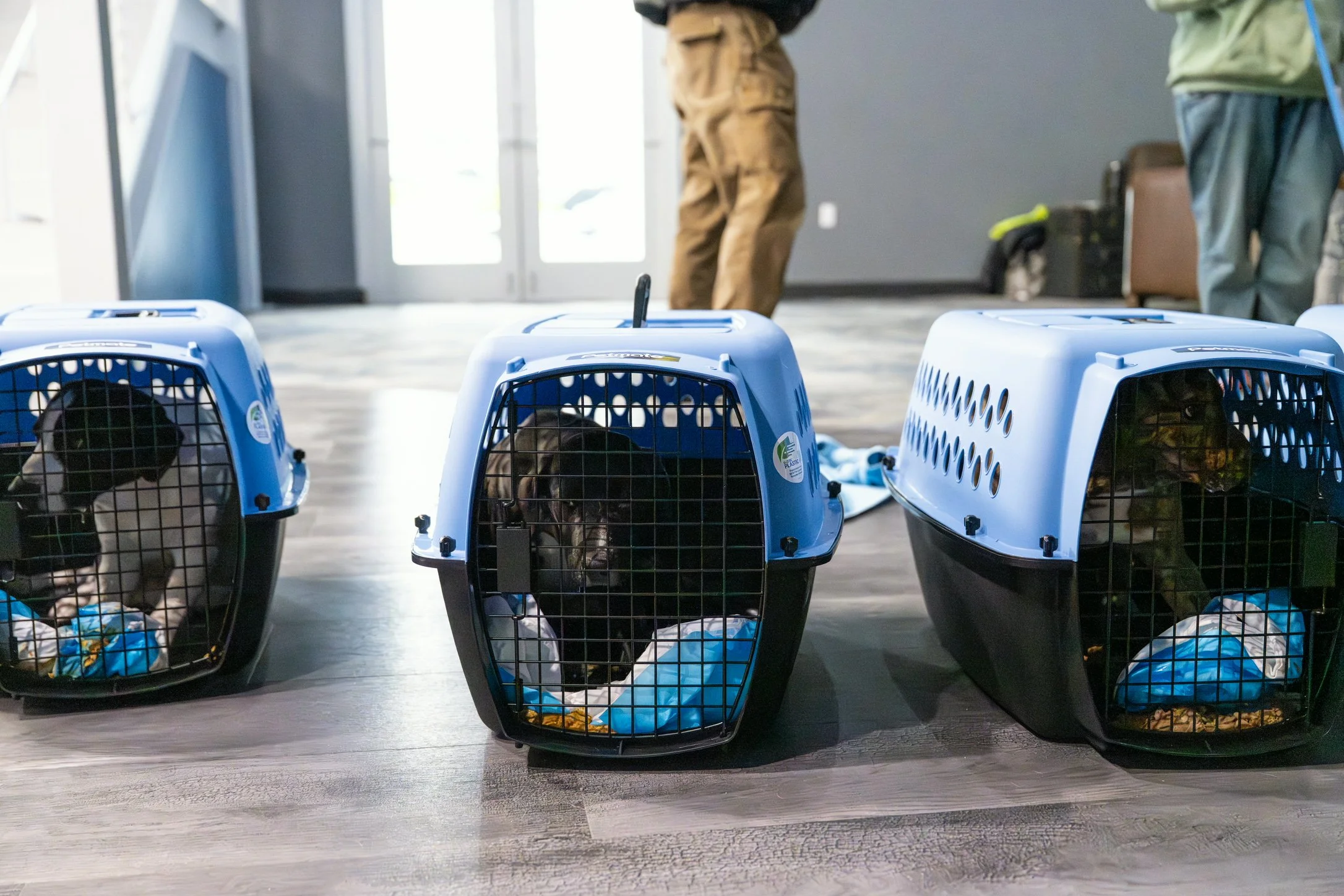
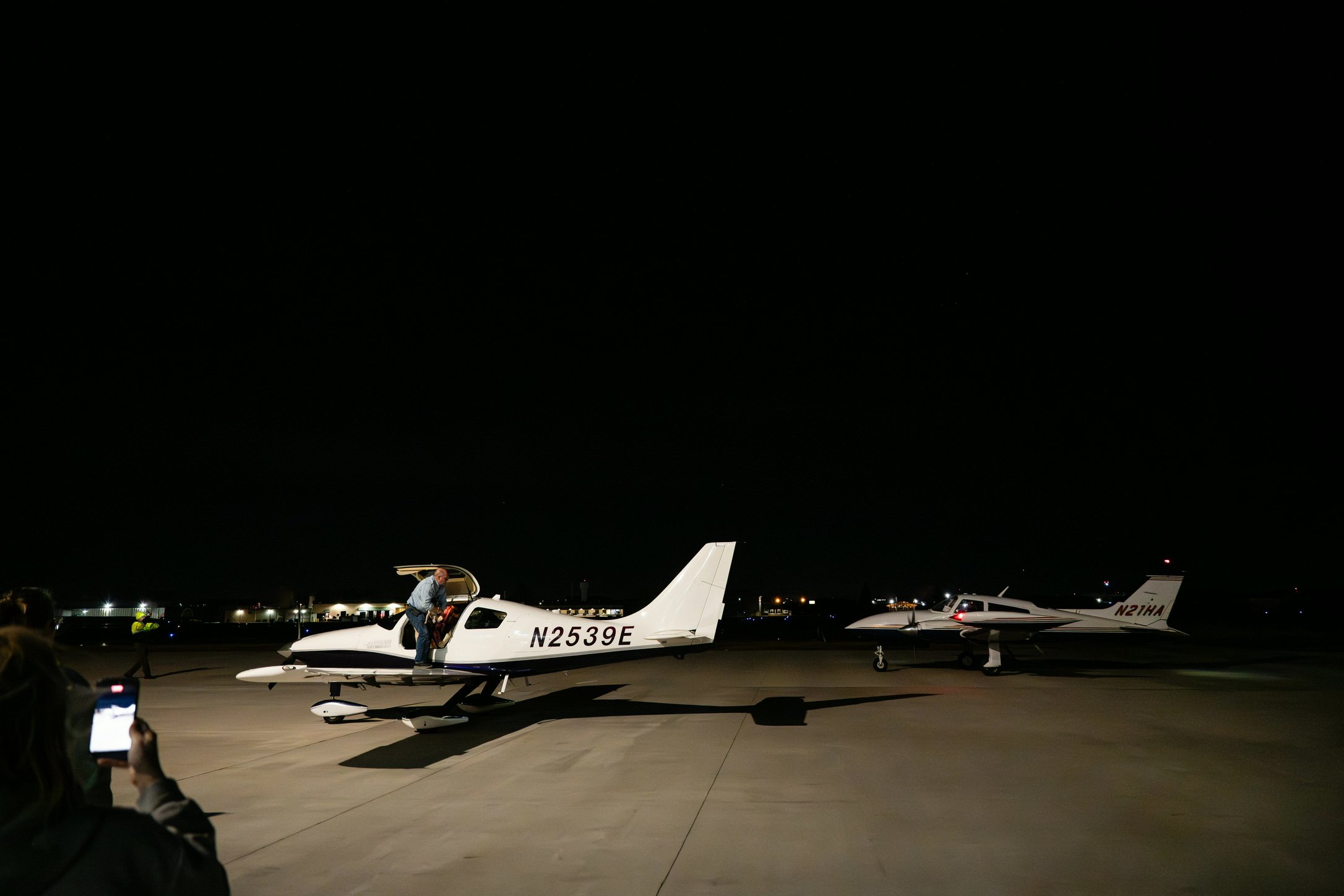
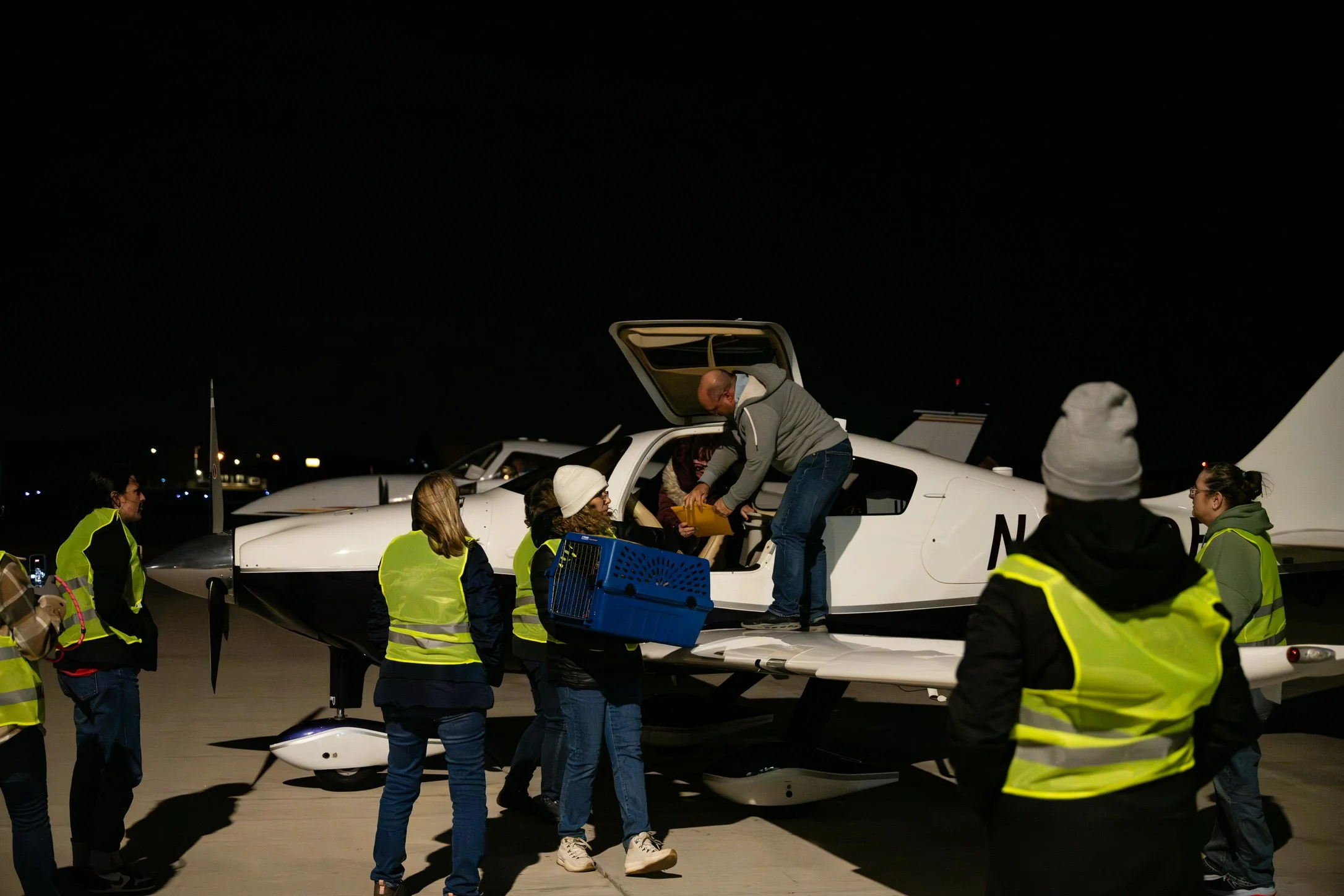
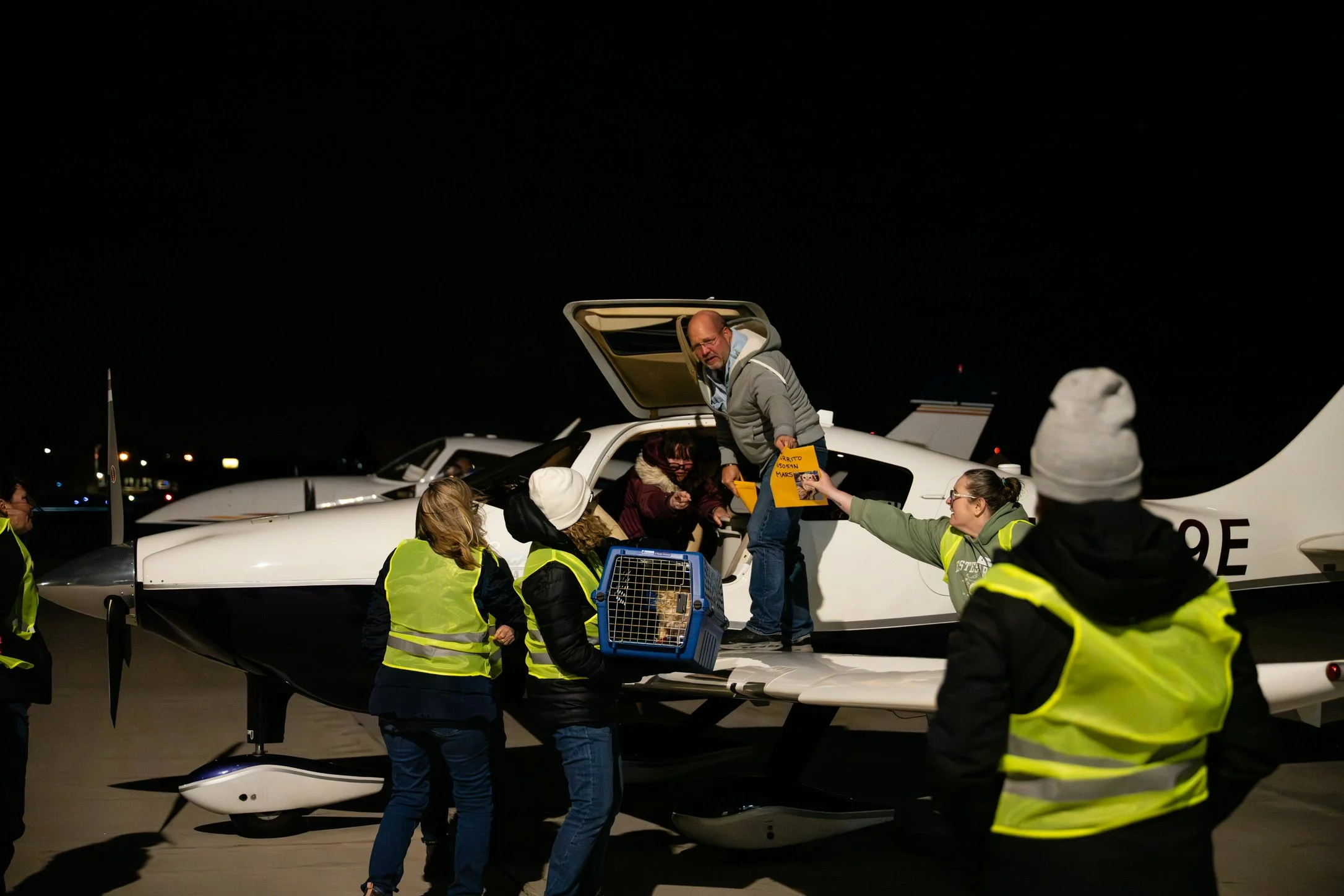
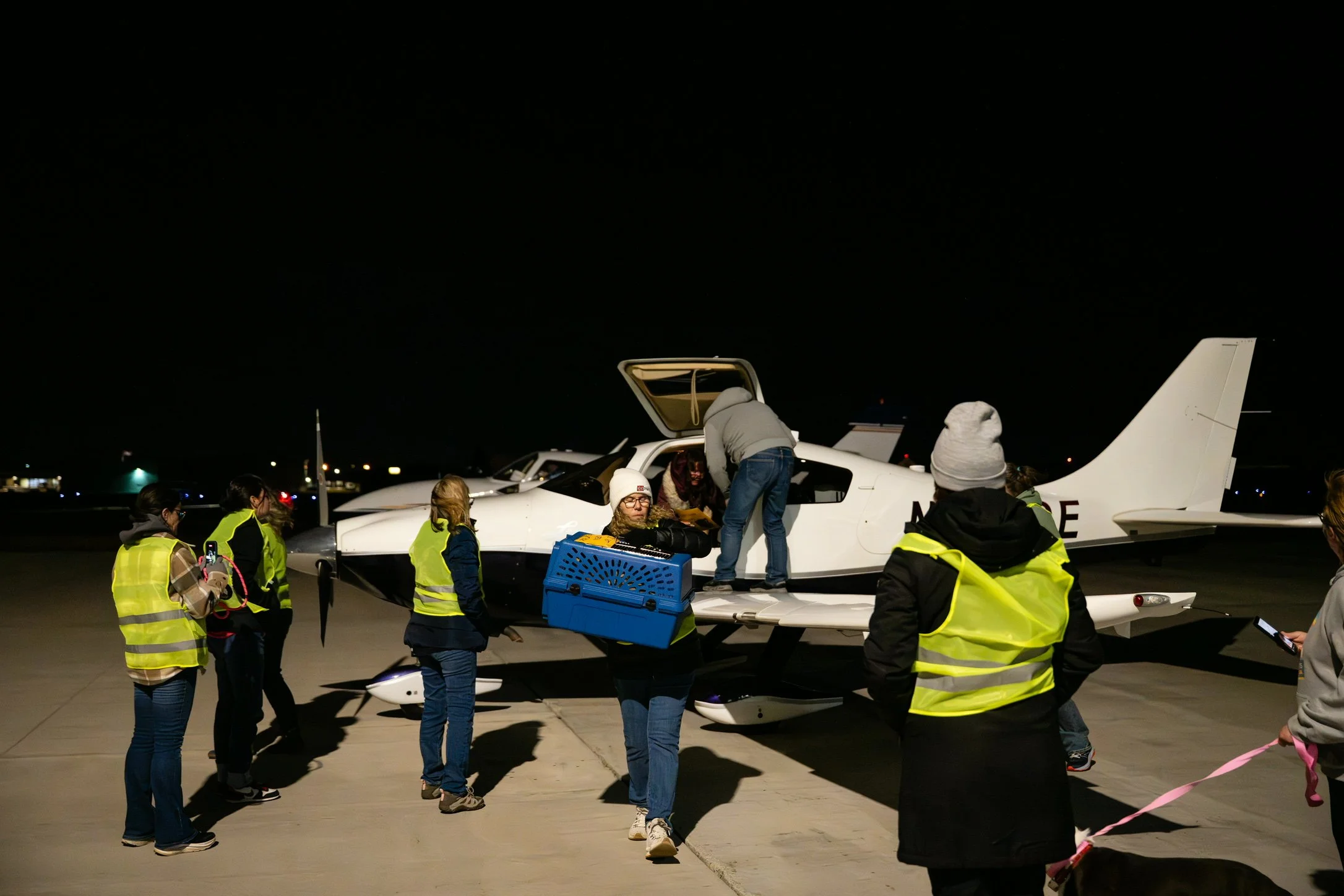
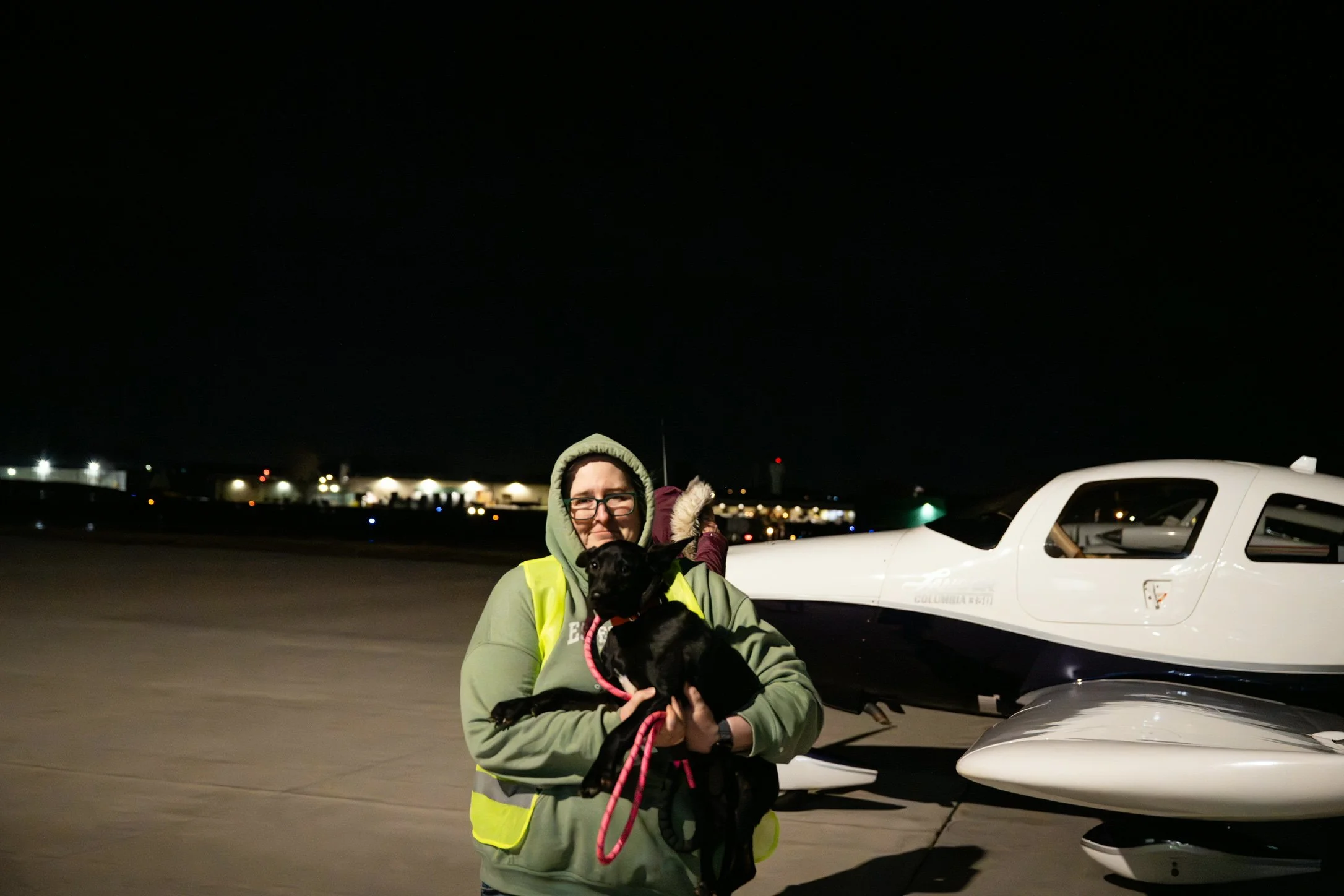
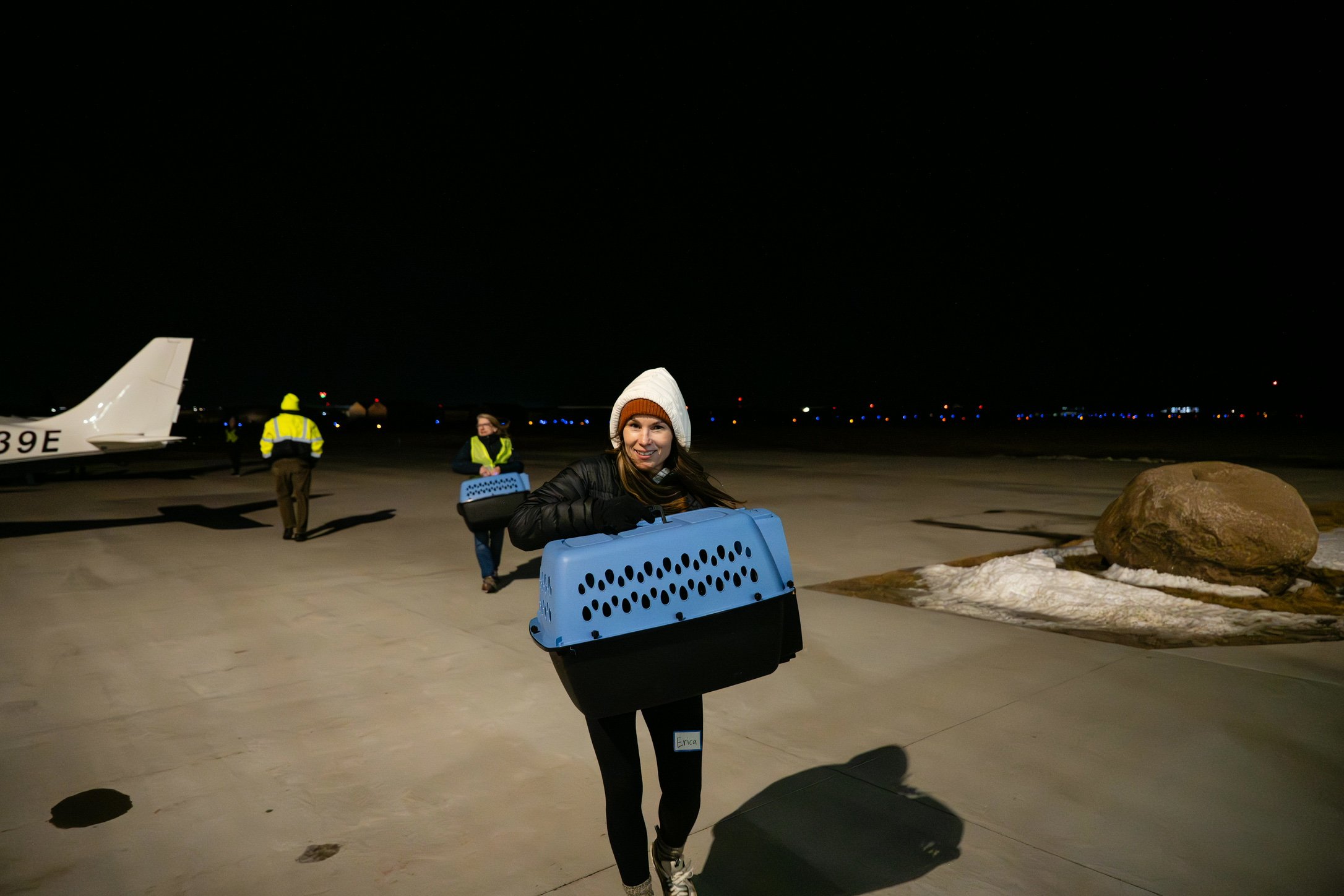
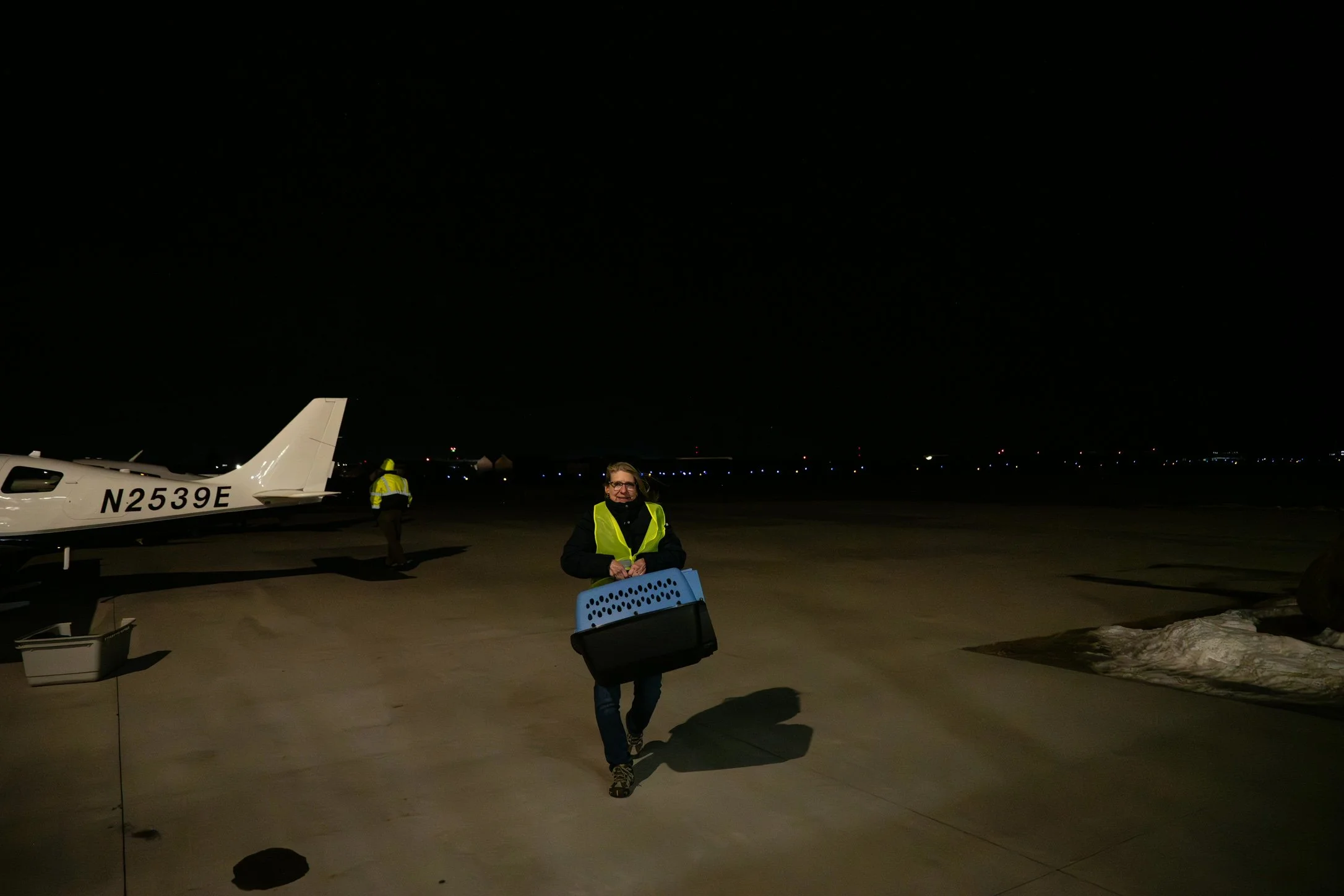
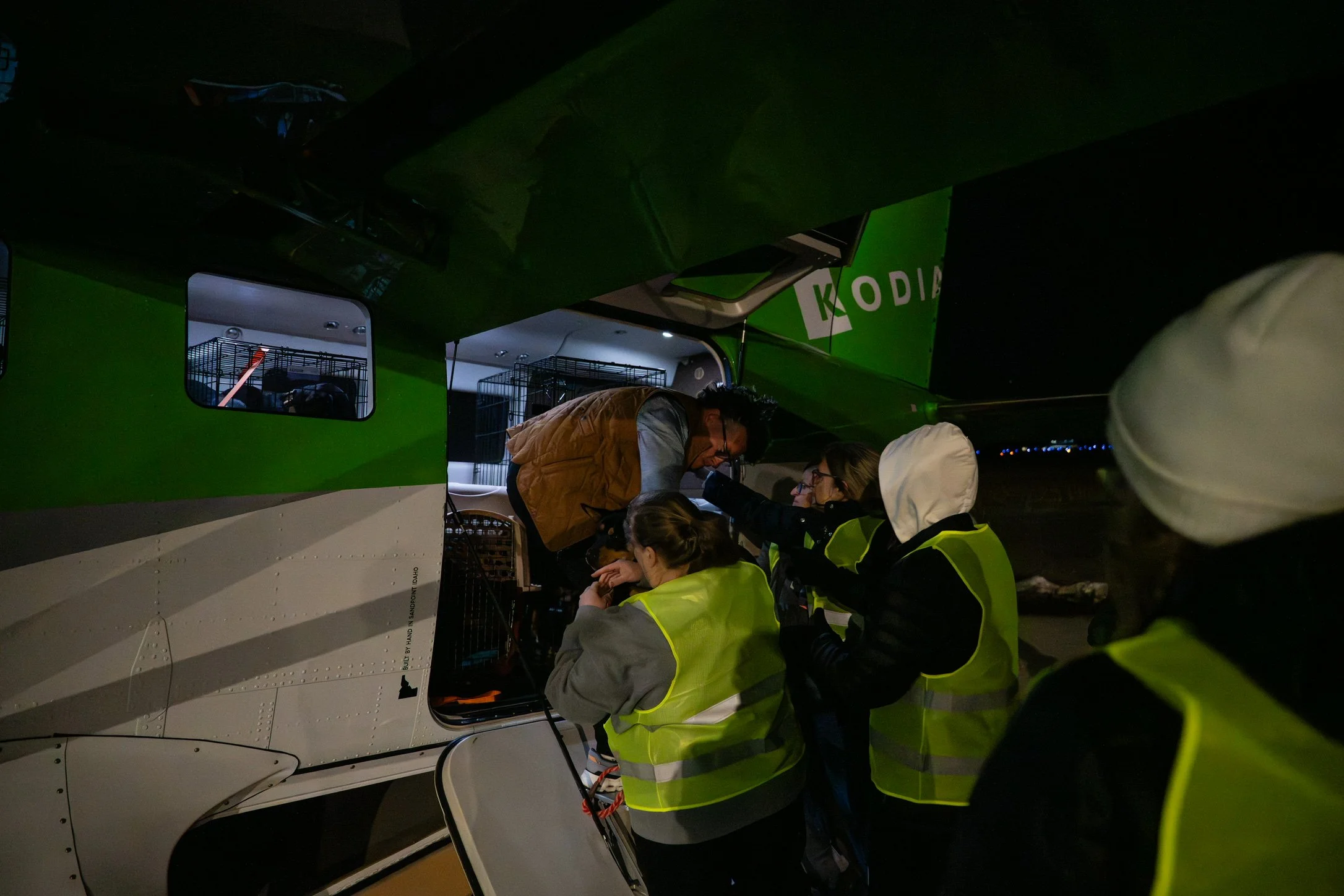
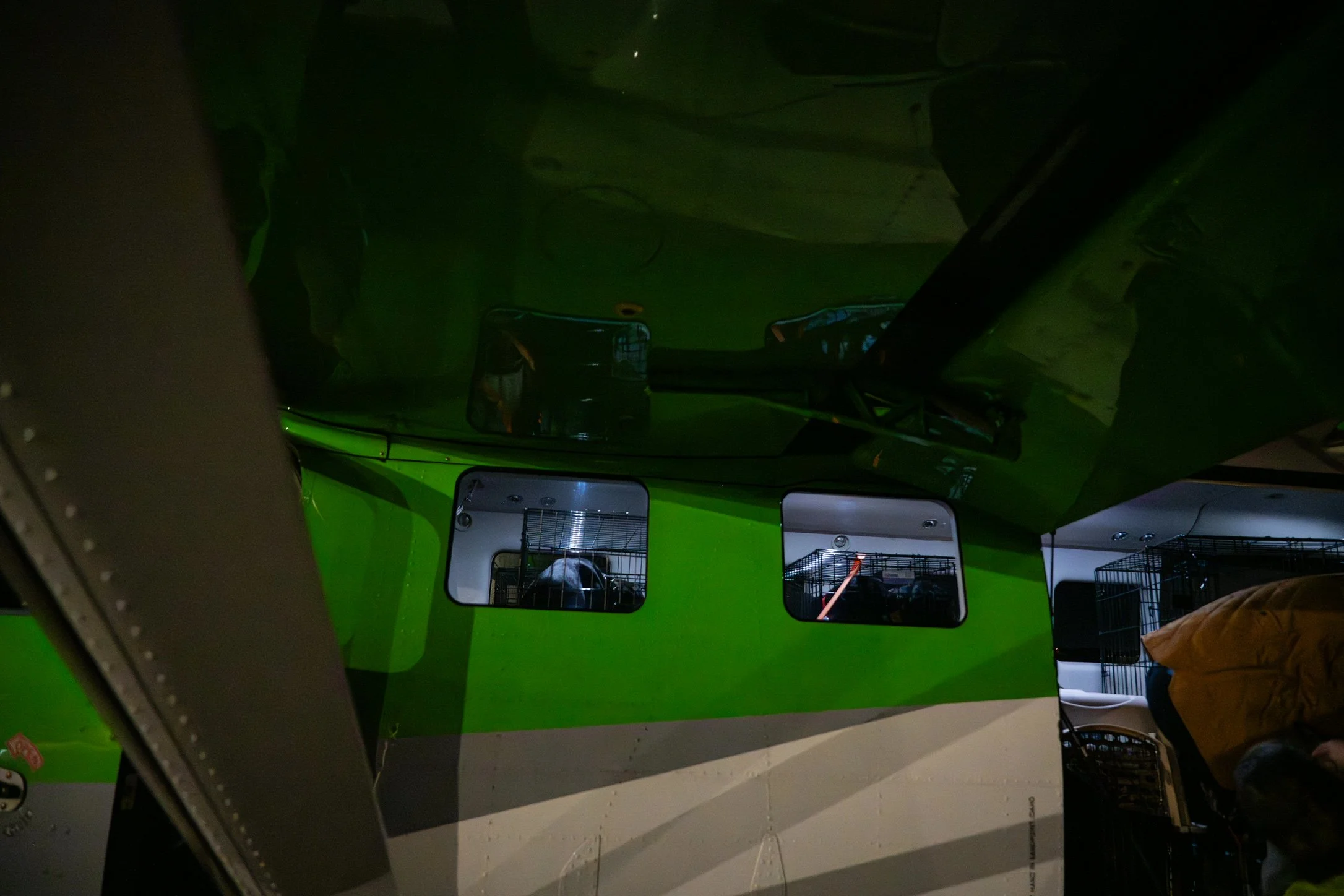
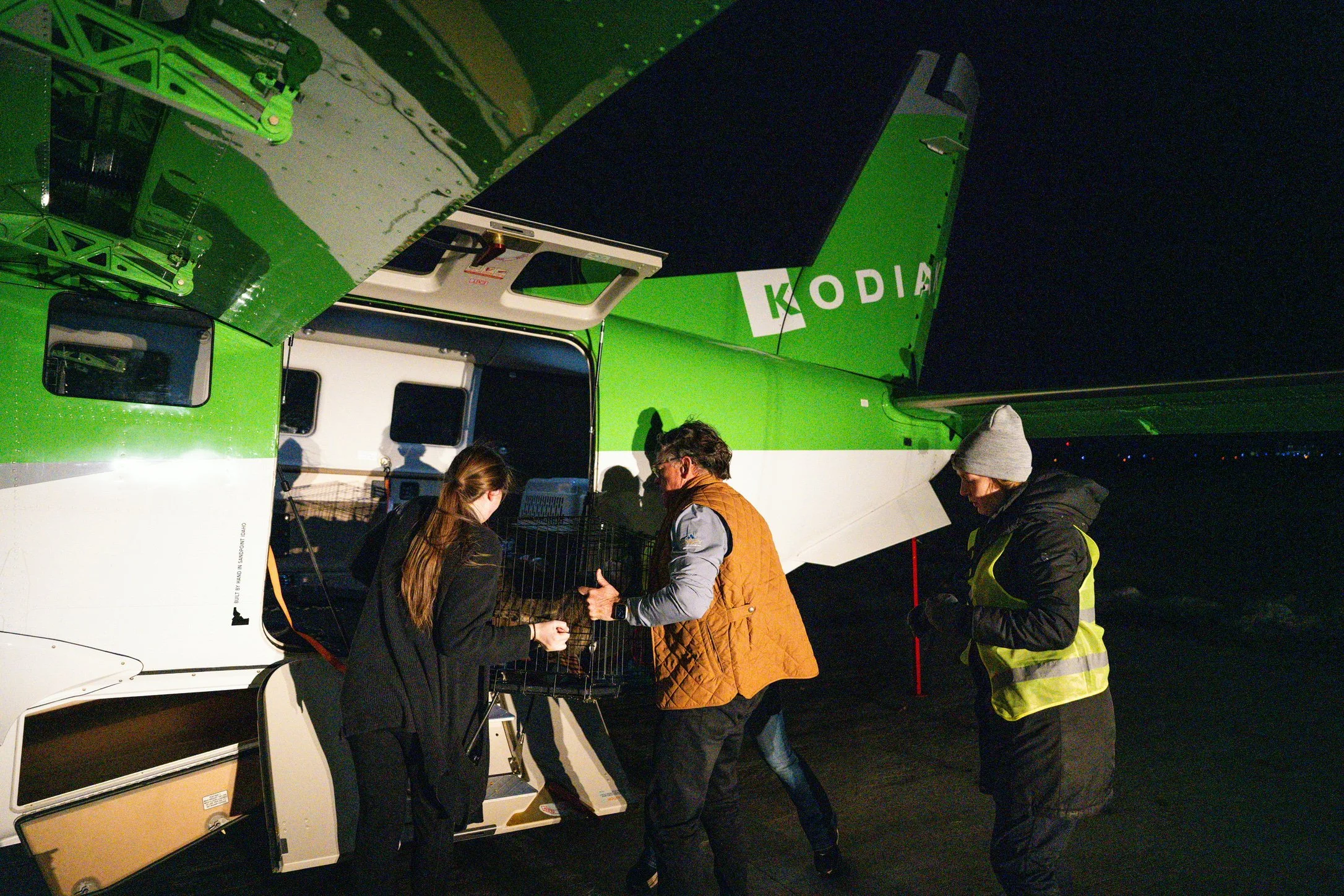
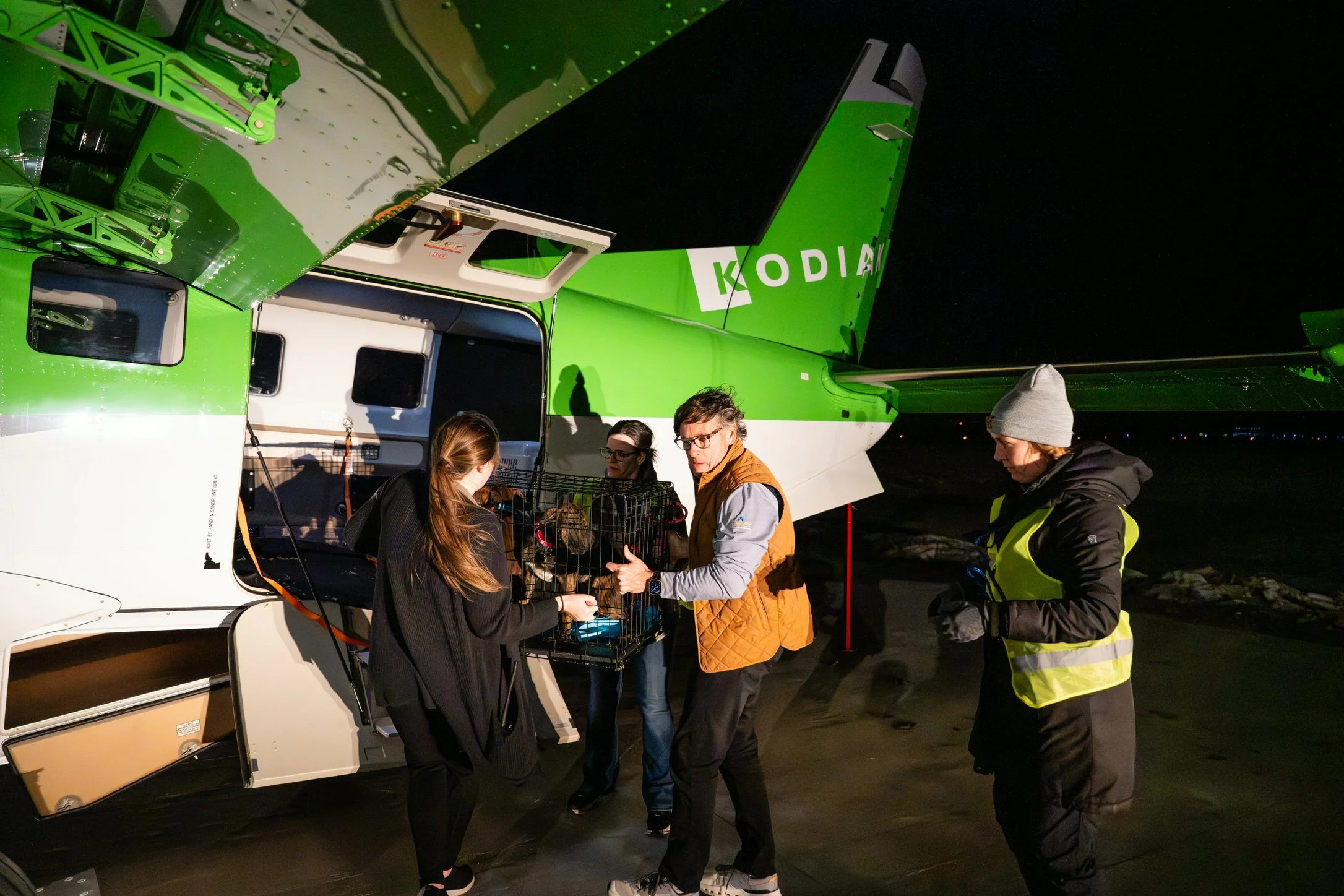
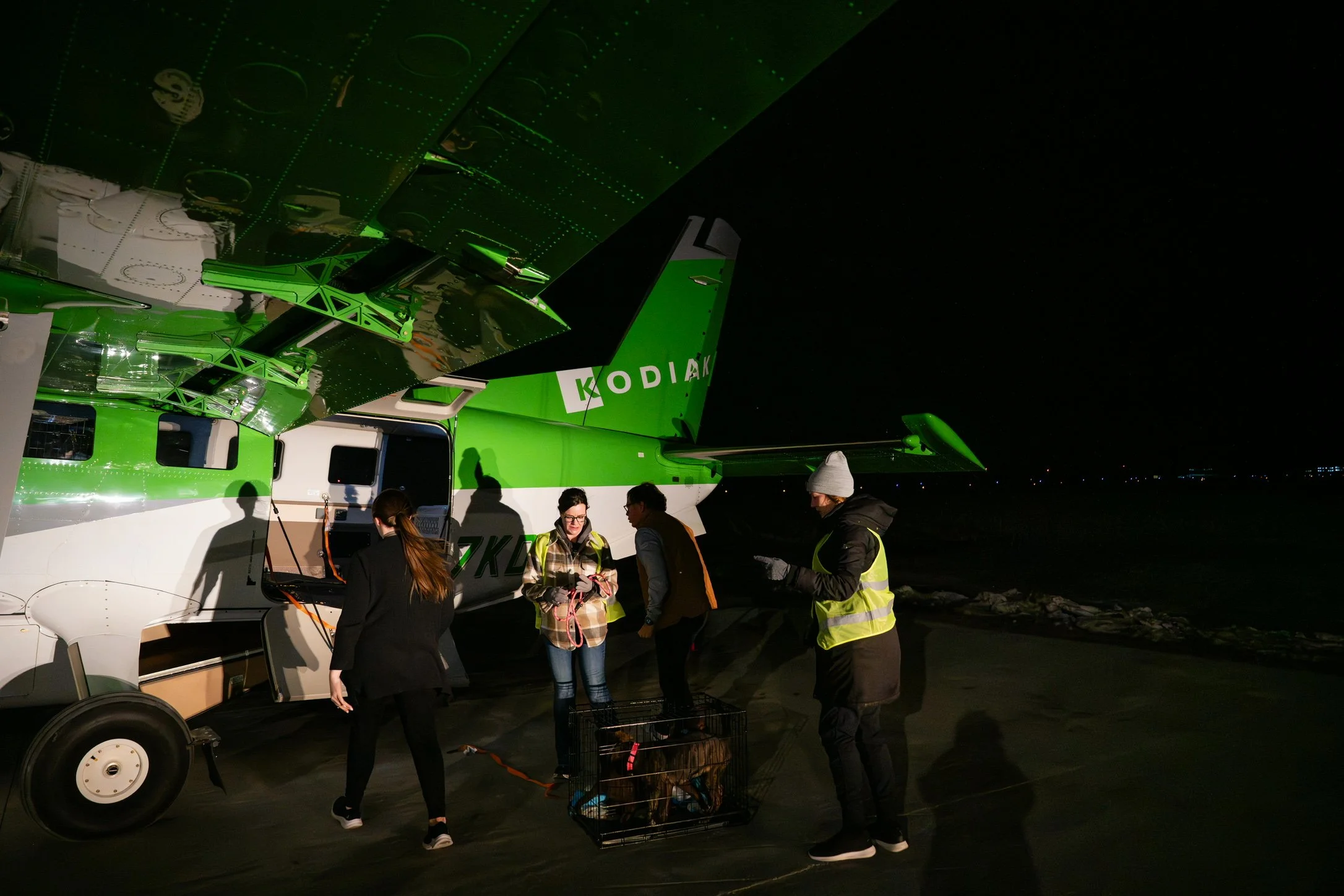
Despite rough air on the way south, the pilots successfully reached Missouri. Dogs were quickly loaded into crates inside the private aircraft from three separate airports across the St. Louis, Missouri area, many settling in and sleeping during the flight north, as rescue dogs often do. But the return trip proved equally challenging.
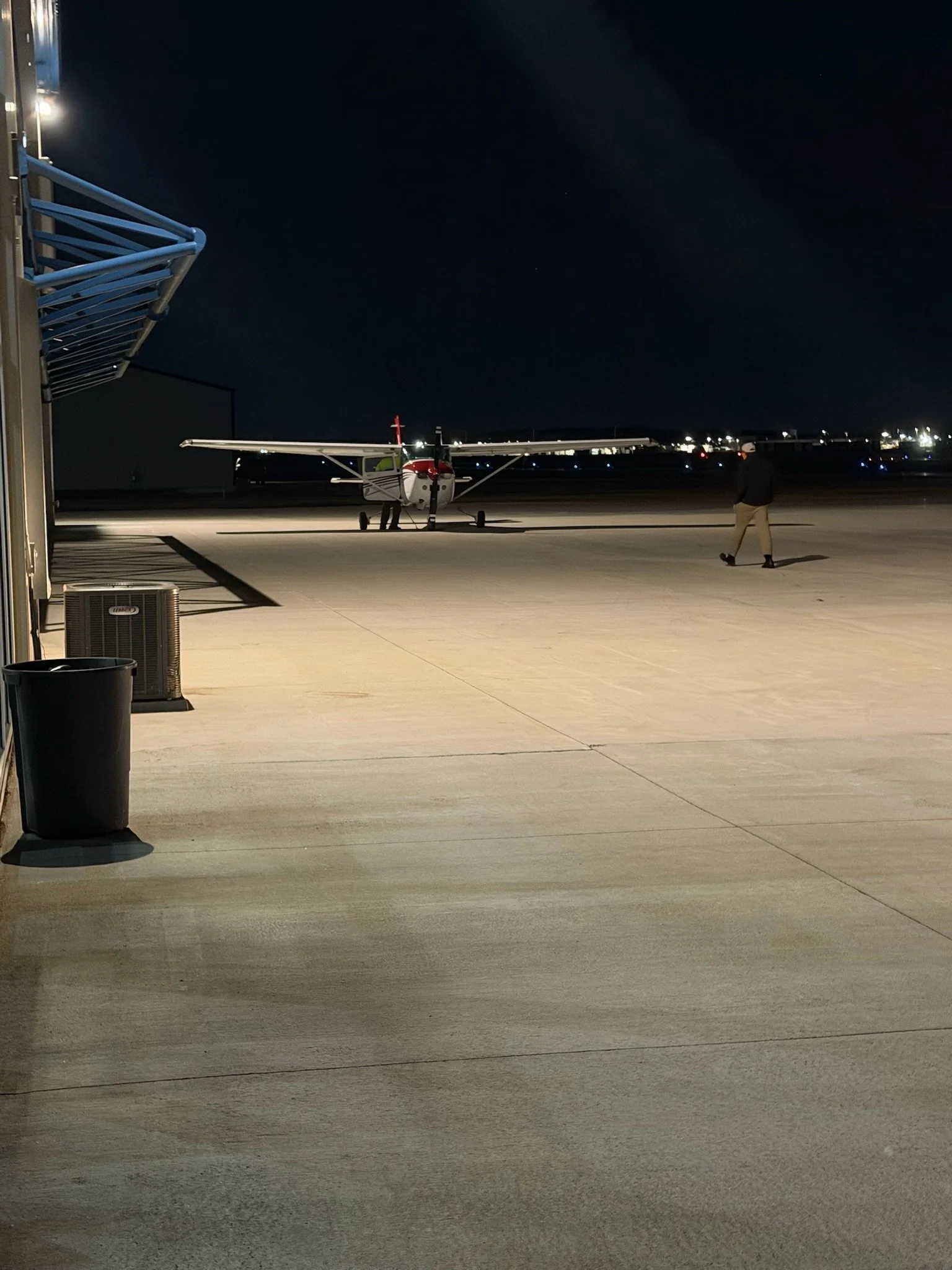
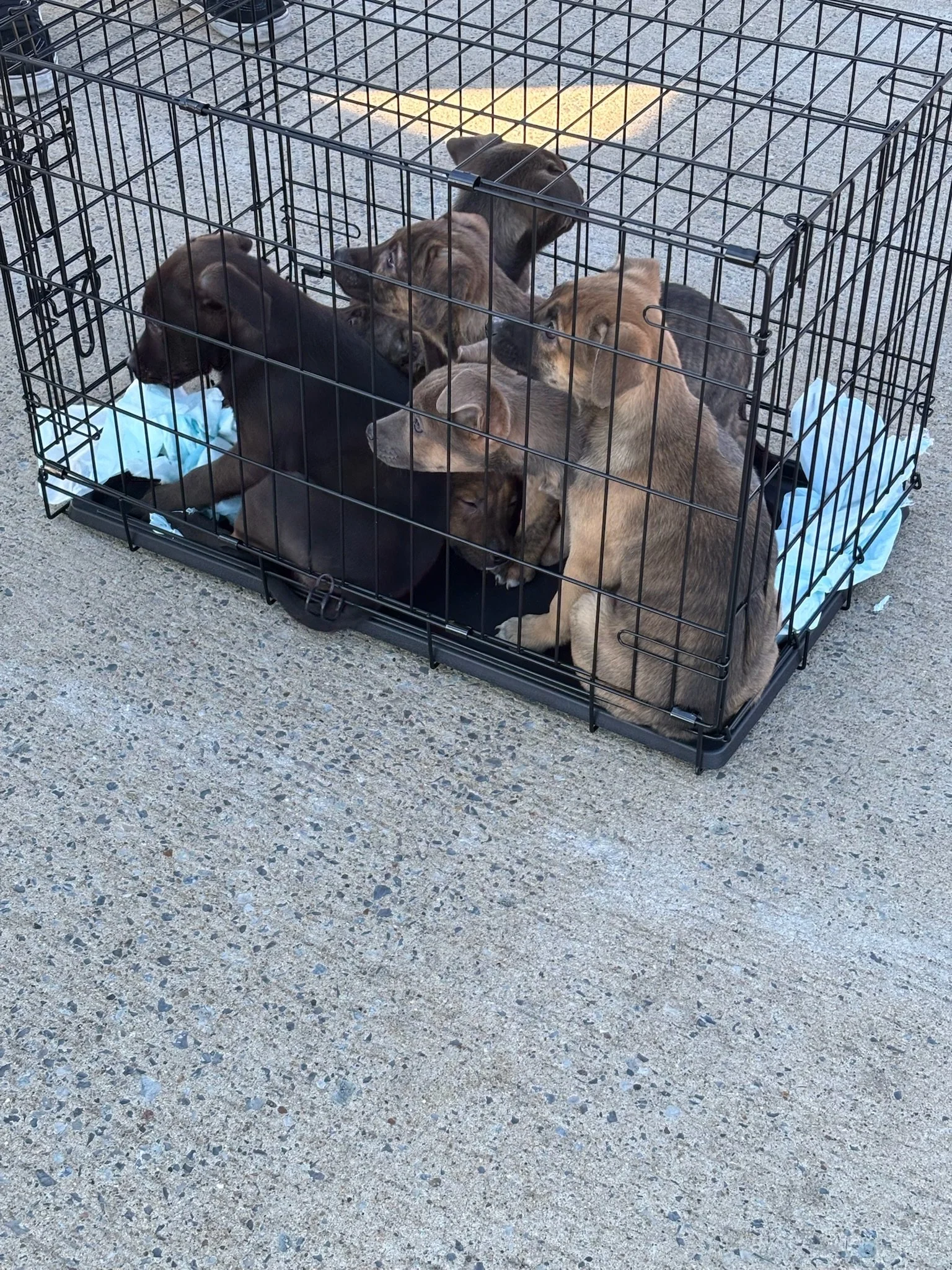
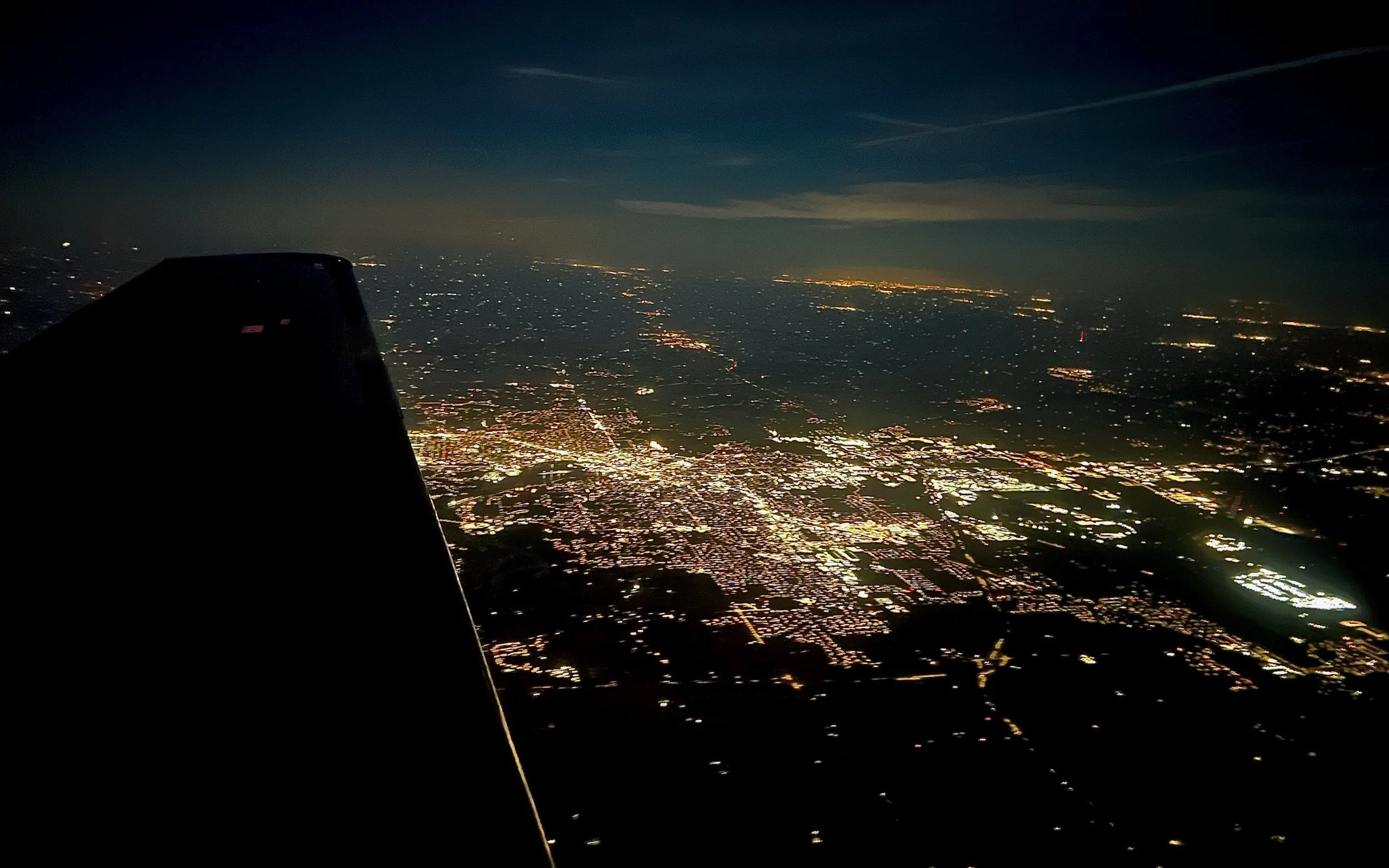
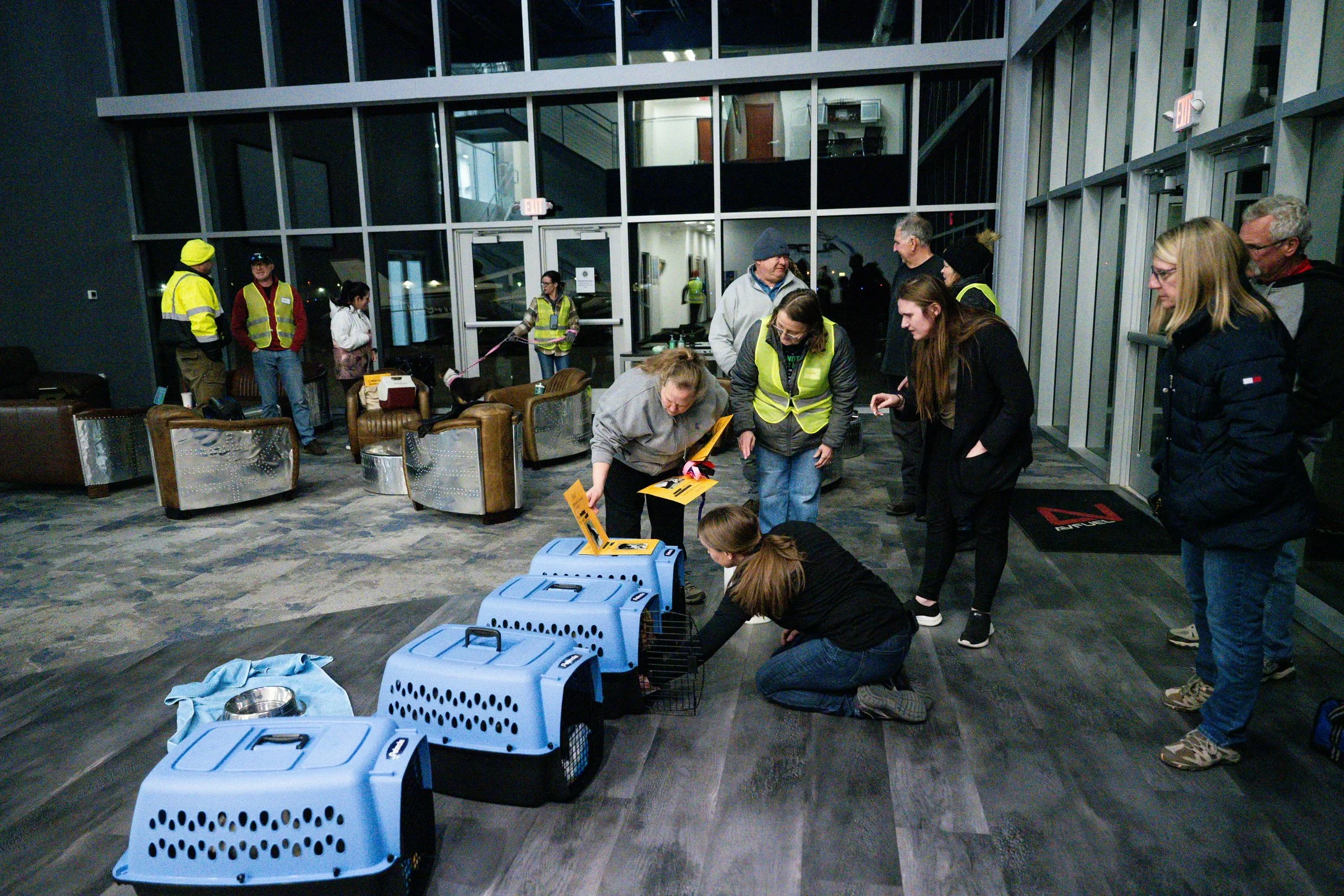
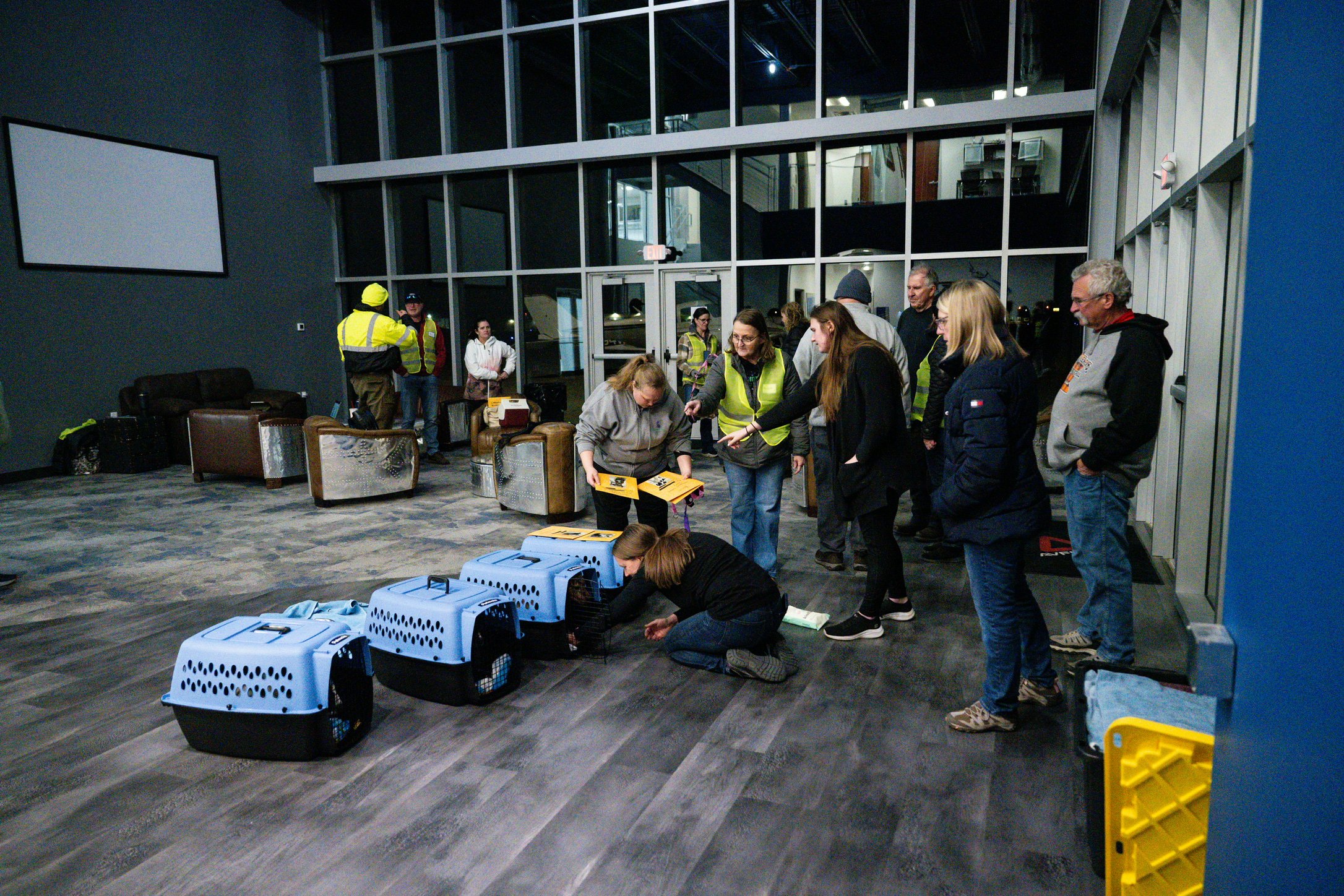
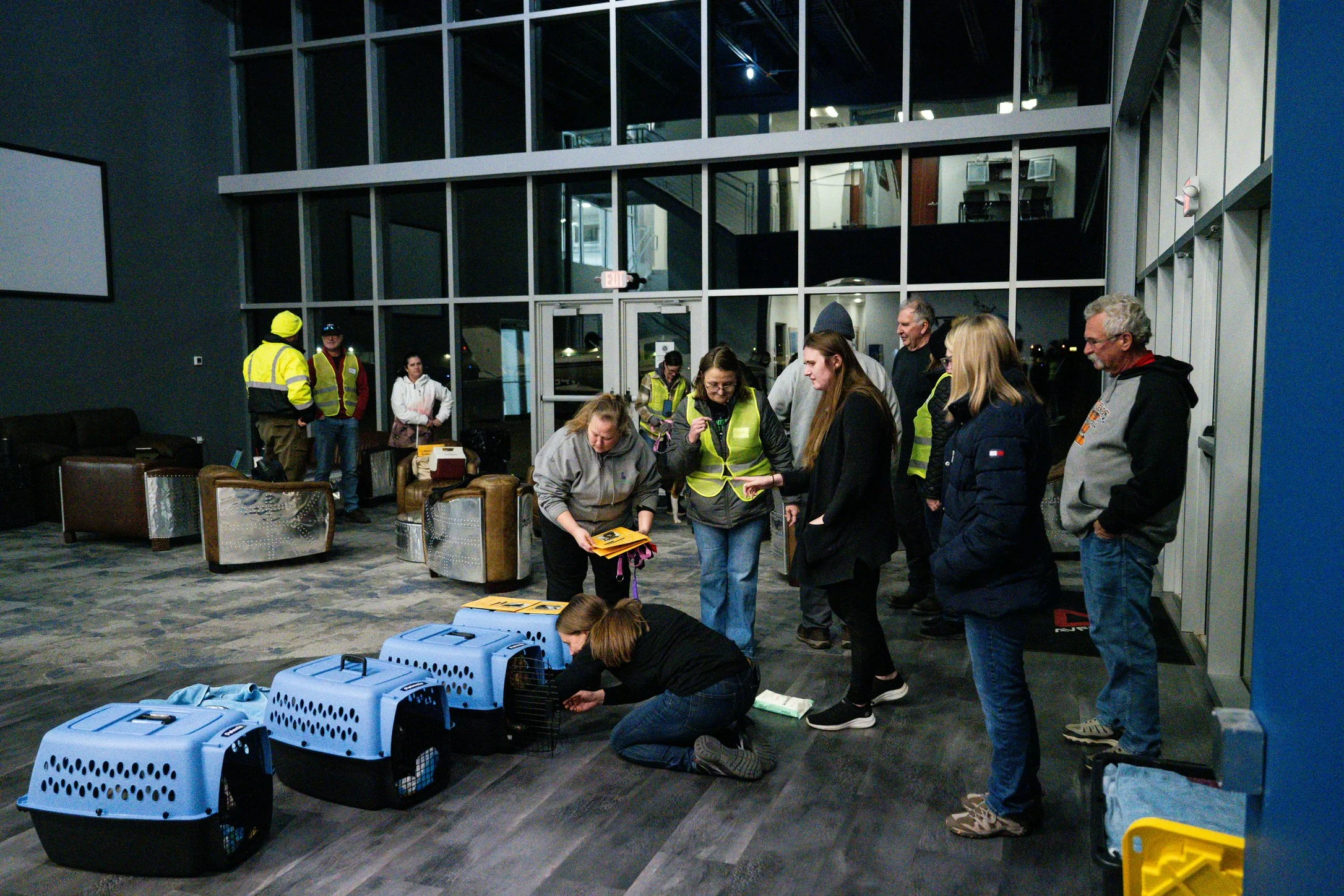
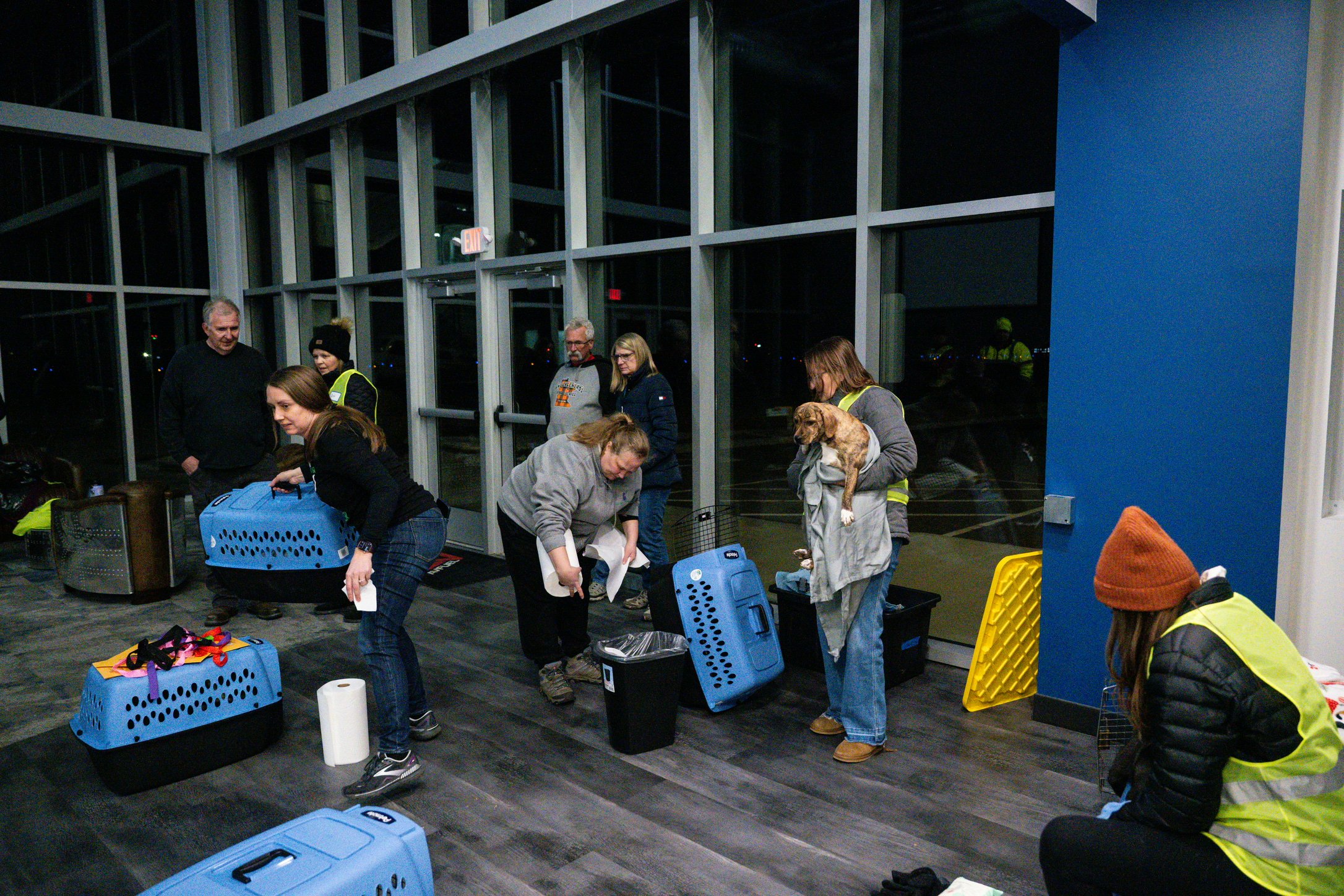
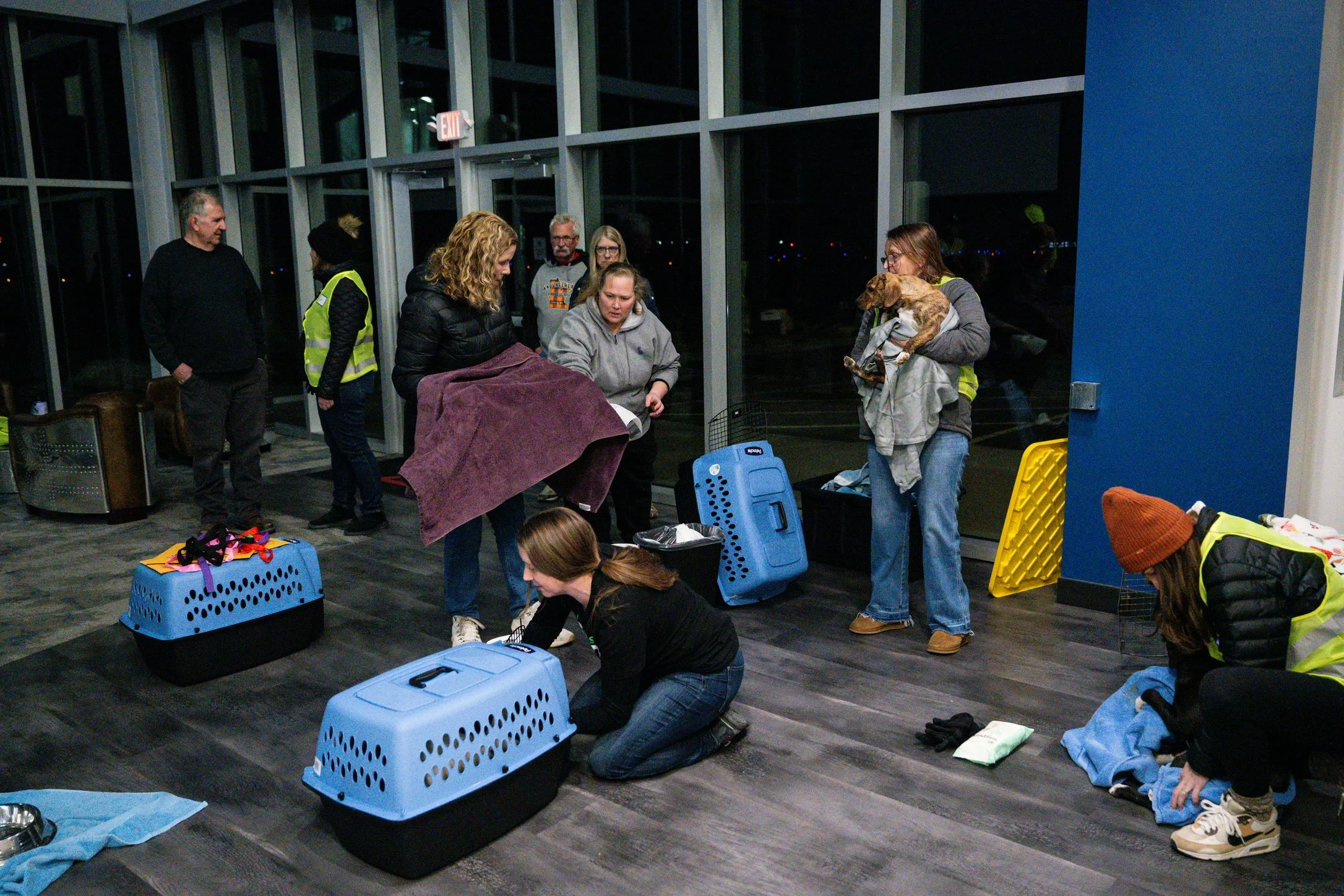
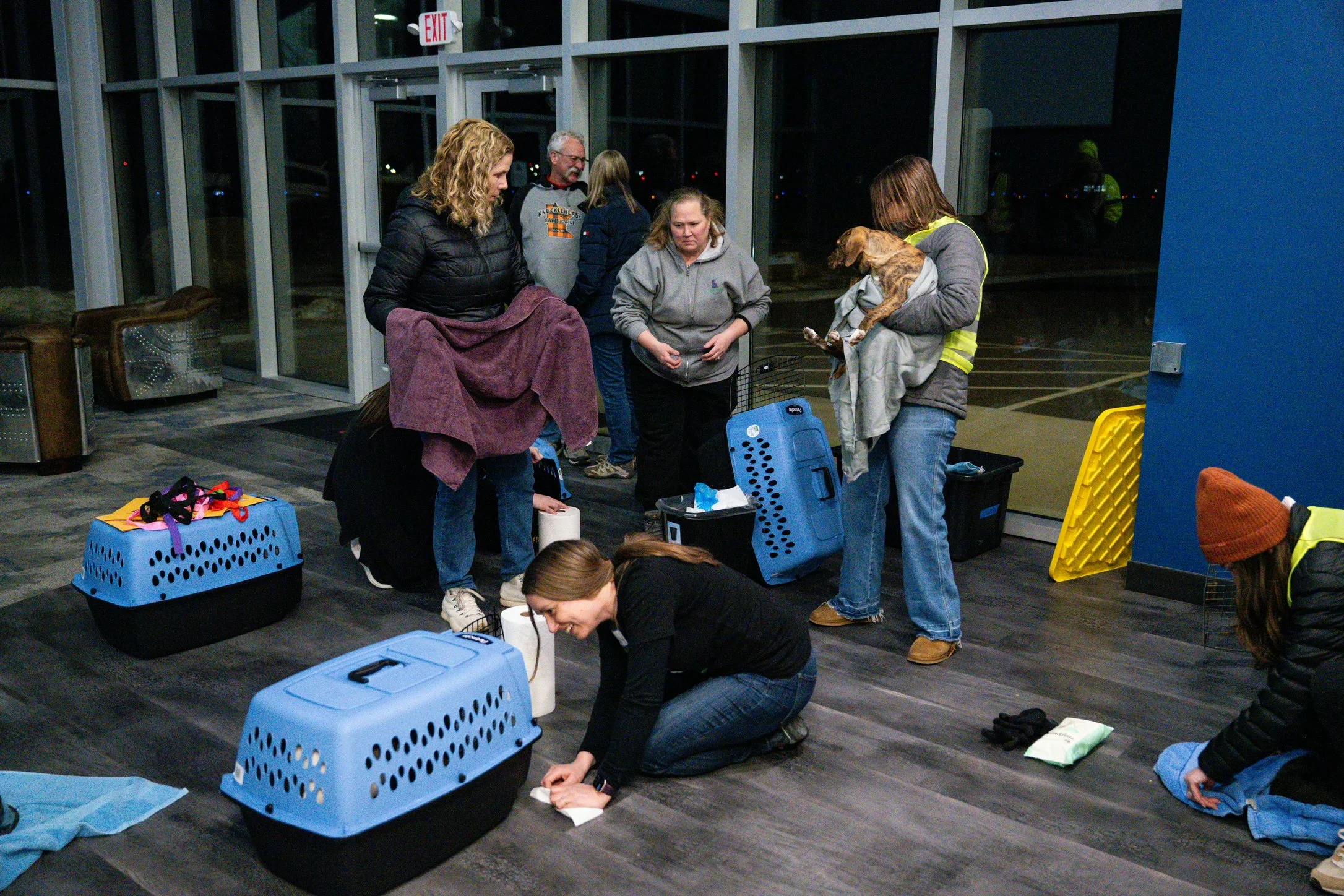
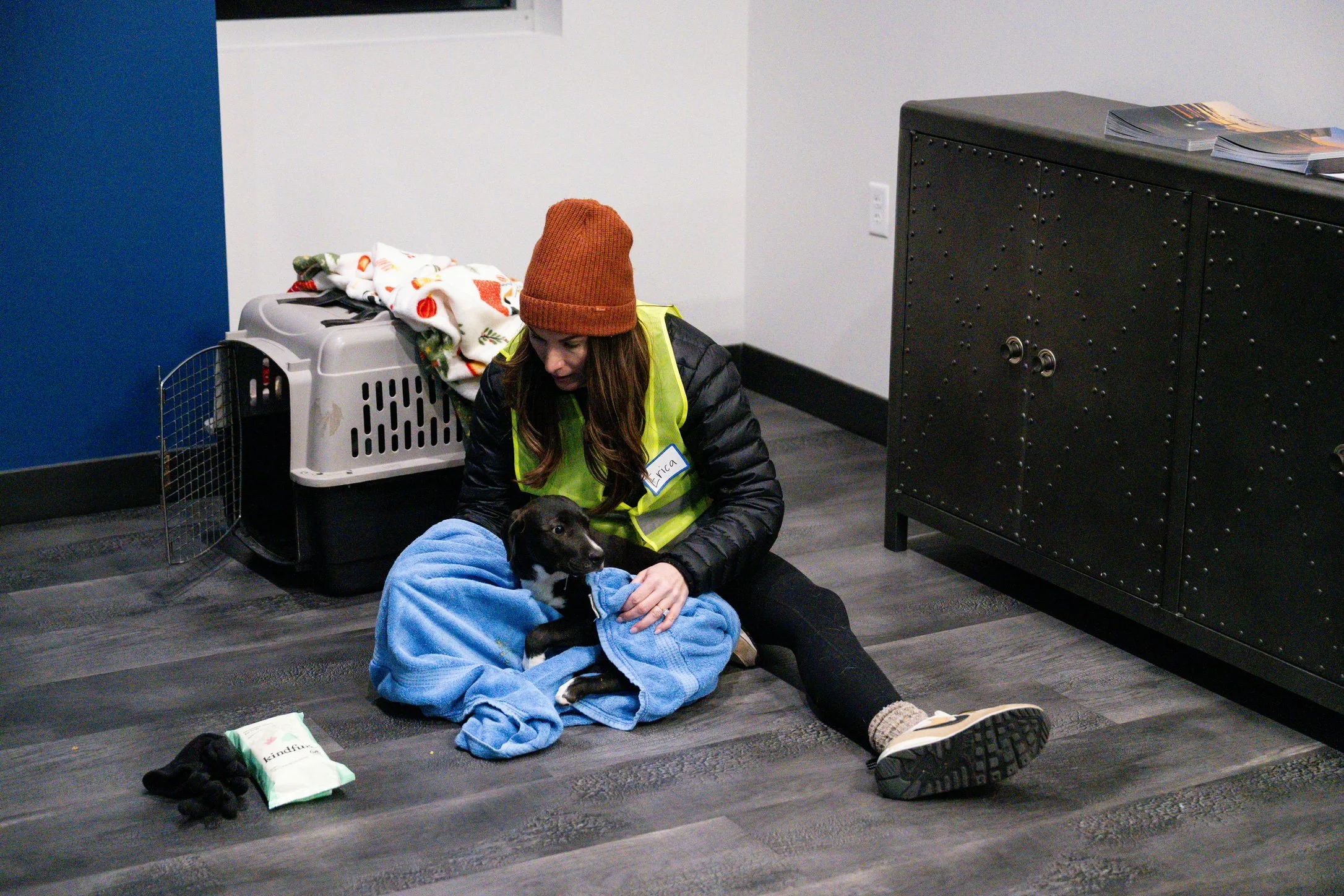
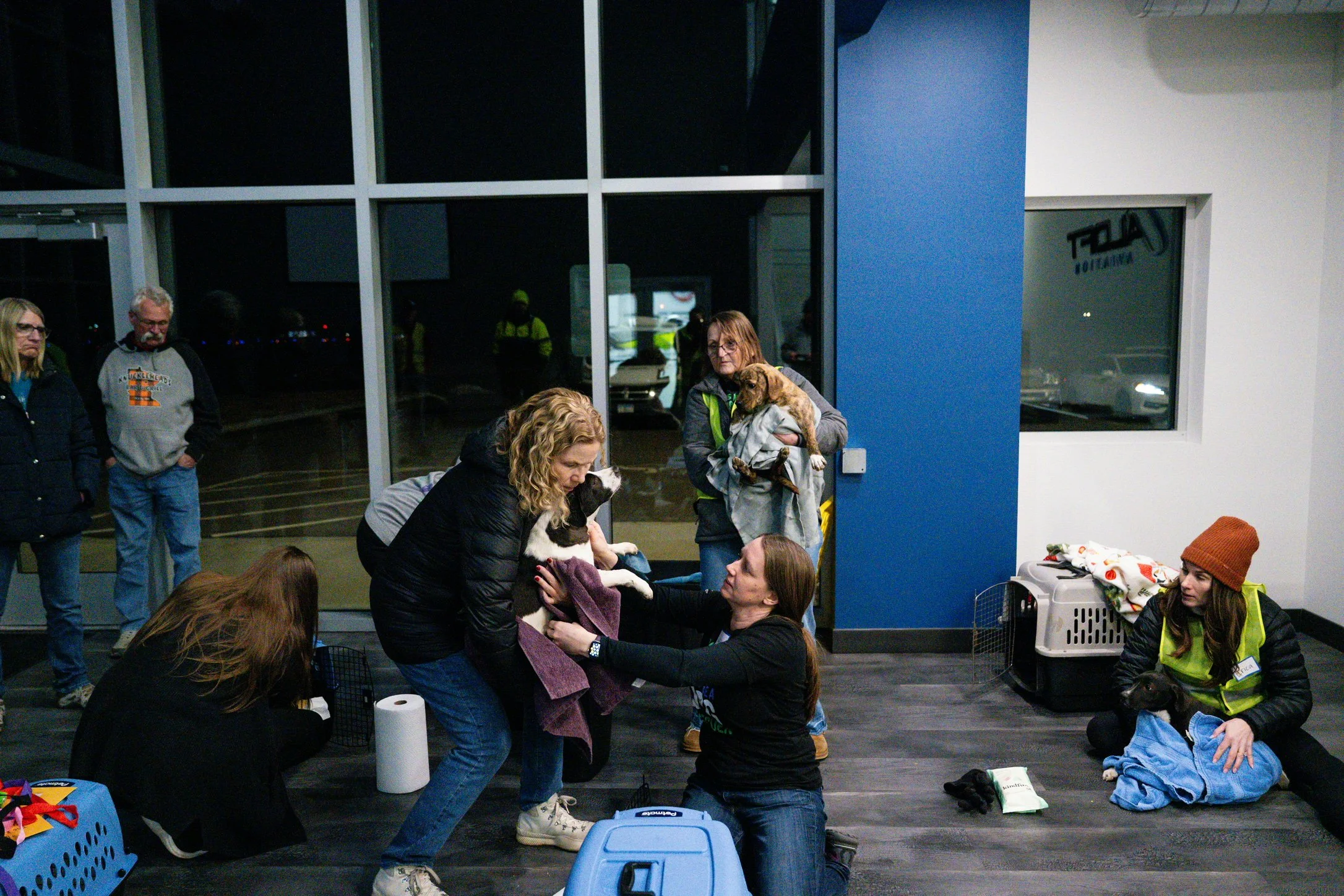
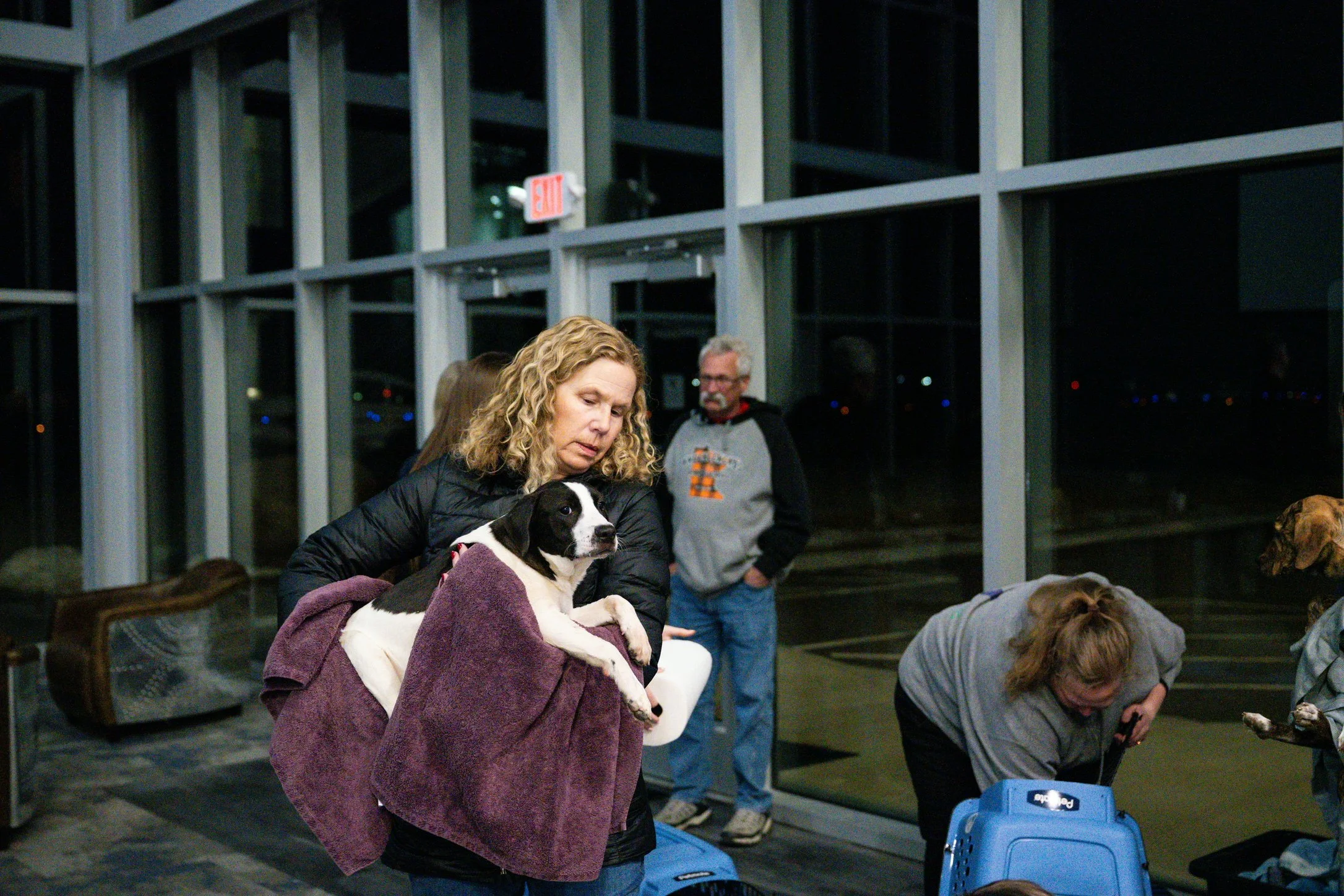
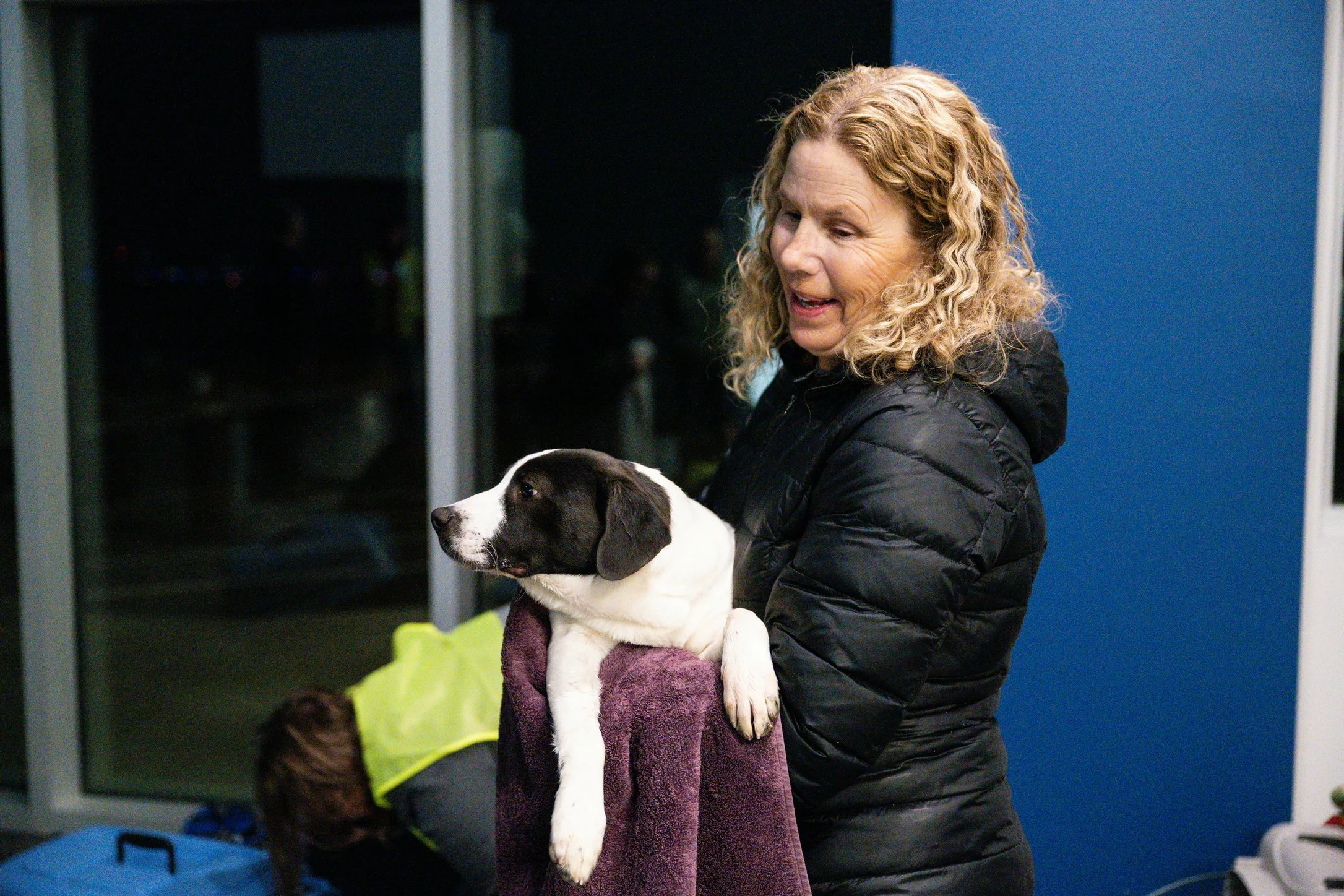
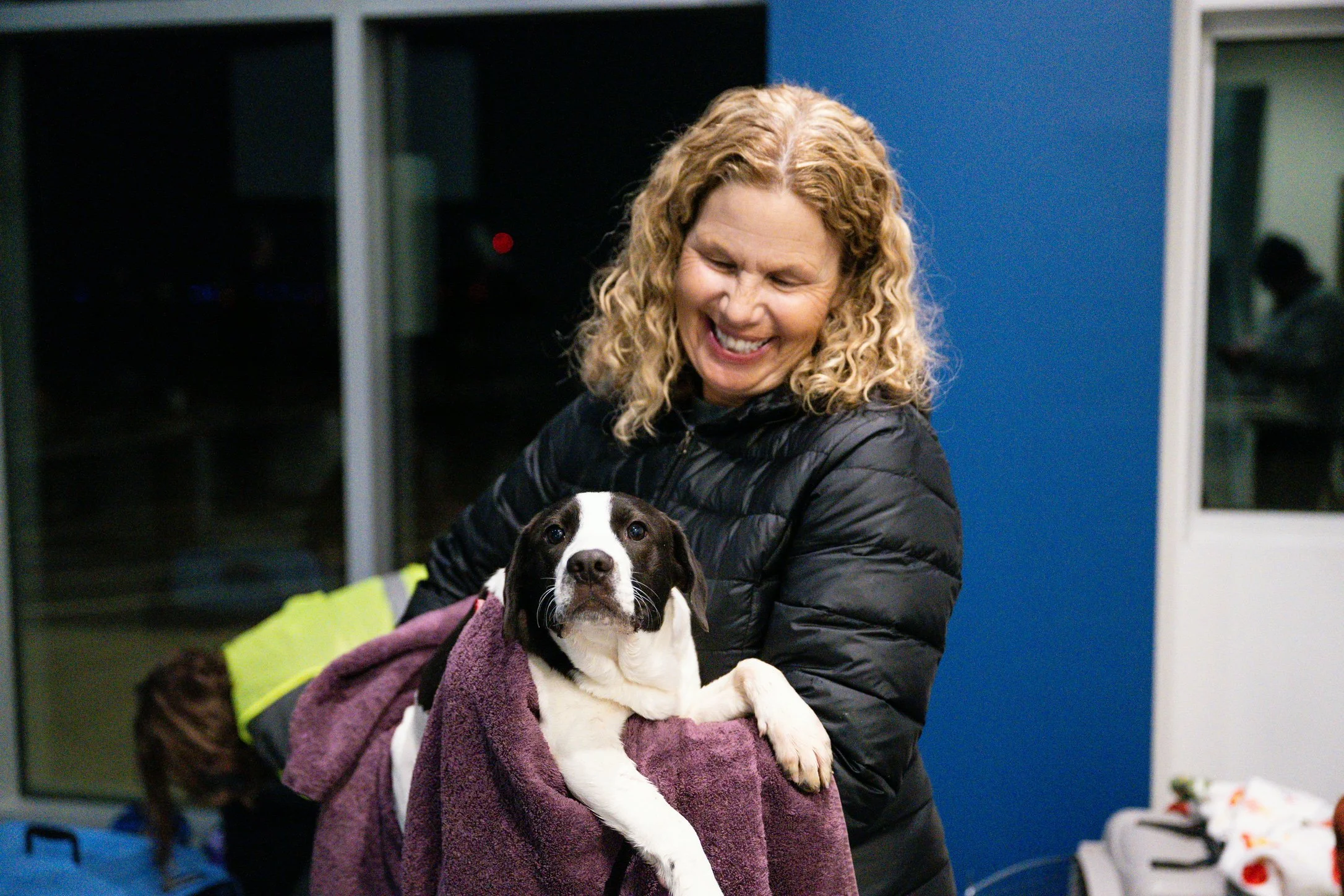
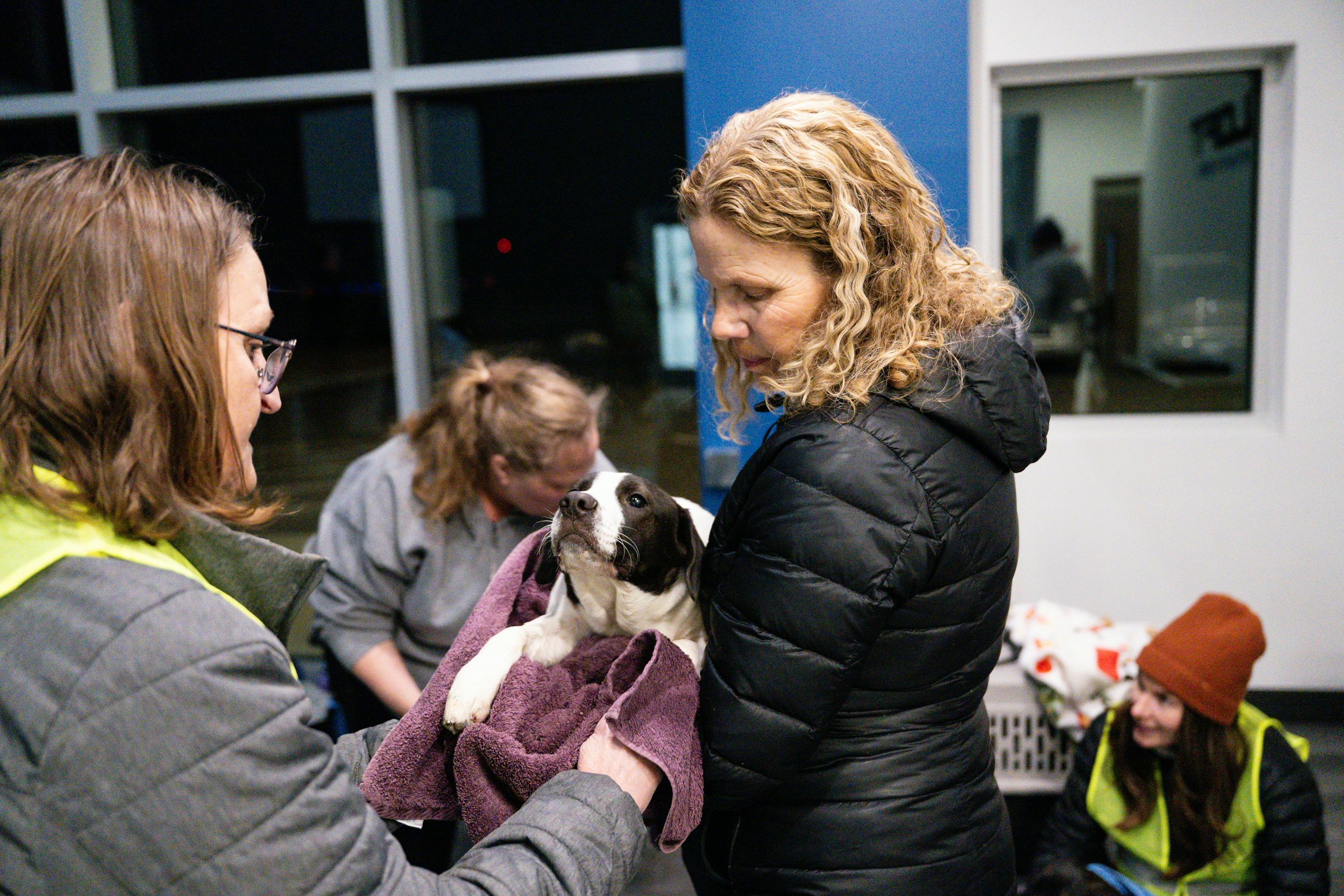
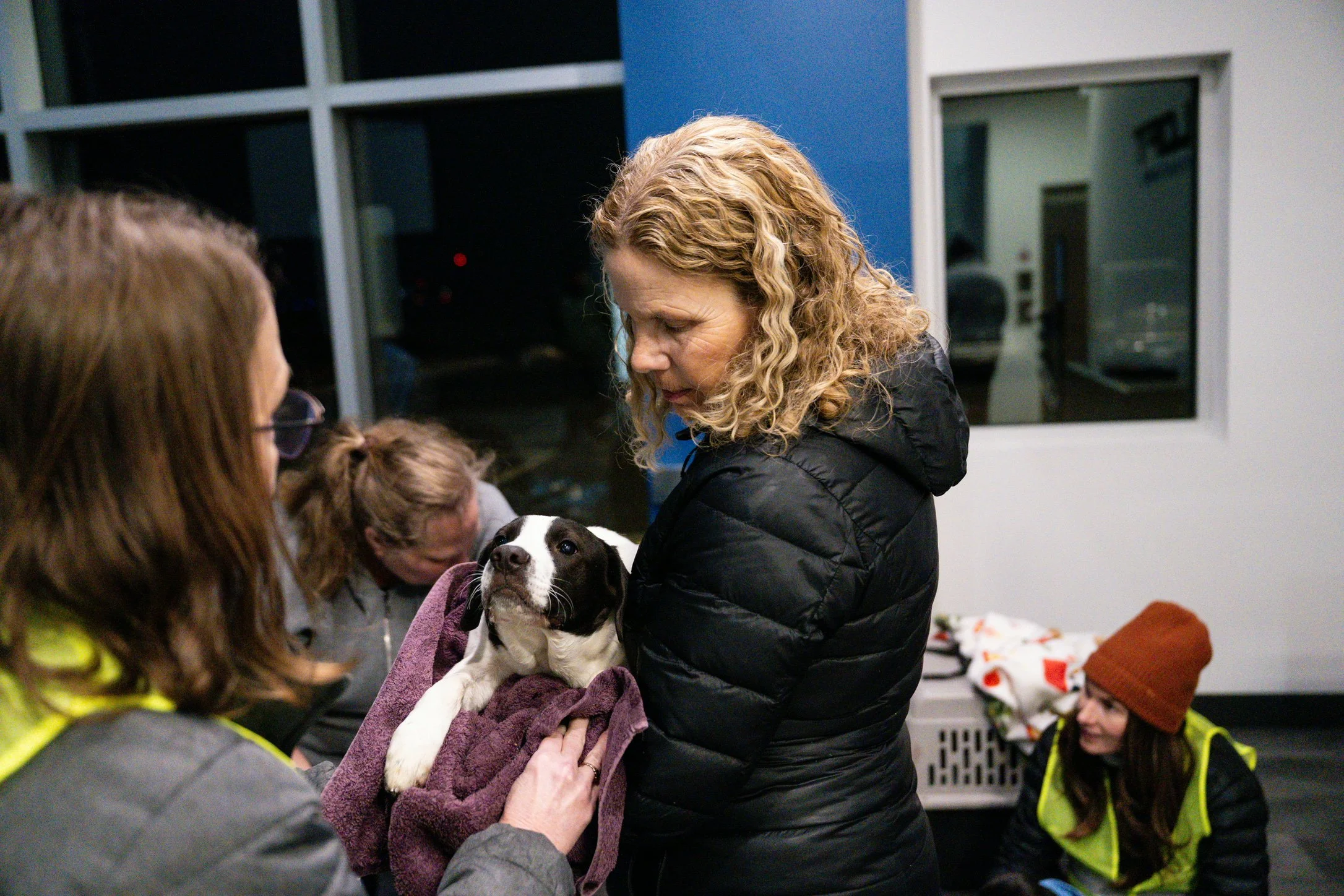
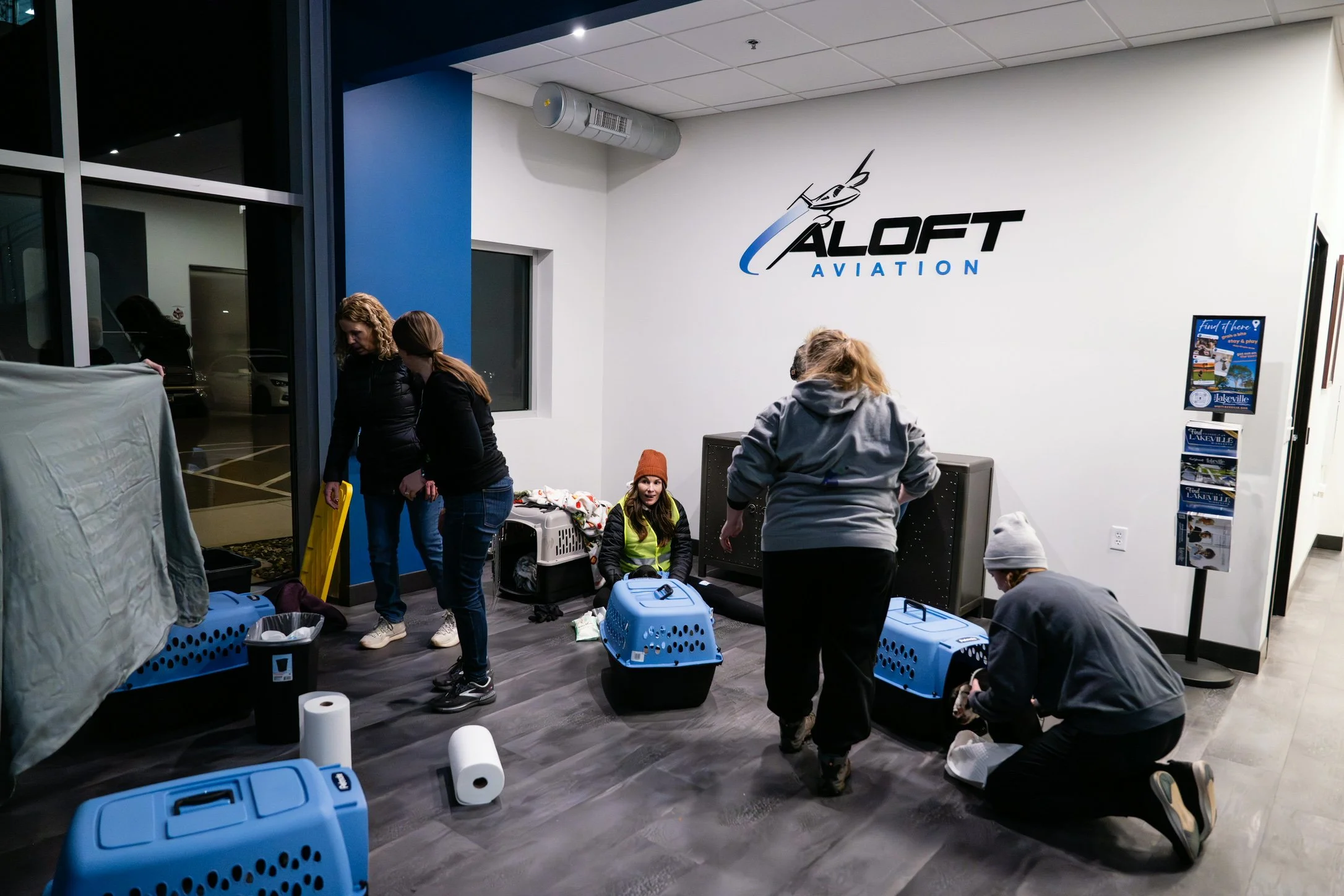
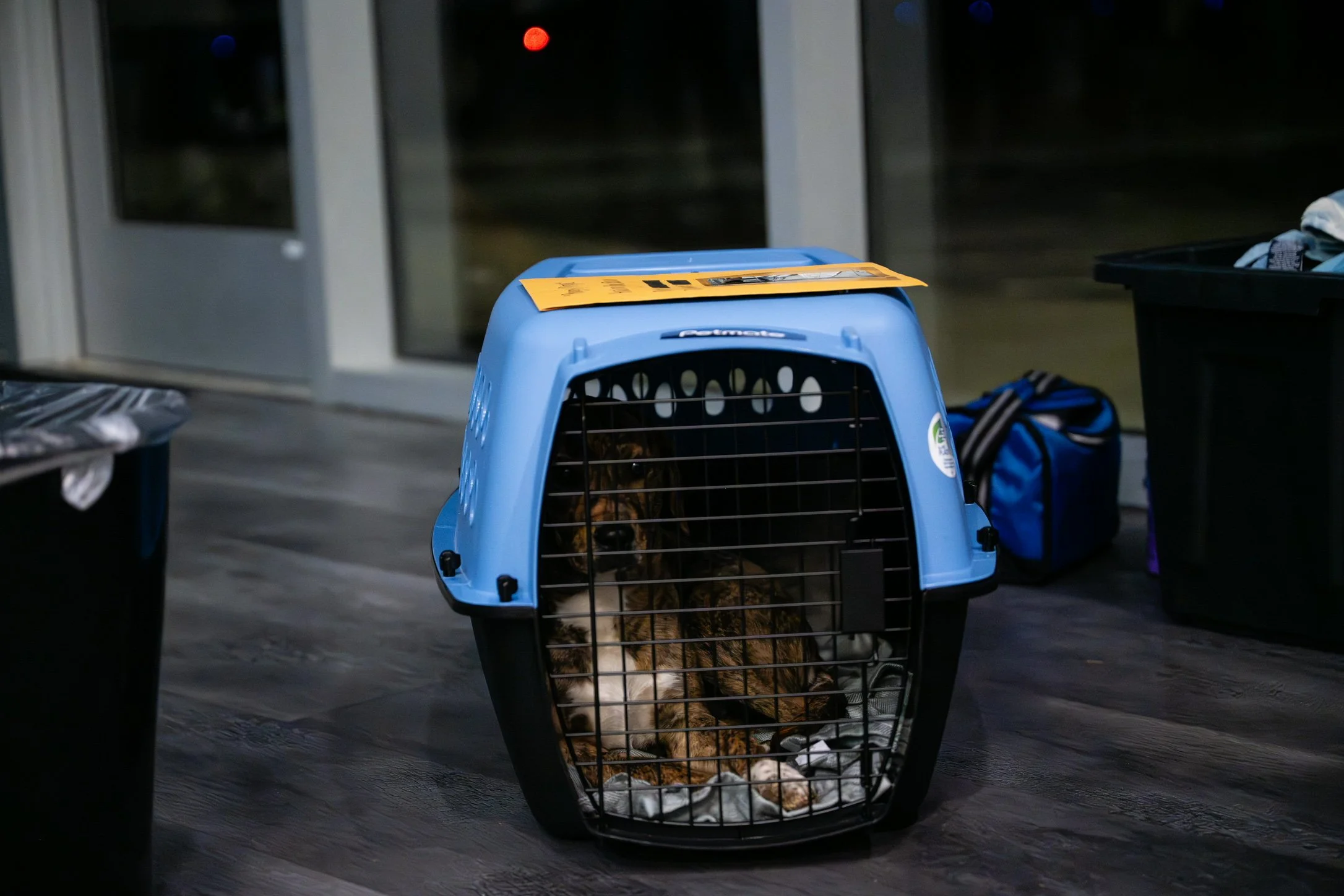
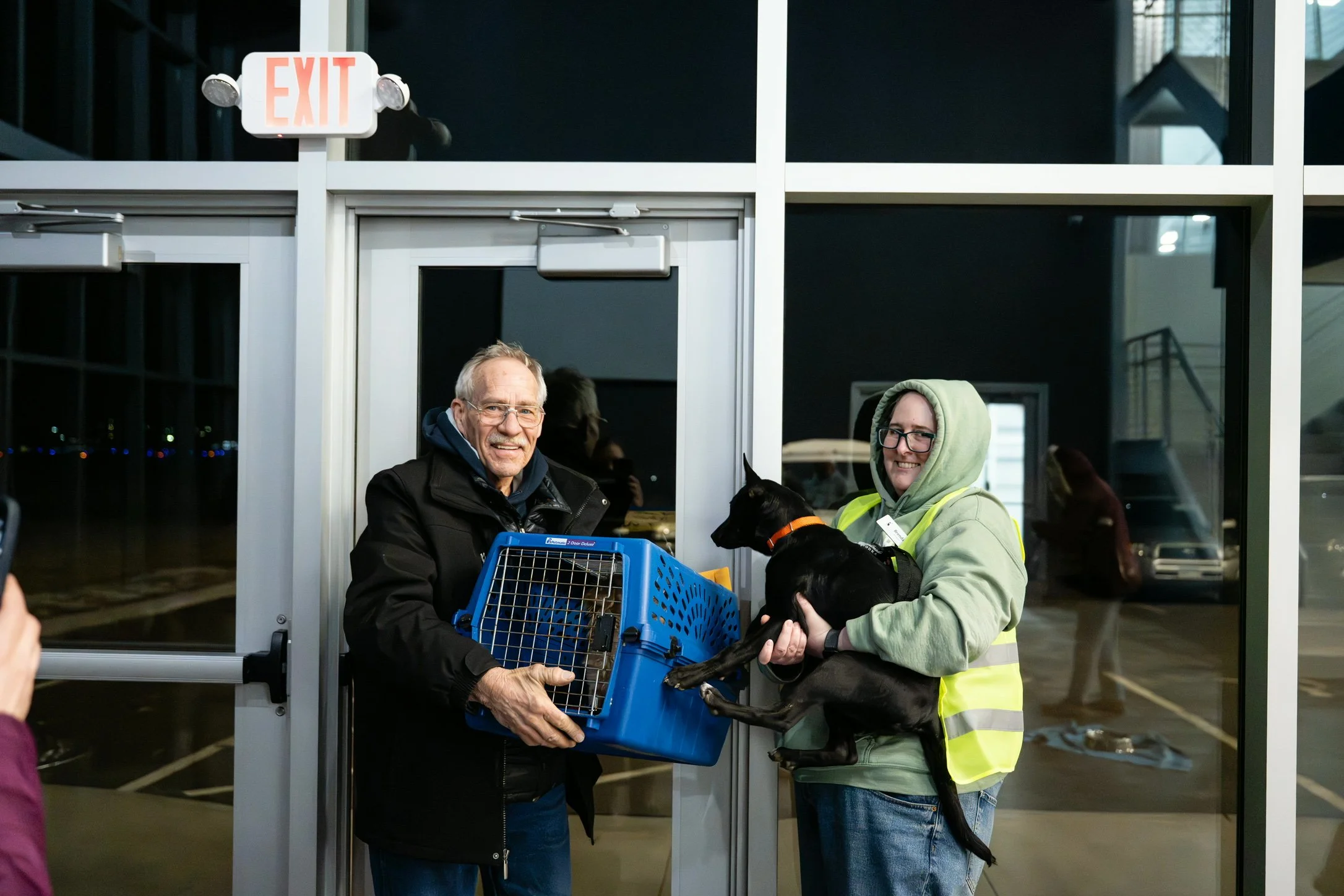
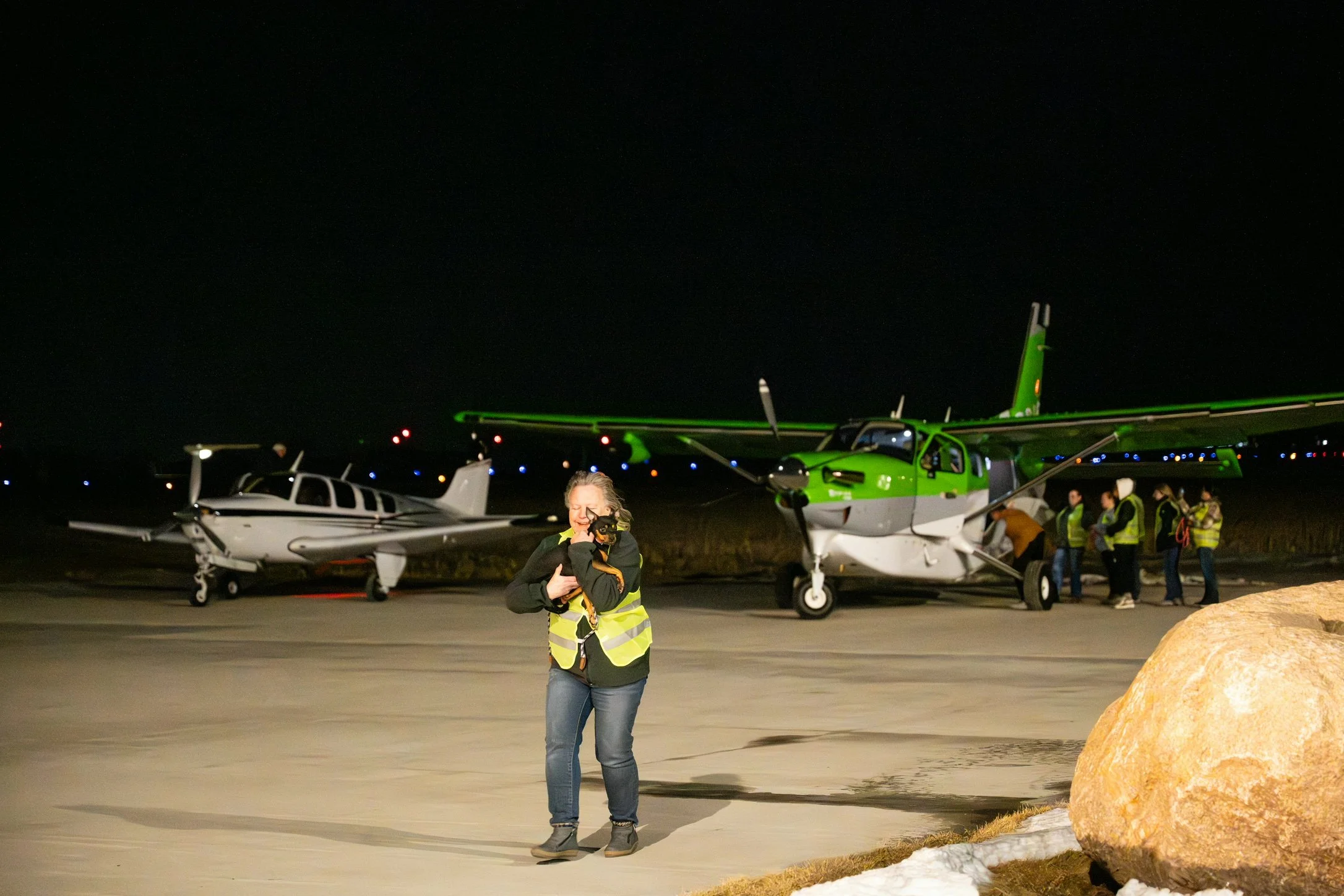
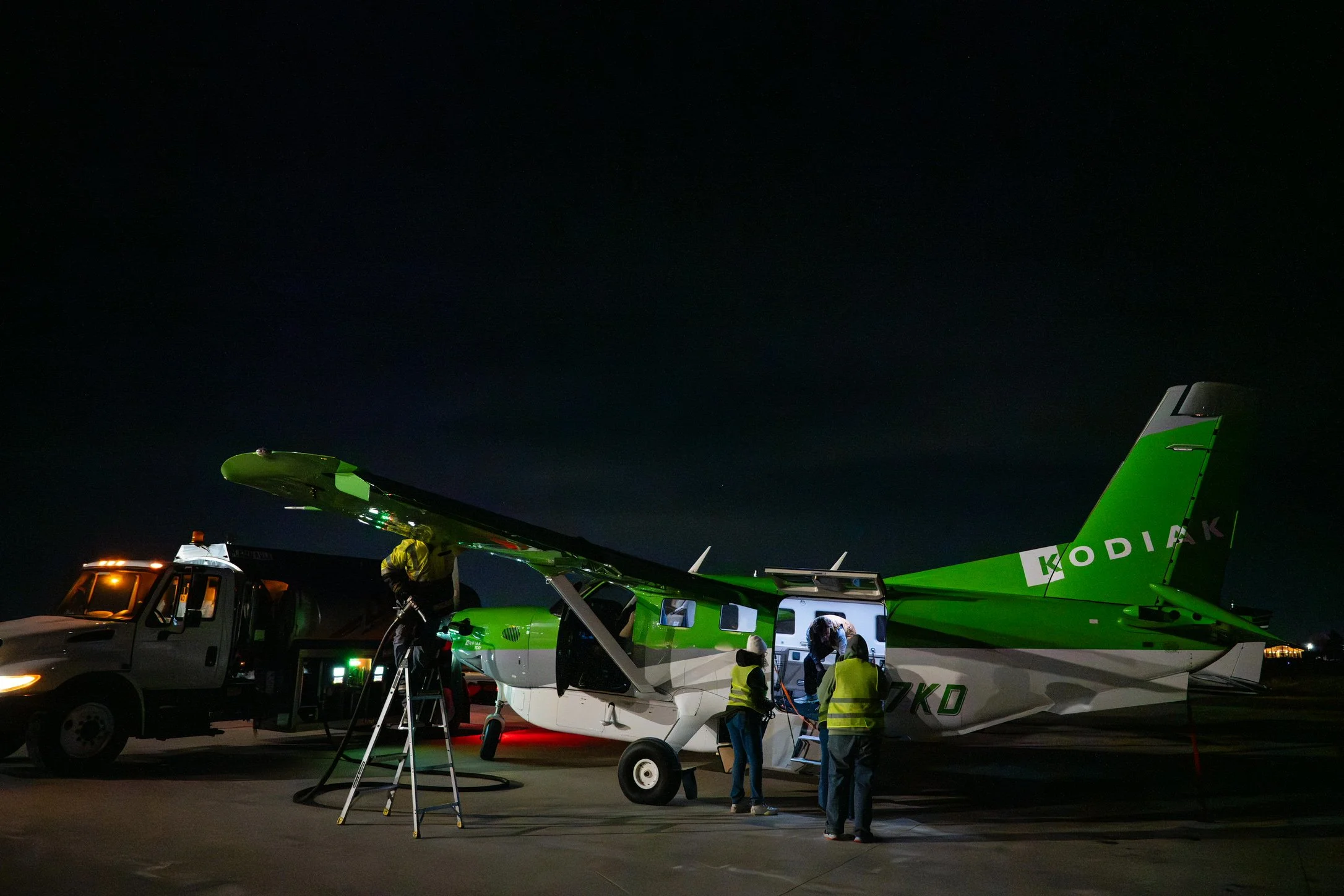
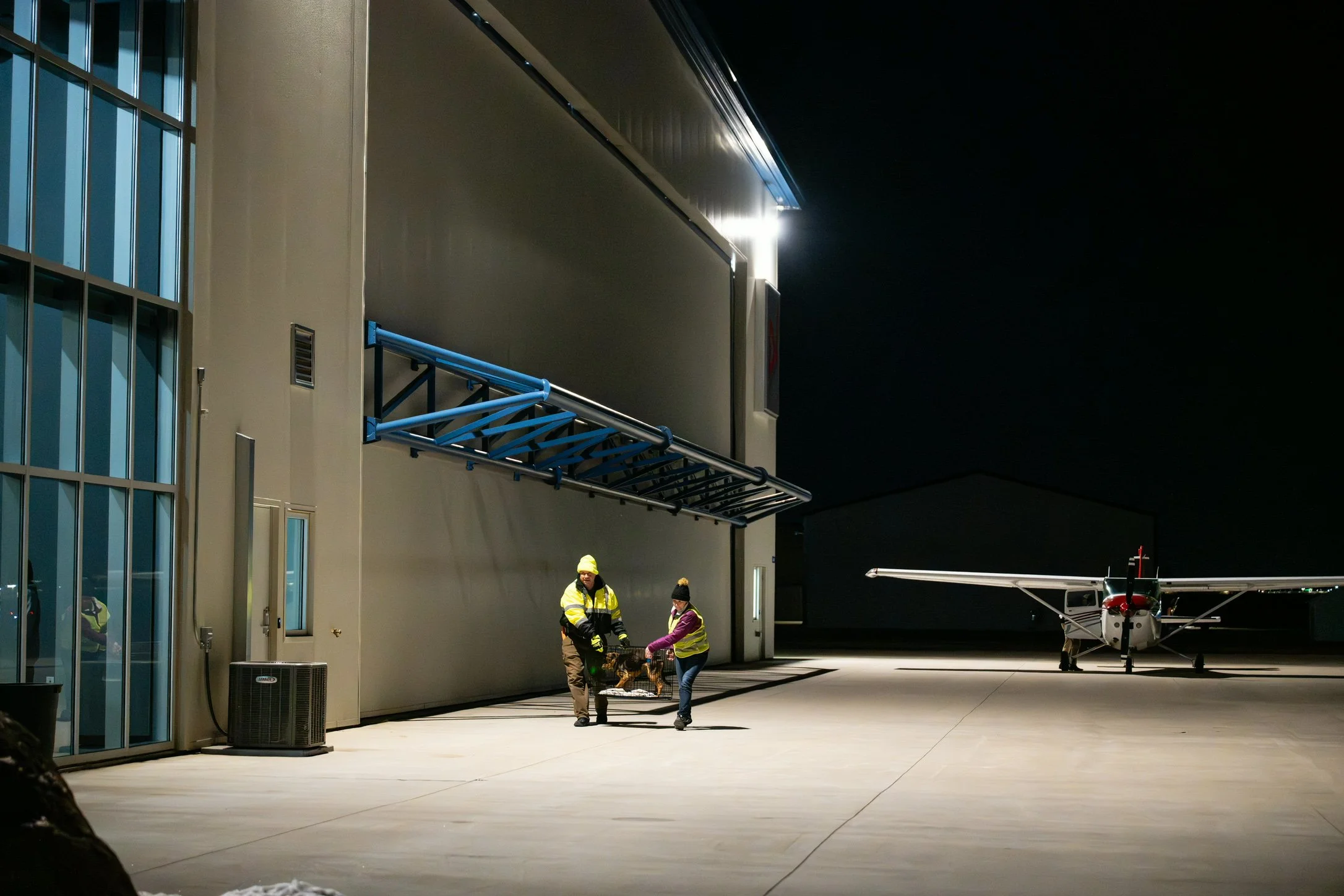
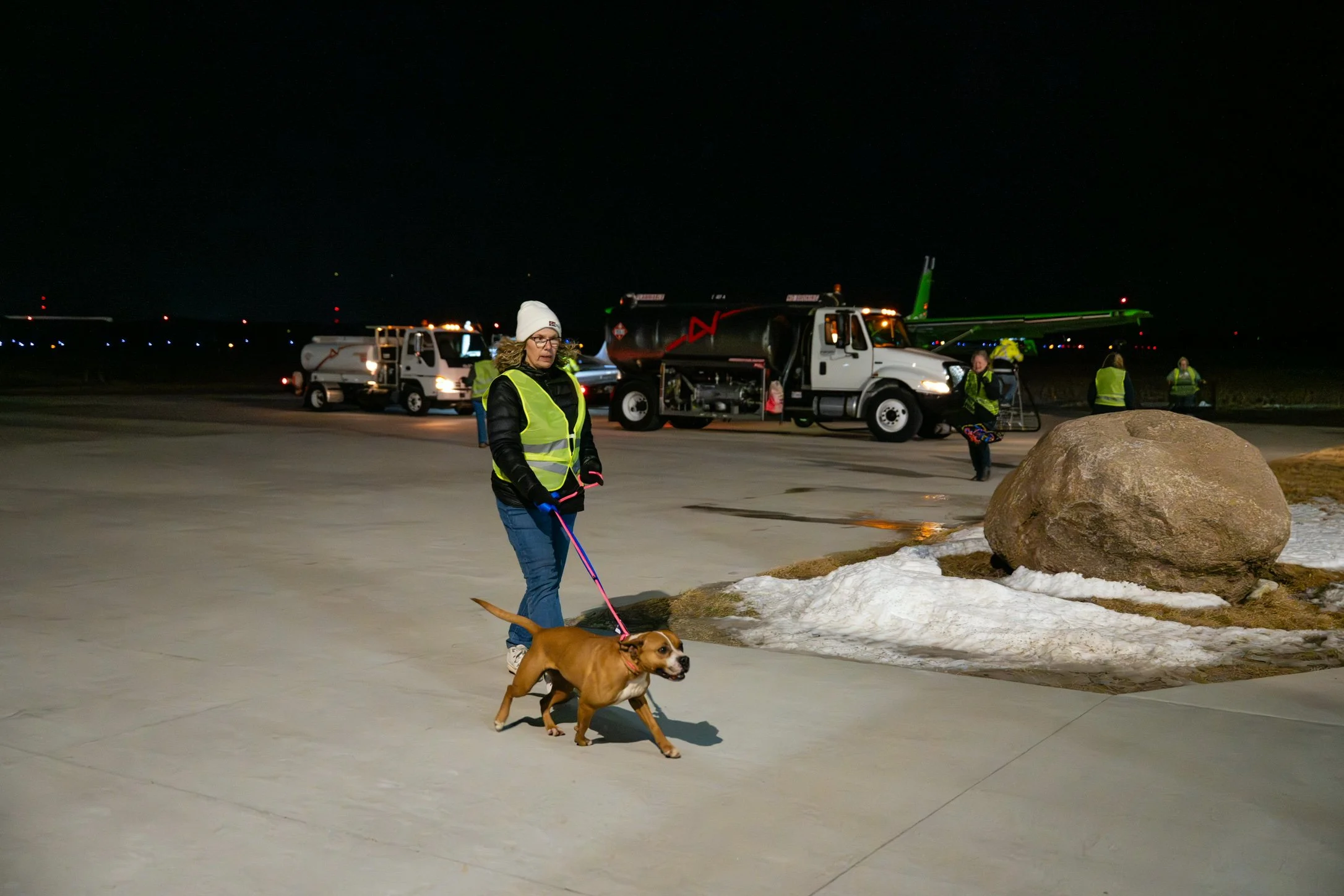
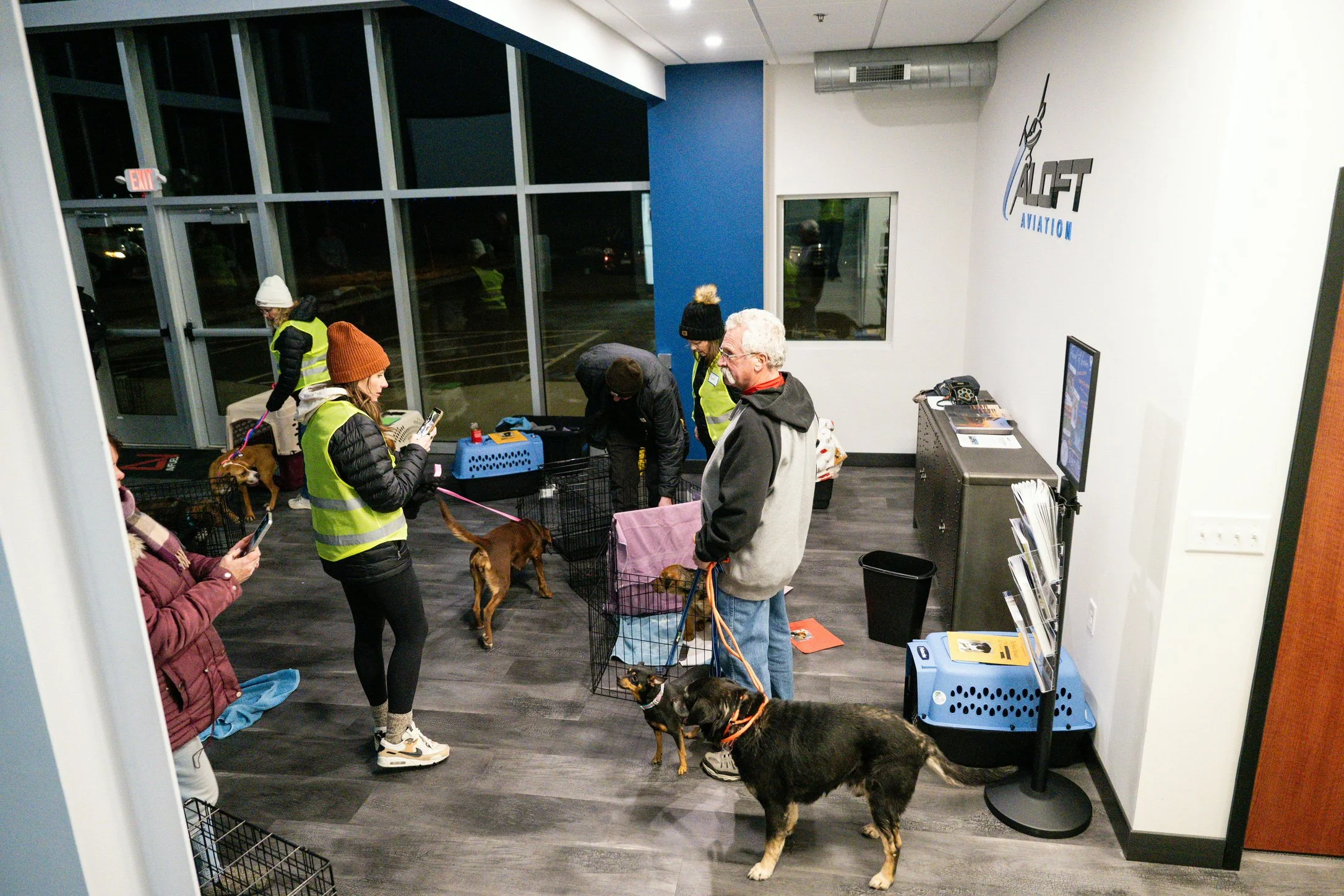
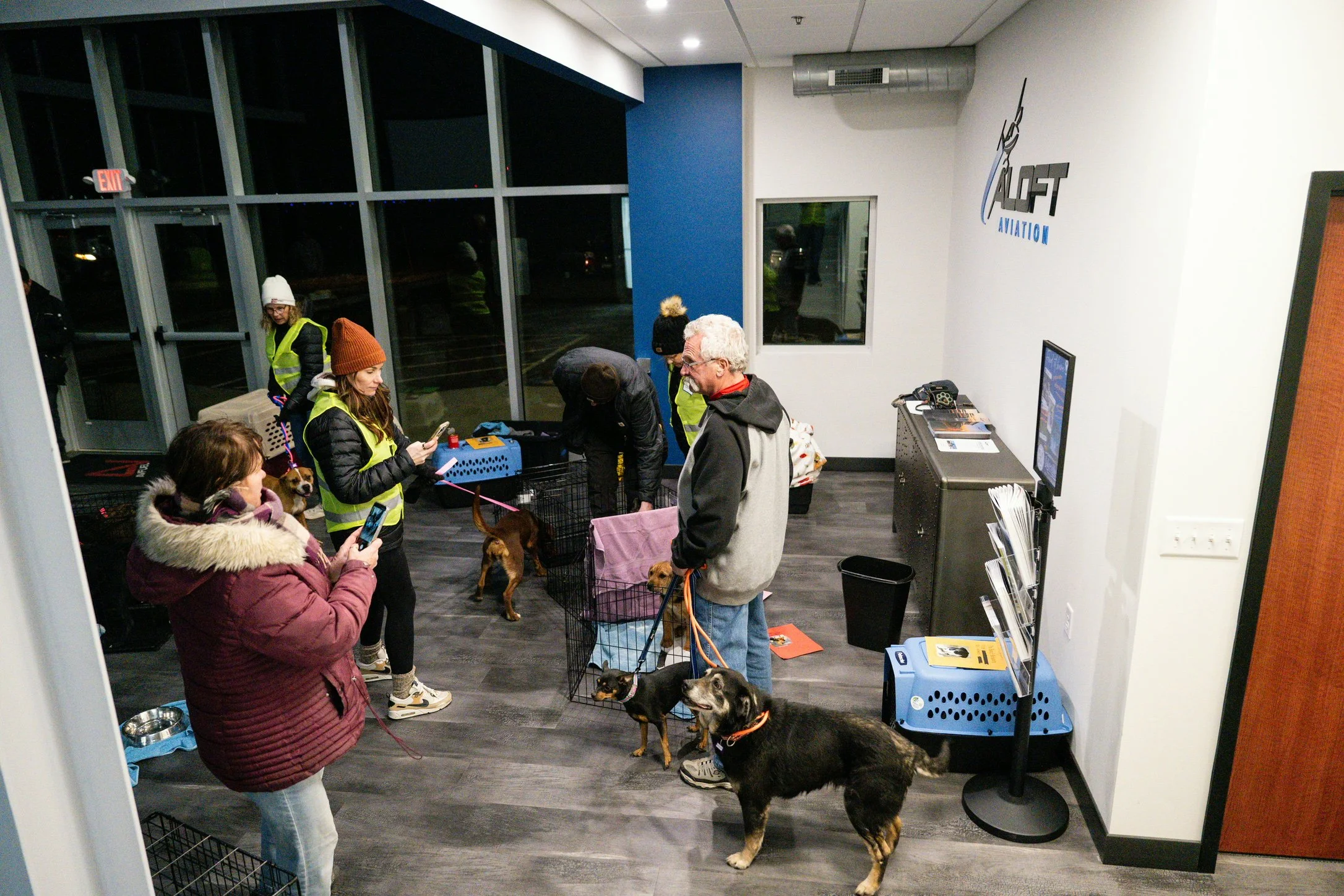
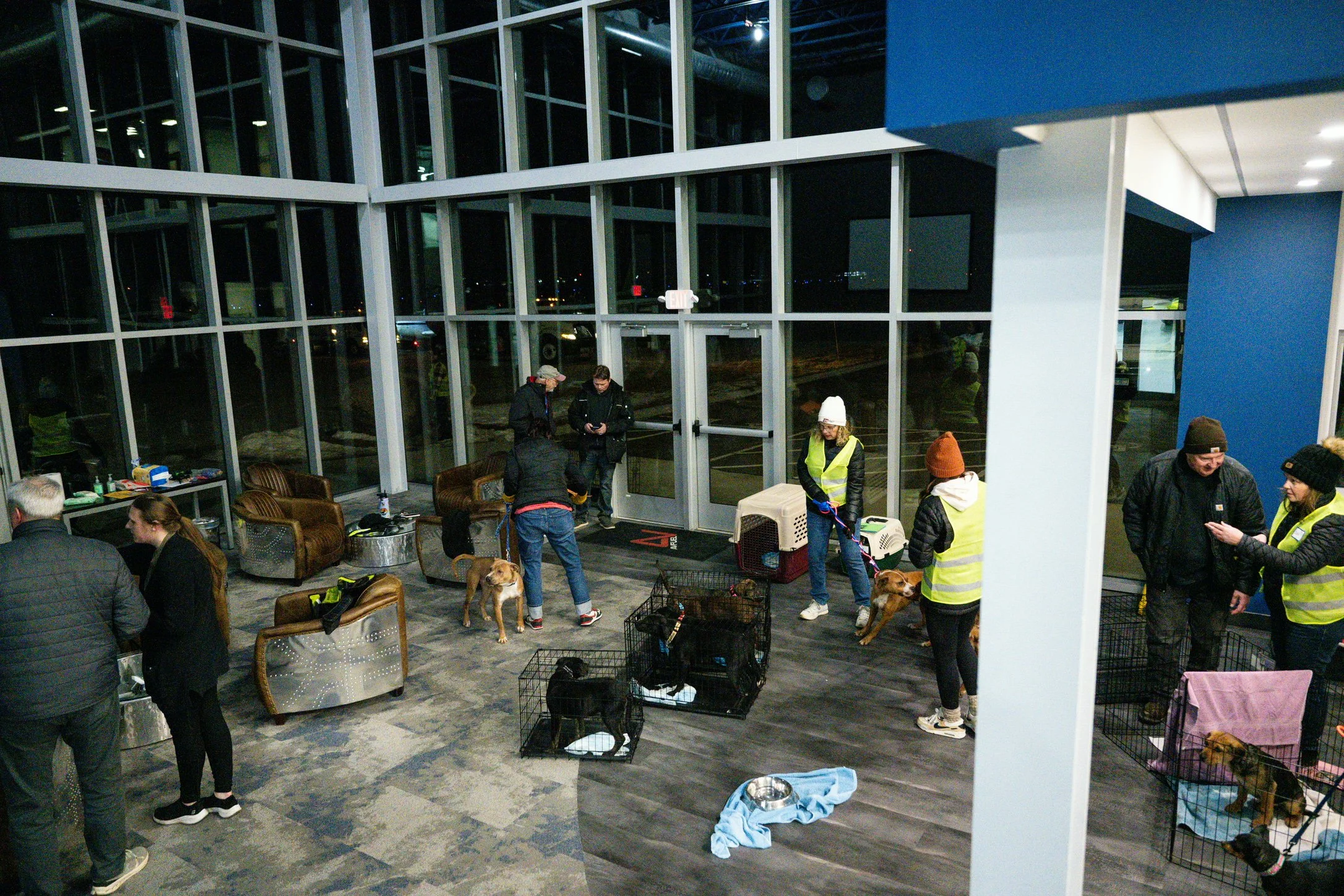
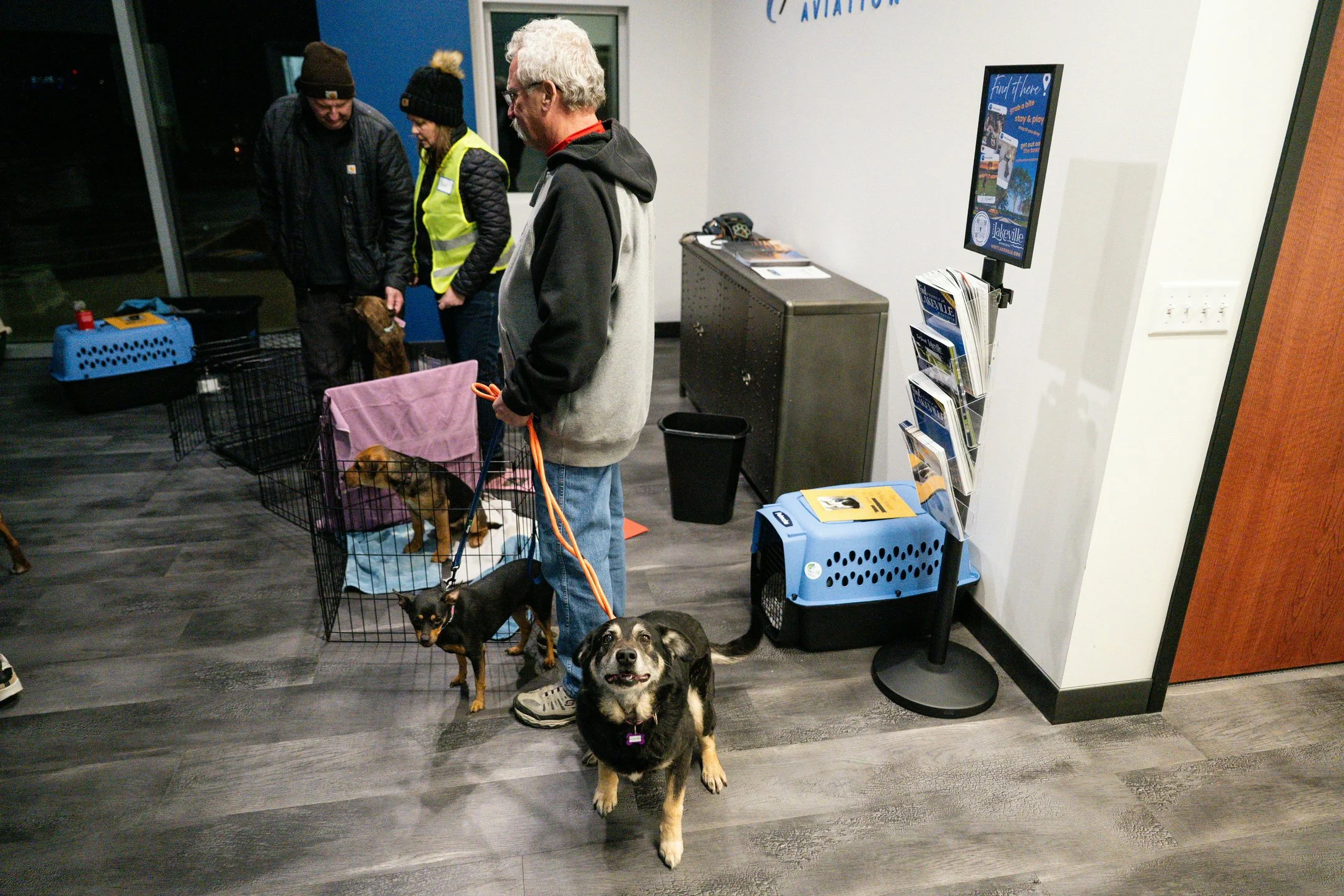
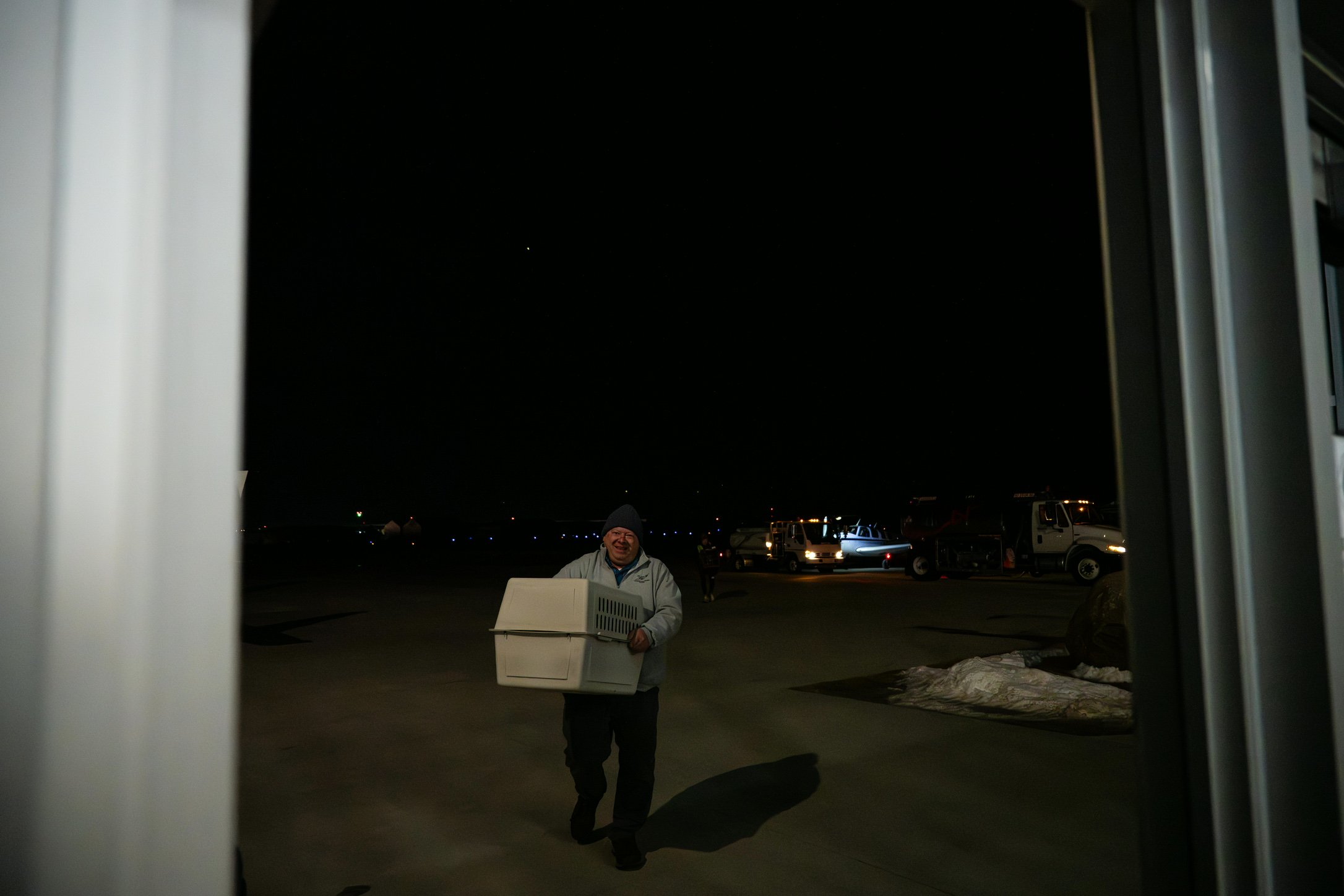
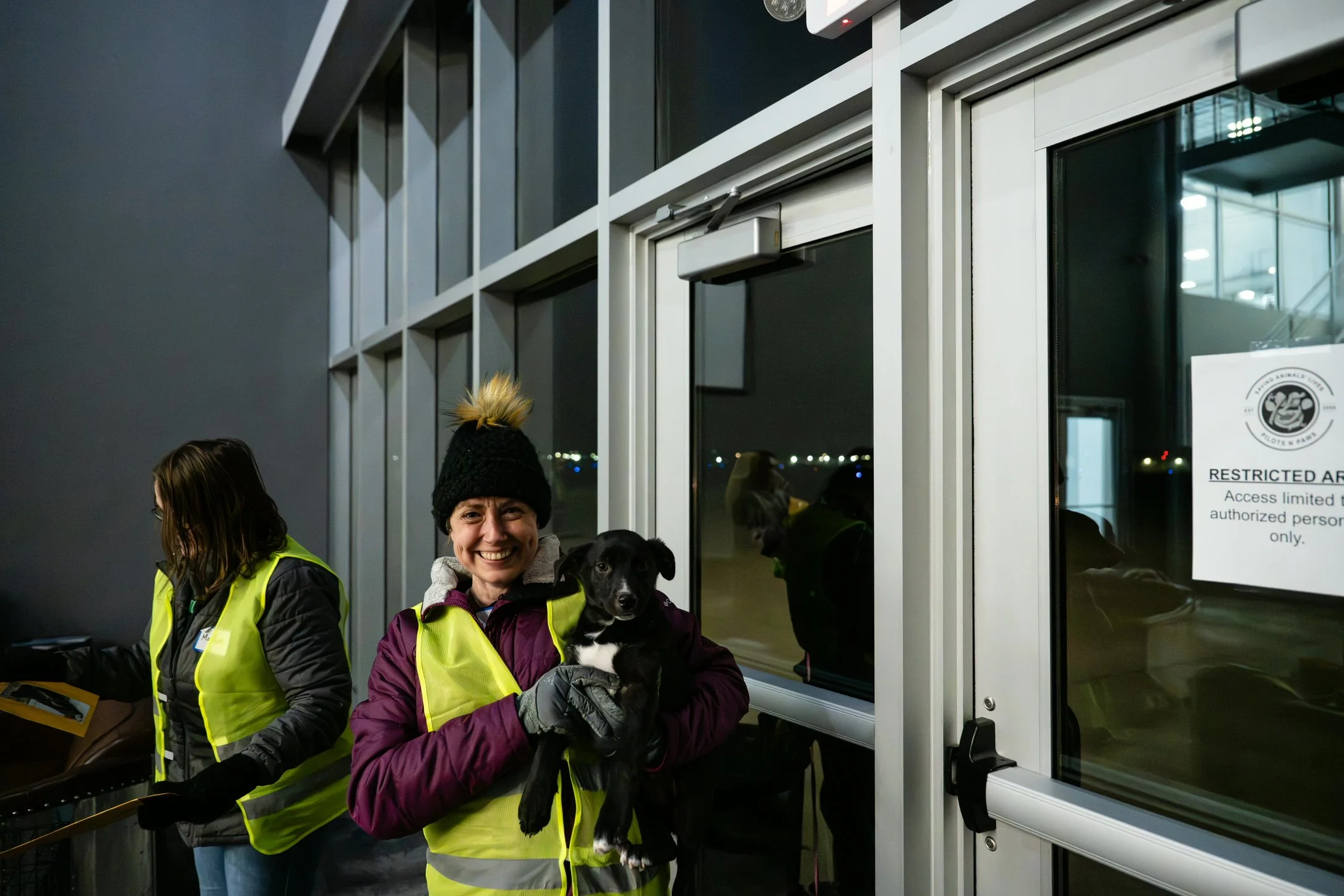
Strong headwinds slowed aircraft progress, forcing several pilots to refuel in Iowa. That delay pushed arrivals into Minnesota later and later into the night. By the time planes began landing at Airlake Airport in Lakeville, temperatures had dropped, and it was the middle of the night. Inside the crates, some of the dogs, already stressed from travel and uncertainty, began to shake.
Because of the late arrivals, some receiving shelter volunteers were unable to reach the airport in time.
A Heated Hangar Becomes a Safe Haven
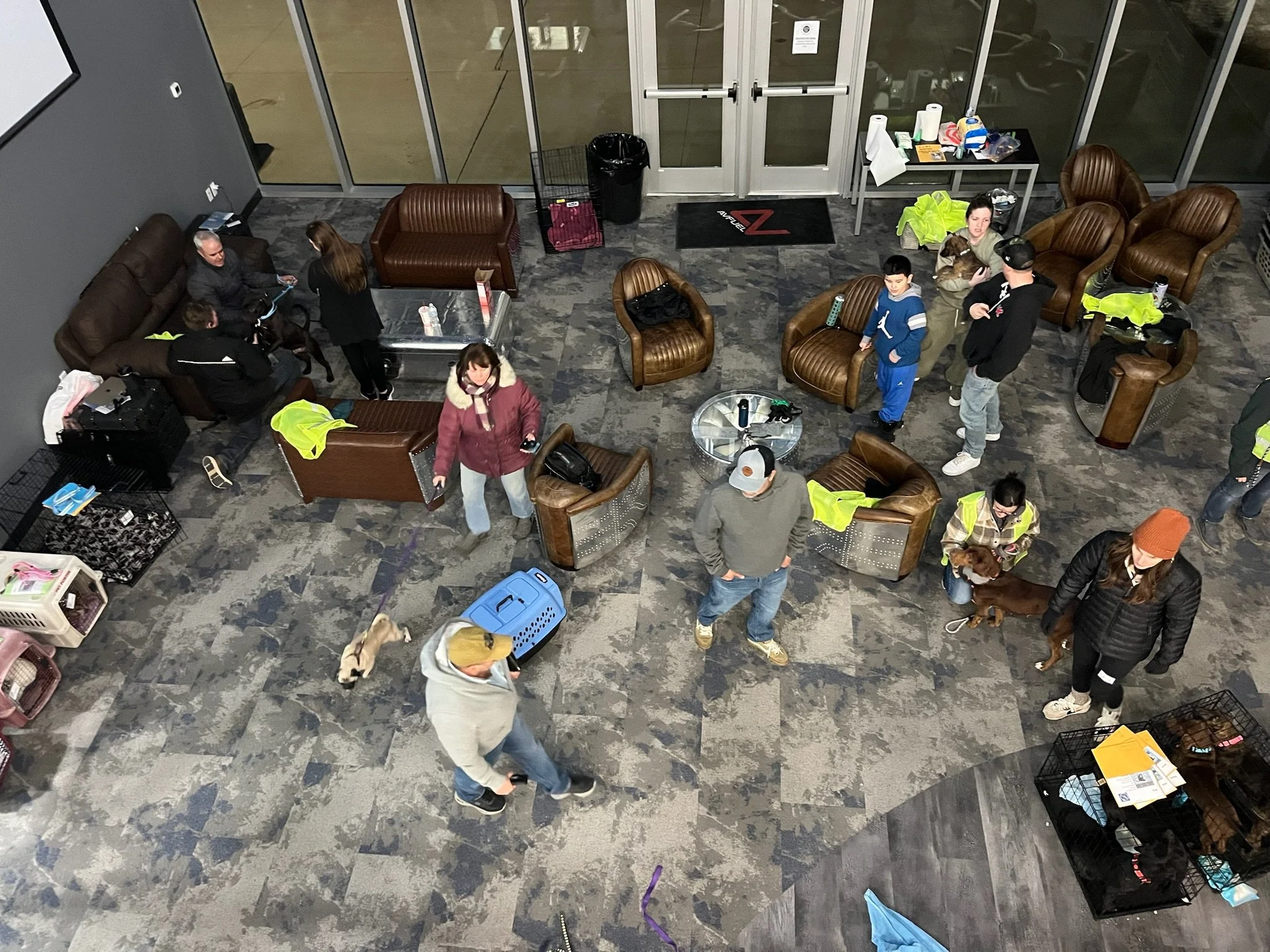
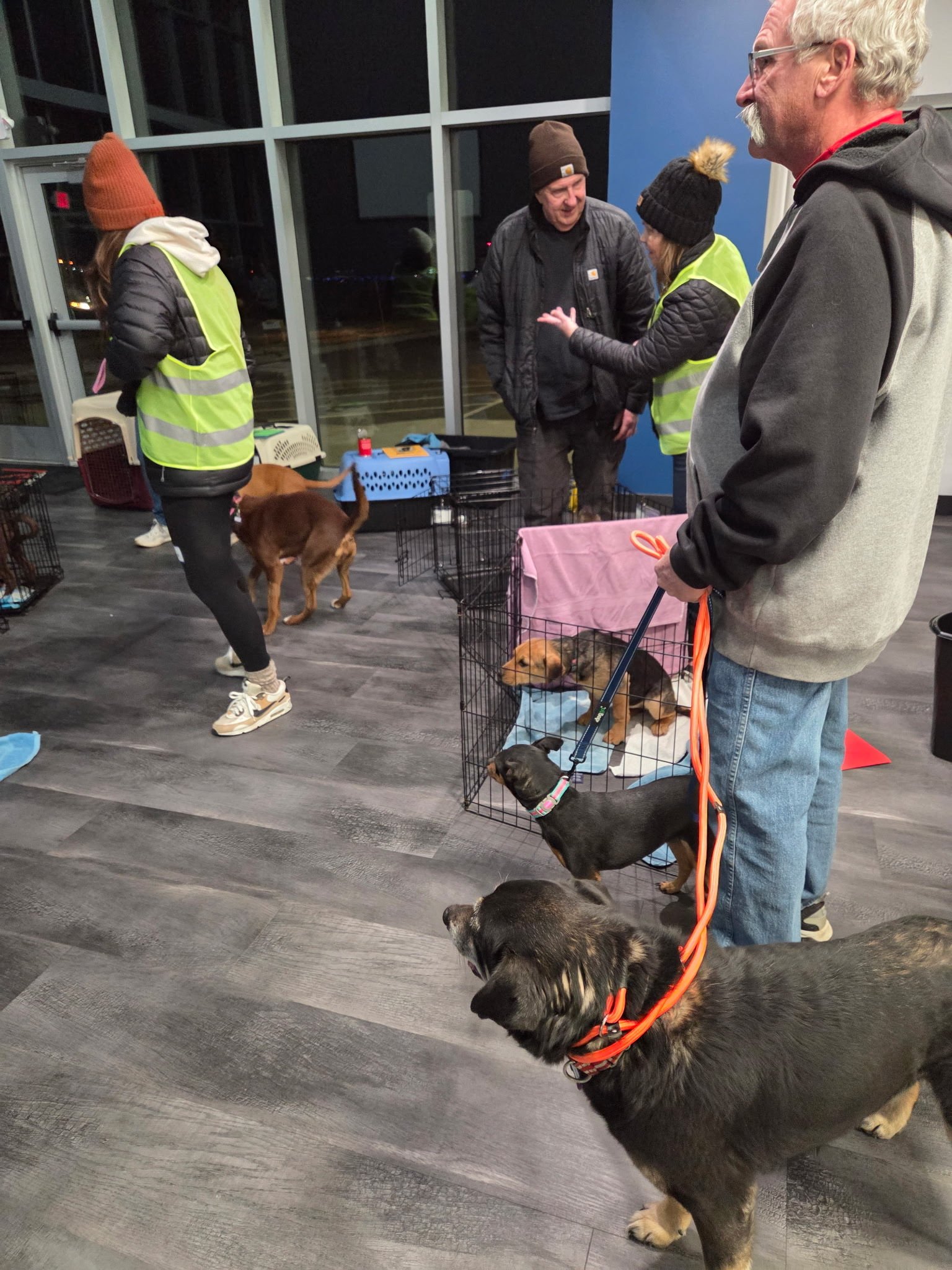
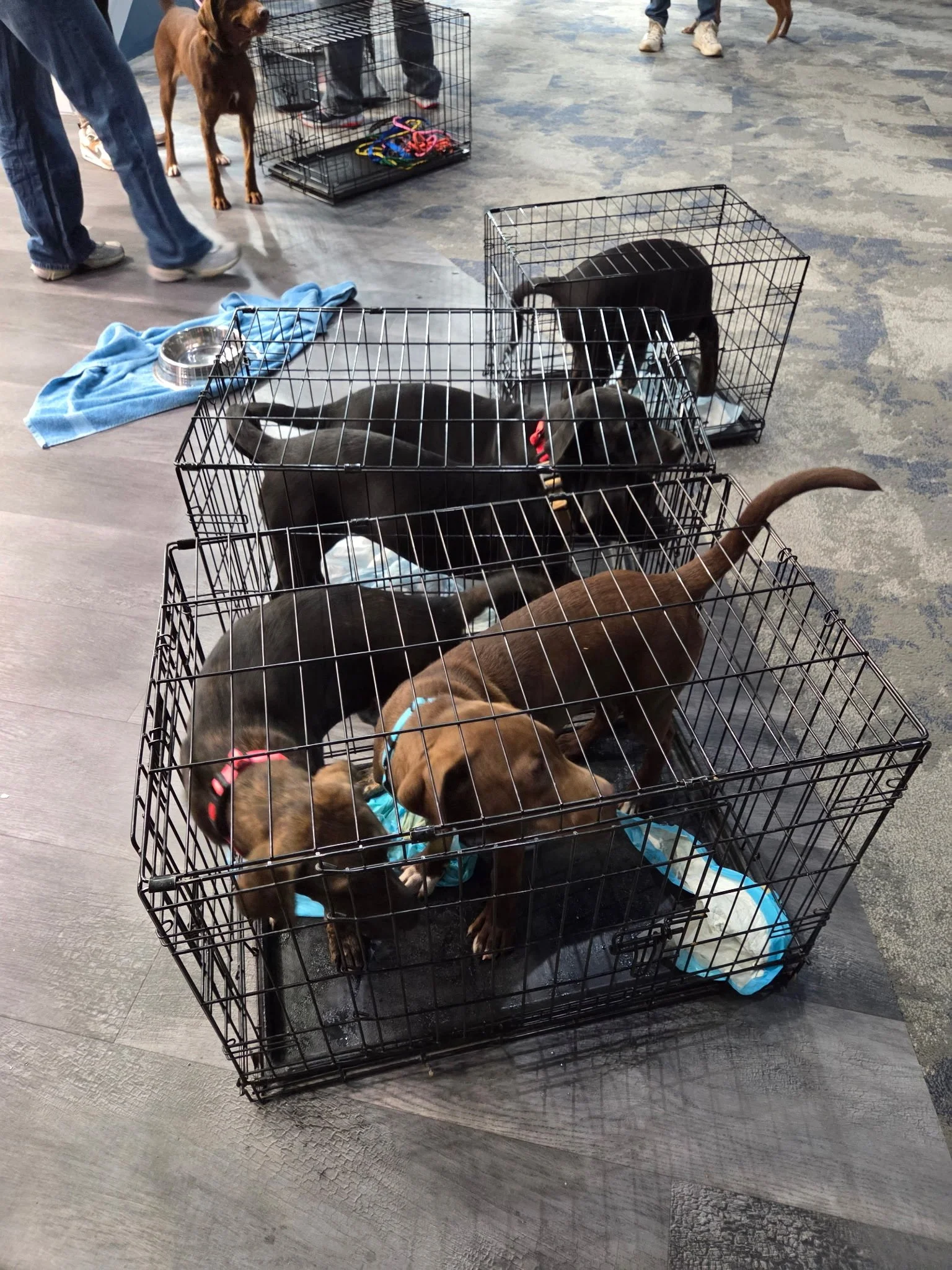
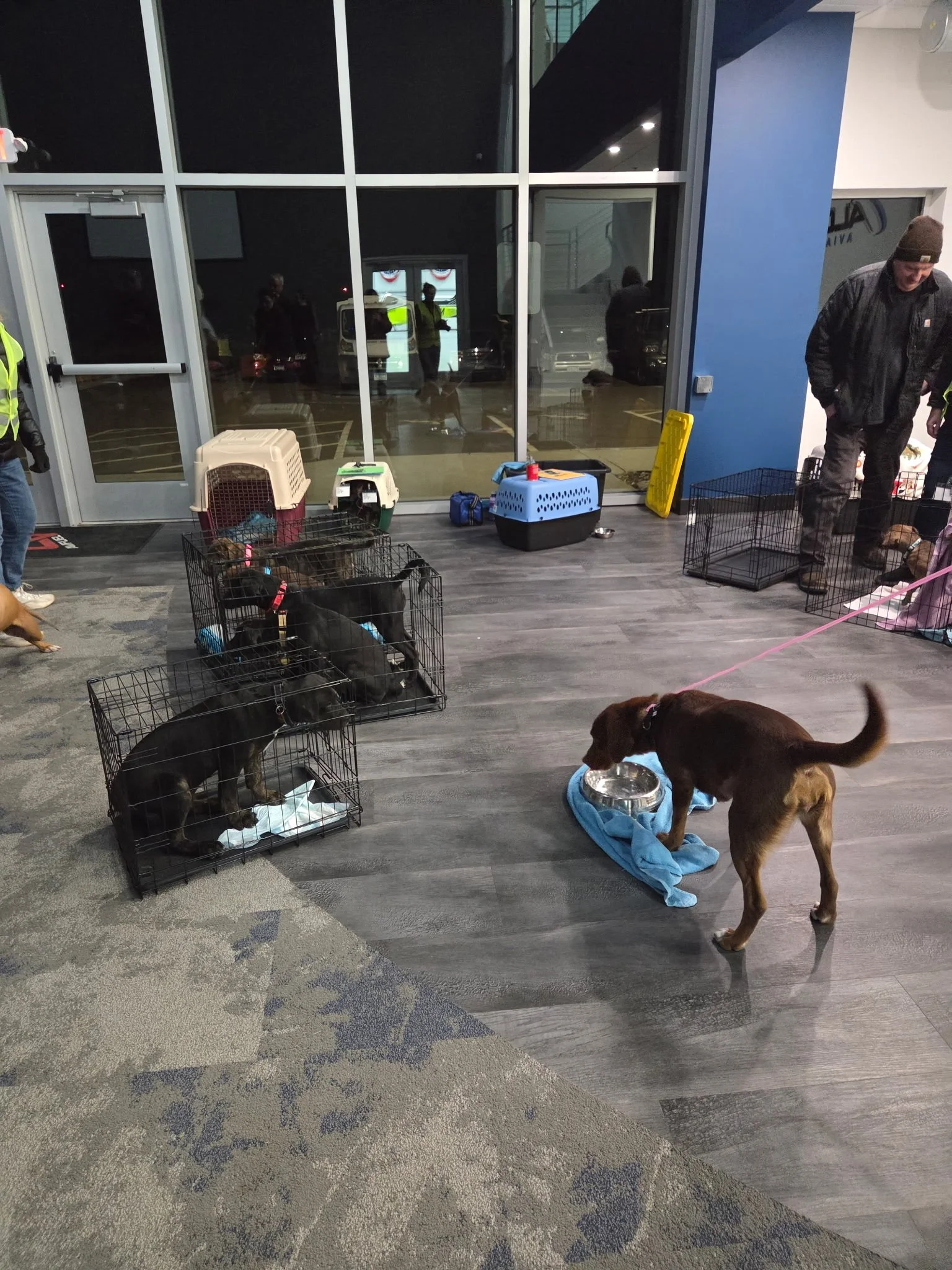
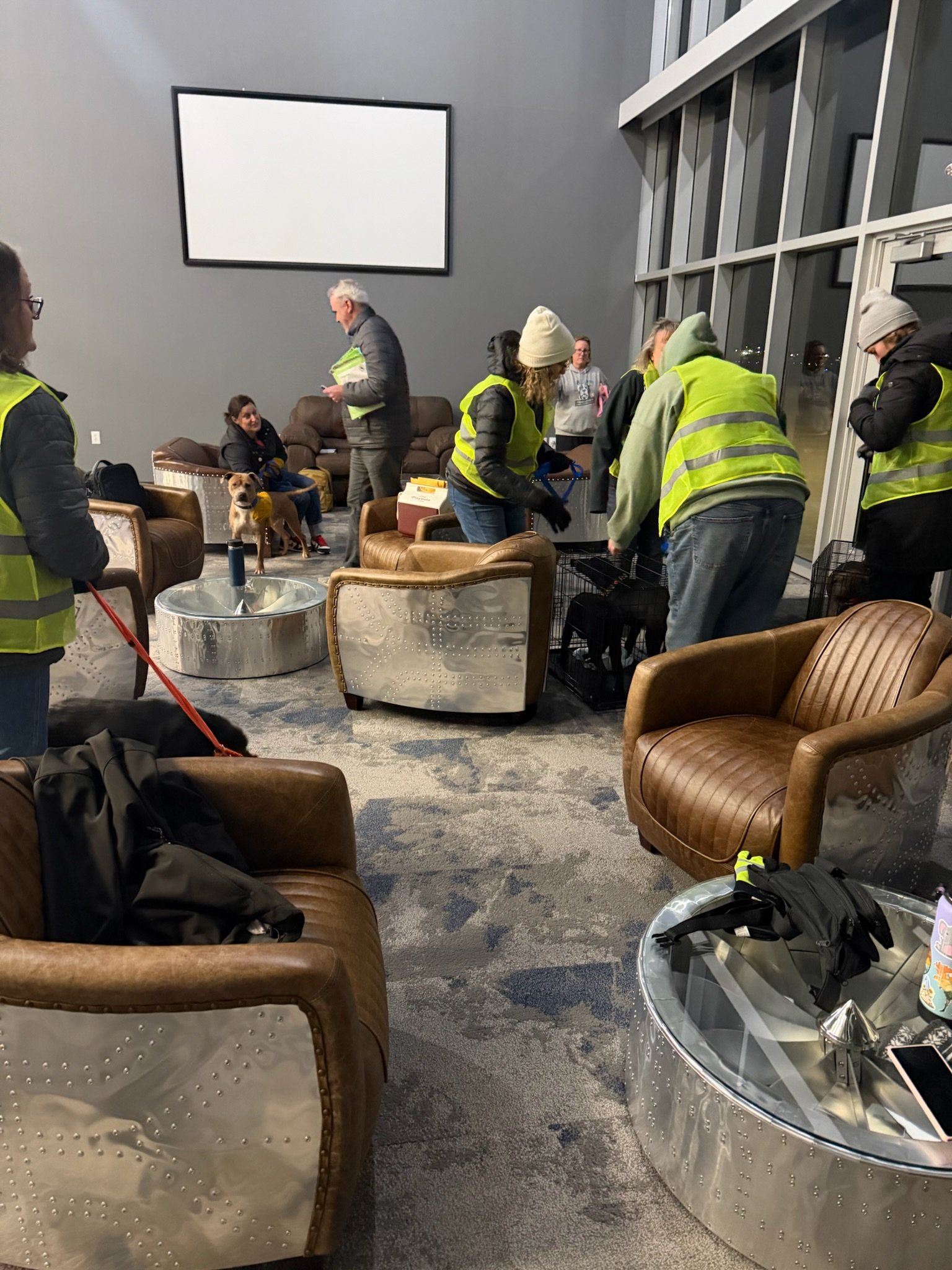
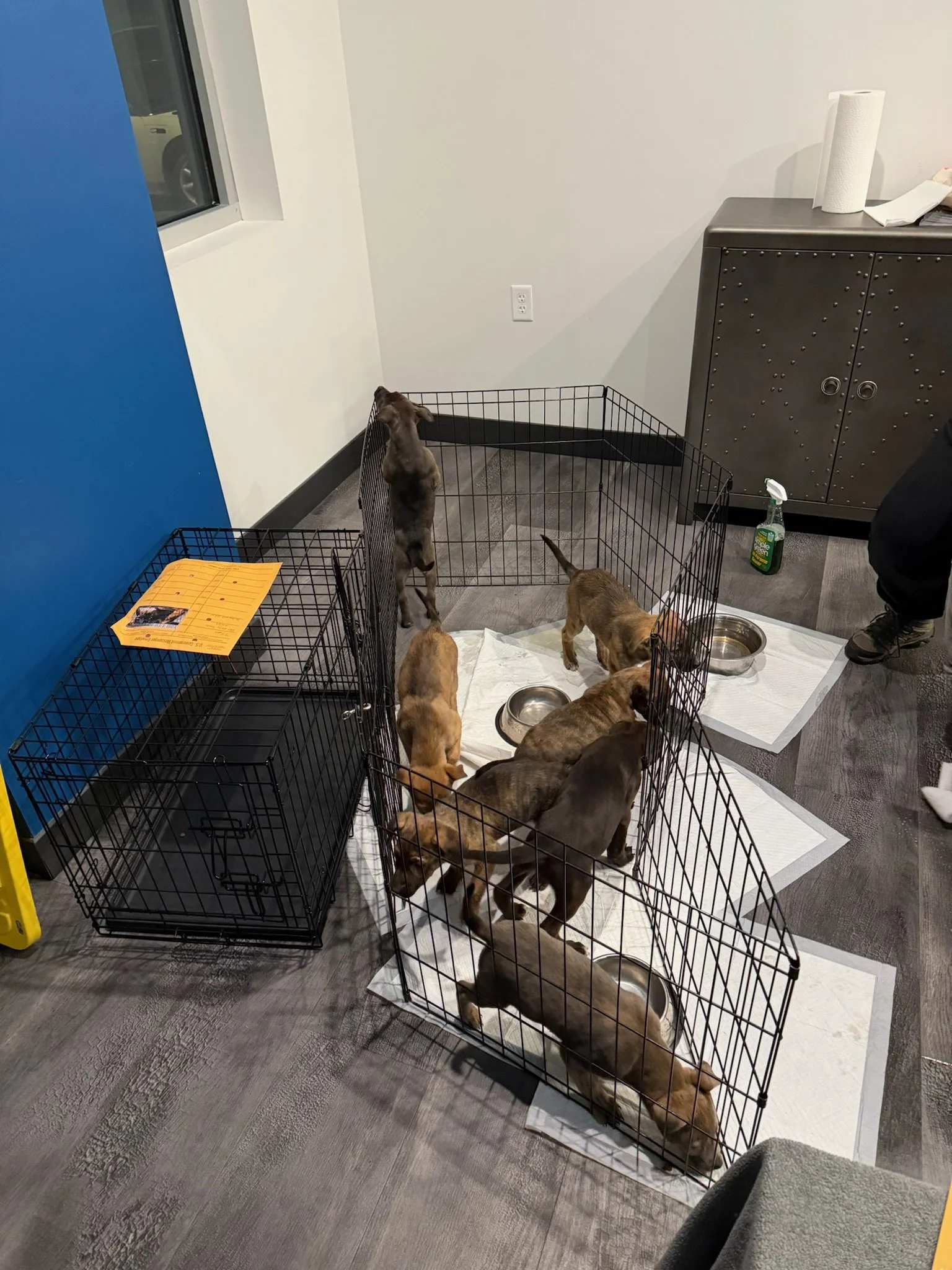
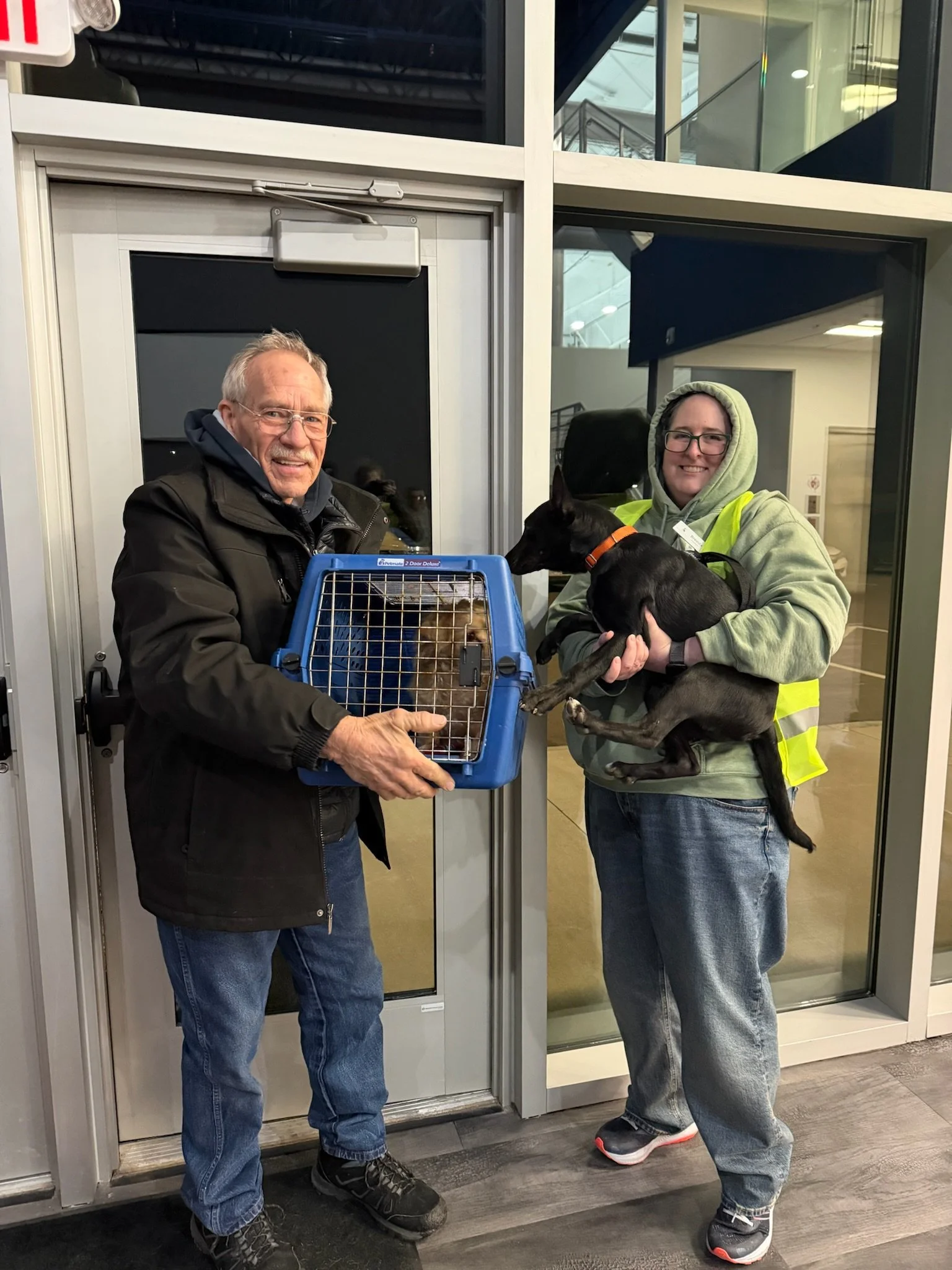
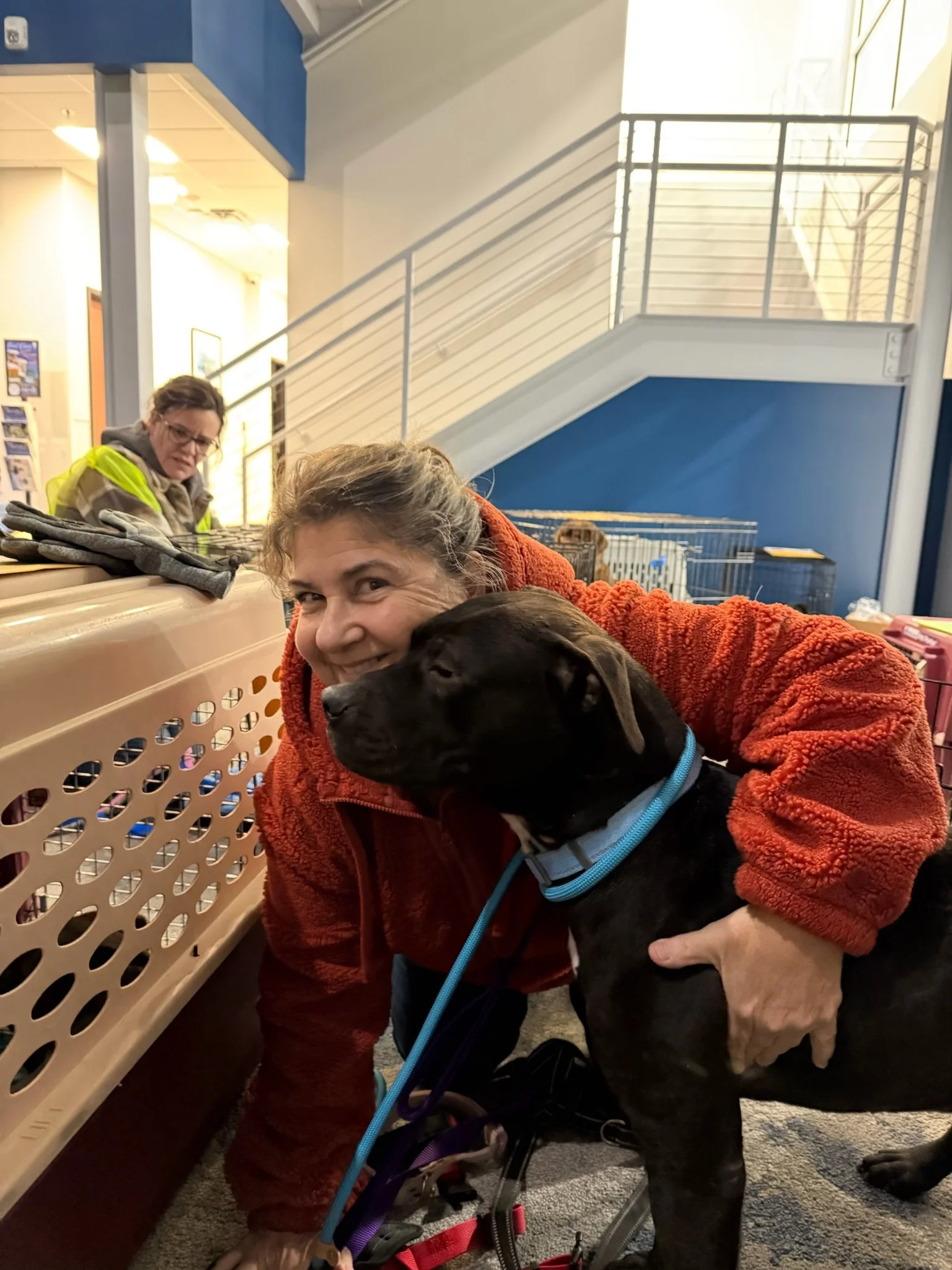
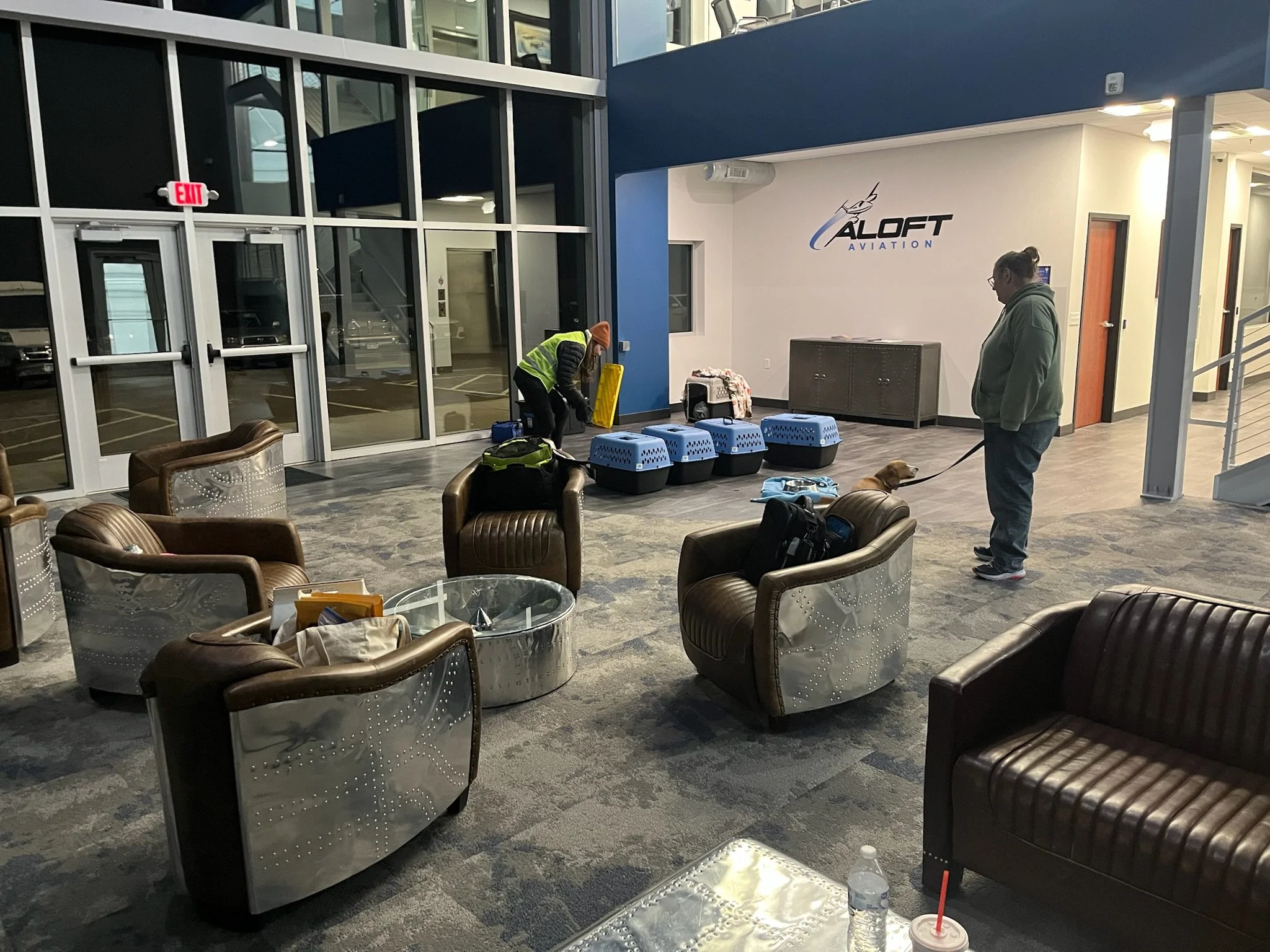
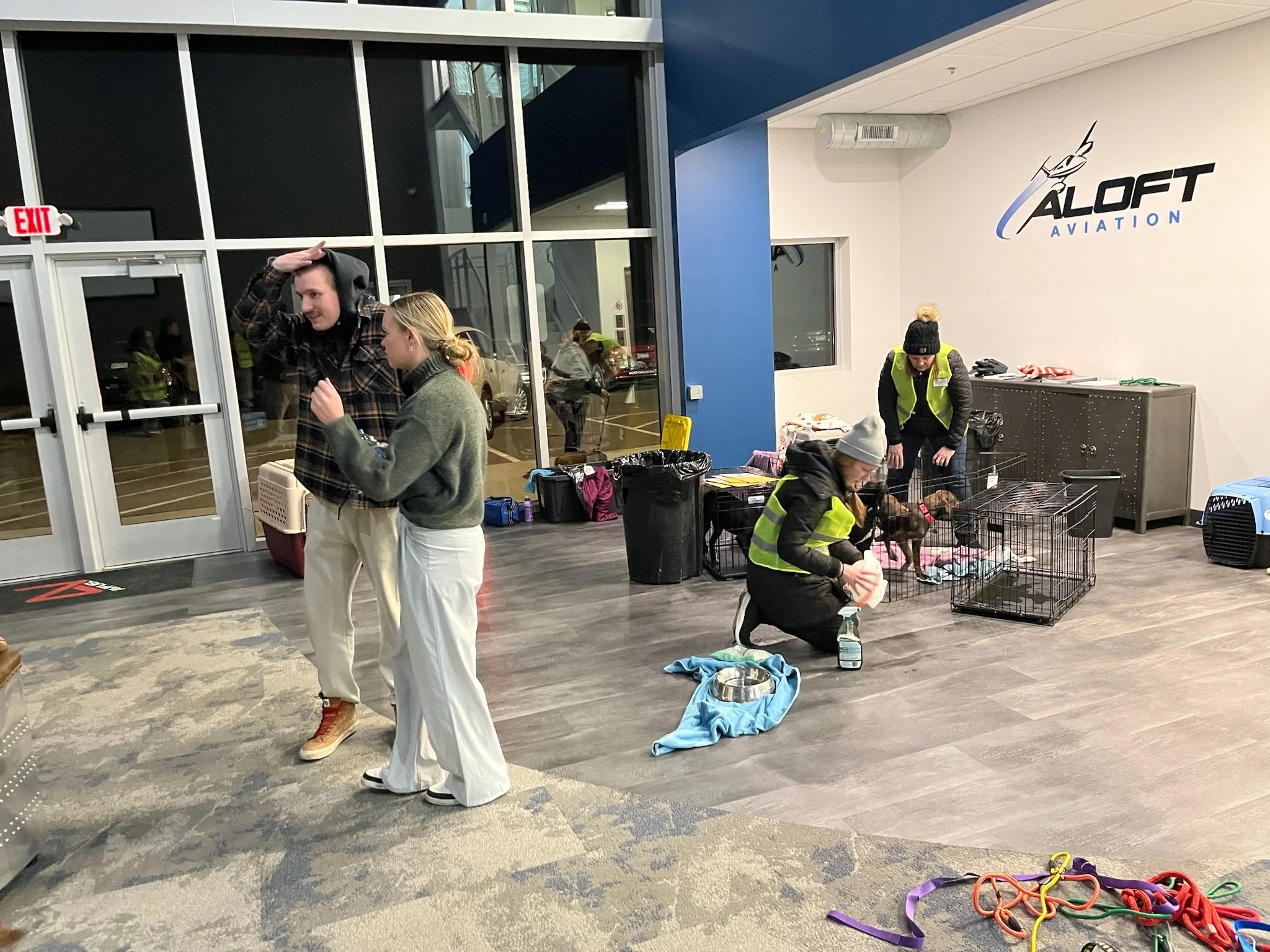
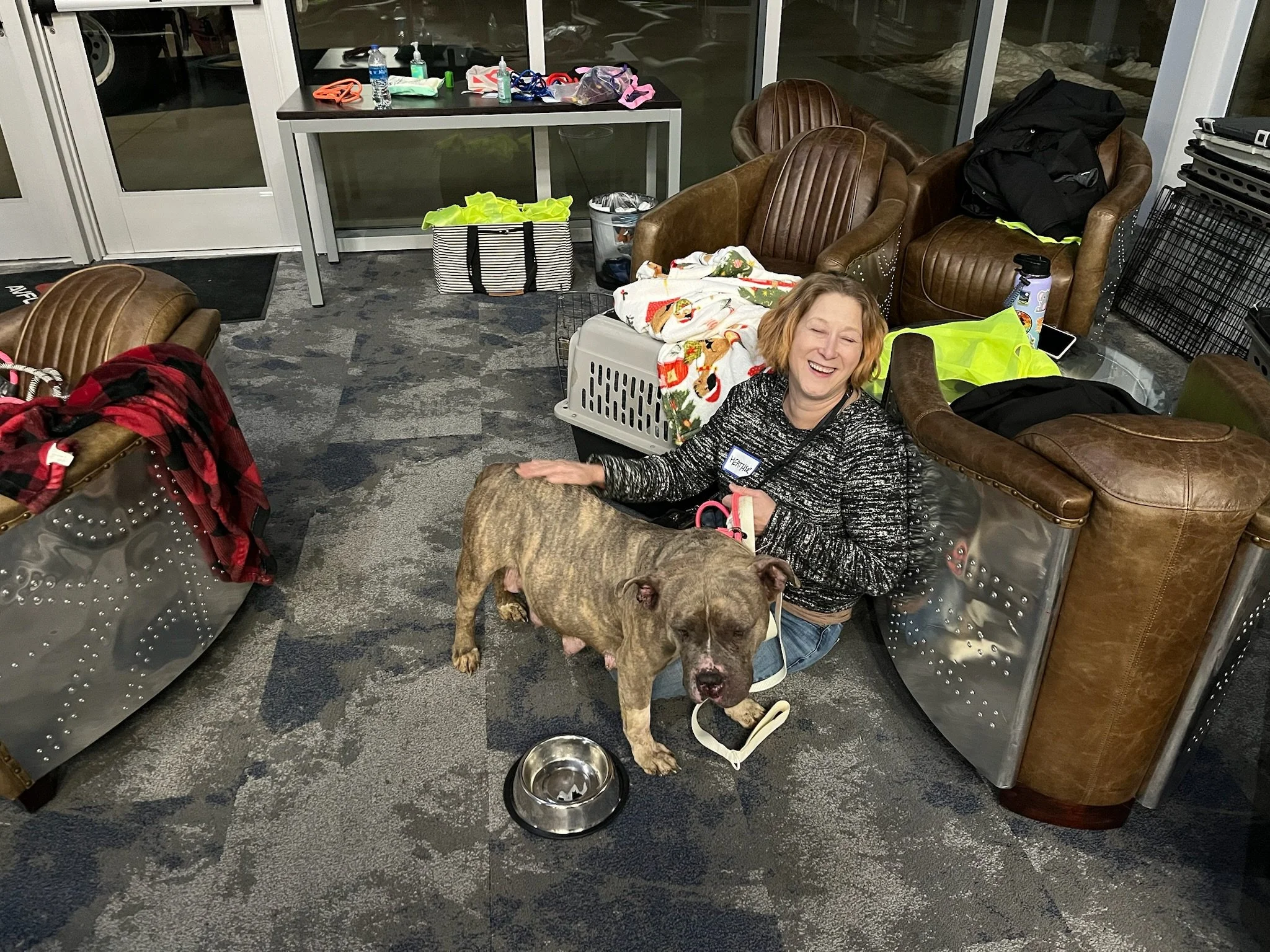
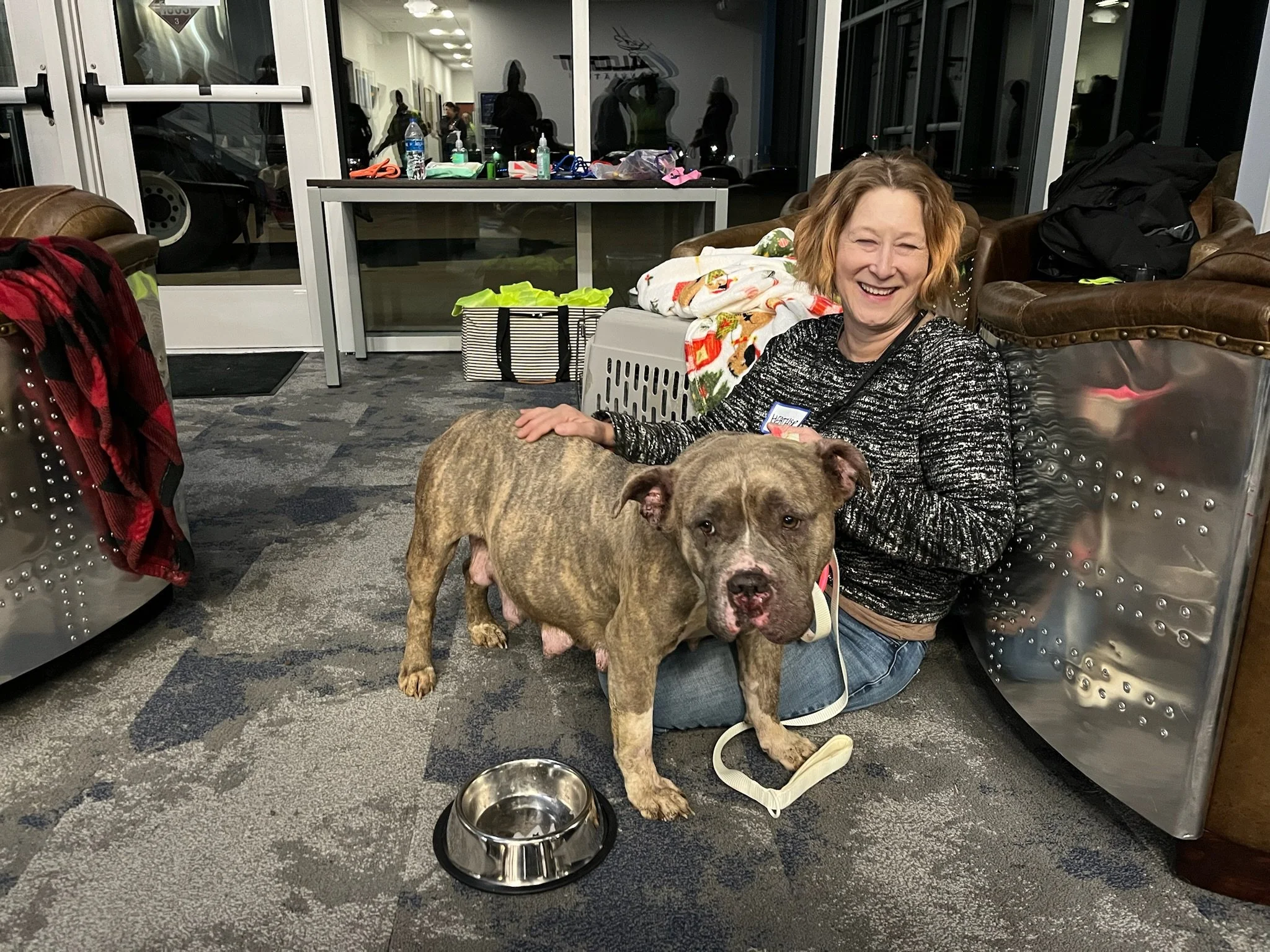
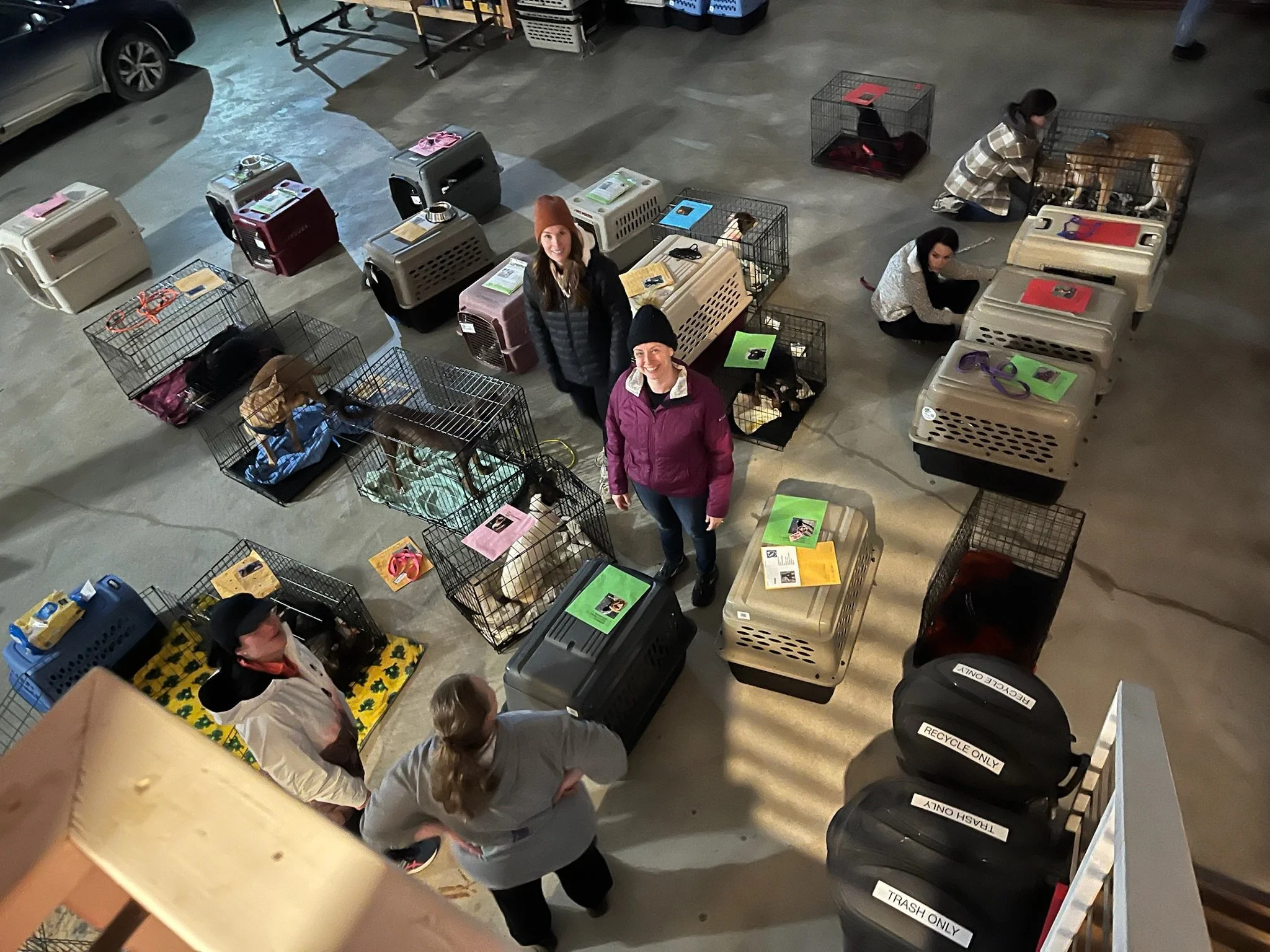
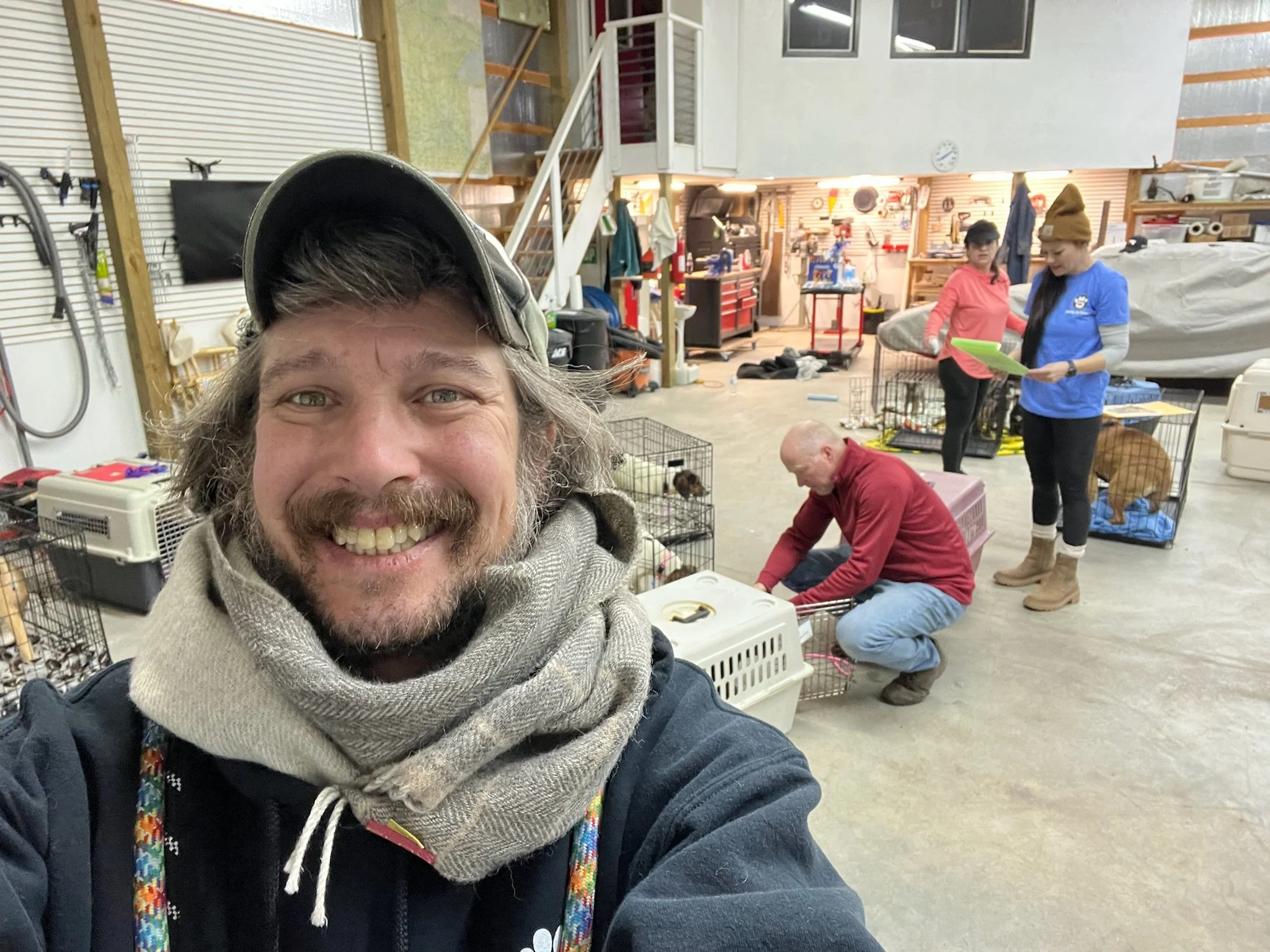
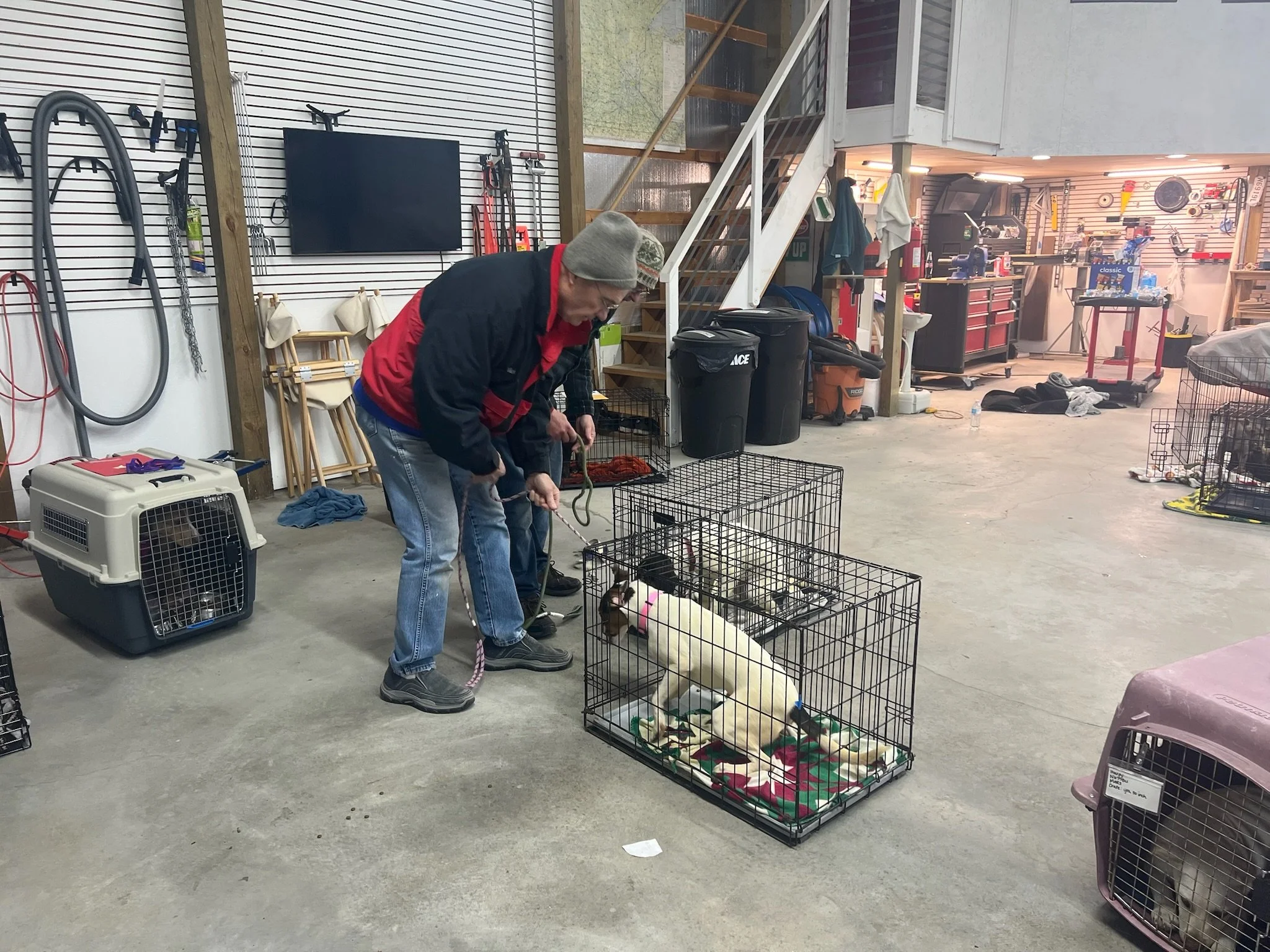
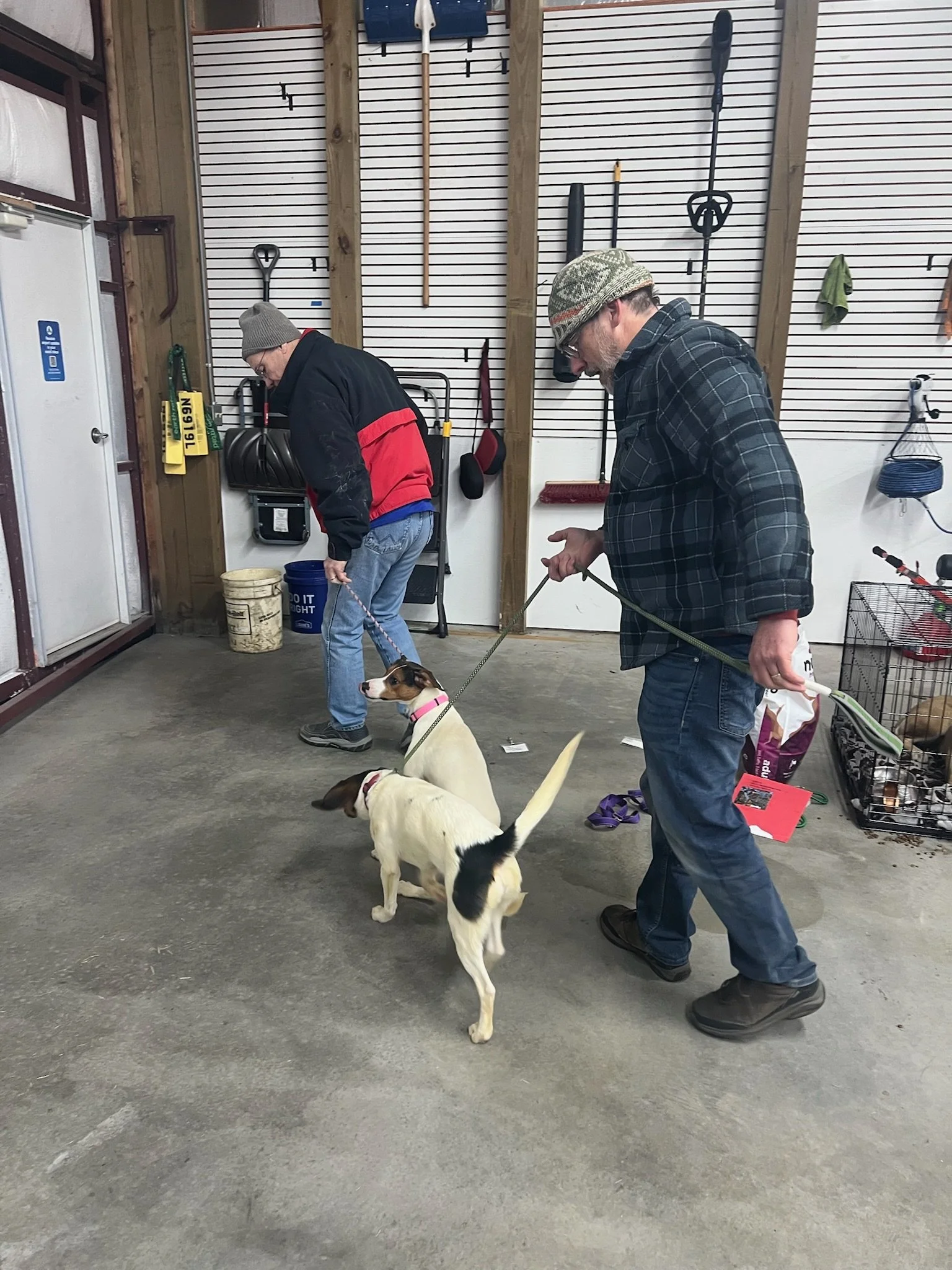
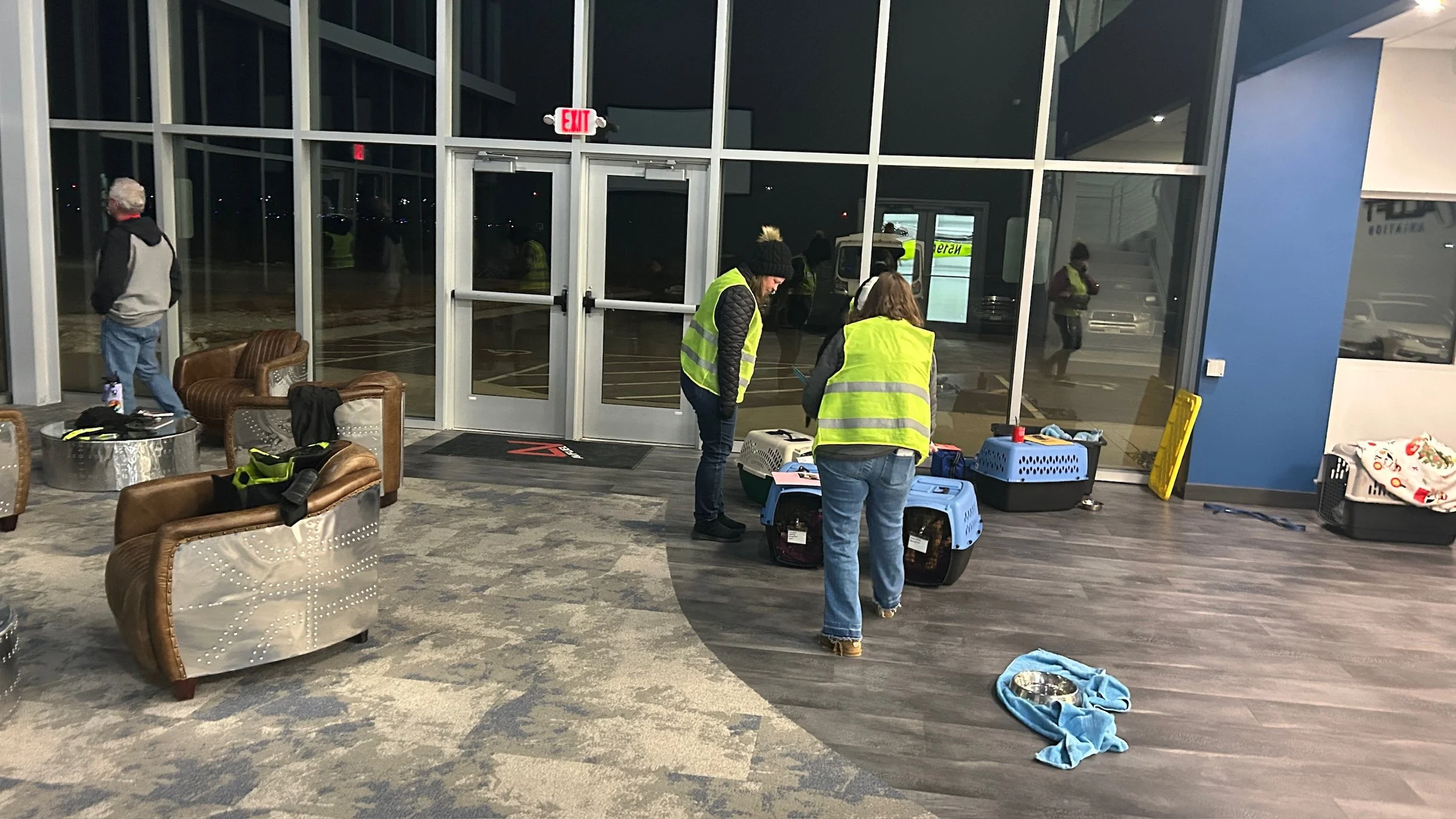
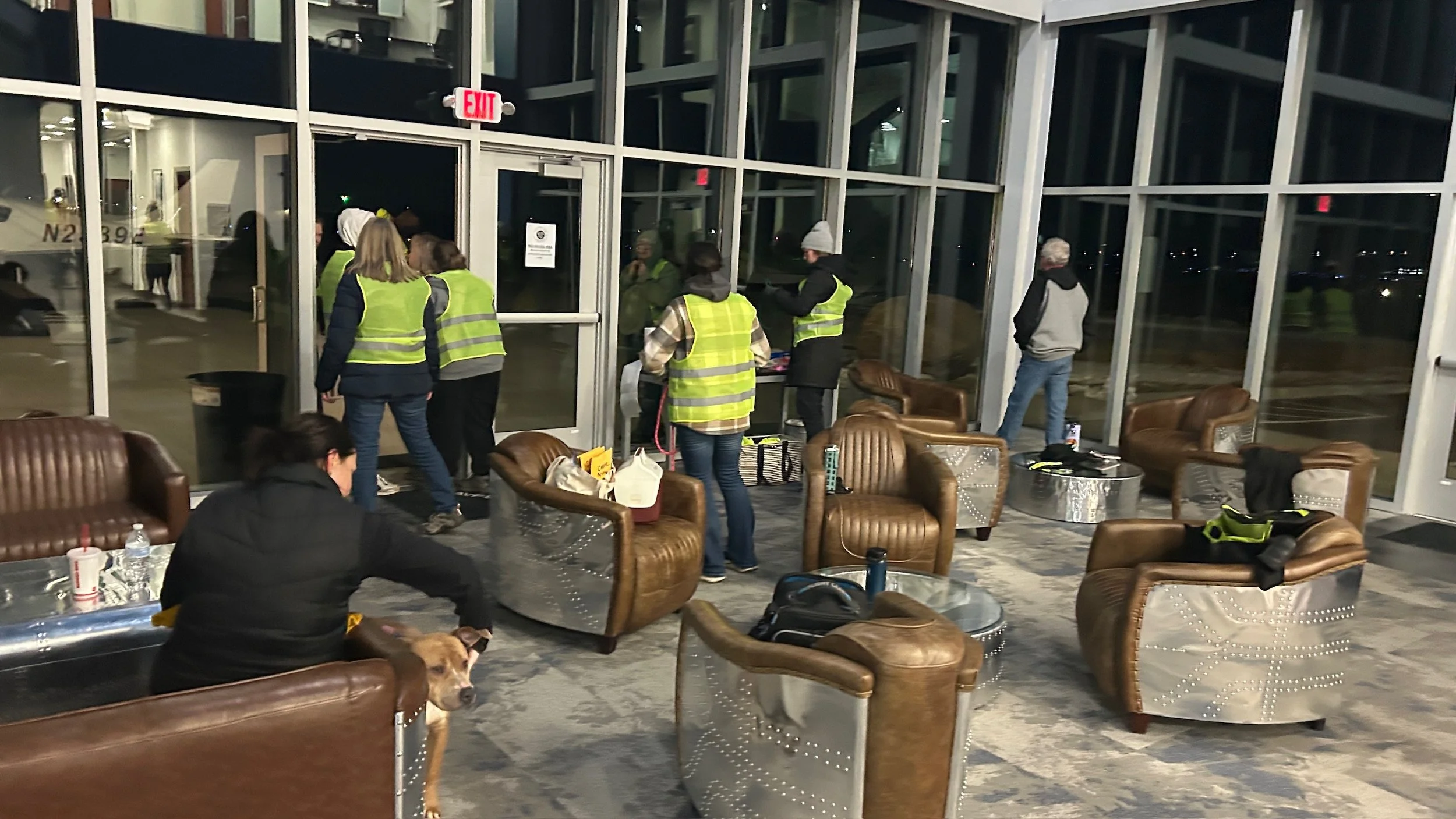
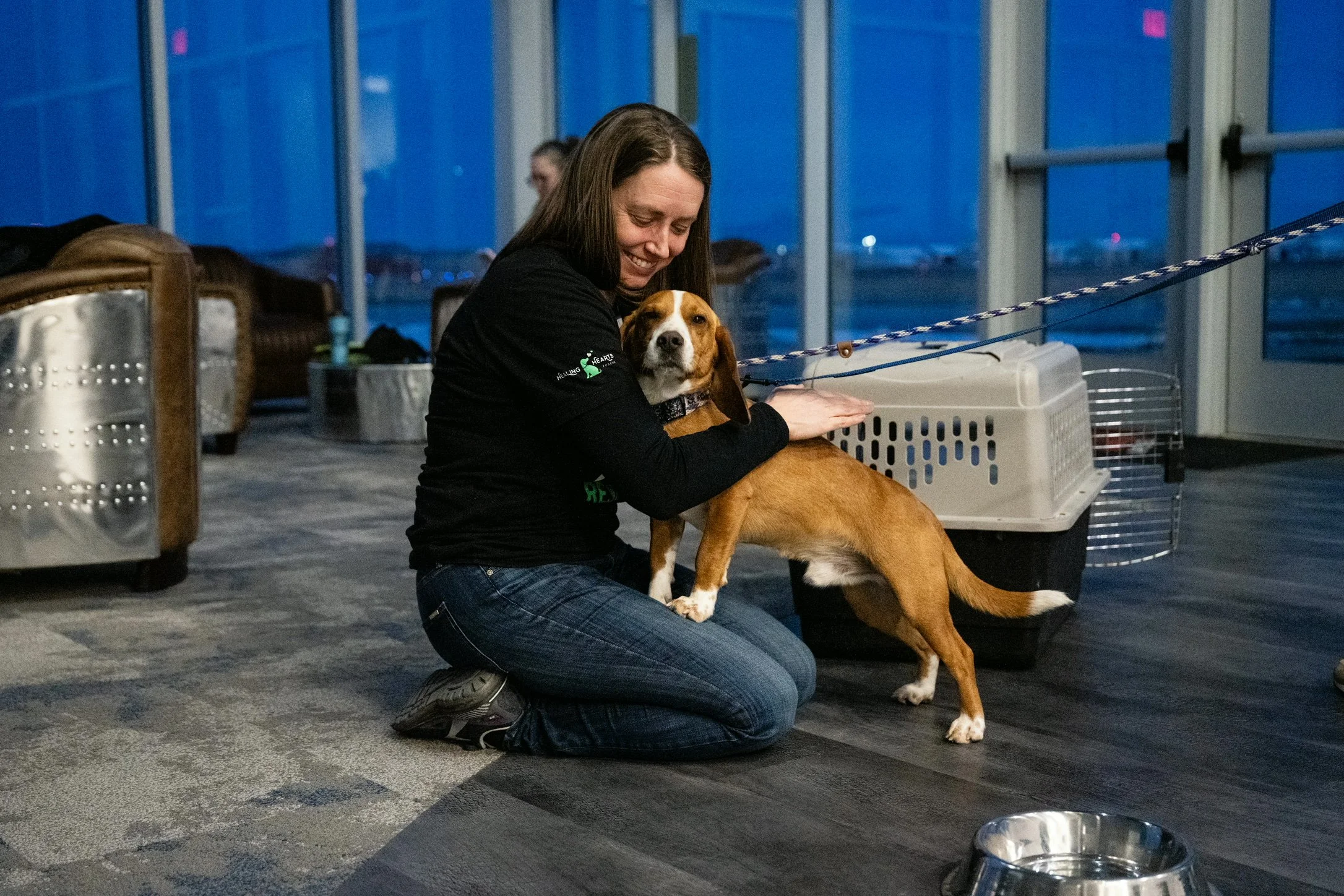
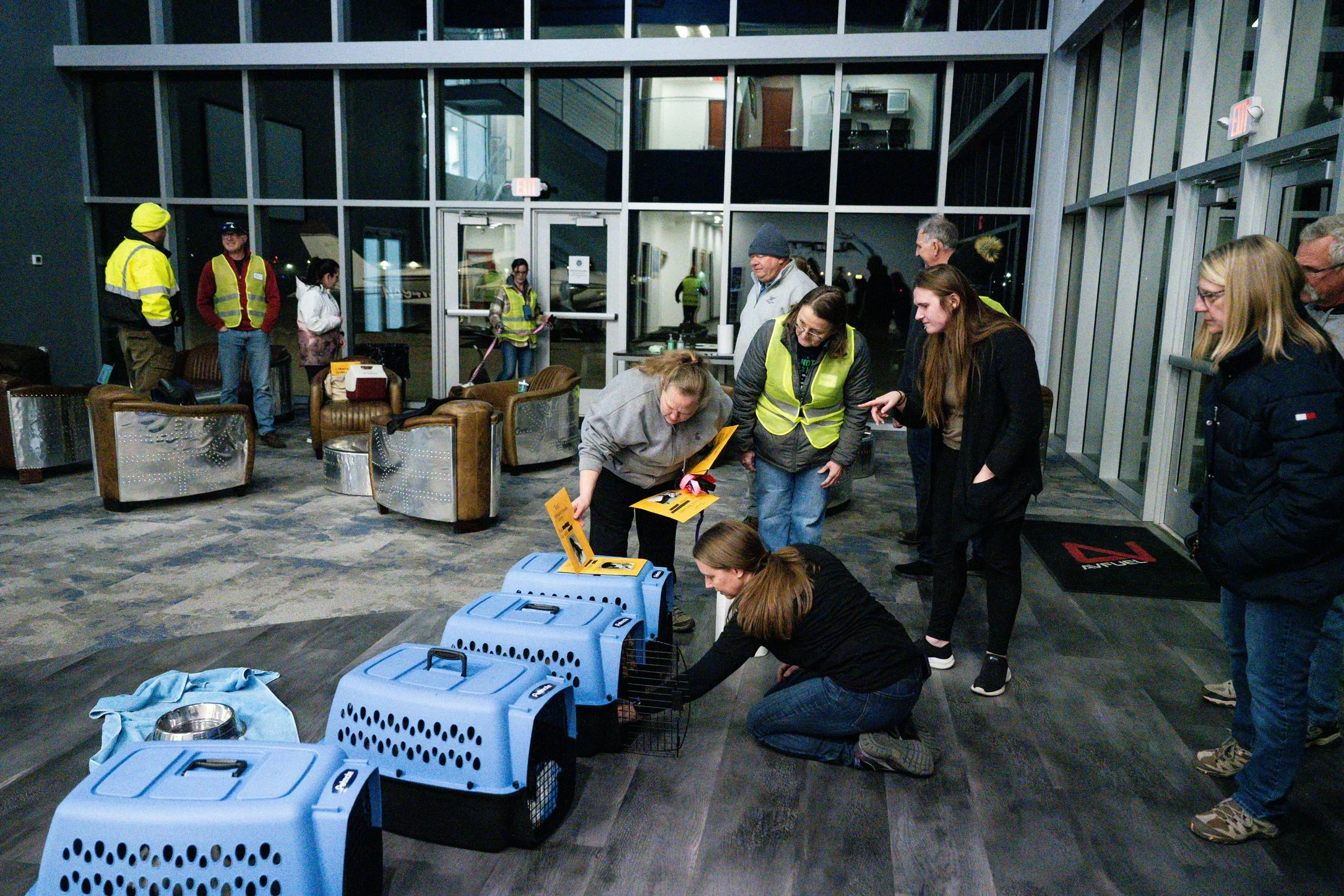
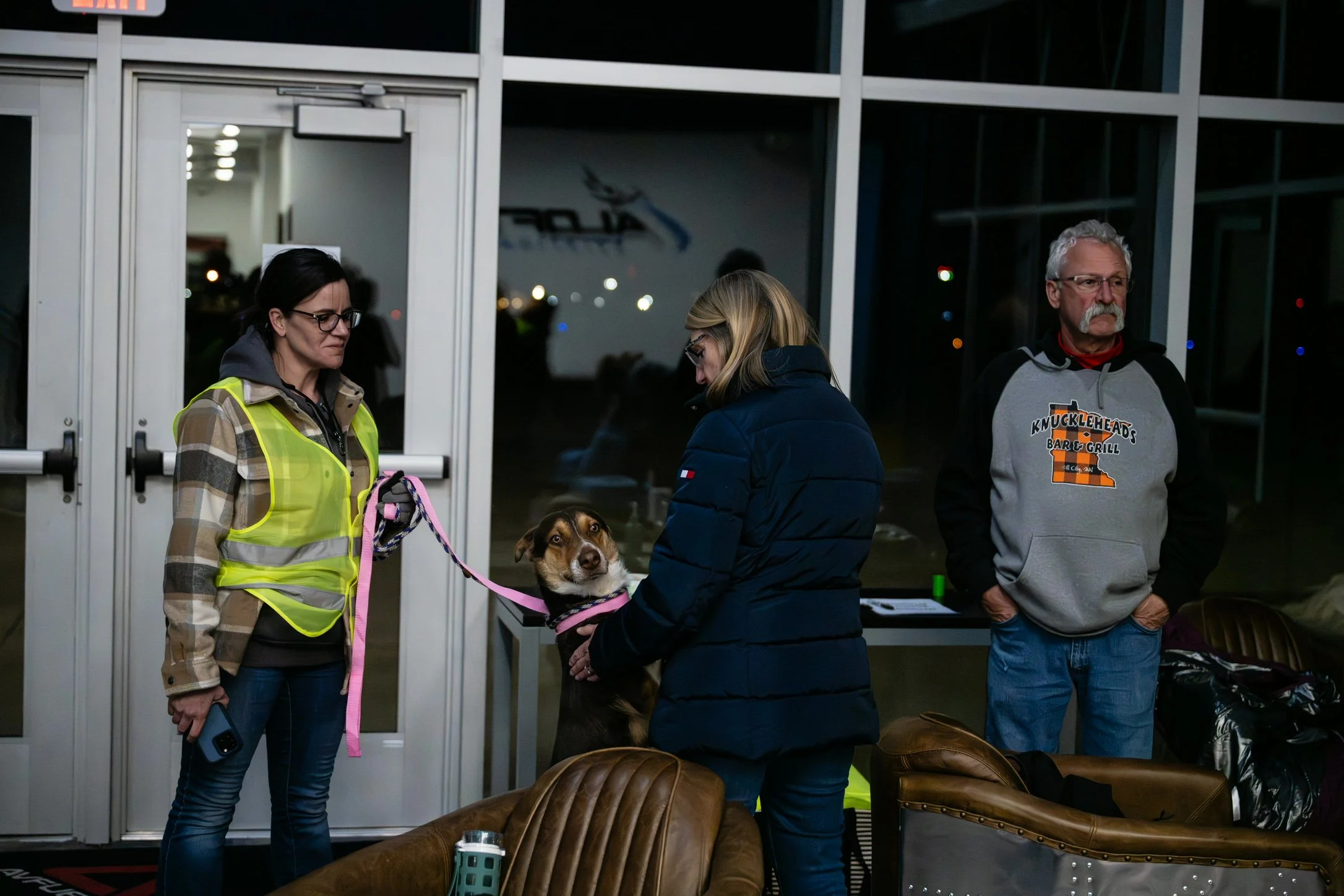
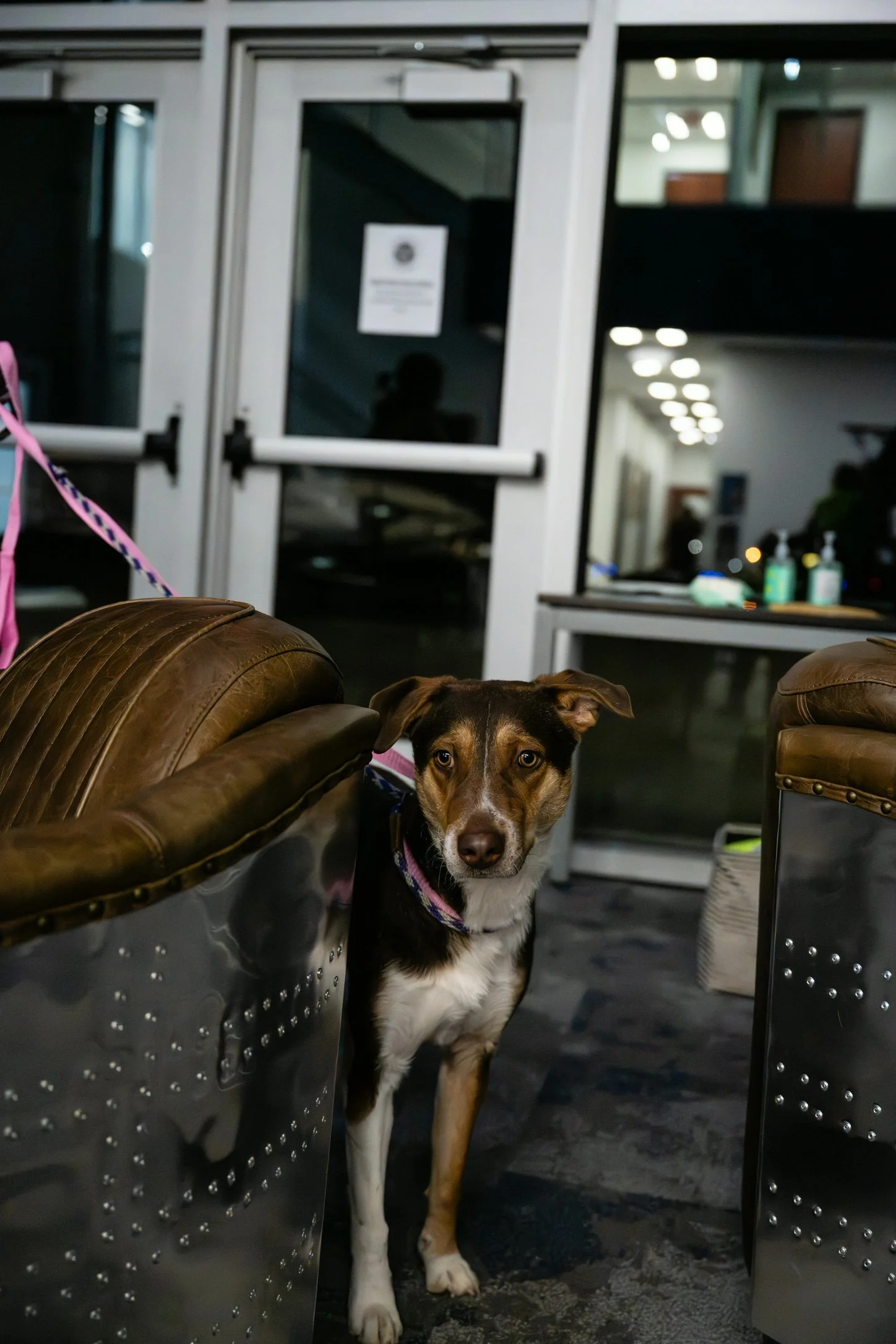
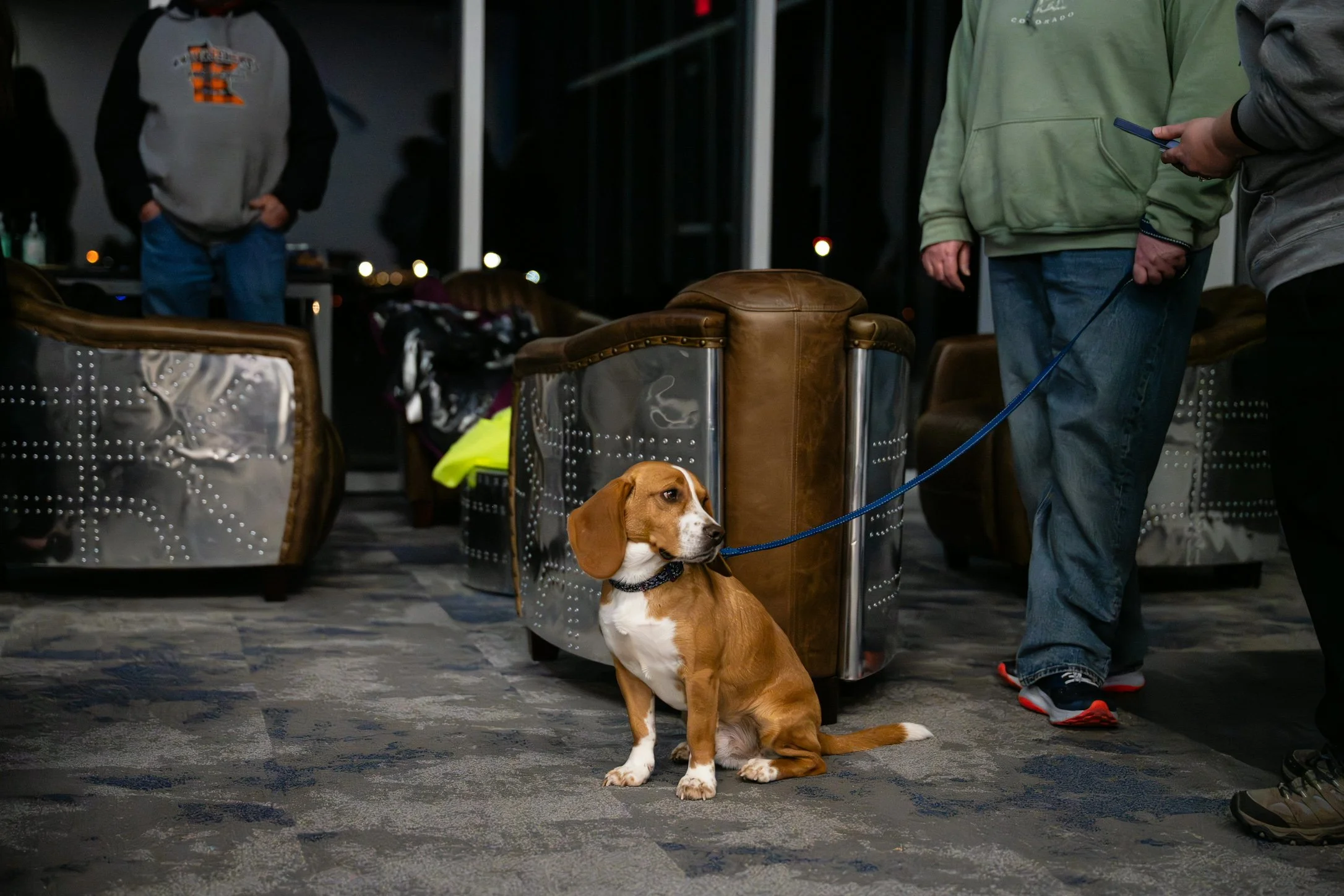
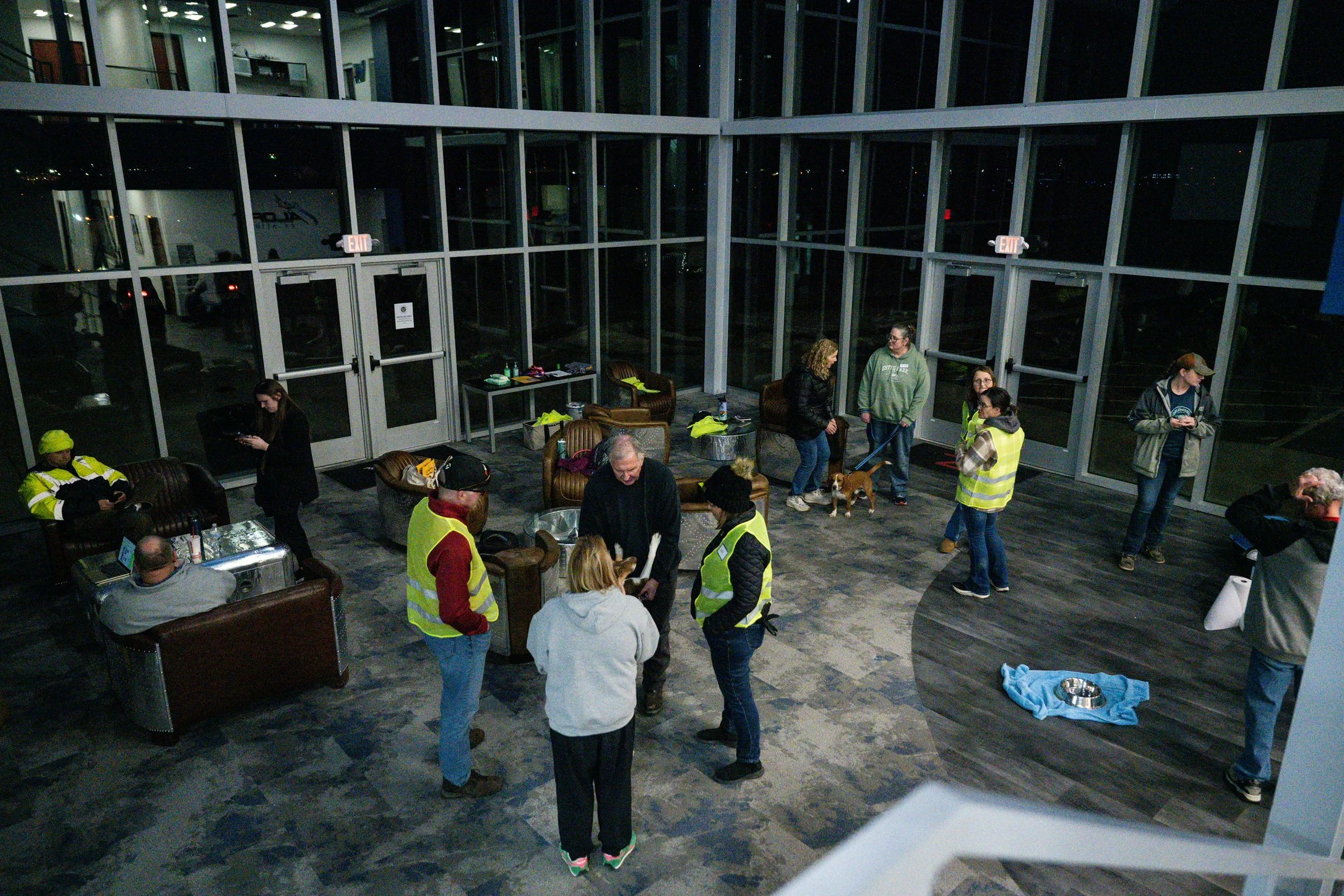
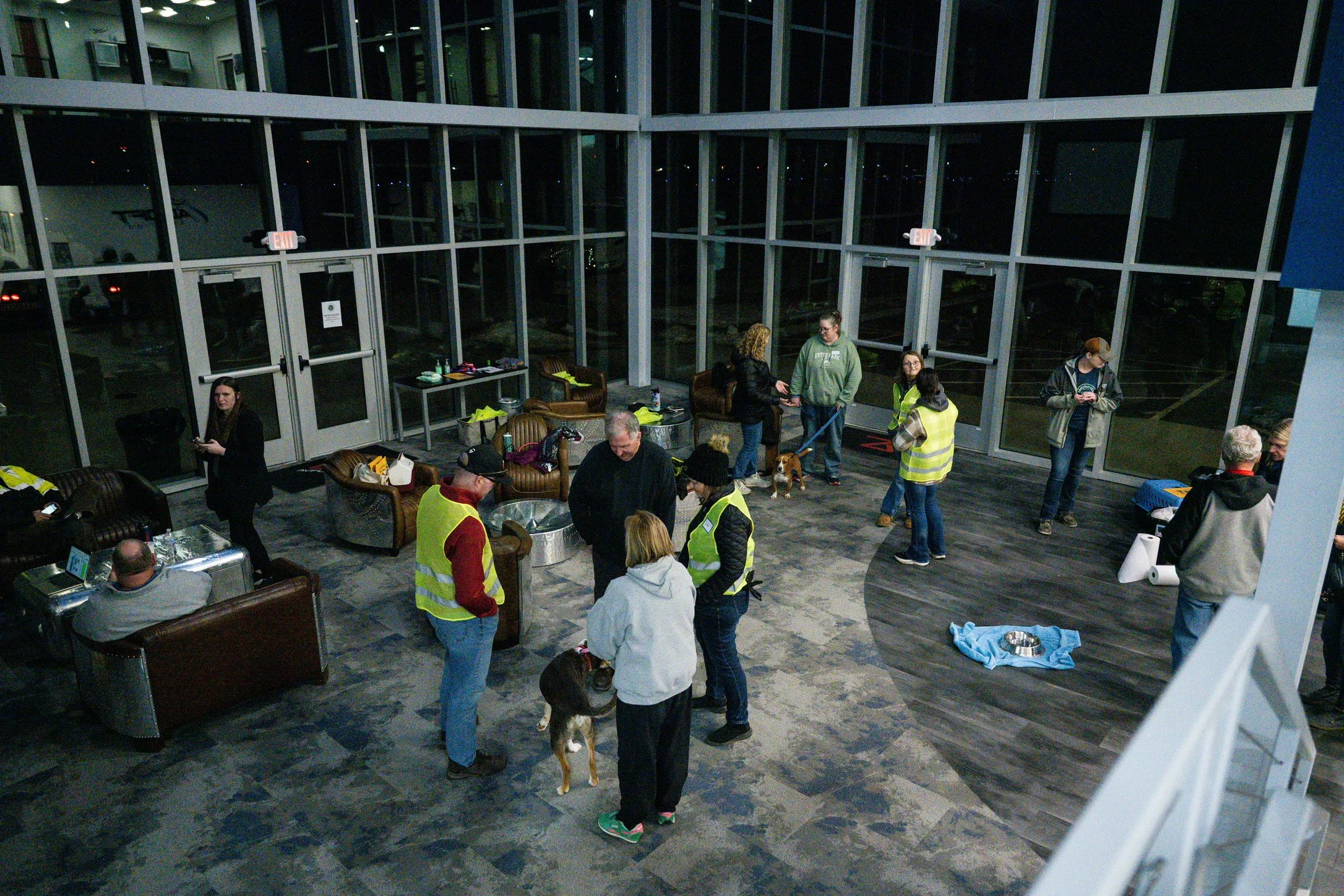
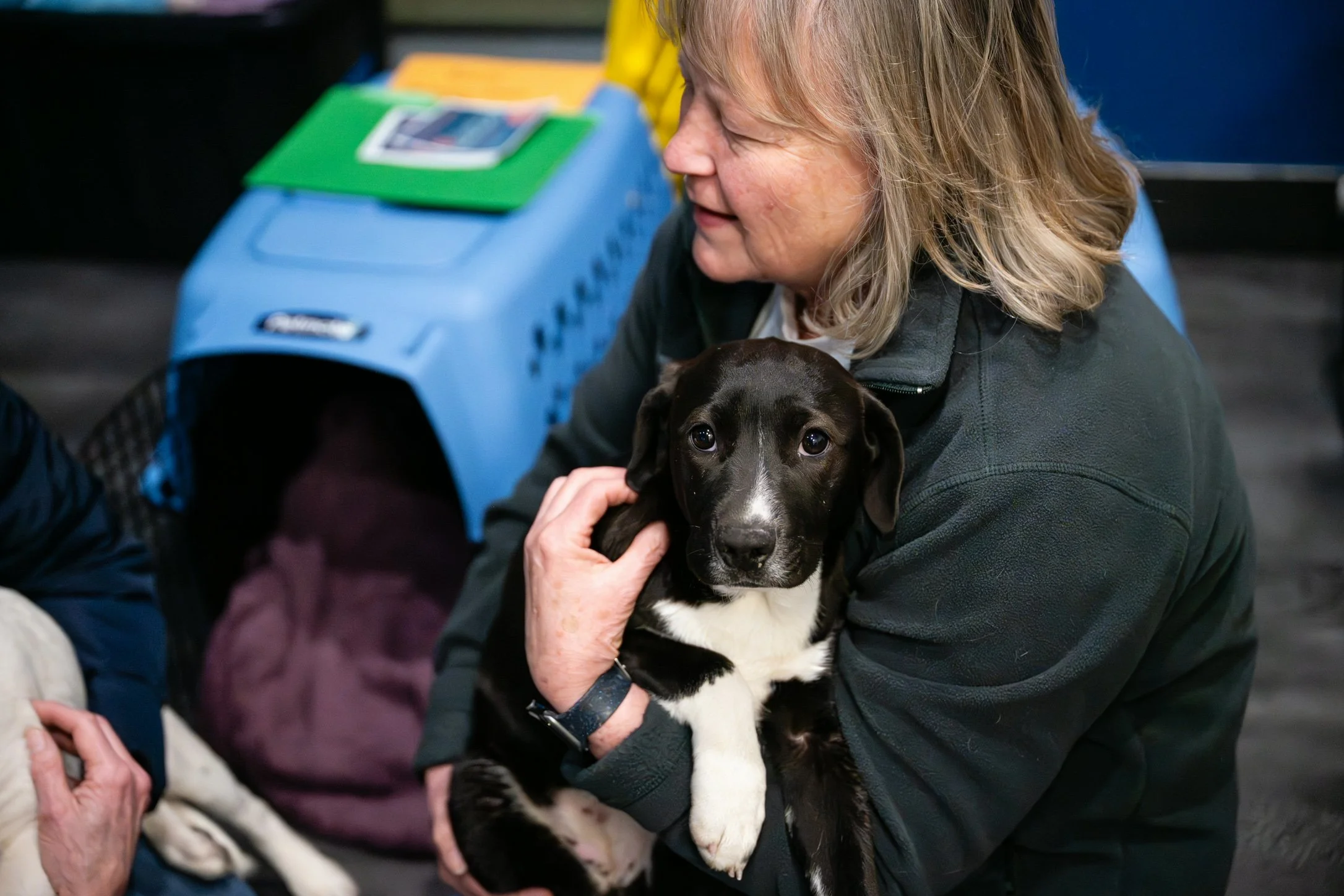
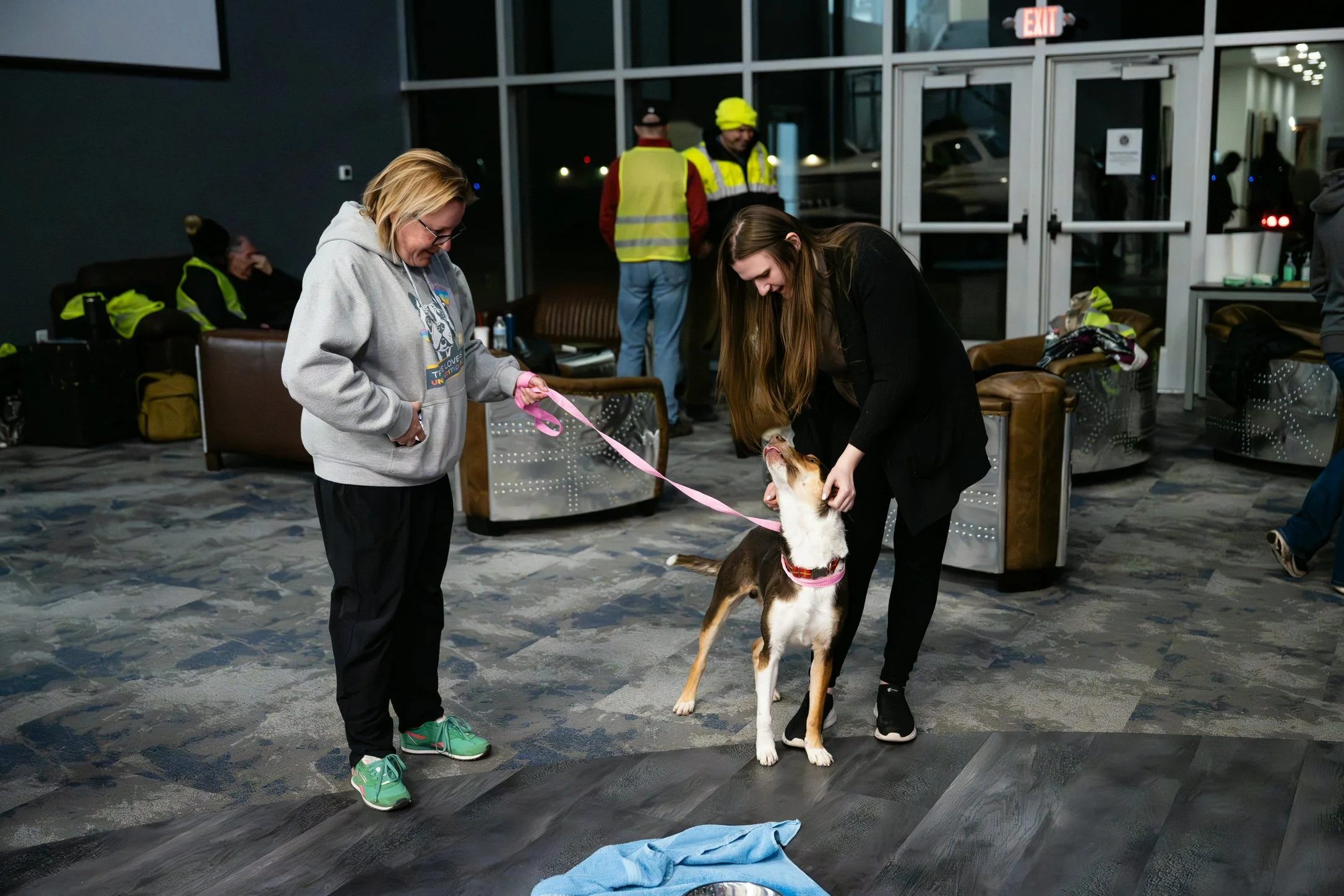
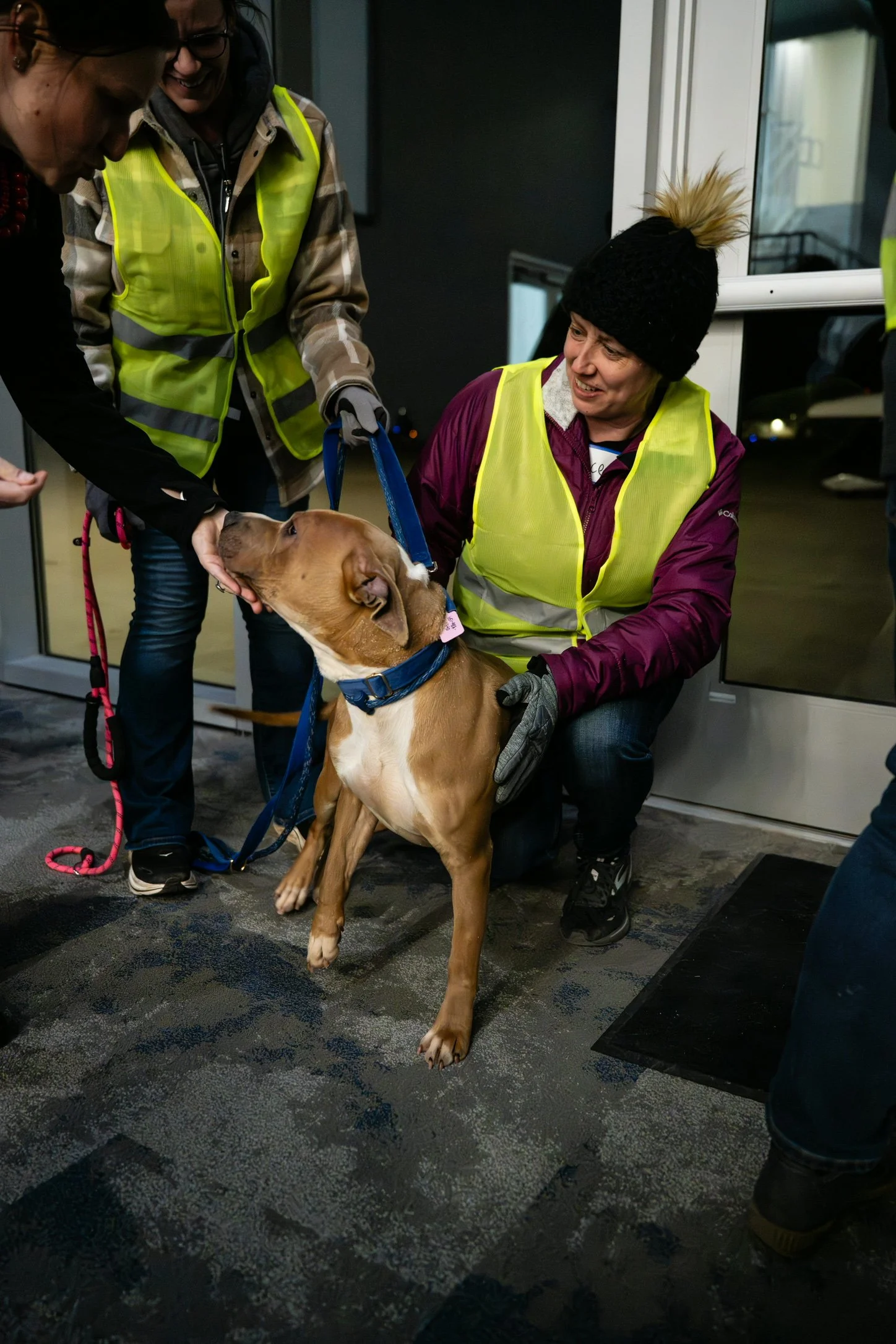
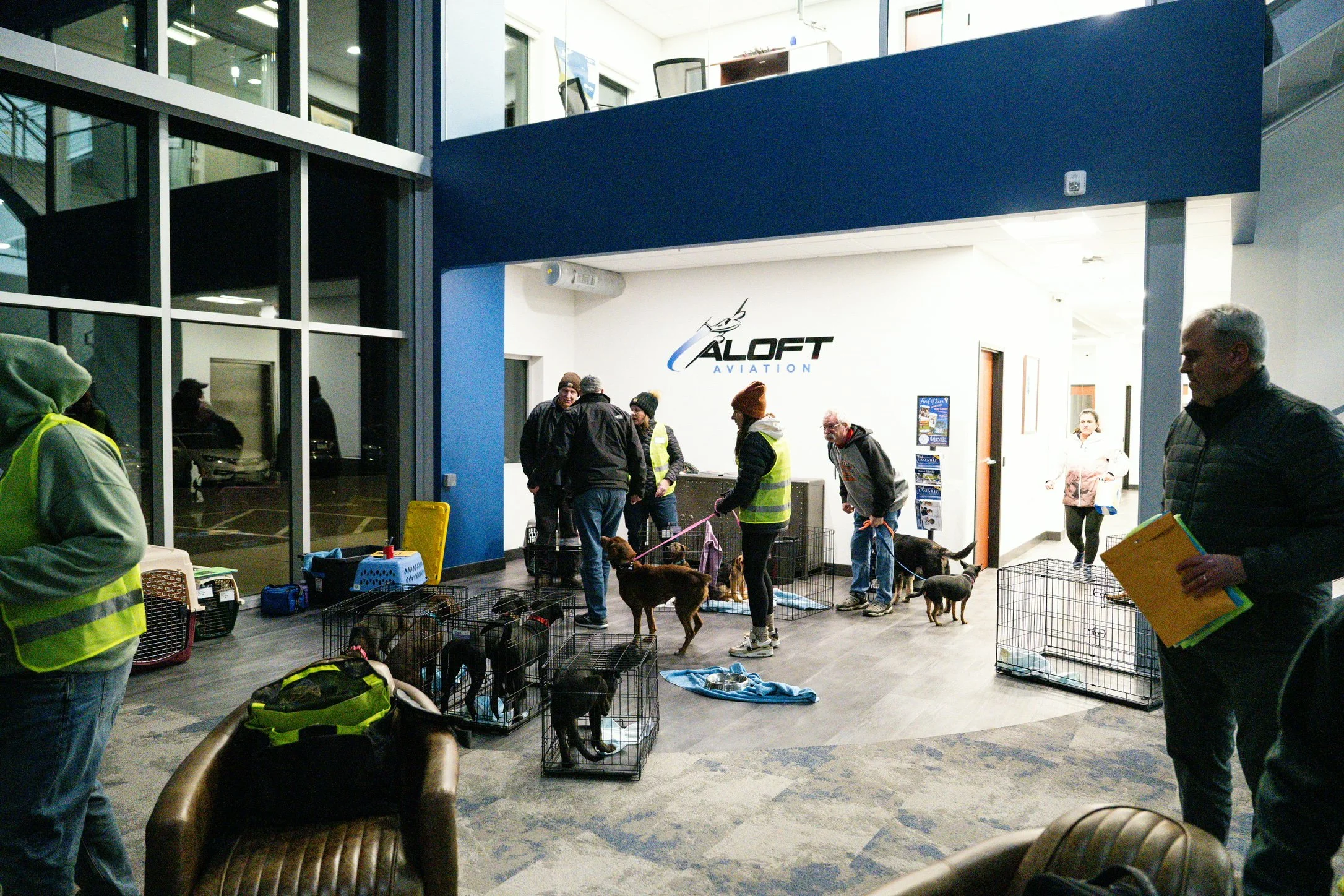
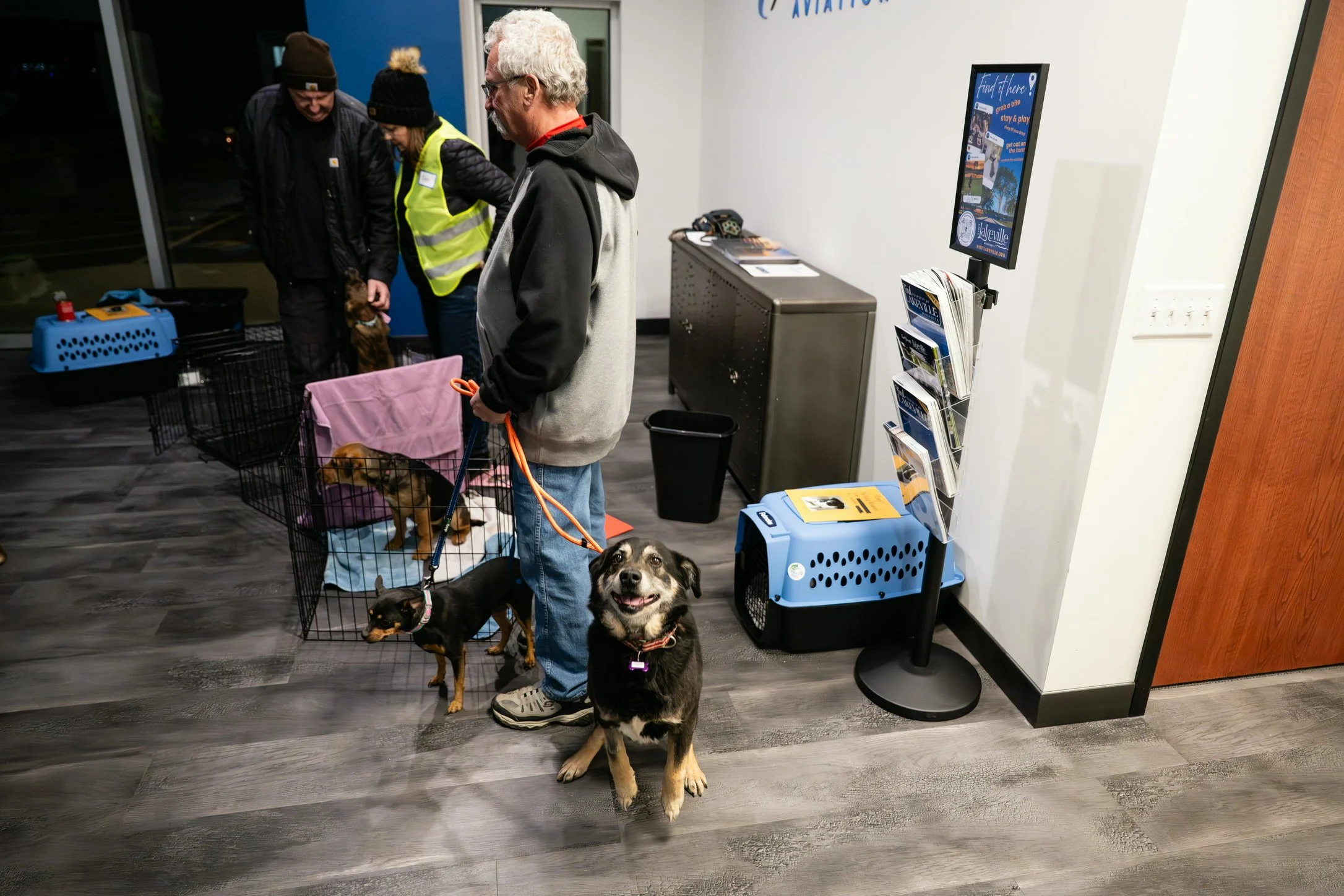
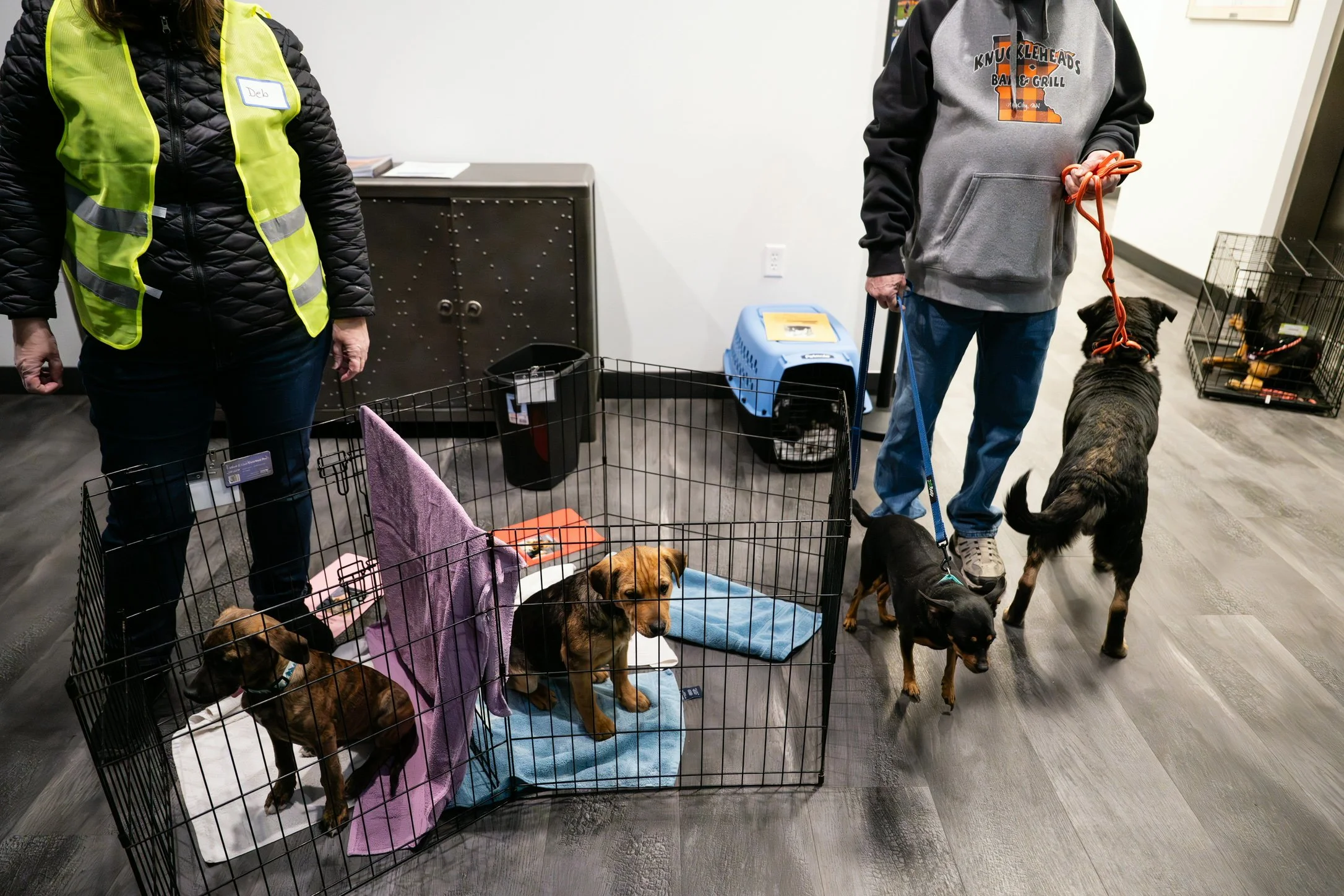
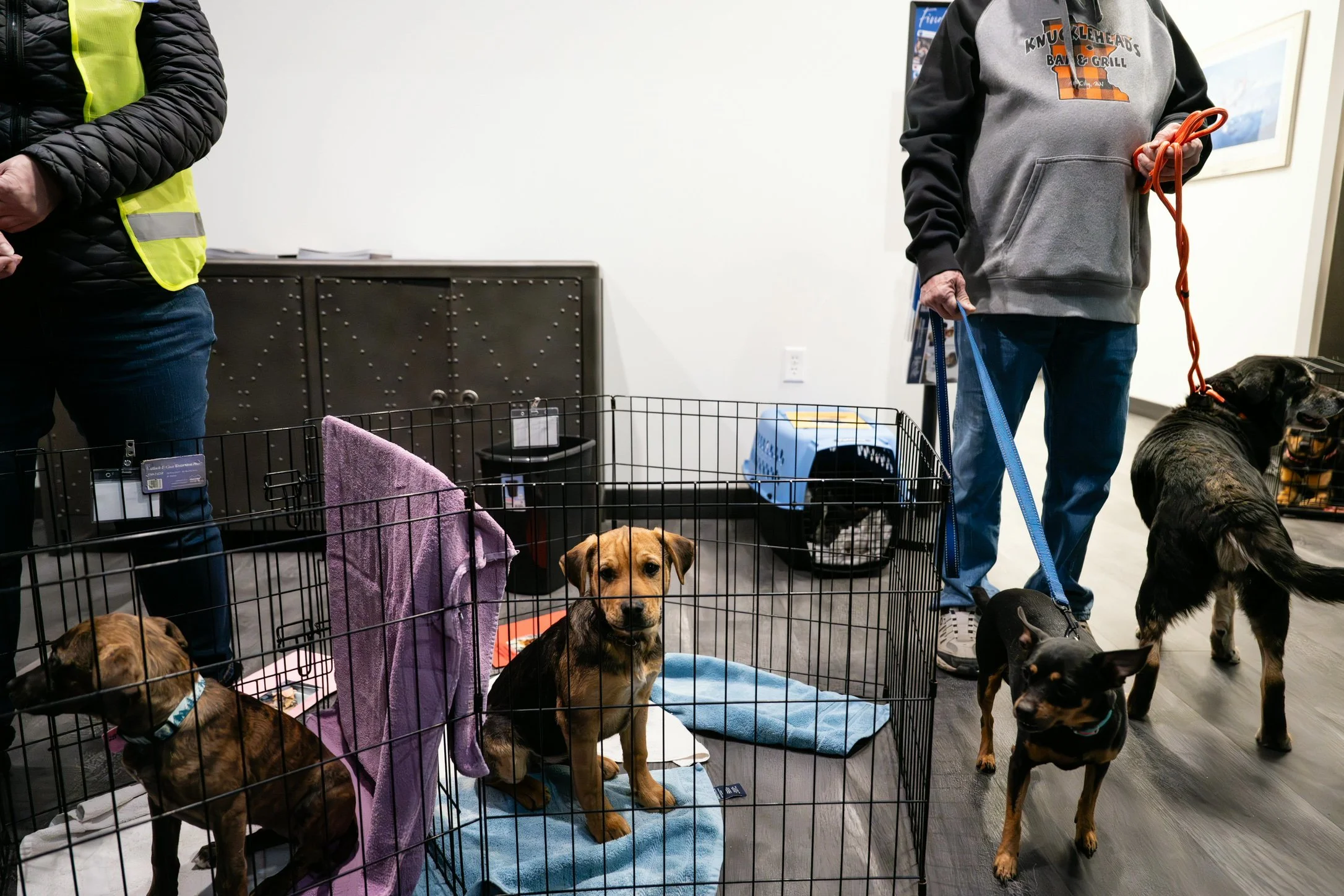
That’s when a generous local couple stepped forward, offering their heated hangar to temporarily house approximately 40 dogs that had not yet been picked up. What followed was an impromptu overnight operation.
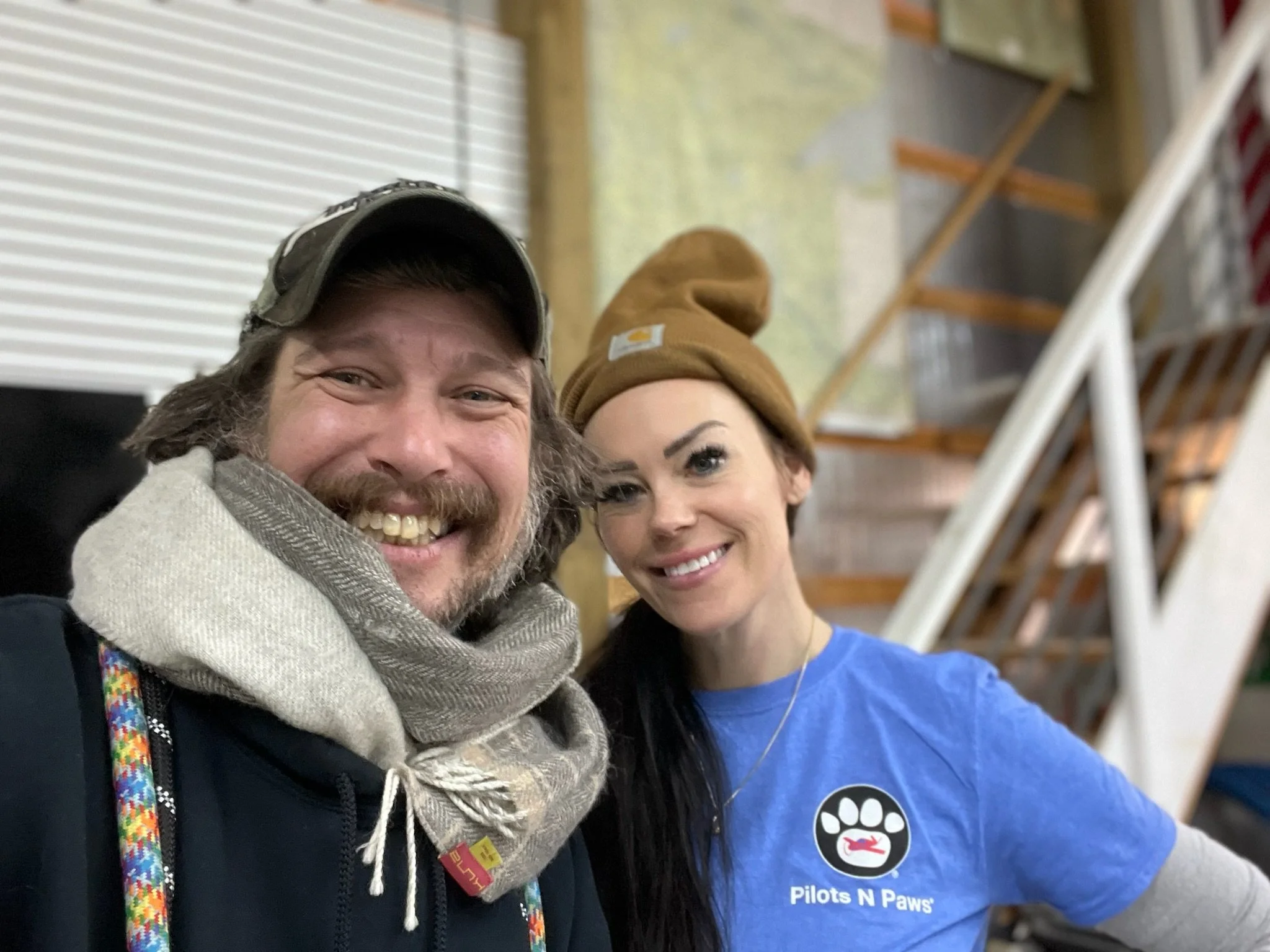
Captain Rachel Jouppi, who coordinated and led the mission, described the scene:
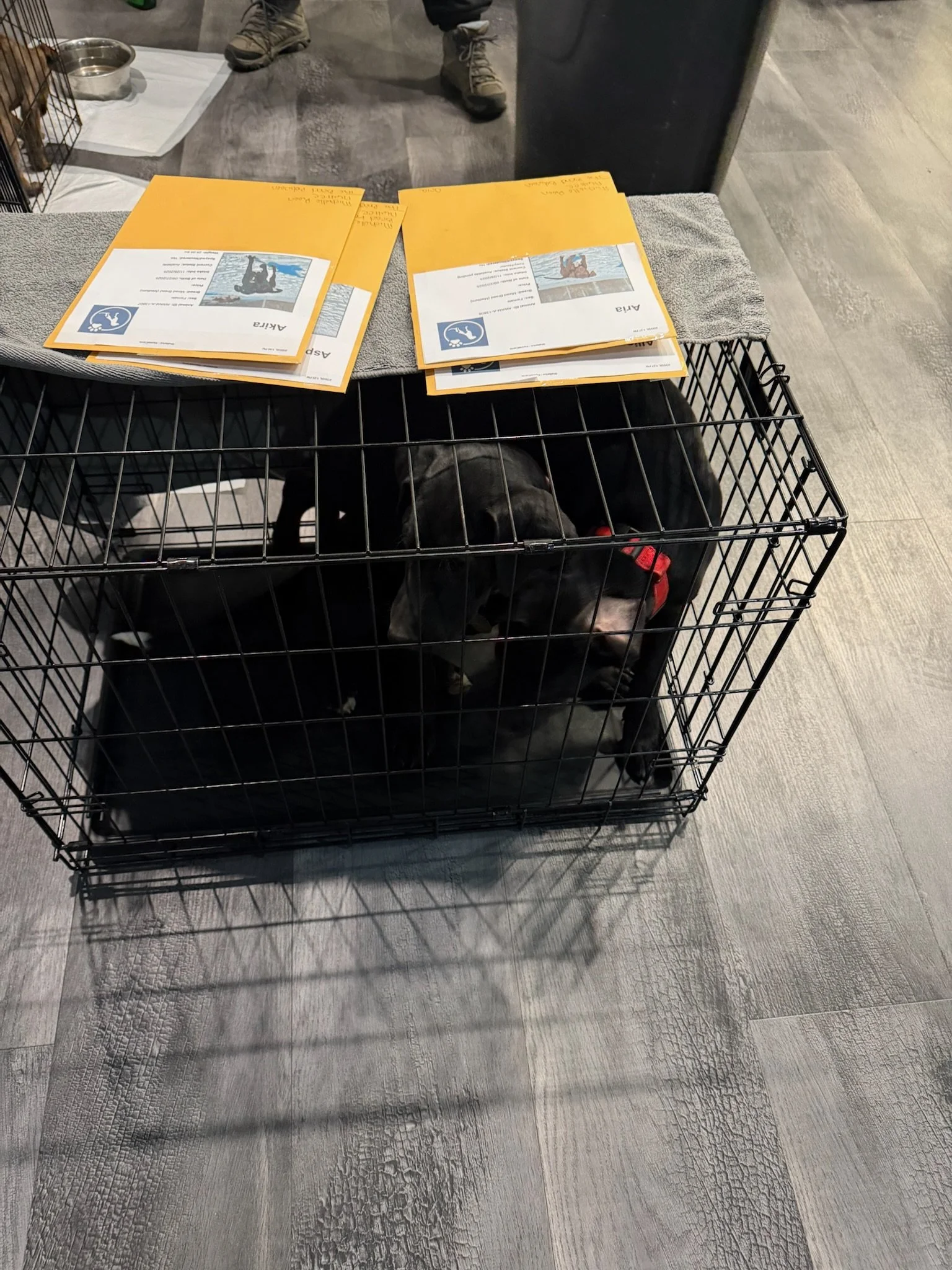
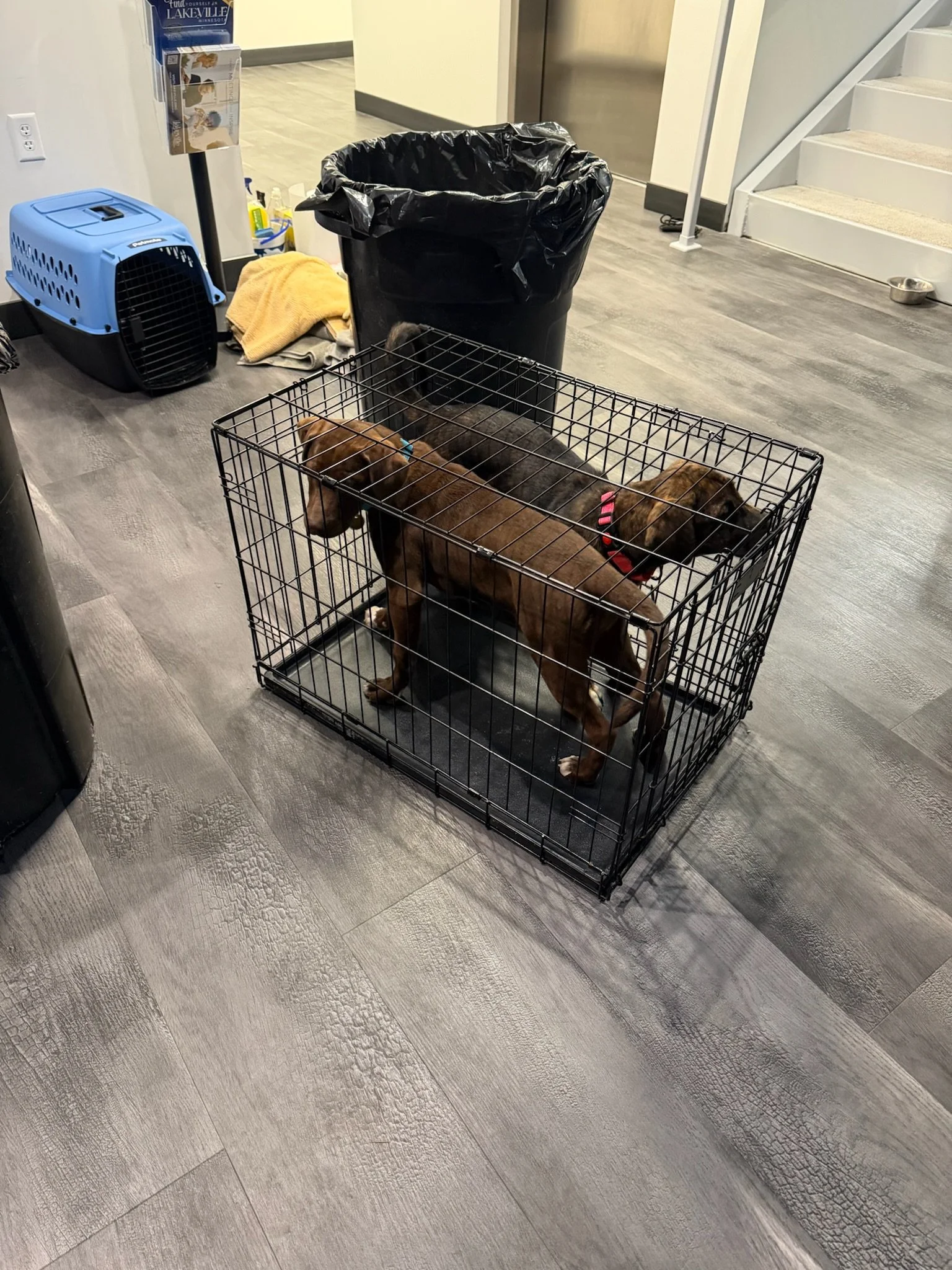
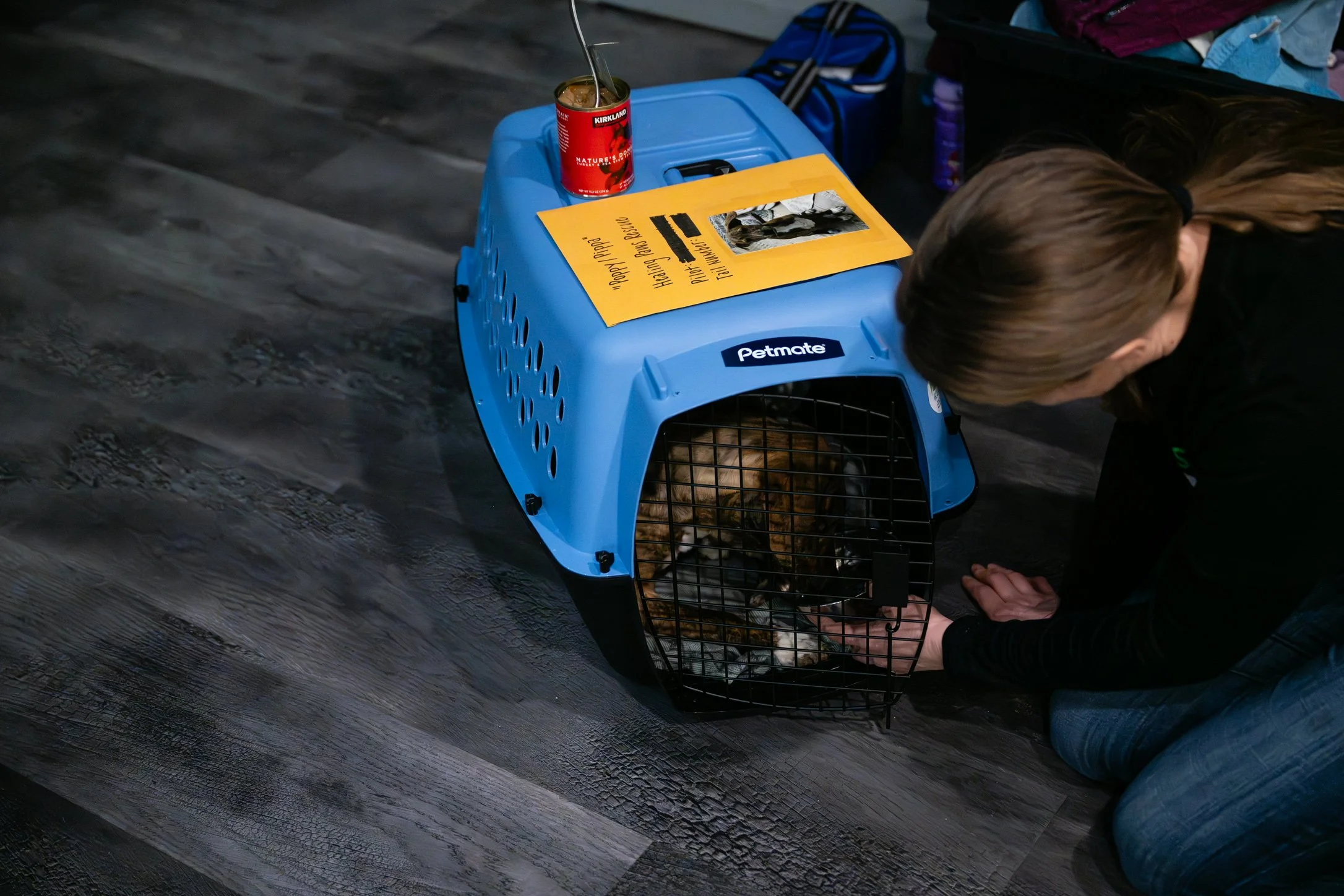
“We had a hangar full of dogs barking in their crates that had to be fed, watered and walked, which everyone pitched in to help.”
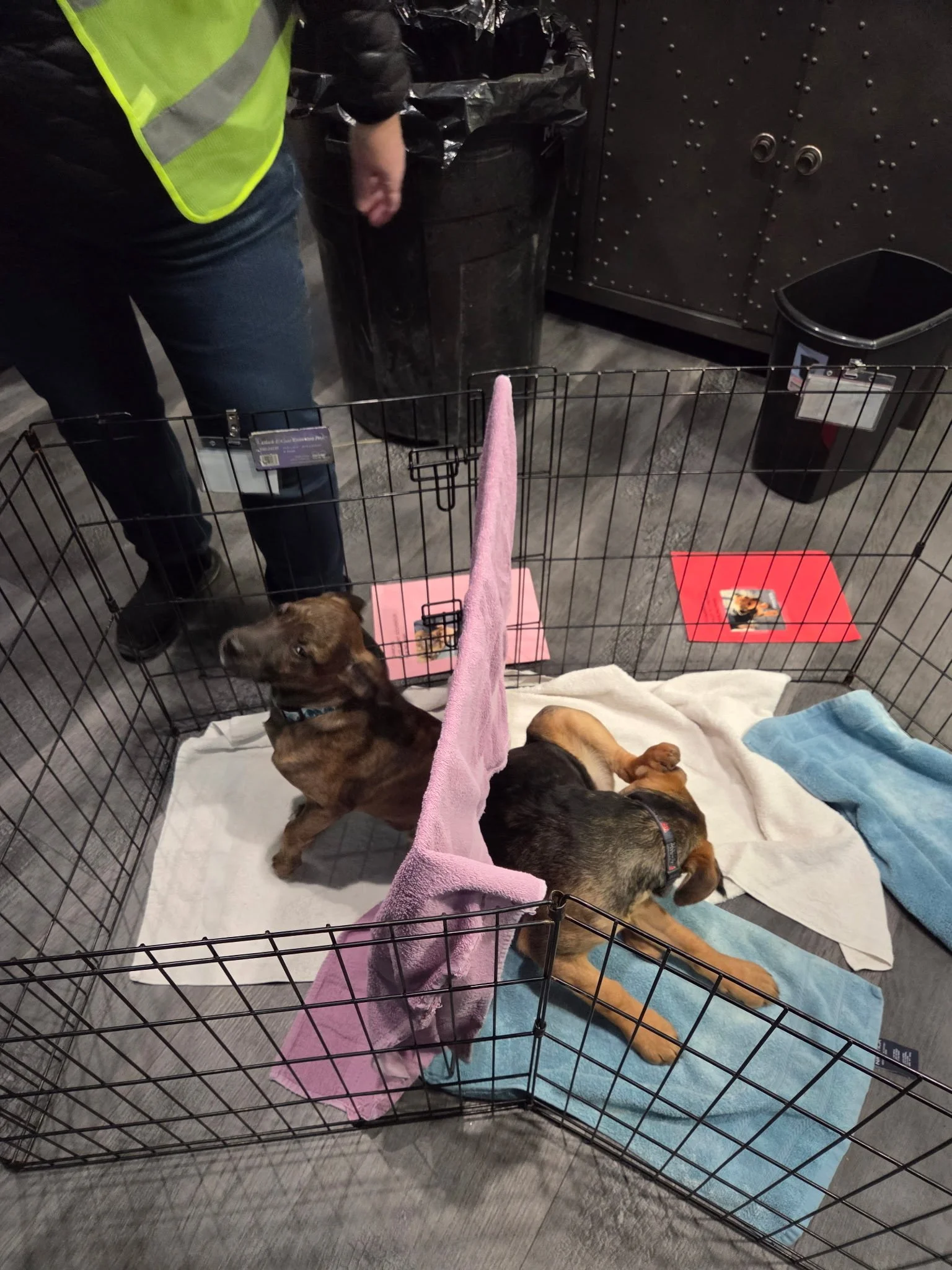
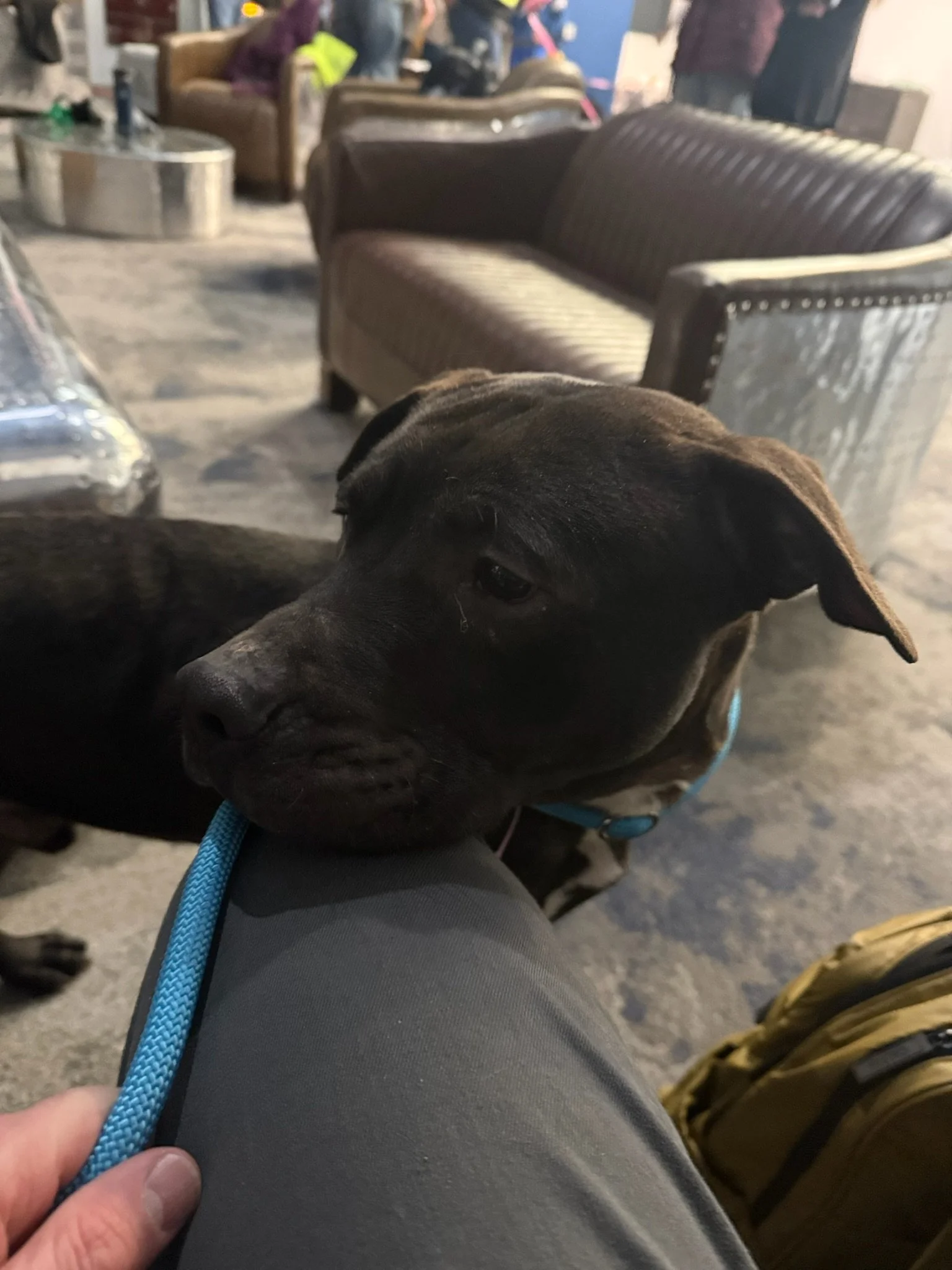
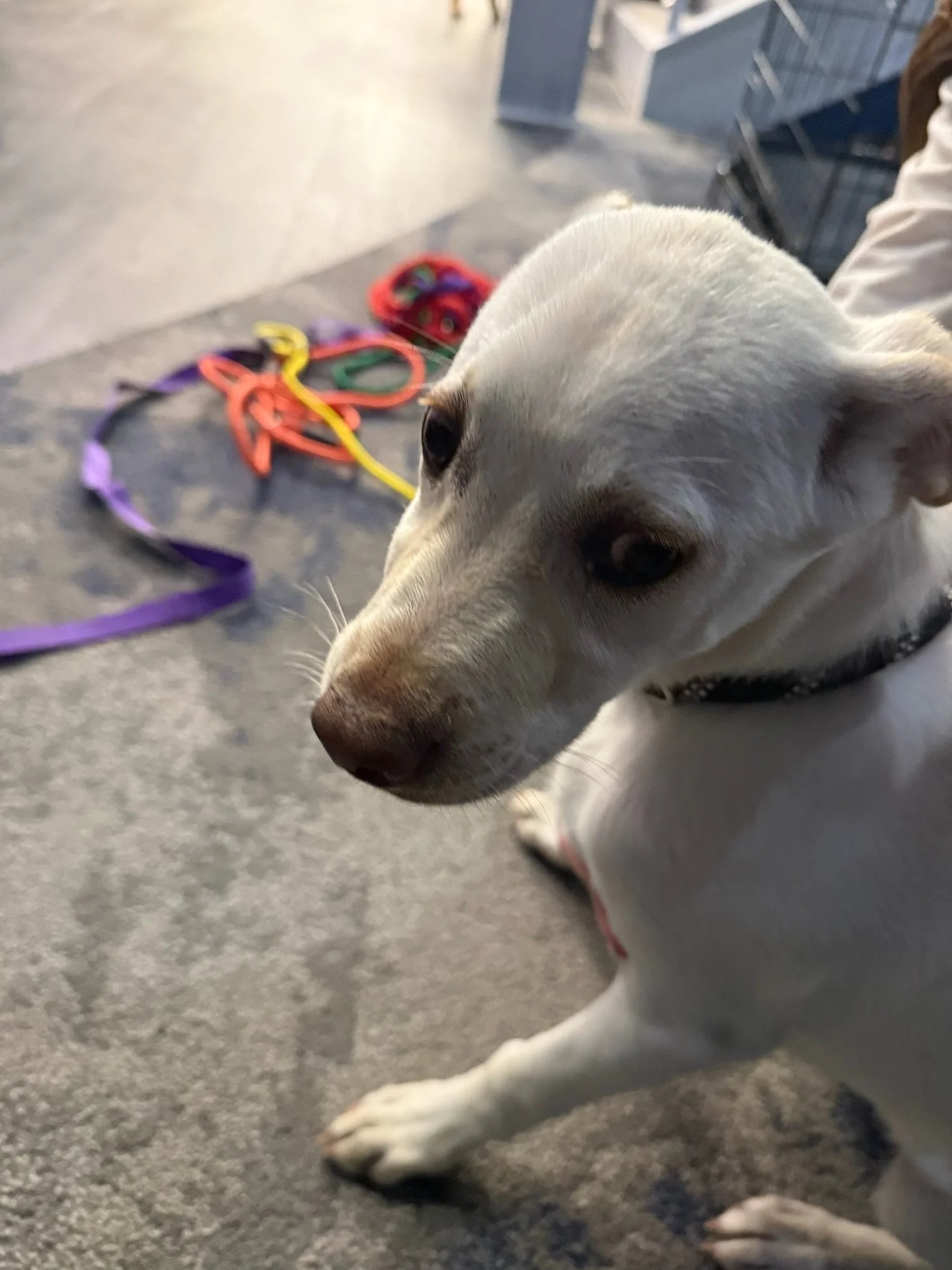
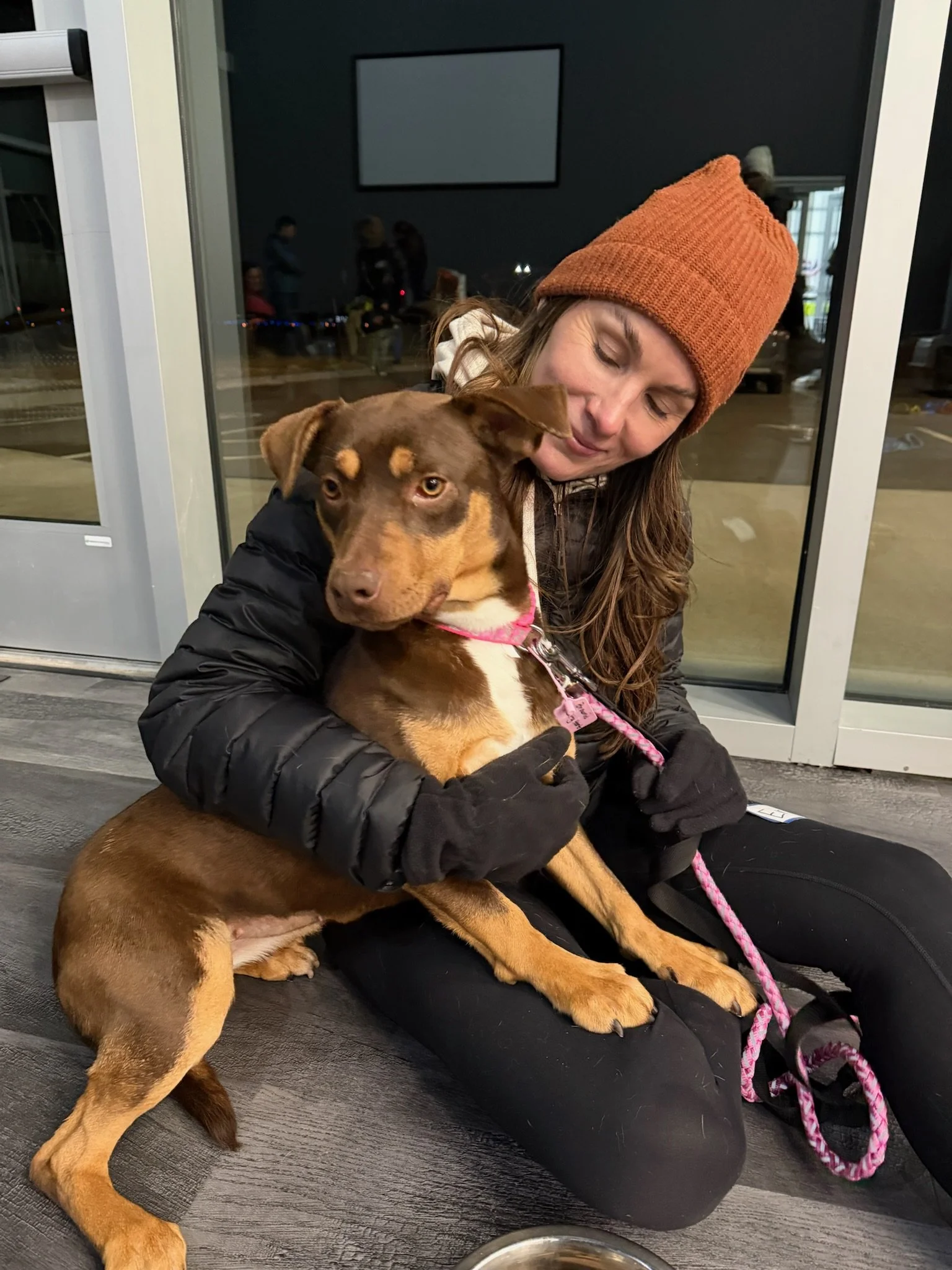
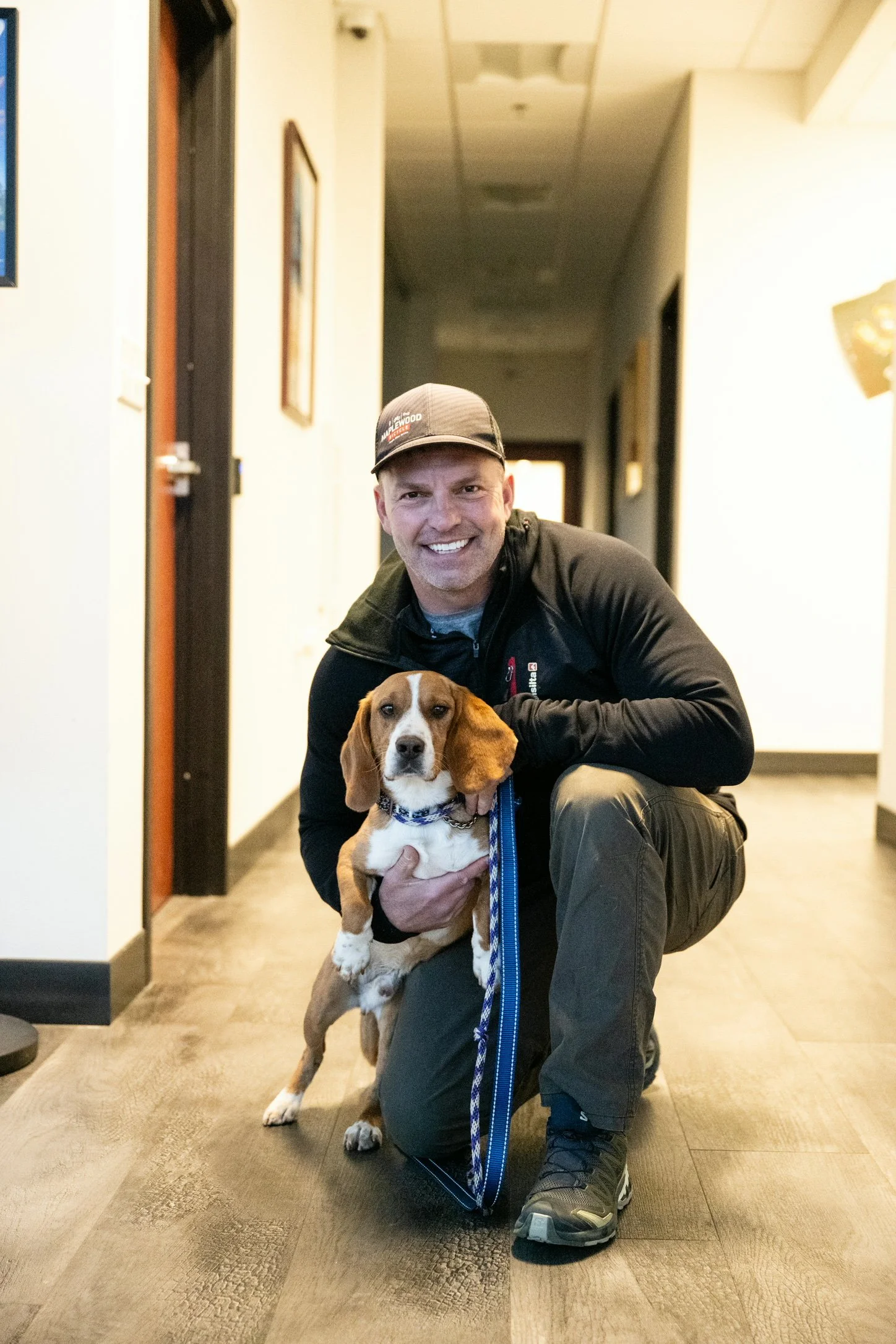
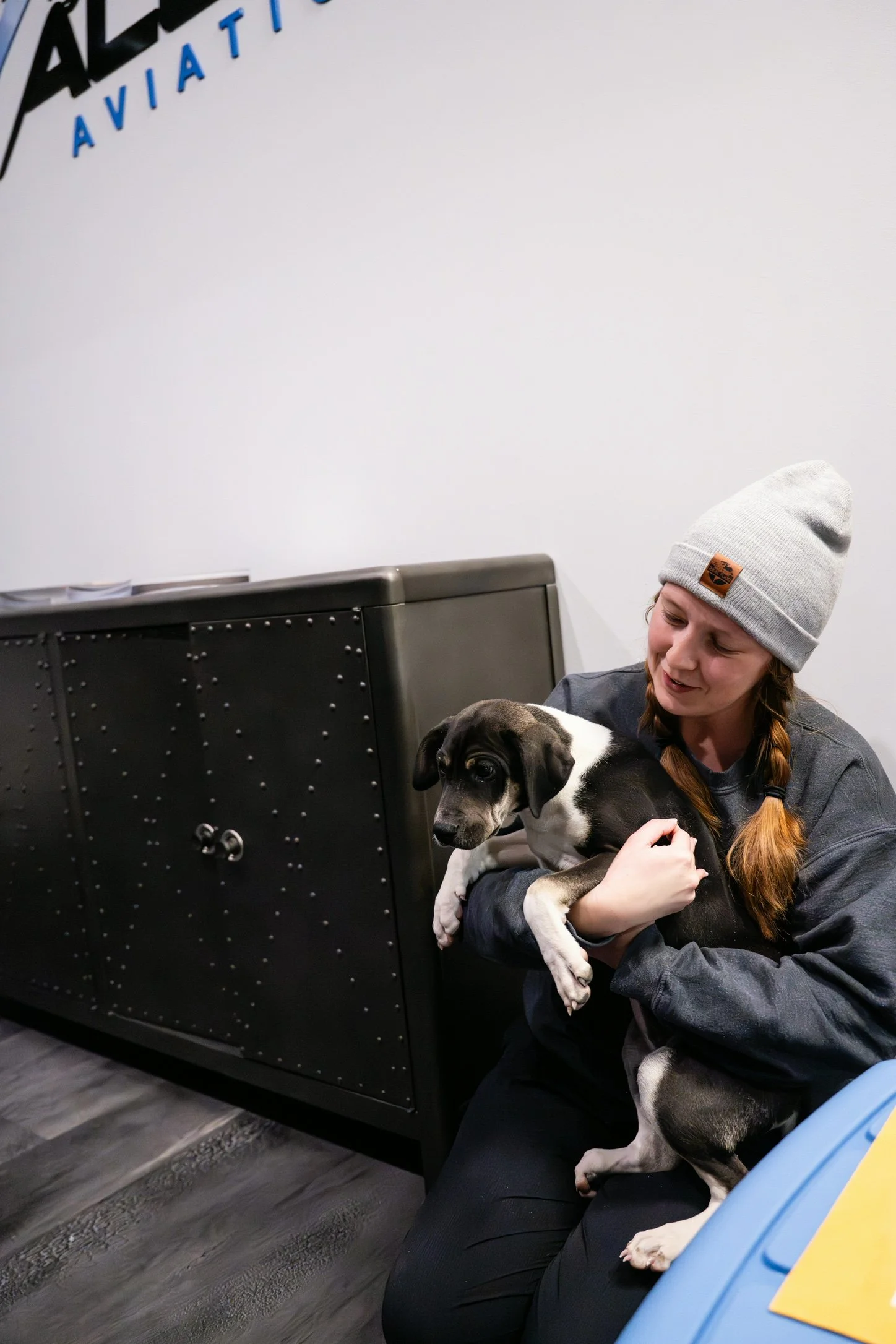
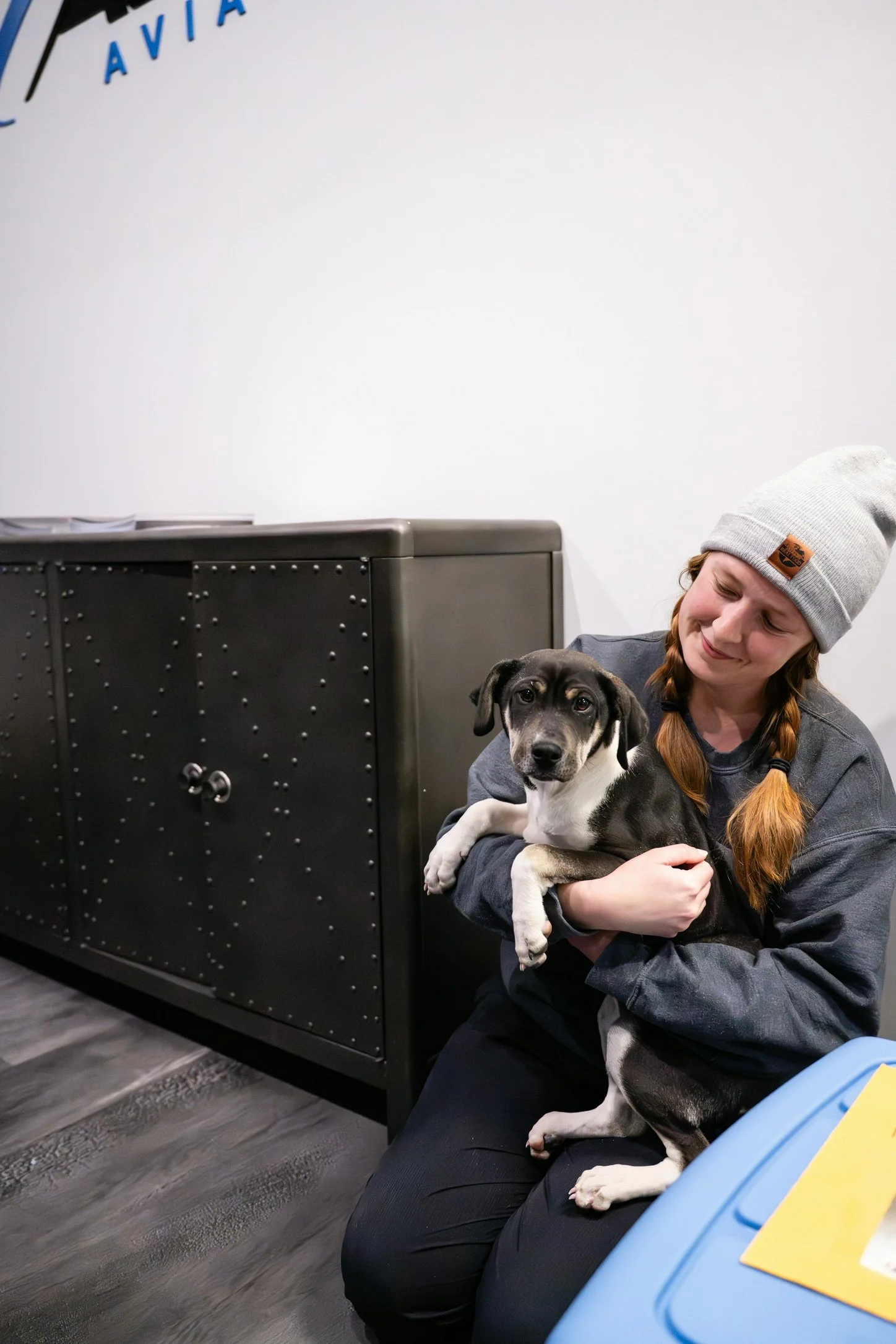
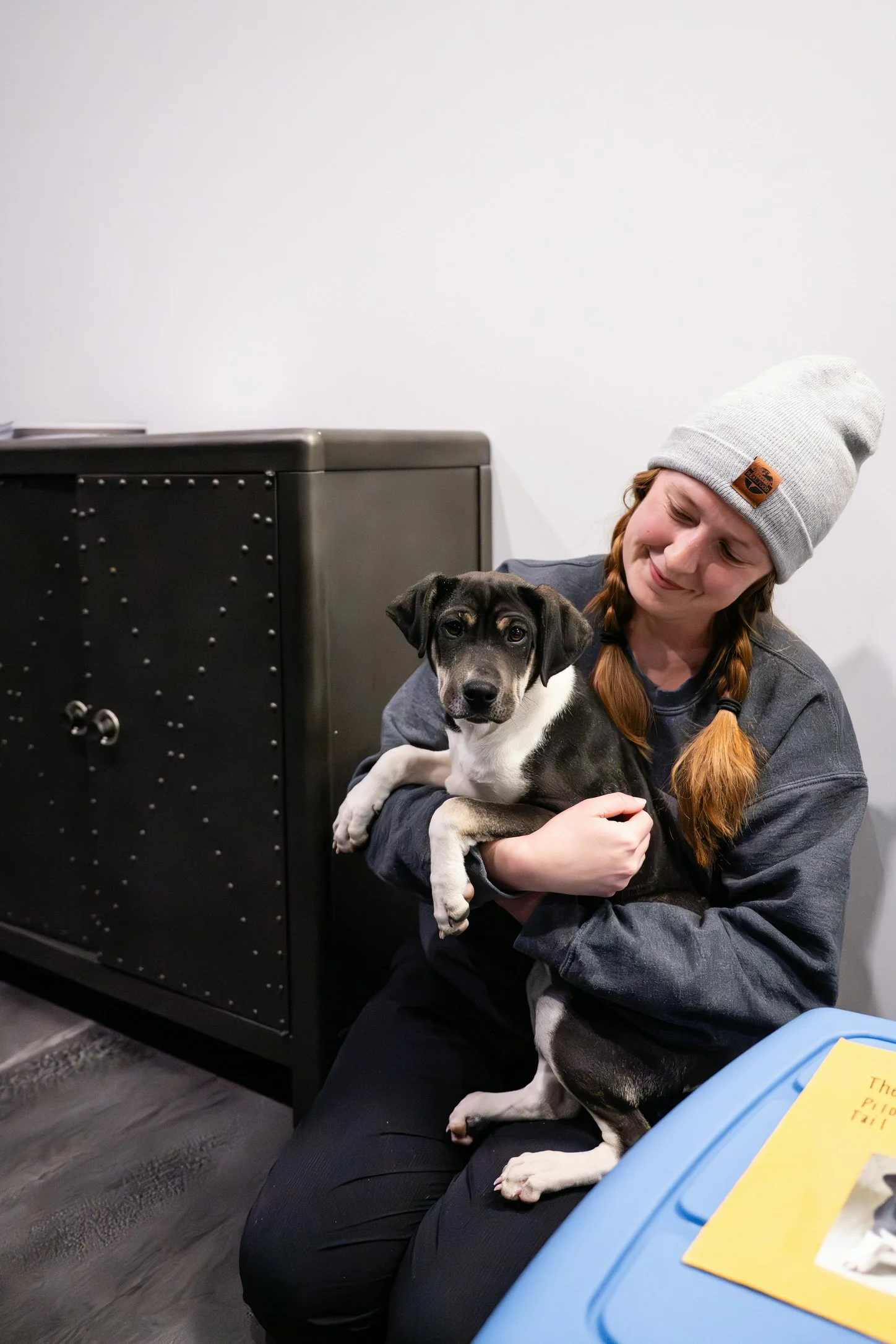
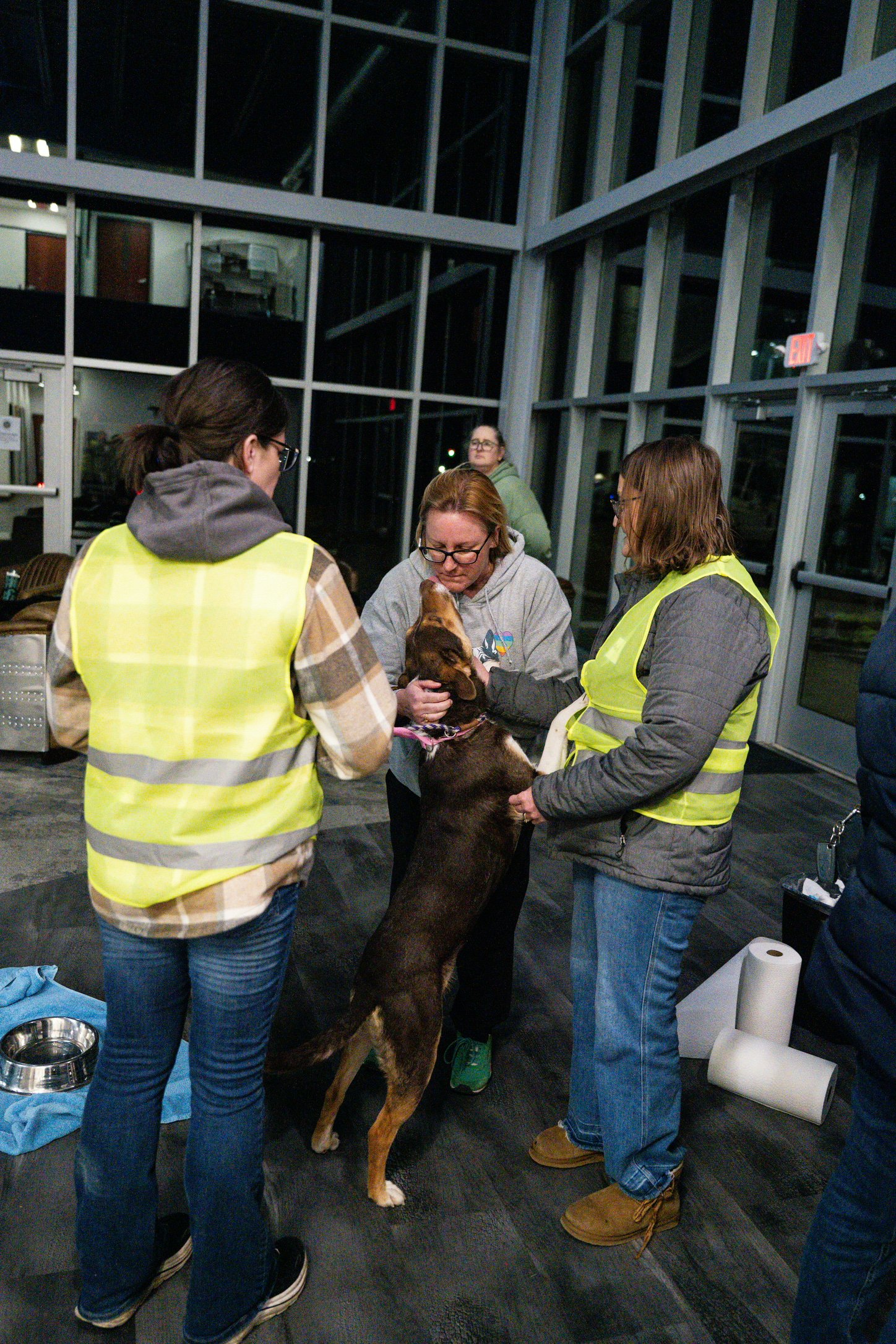
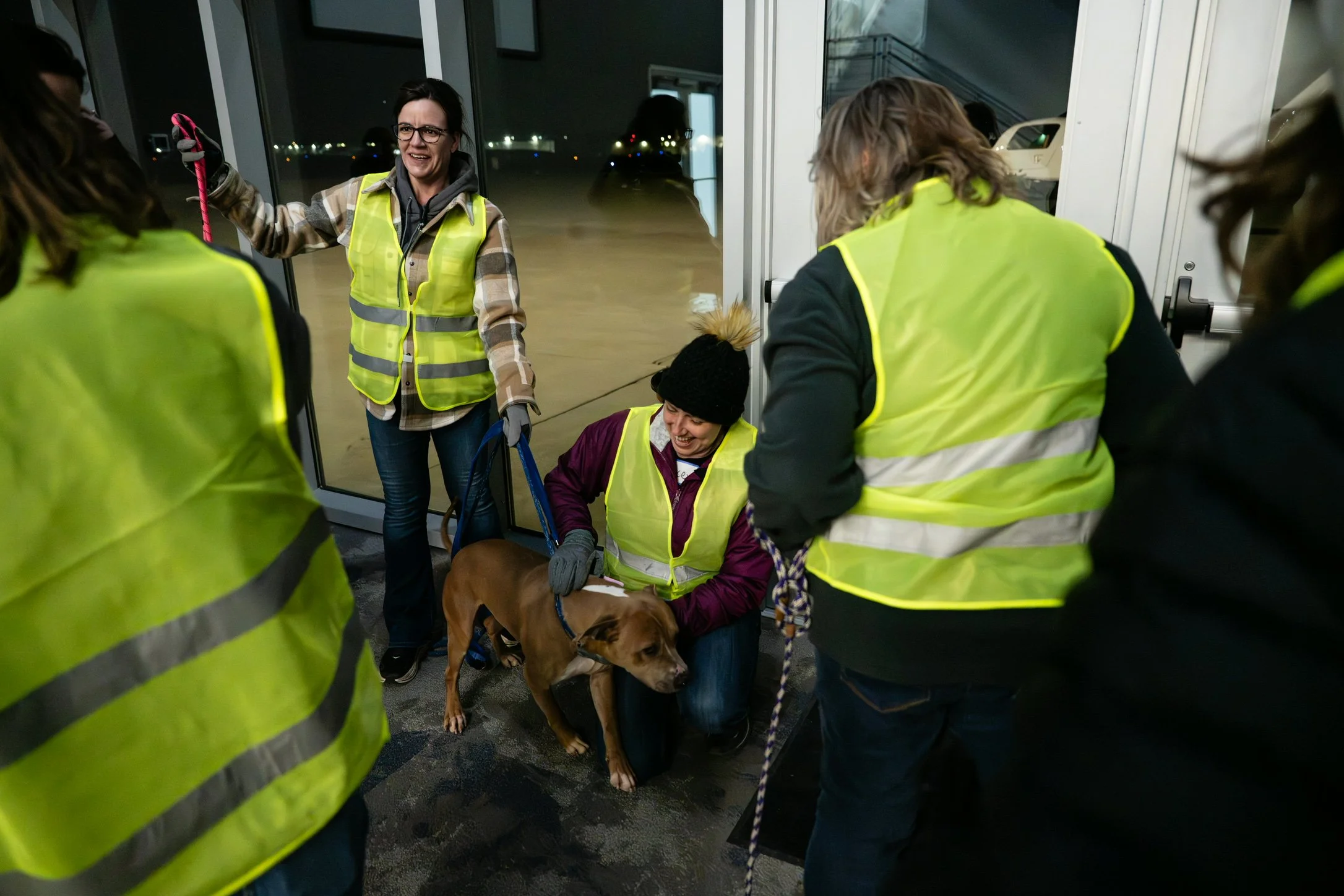
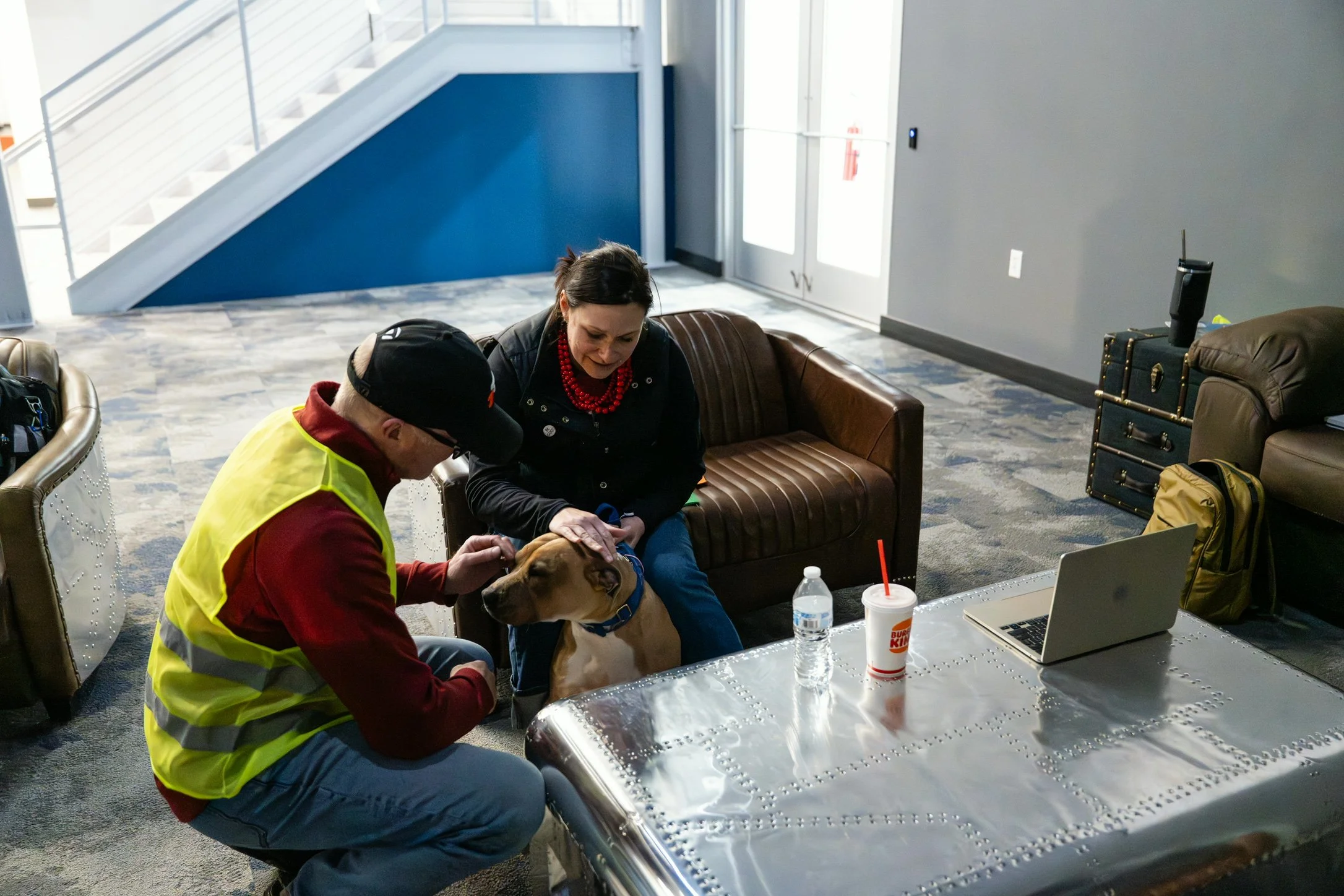
Rachel and three volunteers slept on the hangar floor that night, positioning themselves next to the dogs that were crying. They dimmed the lights and played soothing music to calm the animals. The hands-on care worked. The barking subsided. The dogs settled. By morning, rescue groups and foster volunteers began arriving to take the animals to their next destinations, foster homes and adoption pathways across Minnesota and Wisconsin.
A Massive Team Effort
Large-scale FlyAway missions like this are rare. While Pilots N Paws regularly coordinates individual “Freedom Flights” and smaller rescue missions, organizers say large Flyaway events of this scale aren’t common. The last comparable event occurred in 2016.
Beyond the pilots themselves, these operations require:
Coordinated shelter partnerships
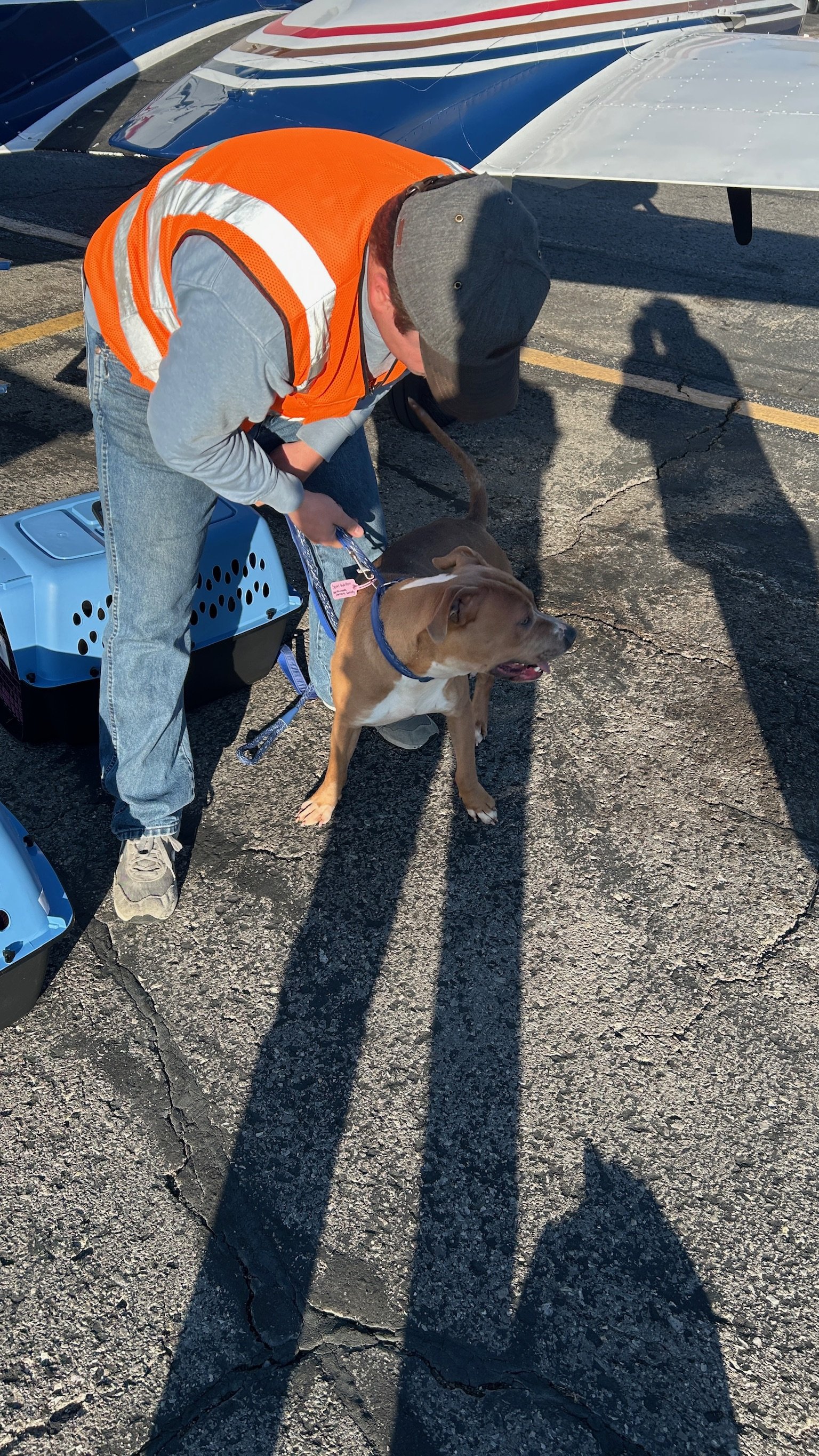
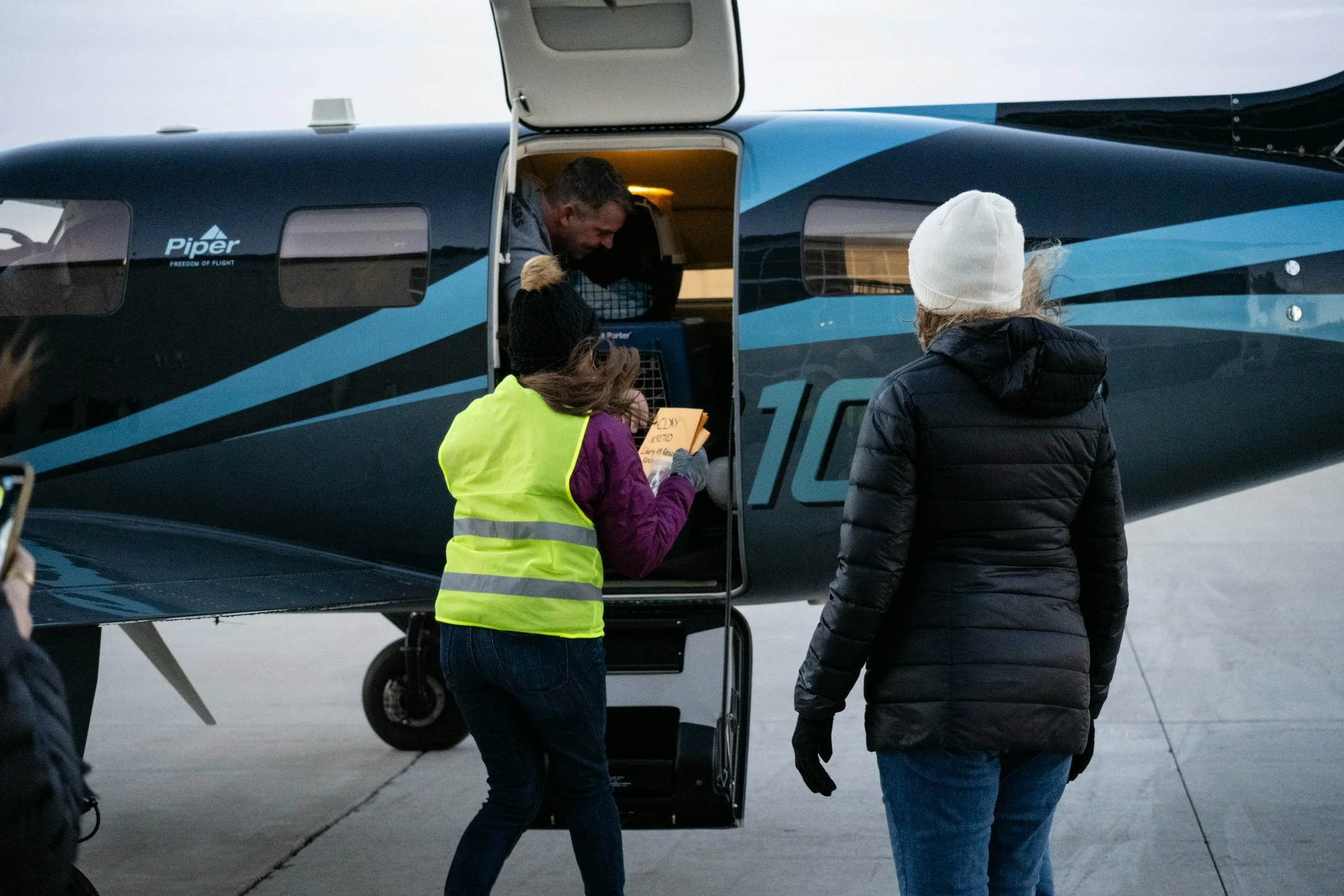
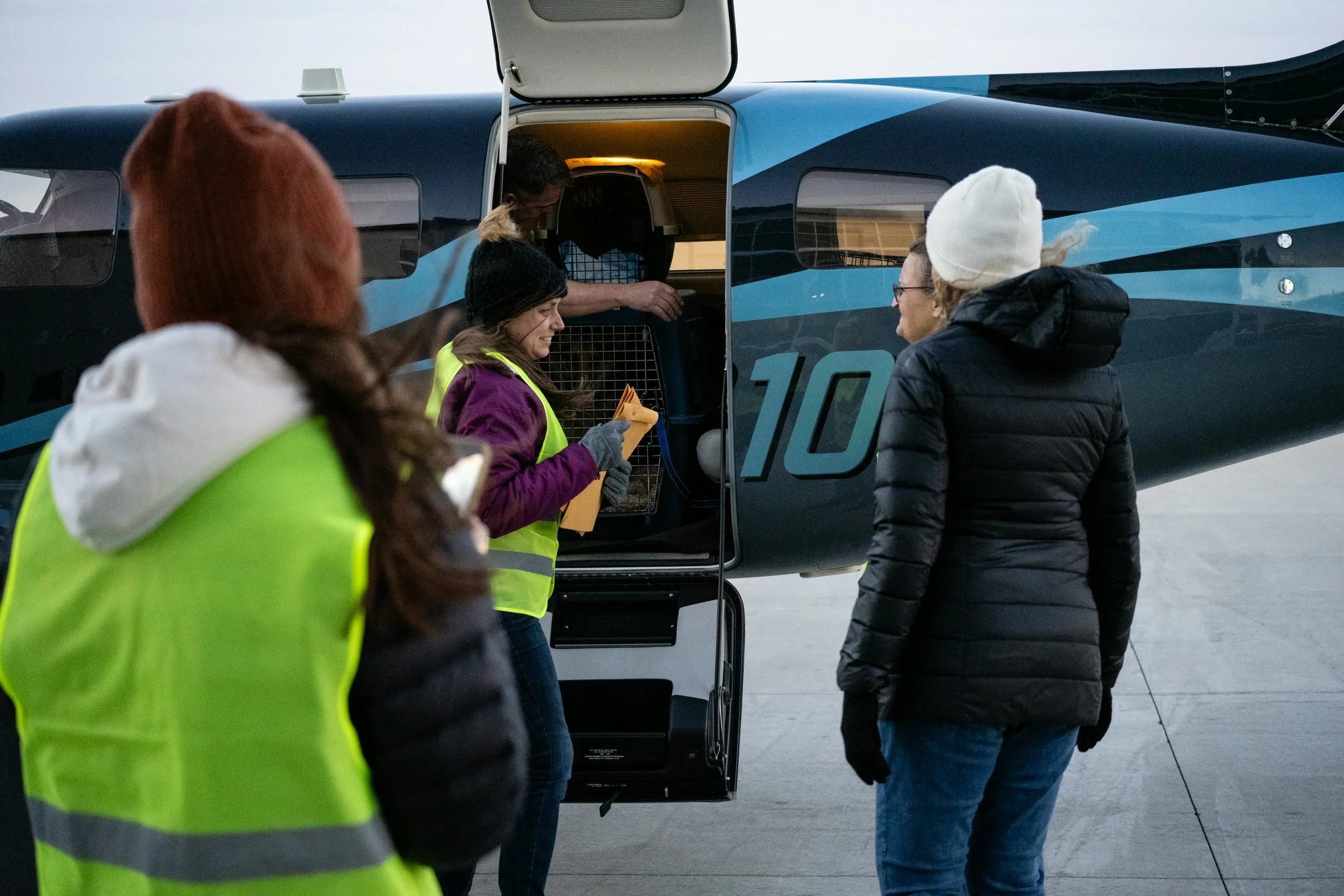
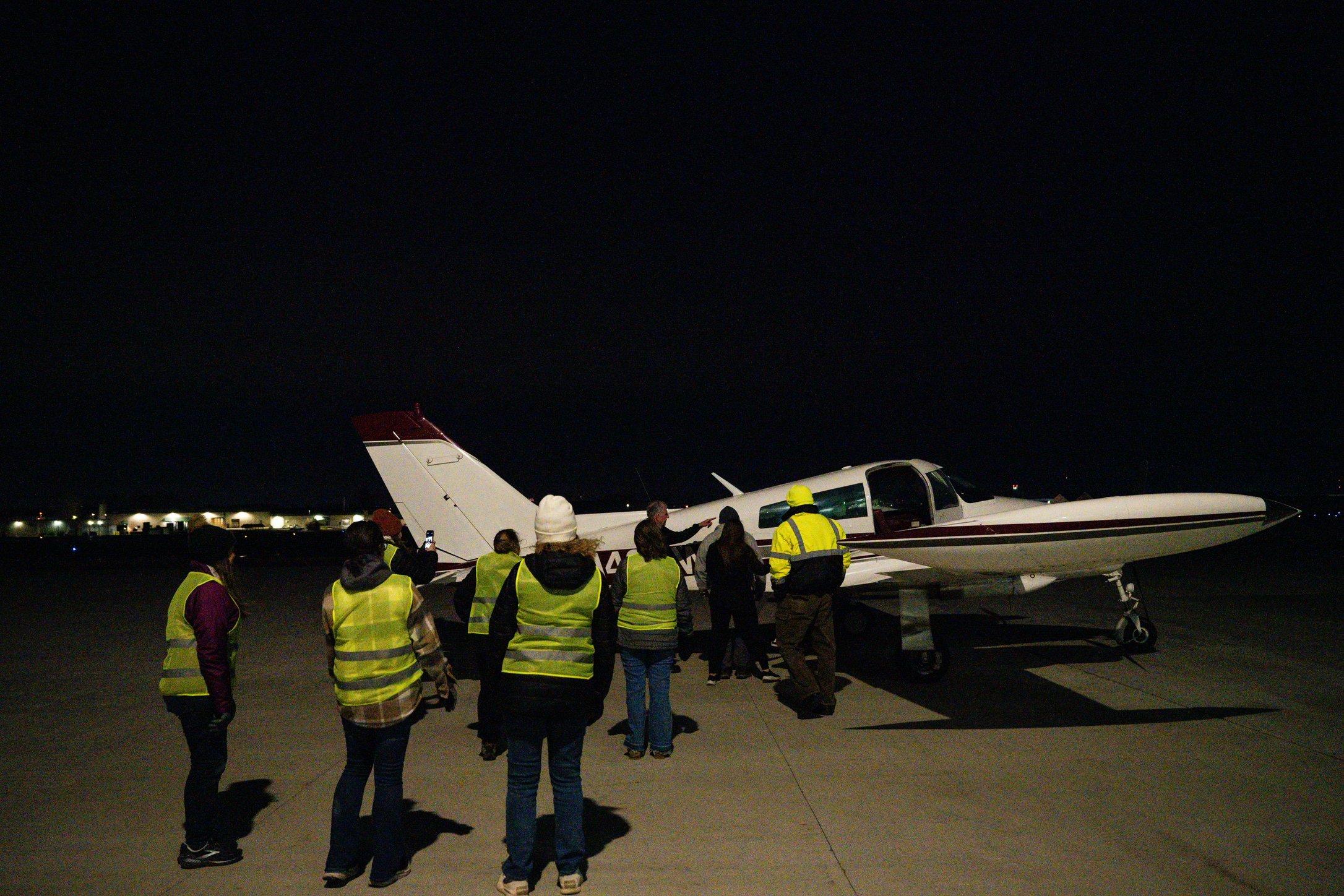
Ground crews for loading and unloading
Crates and equipment logistics
Fuel planning and weather monitoring
Foster home availability
Microchipping and intake processing
Rachel credited the entire team for making the impossible possible.
“It was nothing short of amazing to see everyone pitch in, even the airport workers helped. It was all hands on deck and they acted like they’ve done it a million times. I couldn’t have done it without this team.”
She specifically highlighted:
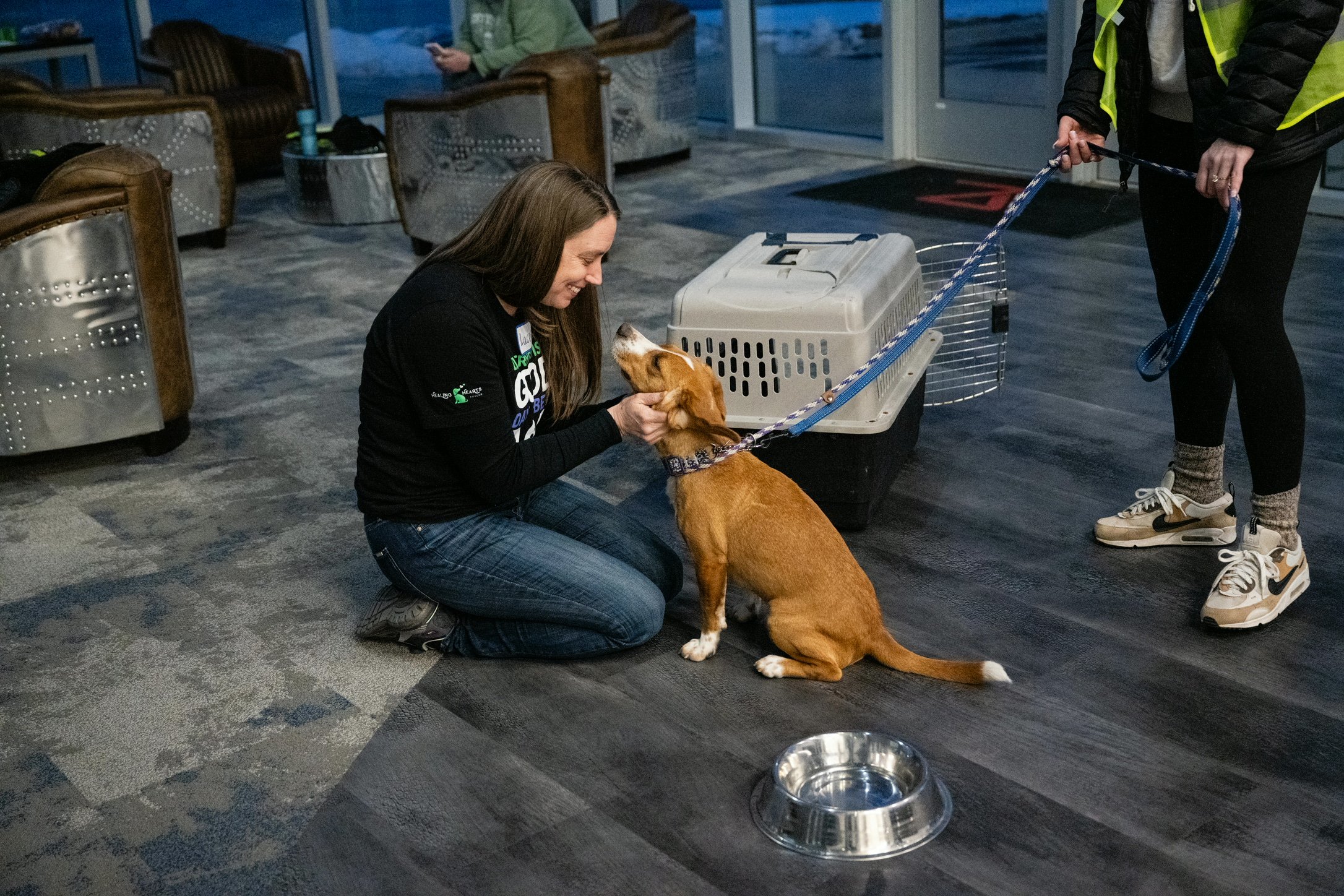
Lacey Mantovani, Director of Healing Hearts Rescue, who served as liaison between rescue groups and pilots and helped secure crates and logistics.
Steve Burdick, a veteran pilot who has flown hundreds of freedom flights, for his guidance and direction.
Her husband, Nate, for supporting the immense coordination effort.
Receiving rescue organizations included:
Northwoods
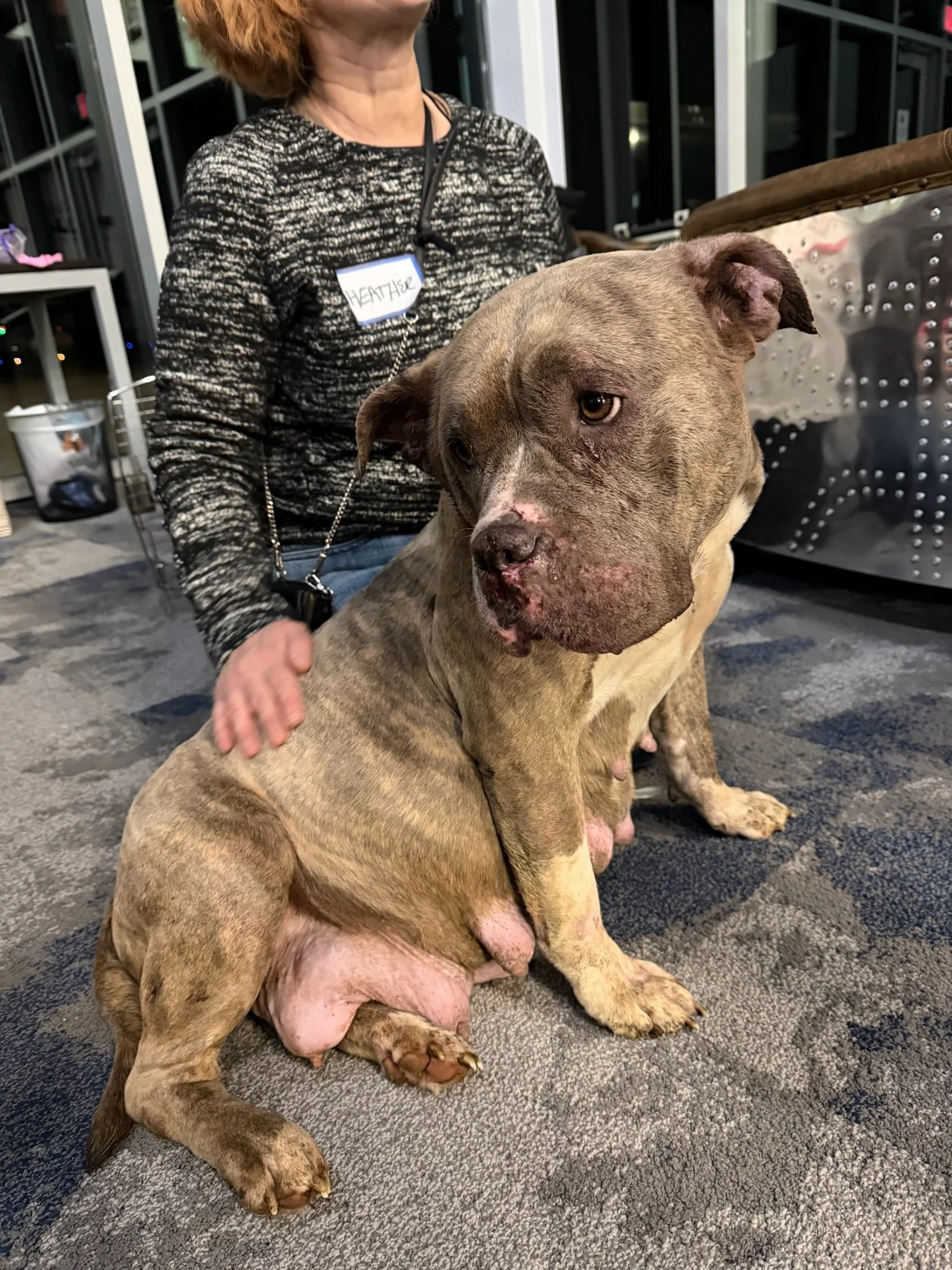
Each organization opened its doors to receive dogs that, hours earlier, had been at risk of euthanasia.
Missions like this require extensive coordination, including:
Recruiting volunteer pilots
Matching dogs with receiving rescues
Arranging foster placements
Securing transportation to and from airports
Monitoring weather conditions
Coordinating volunteers for loading, unloading, and overnight care
Managing food, lodging, and equipment logistics
Each component must align precisely, and weather often remains the most unpredictable variable. Organizers described the operation as intense but successful, crediting teamwork between pilots, ground volunteers, and regional rescue networks for making the mission possible.
101 Lives, One Mission
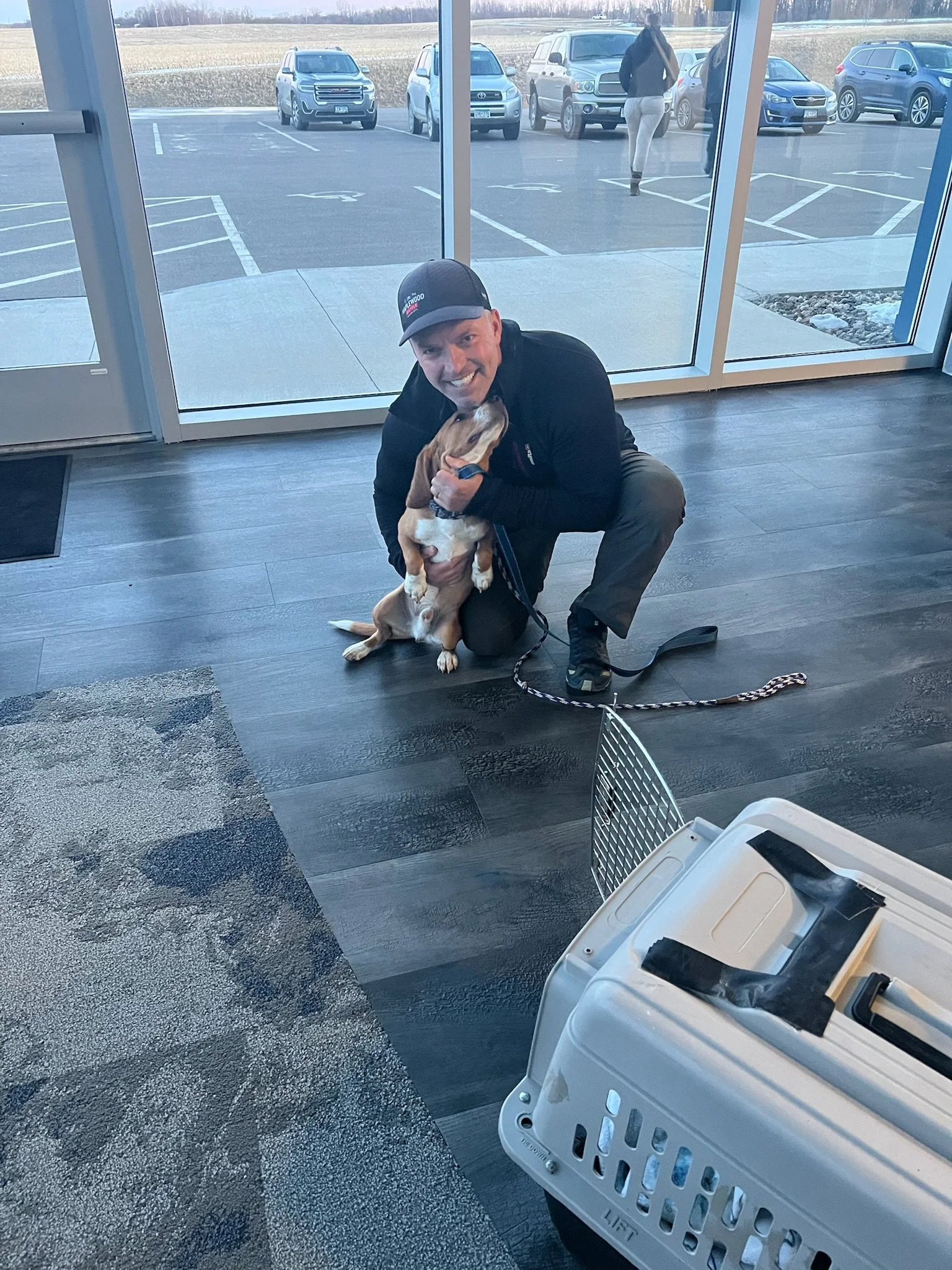
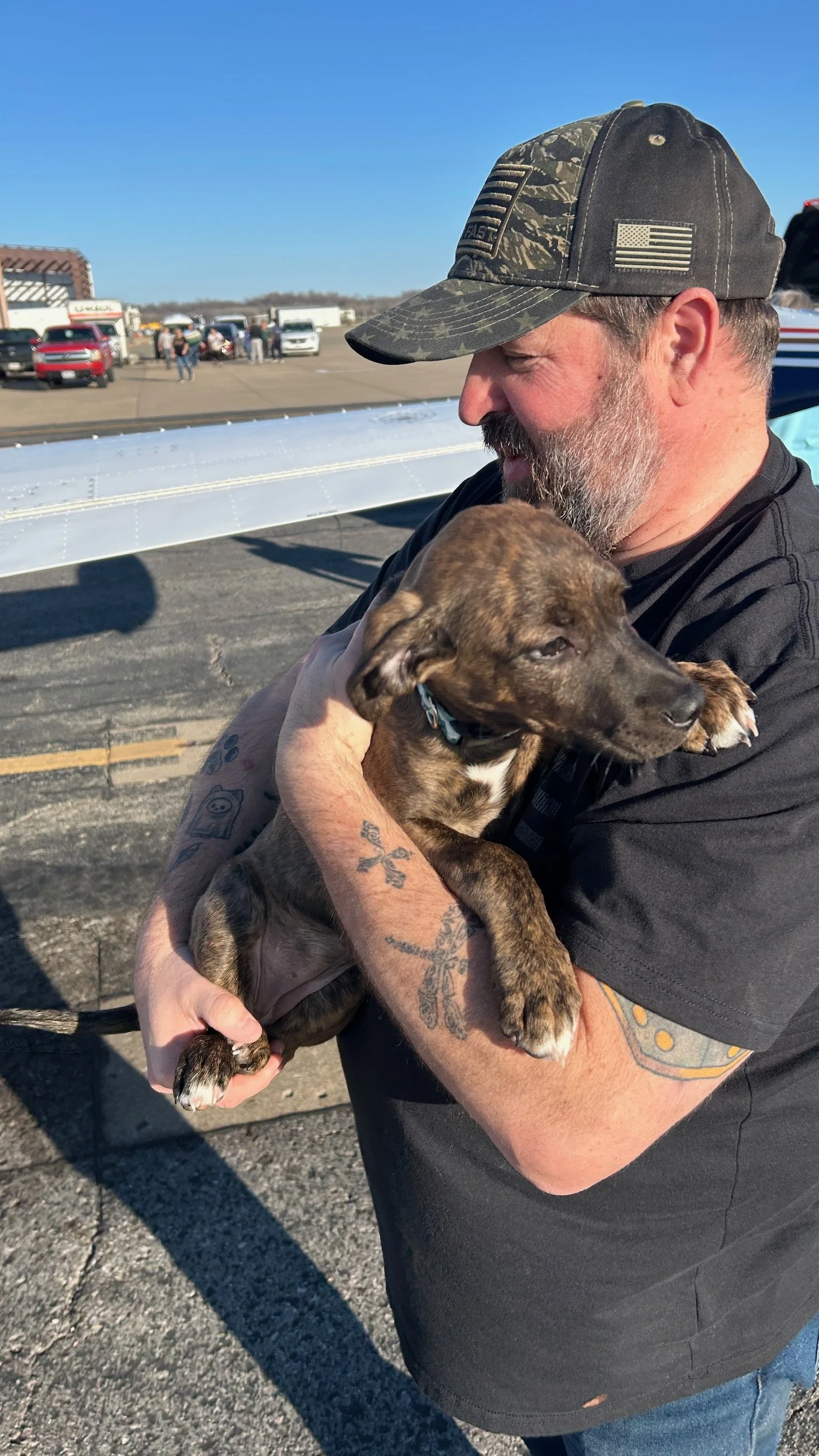
In total, 71 dogs were flown to Minnesota. The remaining dogs will travel by ground transport this week as flying conditions remain unfavorable. For the volunteers who watched the dogs board aircraft in Missouri, there were tears on the tarmac, relief mixed with responsibility.
“Every pet saved is precious. Not one deserves to lose their life,” organizers said.
What the public often doesn’t see are the long hours, intense coordination, weather monitoring, refueling stops, sleepless nights, and the enormous responsibility carried by volunteer pilots who take to the skies not for profit, but for paws.
How the Public Can Help
Rescue leaders say the public plays a critical role in preventing future euthanasia cases.
Foster
Rescues cannot pull dogs from euthanasia lists without foster homes lined up. Fostering provides temporary care and gives families a chance to see what type of dog fits their lifestyle.
Address Overpopulation
Spaying and neutering pets remains essential in reducing shelter overcrowding. Resources exist to help pet owners access affordable services.
A Weekend That Changed 101 Futures
What began as a carefully planned two-day flyaway turned into a high-stakes eight-hour sprint through turbulence, headwinds, refueling stops, and a midnight hangar sleepover. But because of teamwork, courage, and compassion, 101 abandoned animals are safe today.
As Pilots N Paws put it:
“Each role mattered. Every hand helped change the outcome.”
And for 101 dogs, hope didn’t just arrive; it took flight.
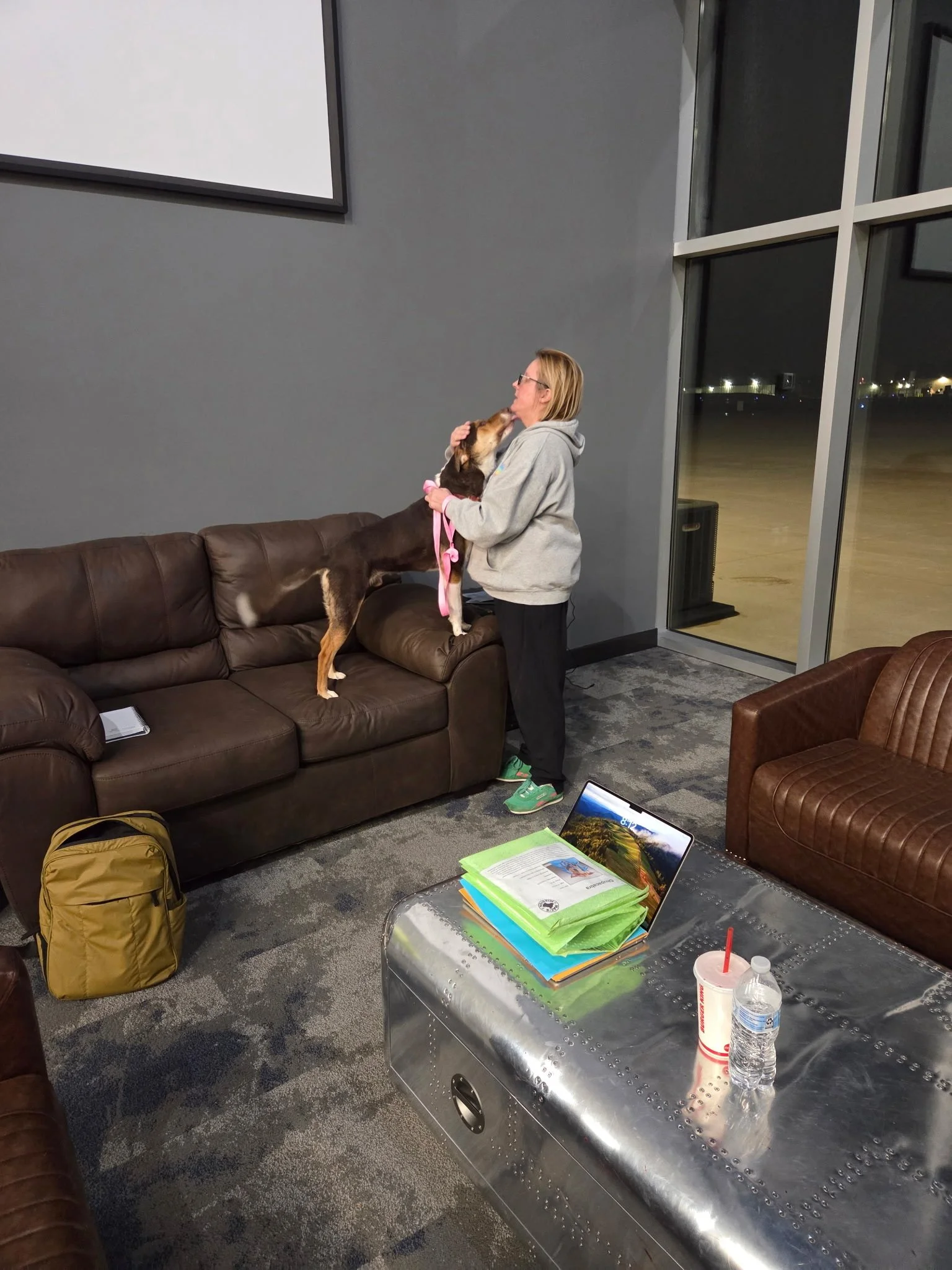
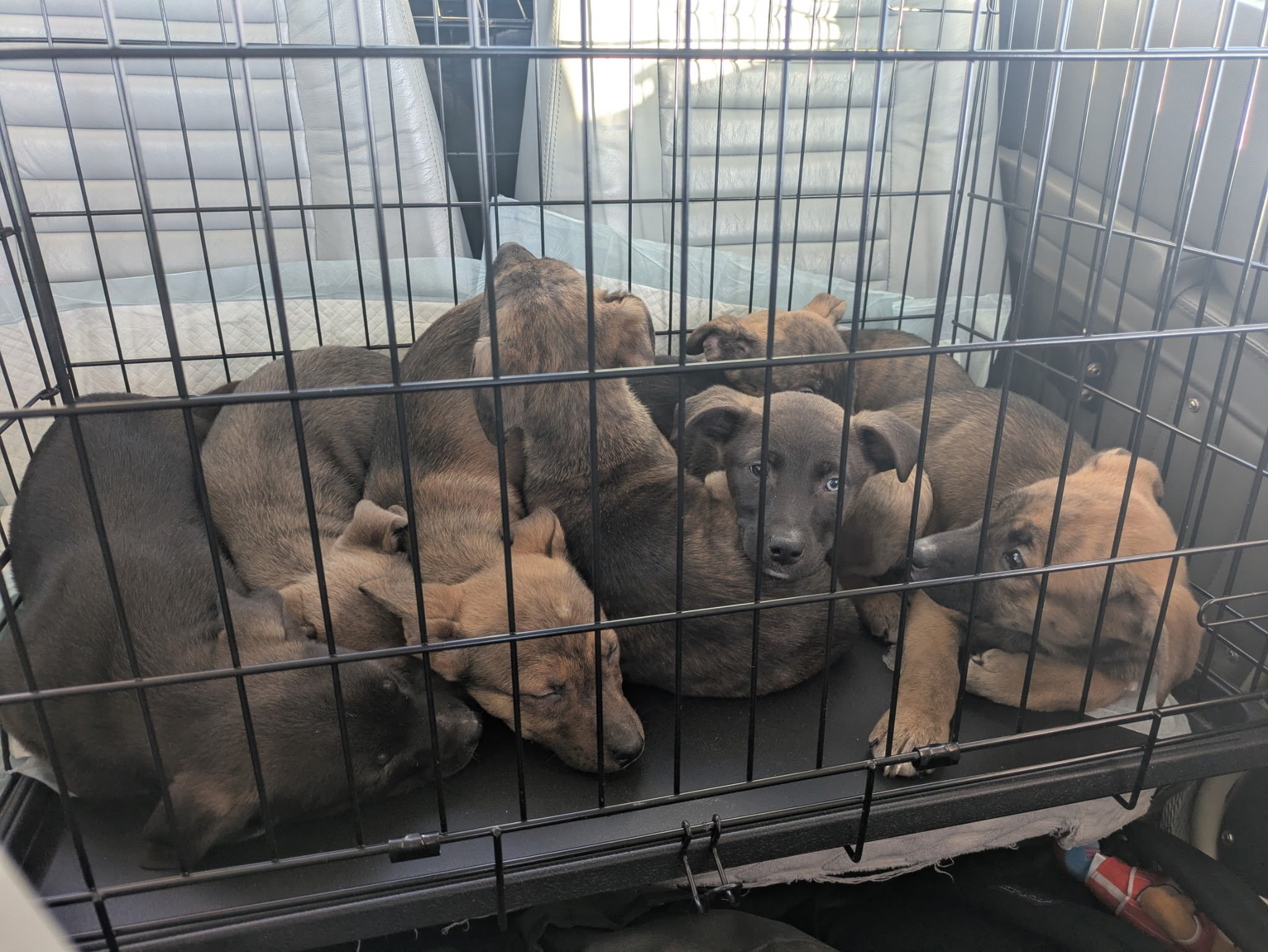
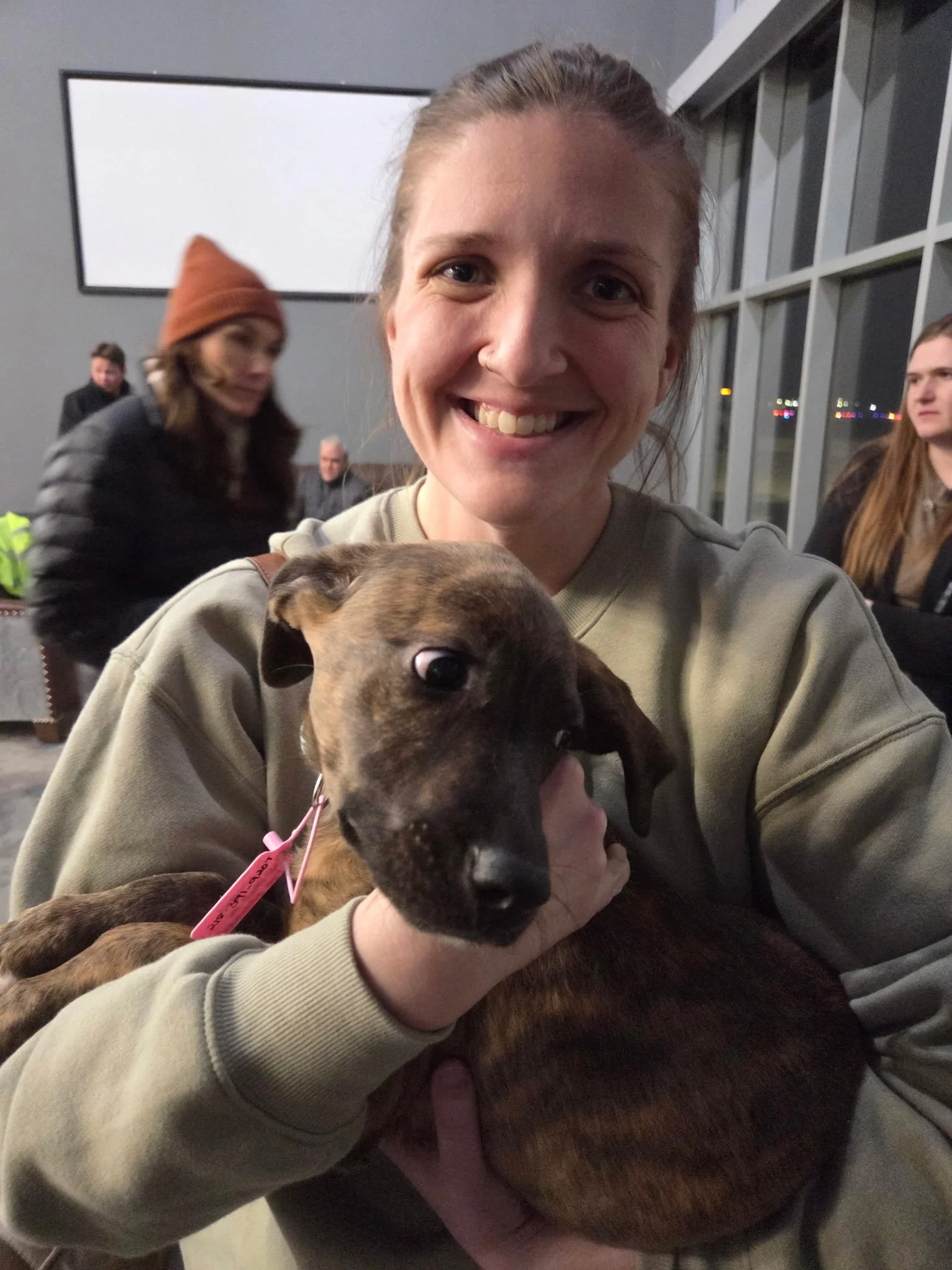
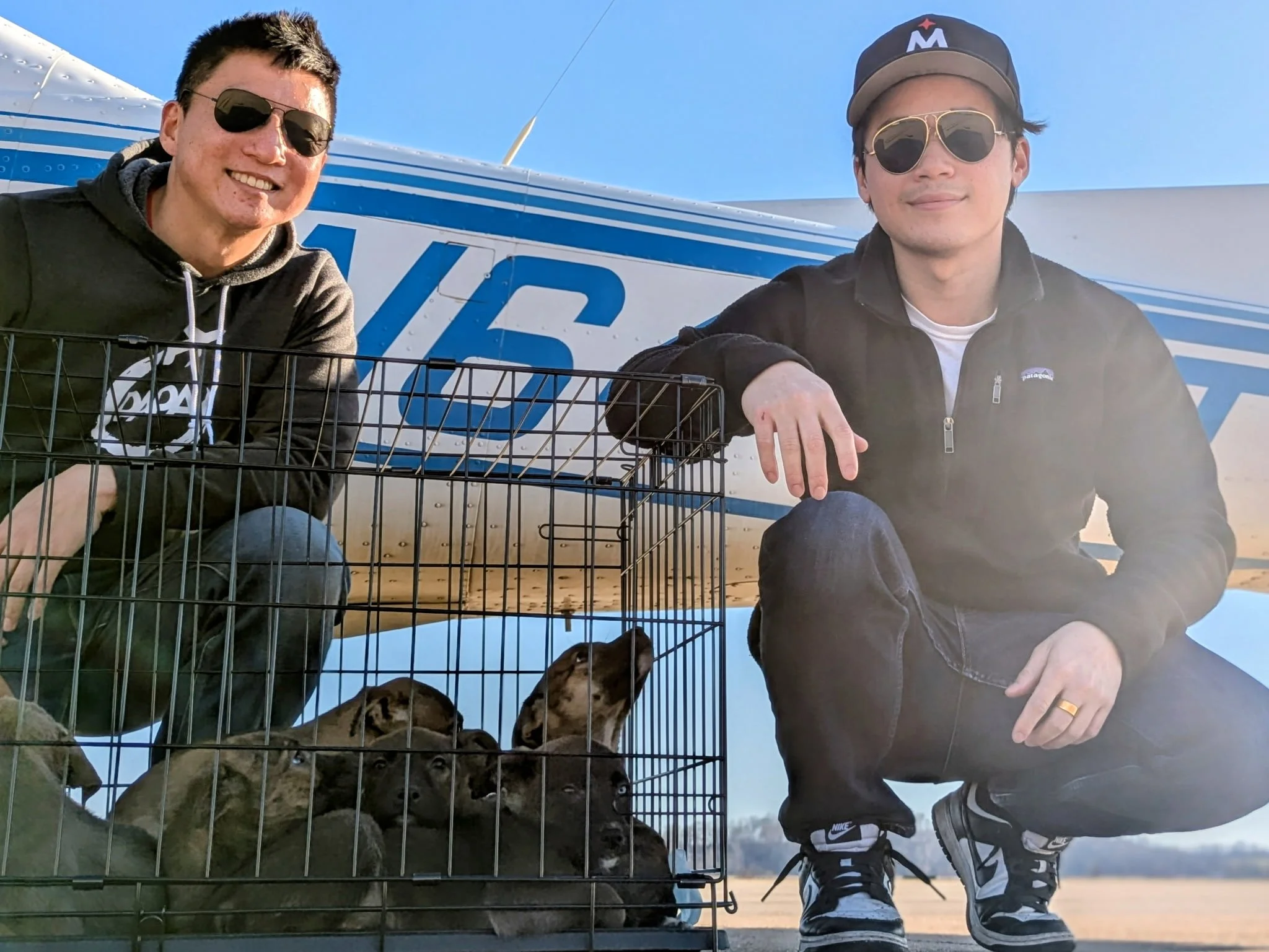
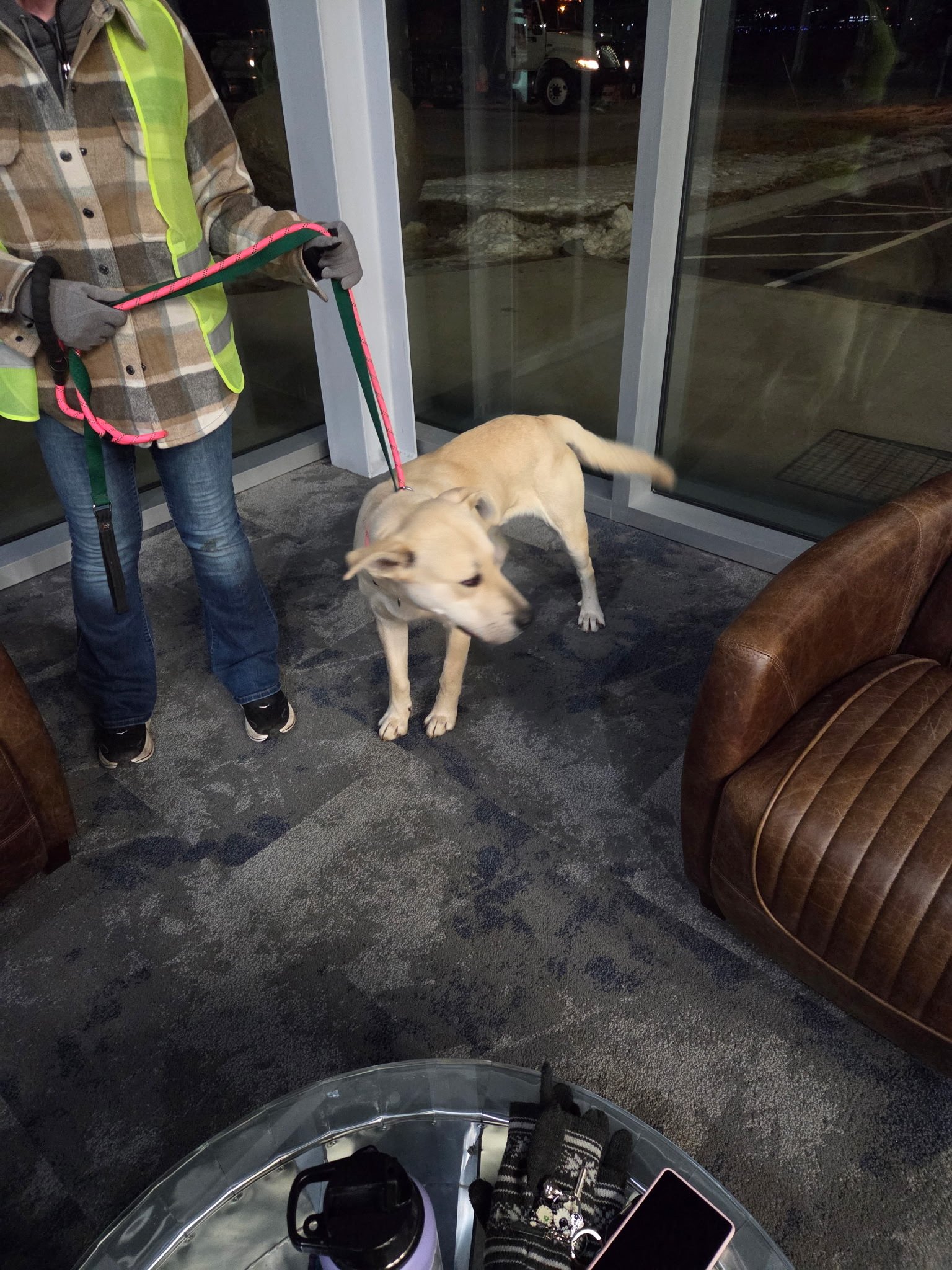
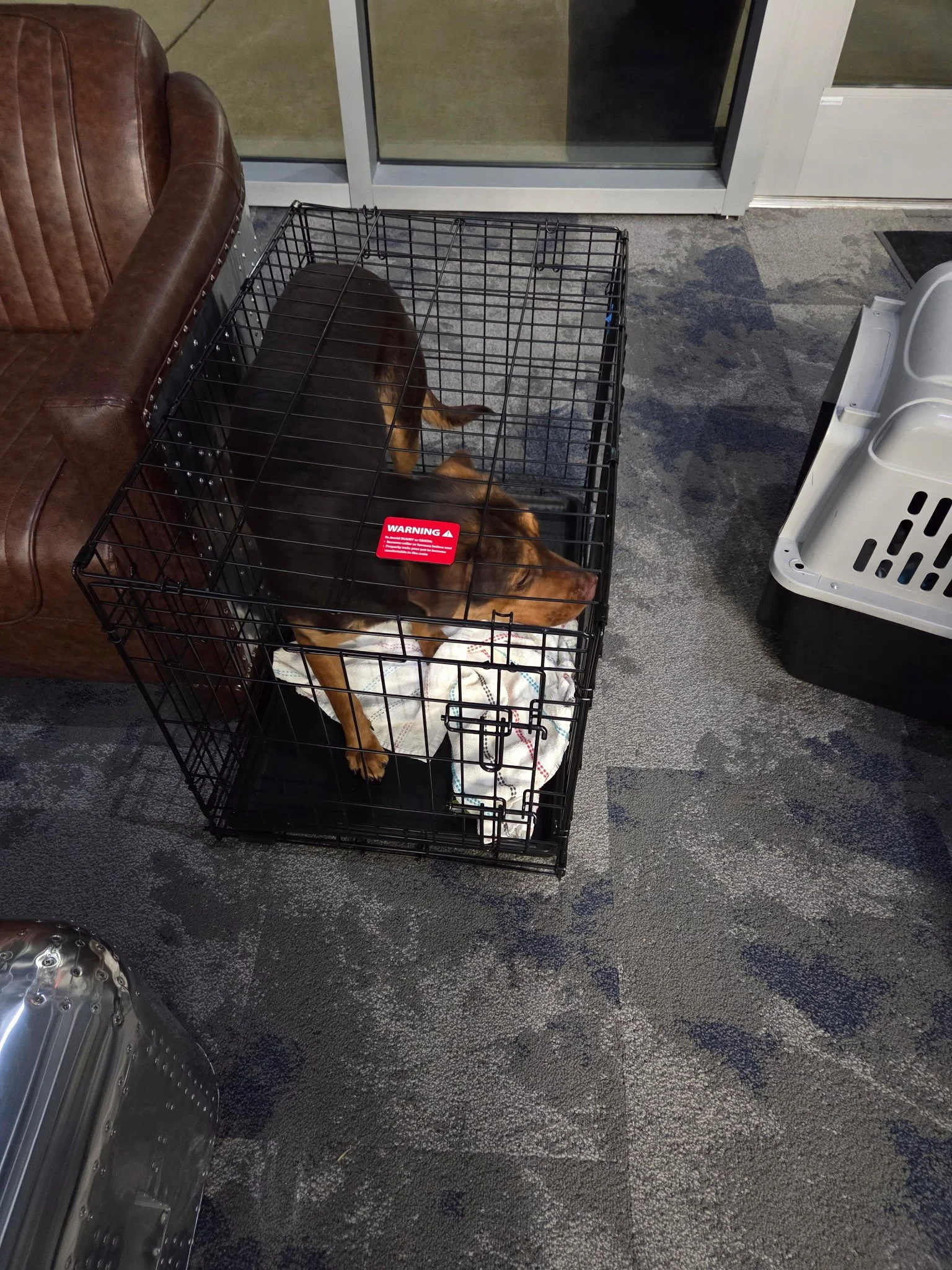
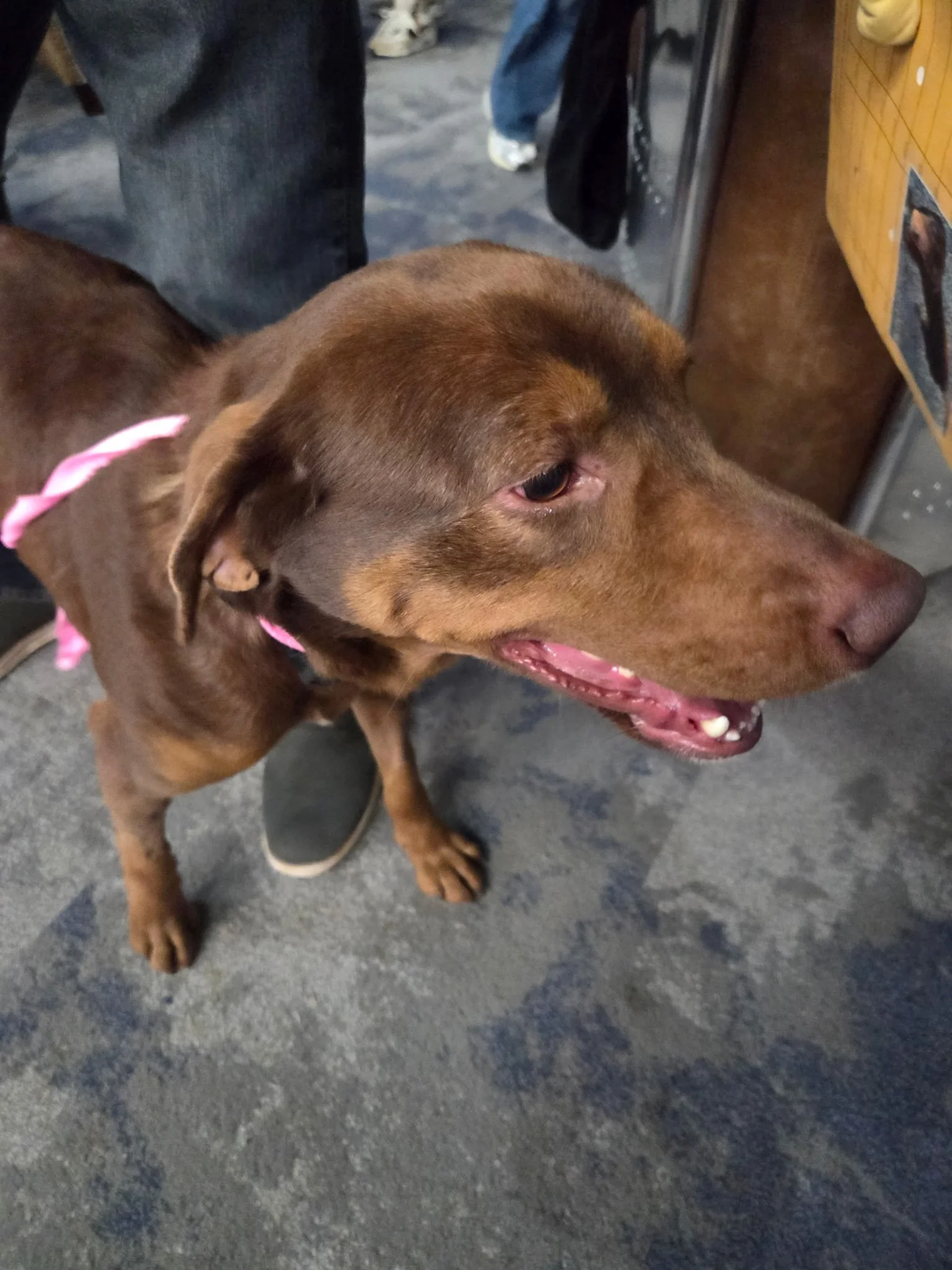
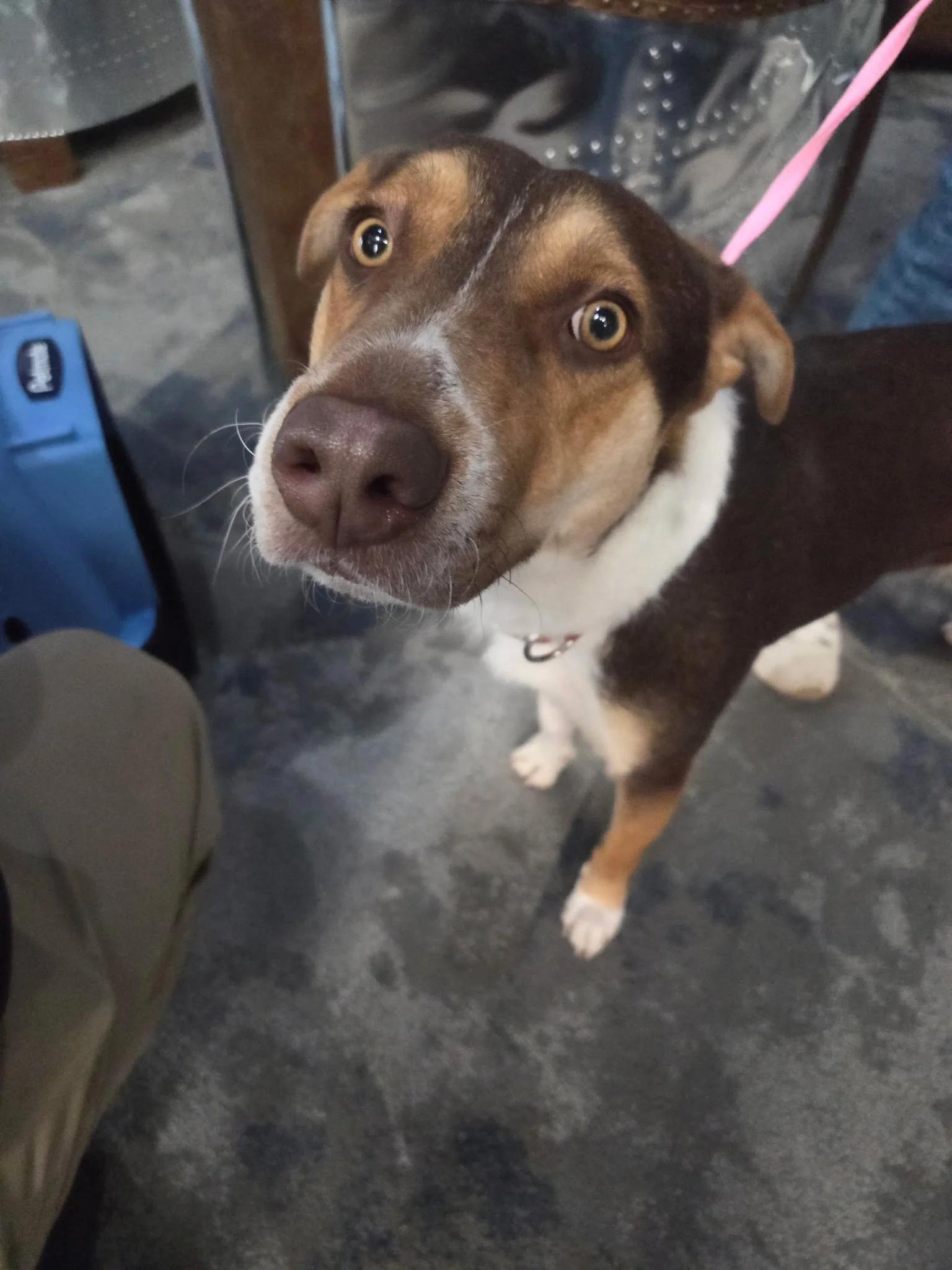
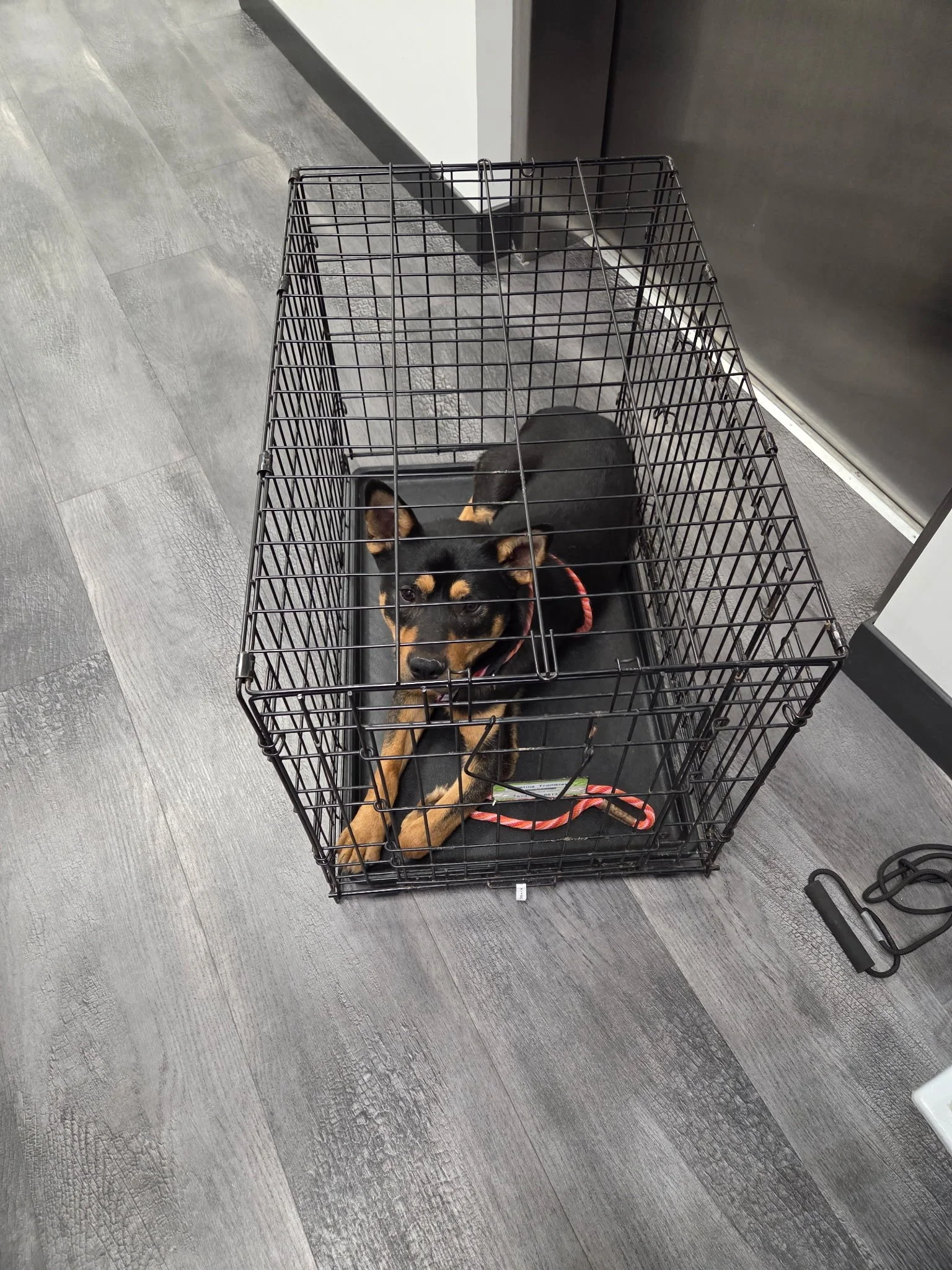
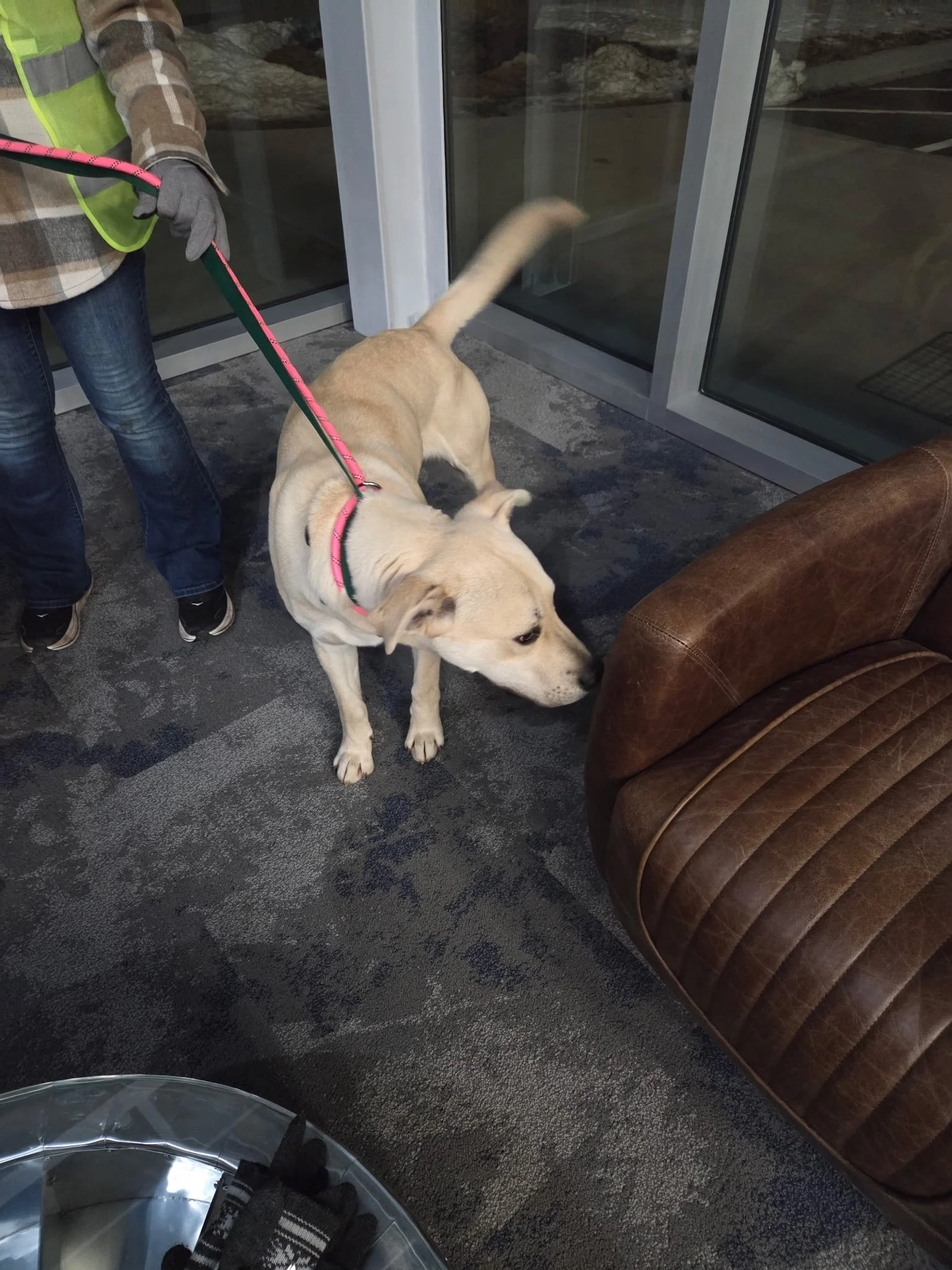
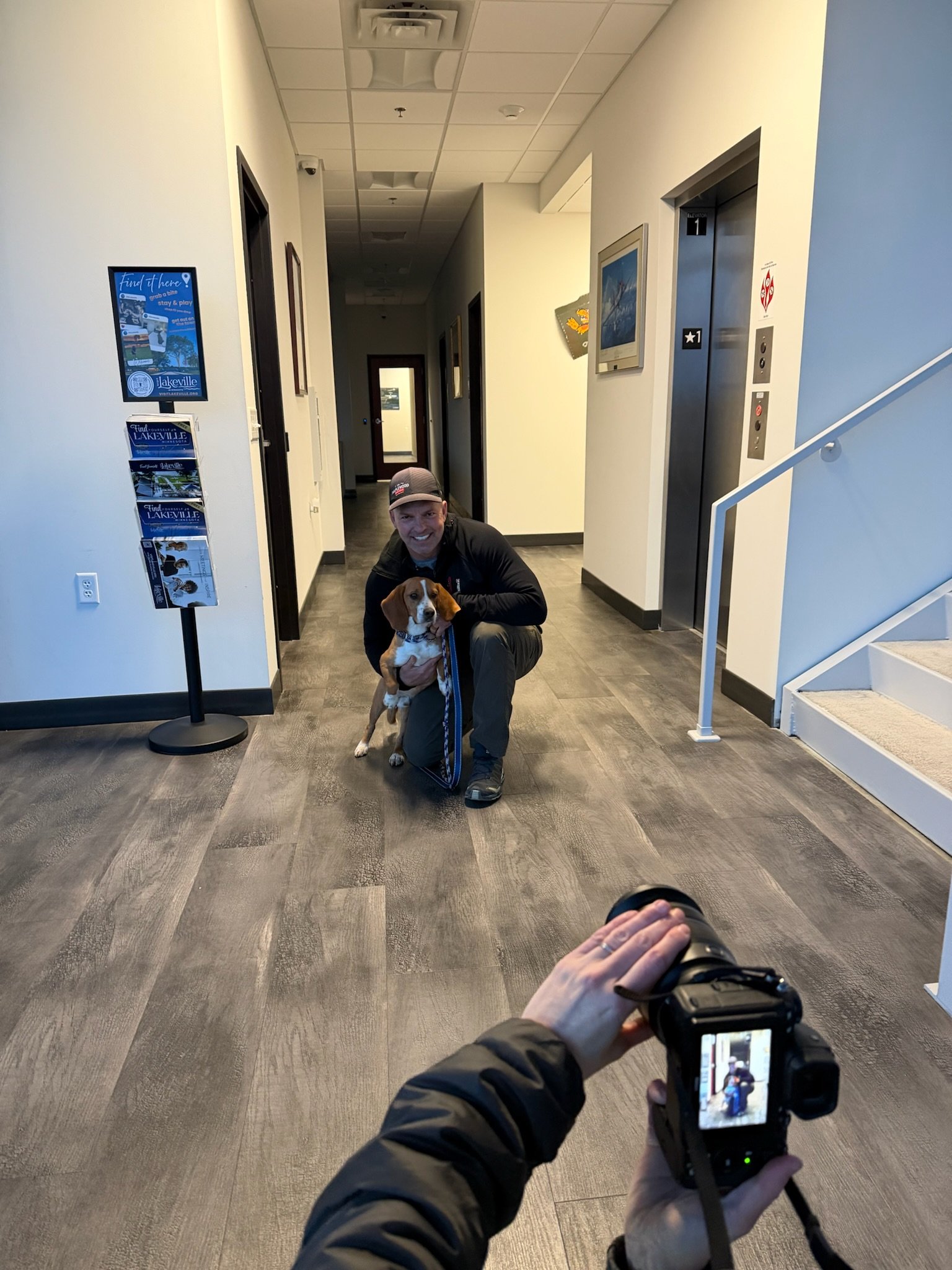
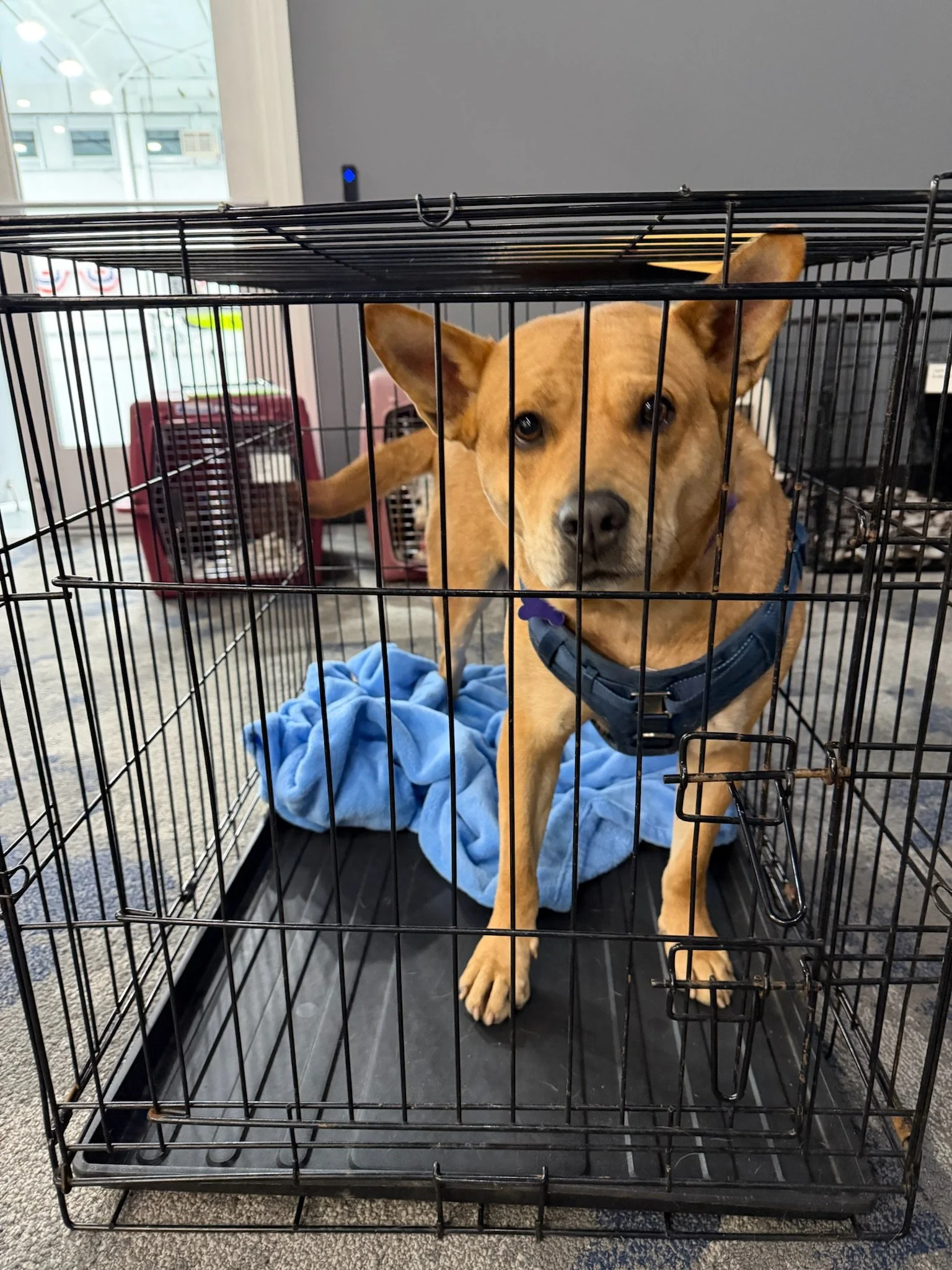
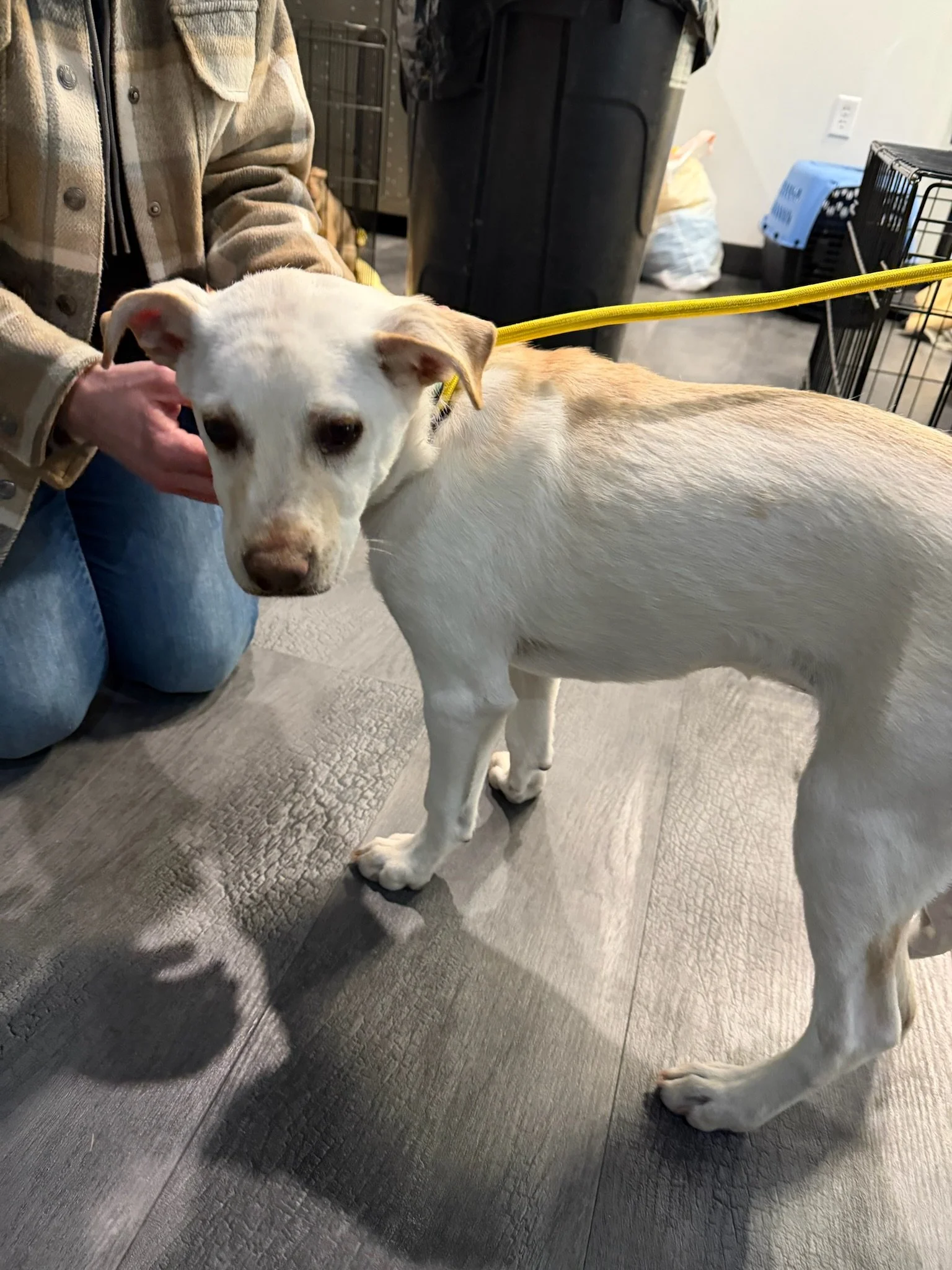
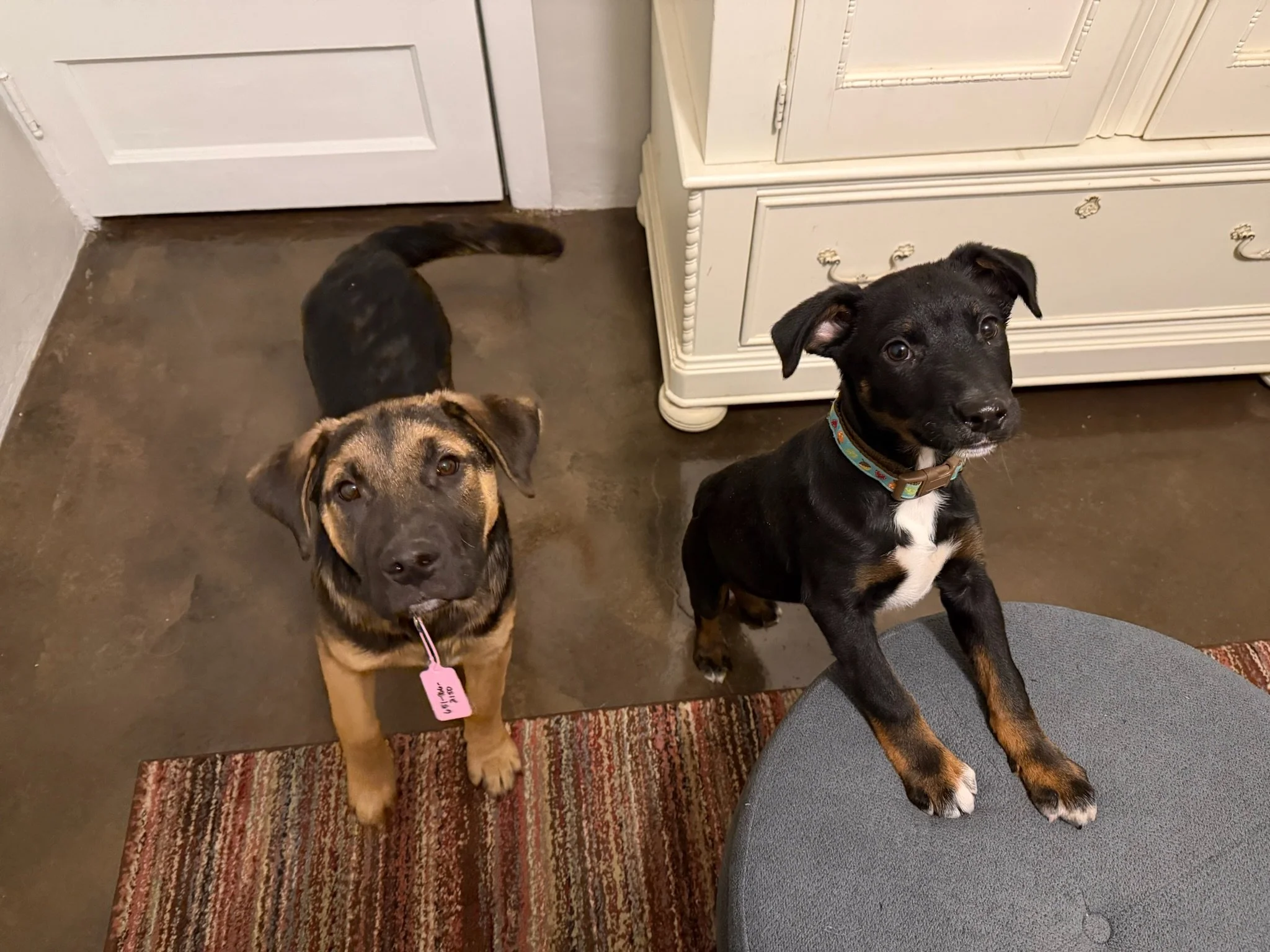
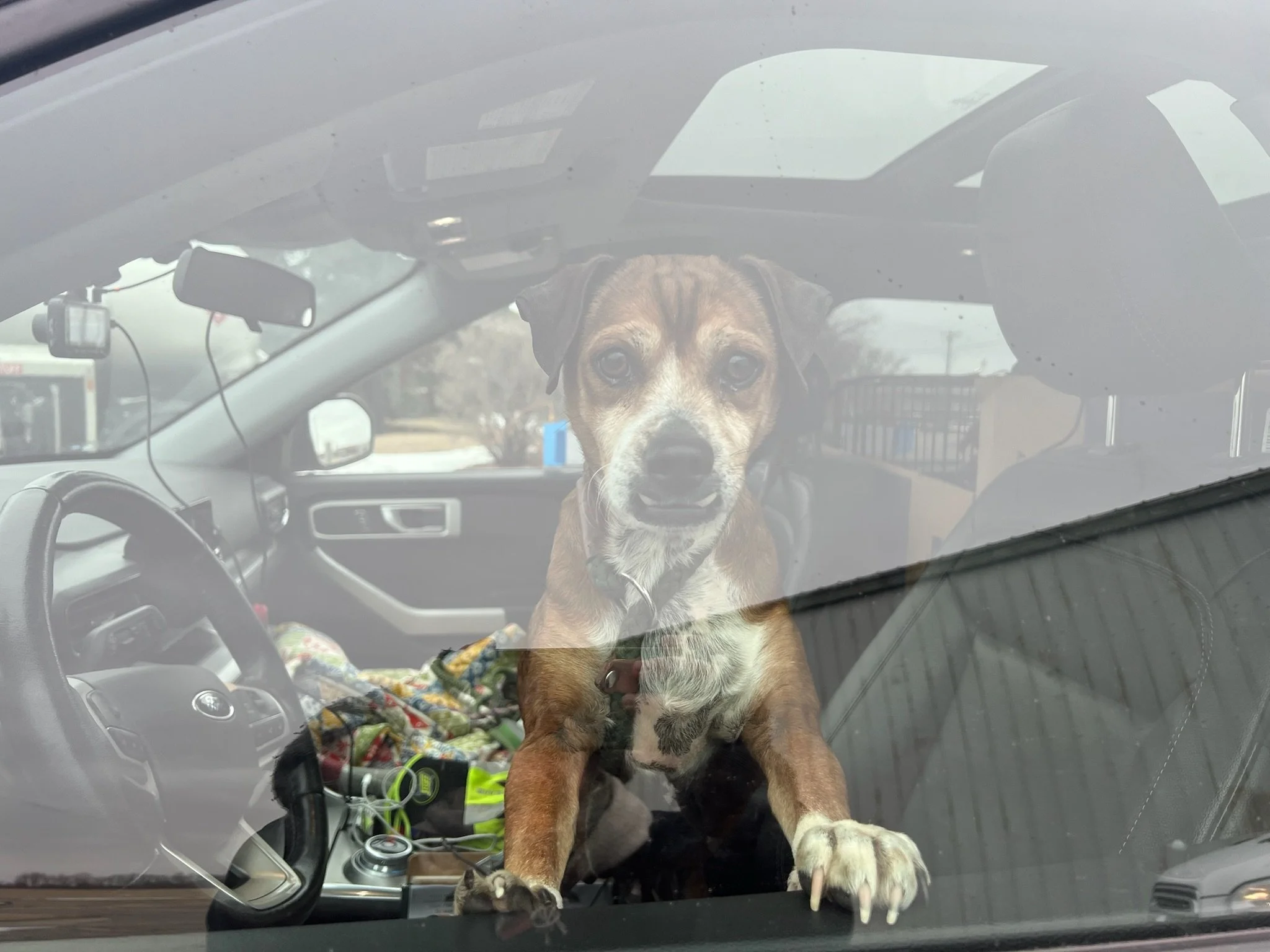
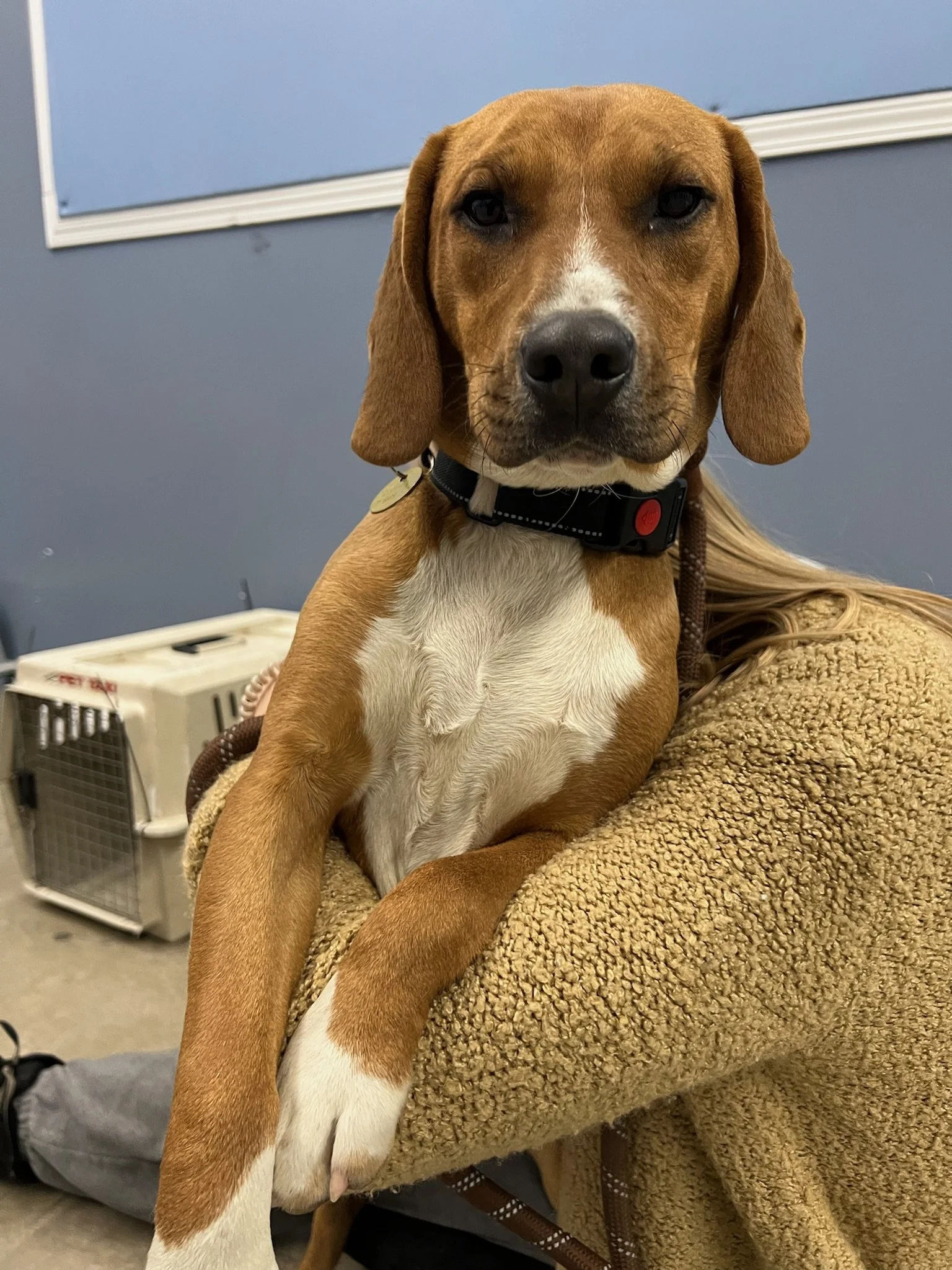
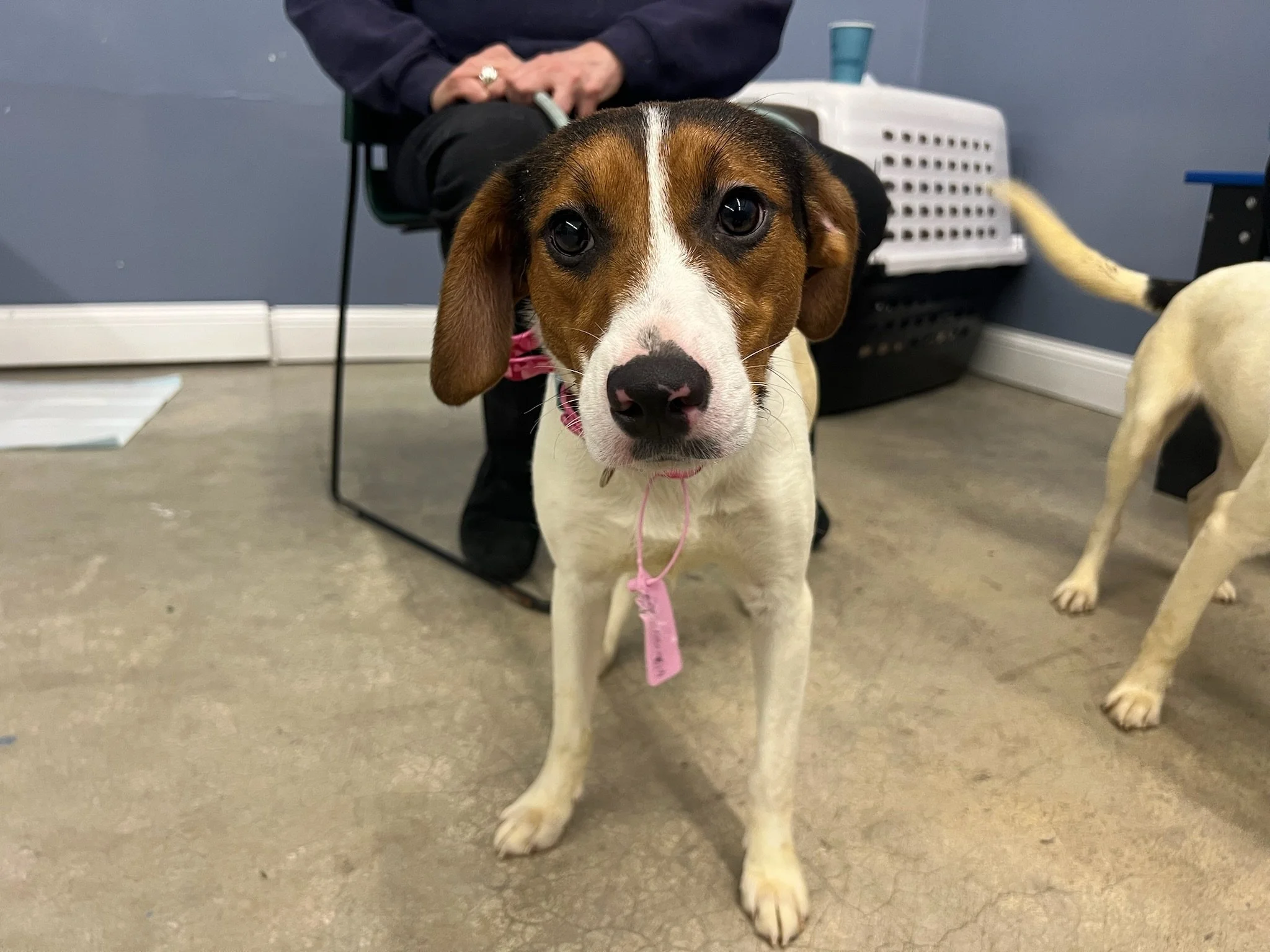
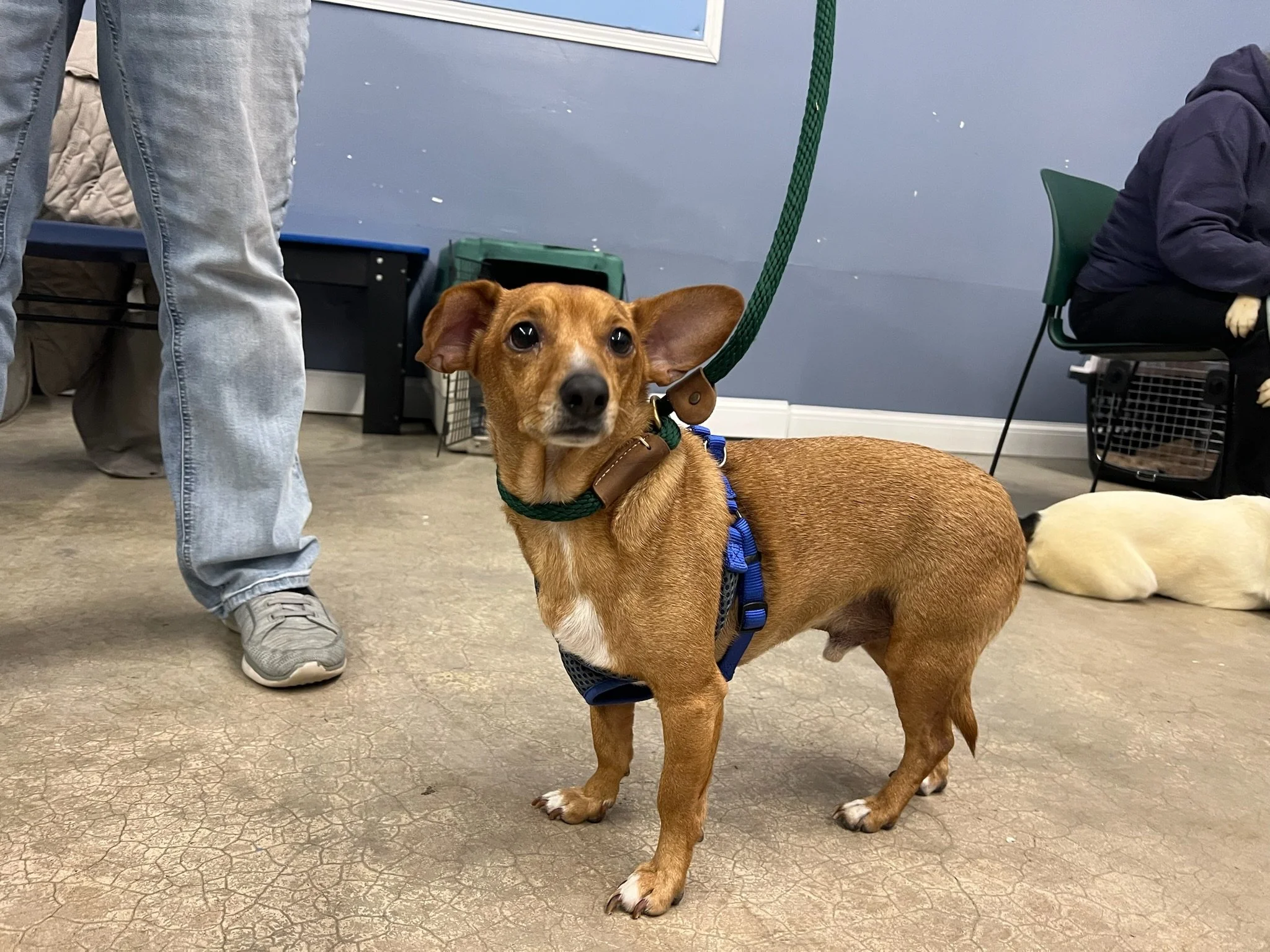
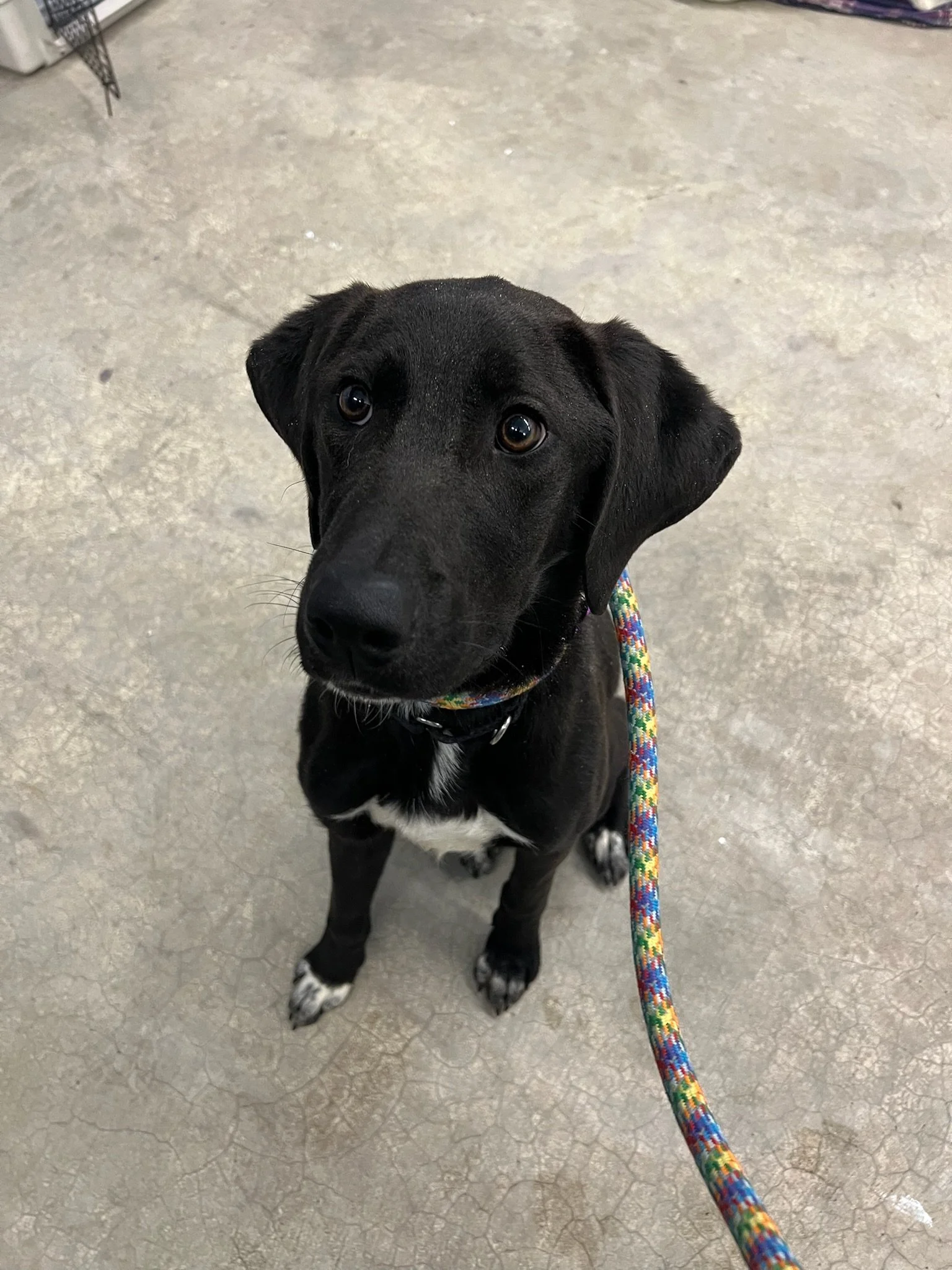
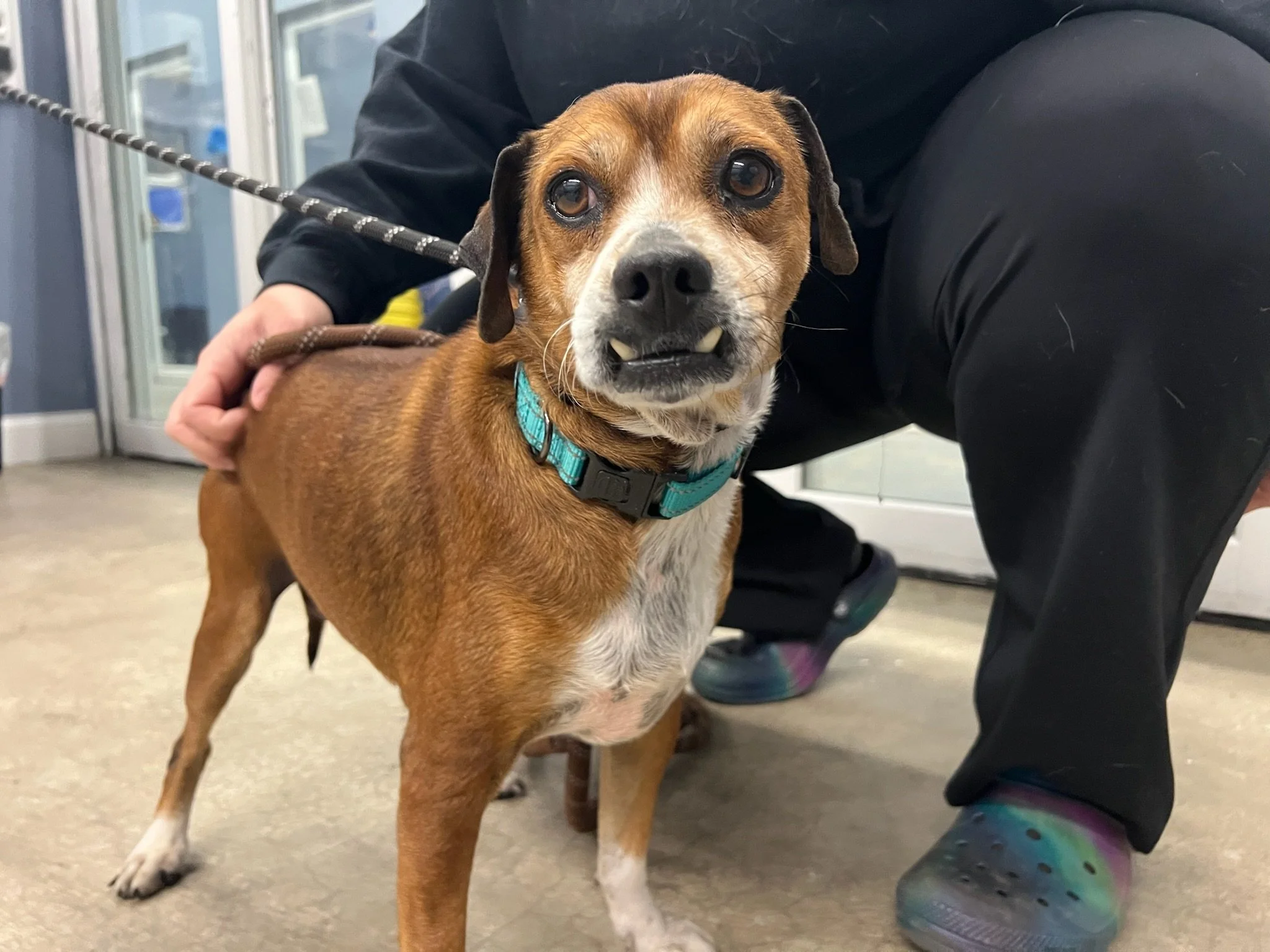
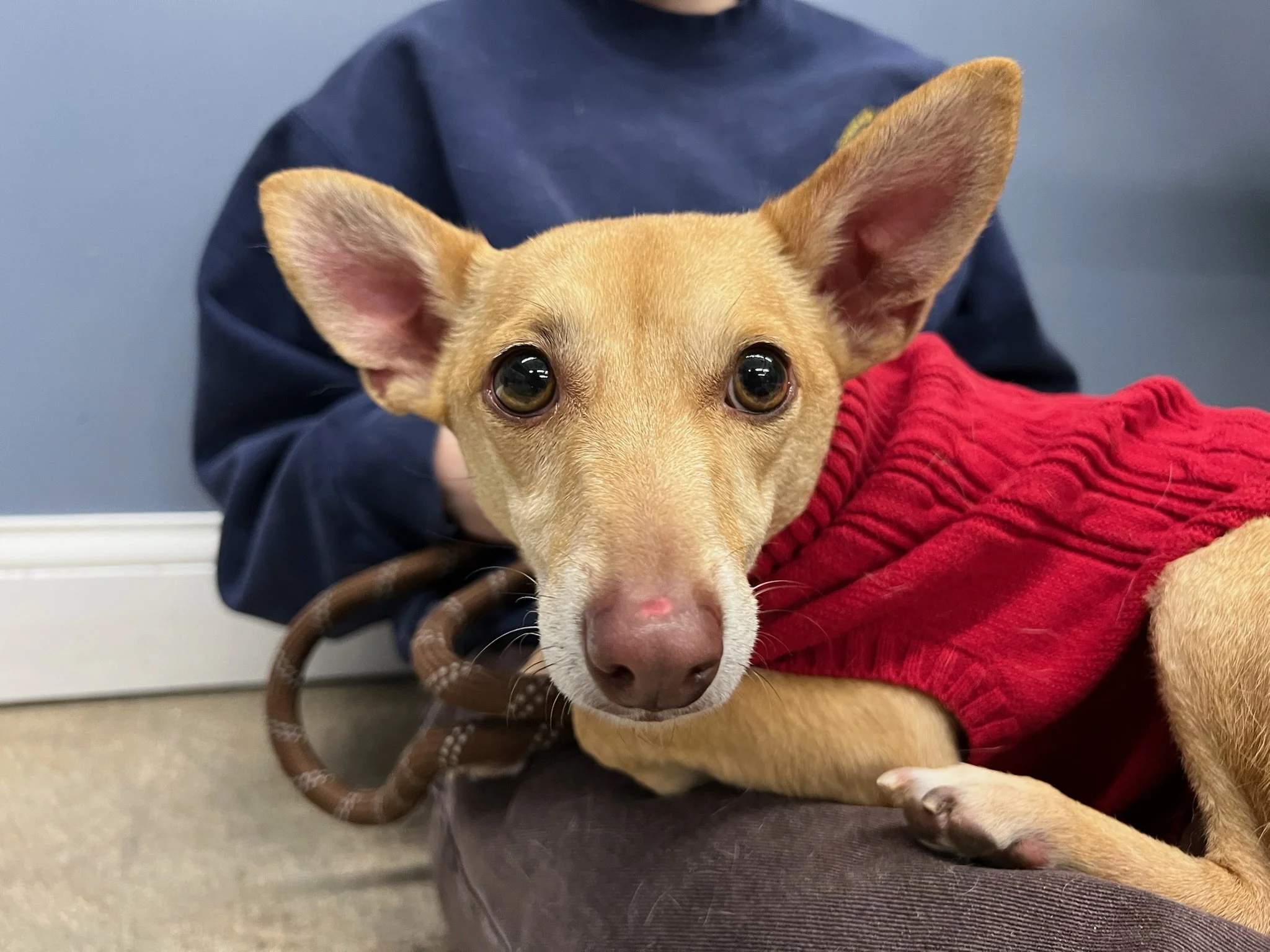
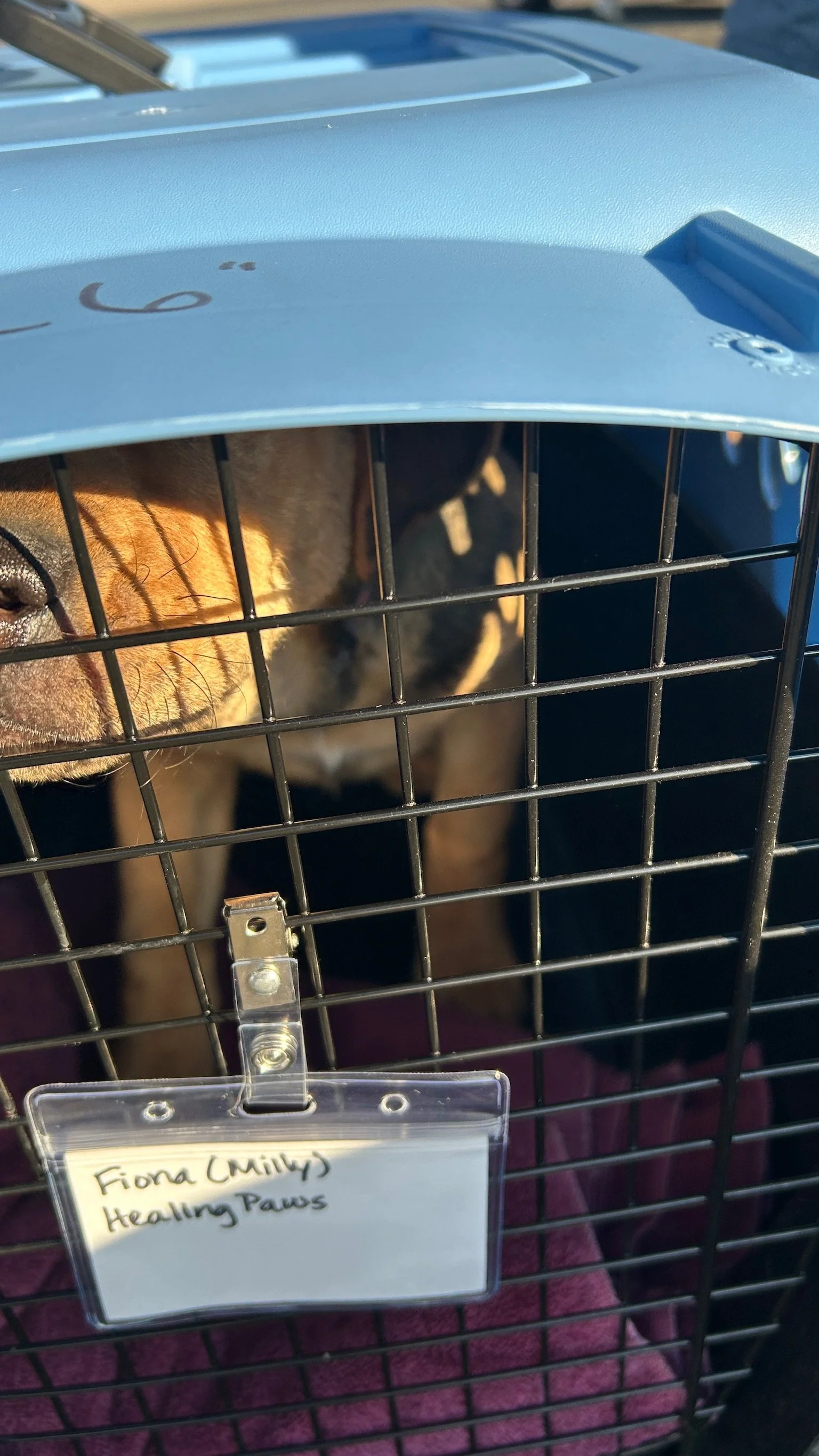
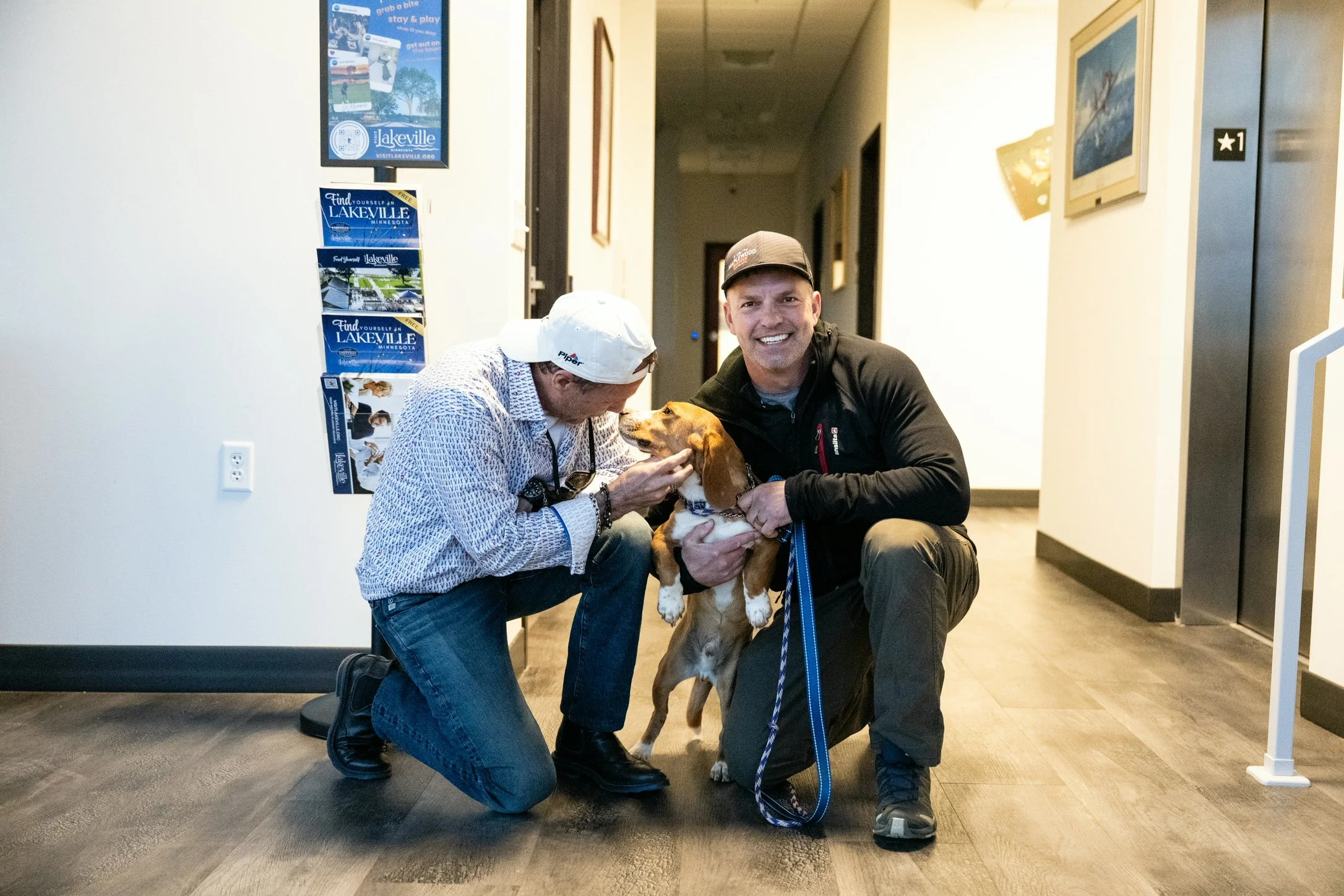
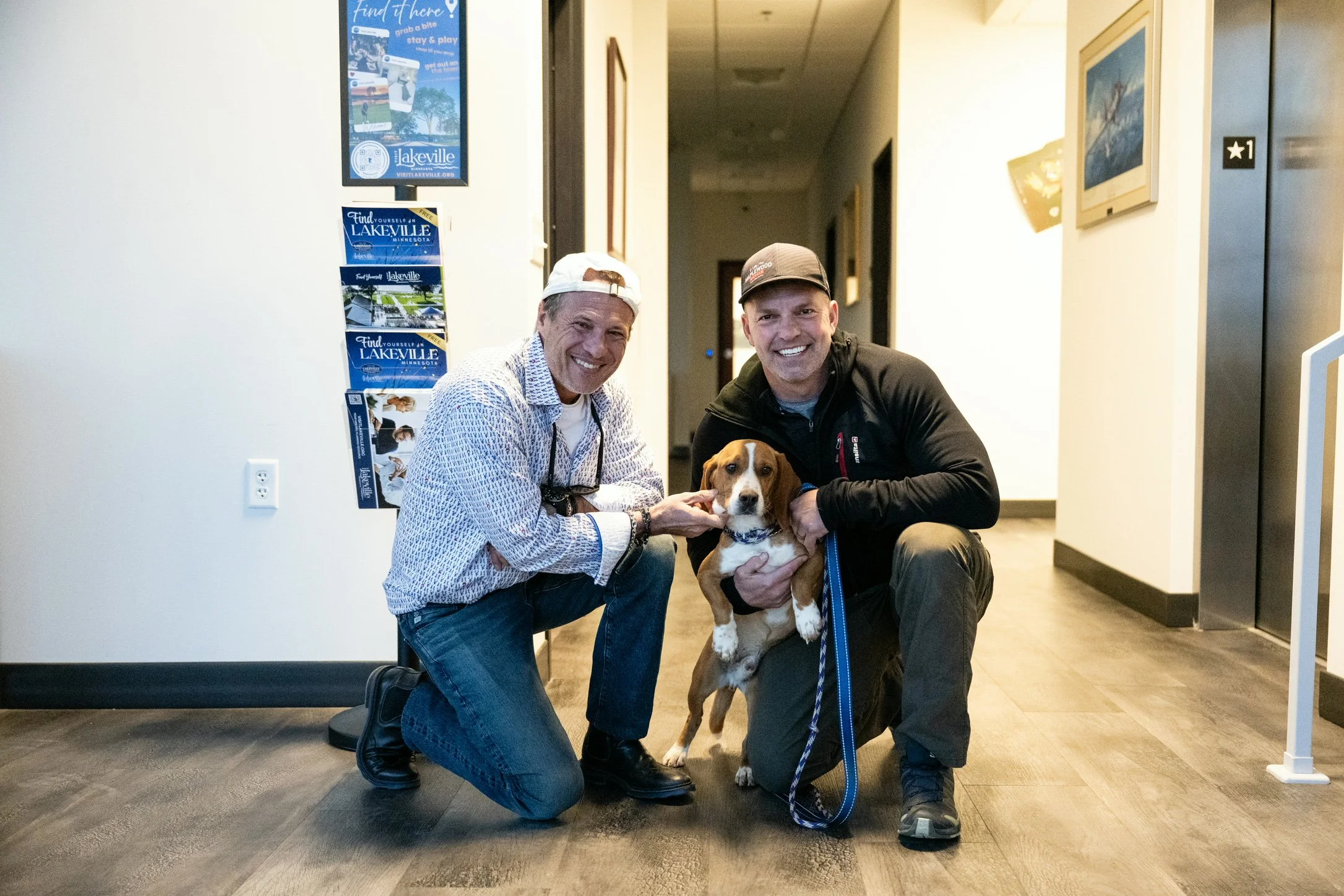
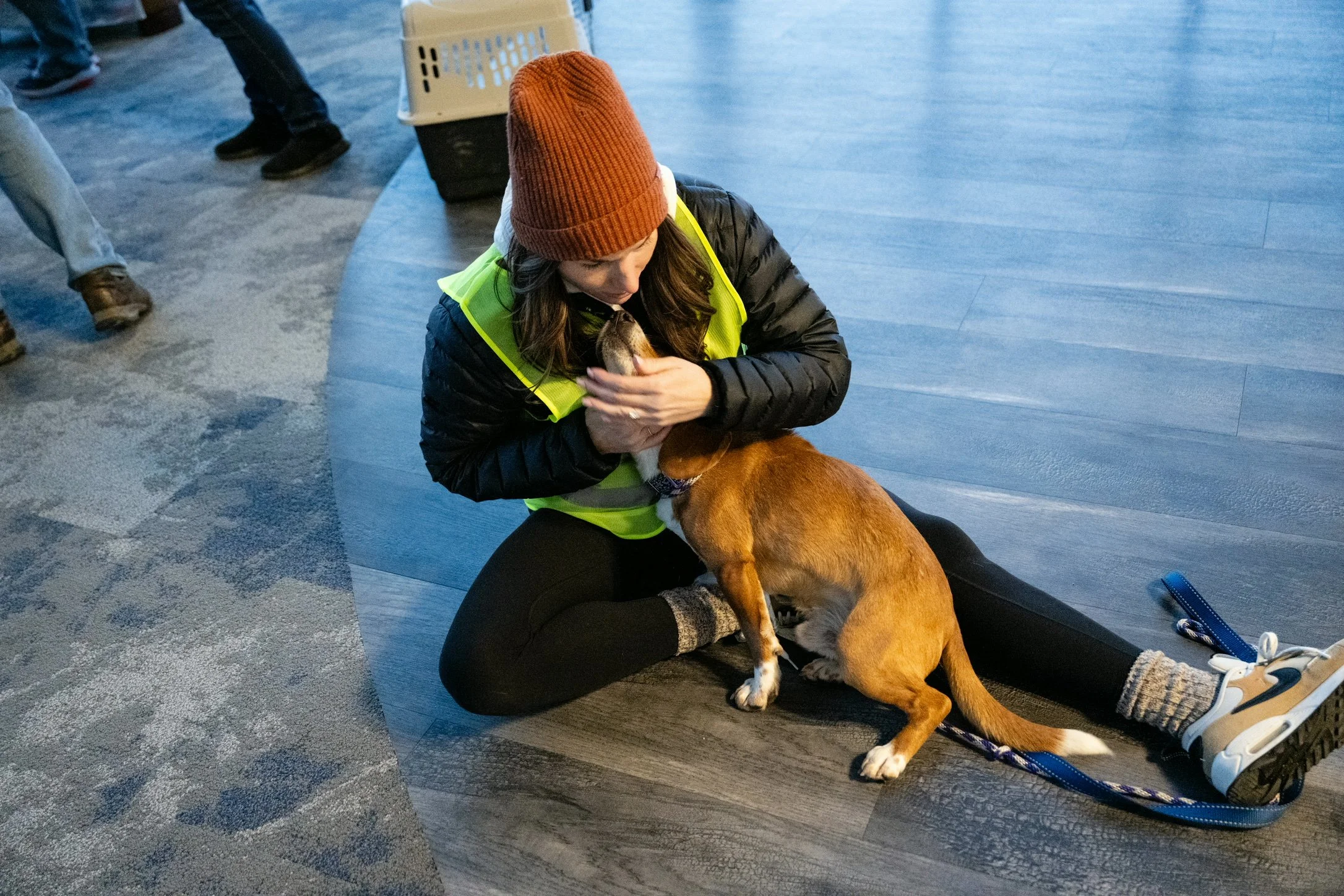
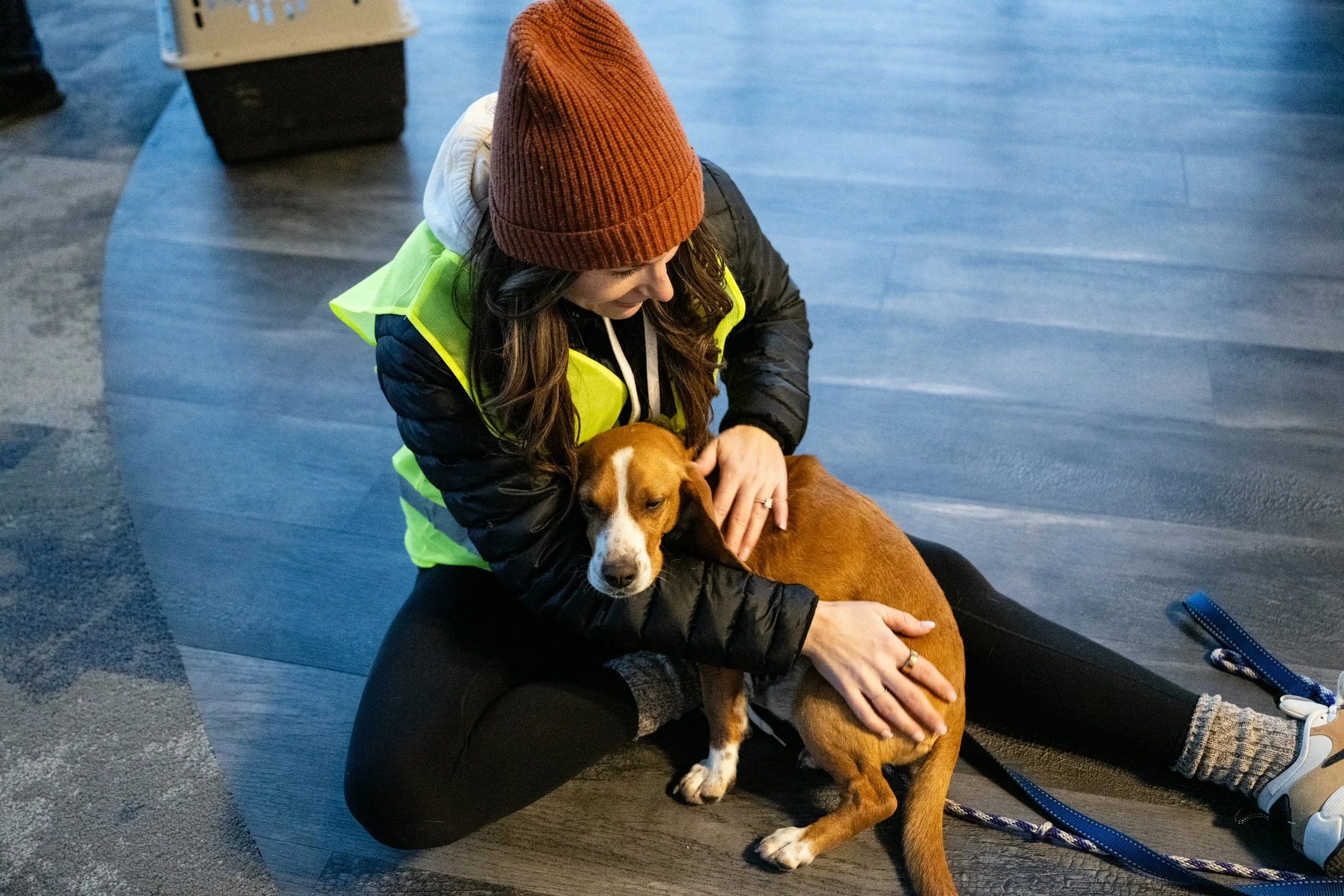
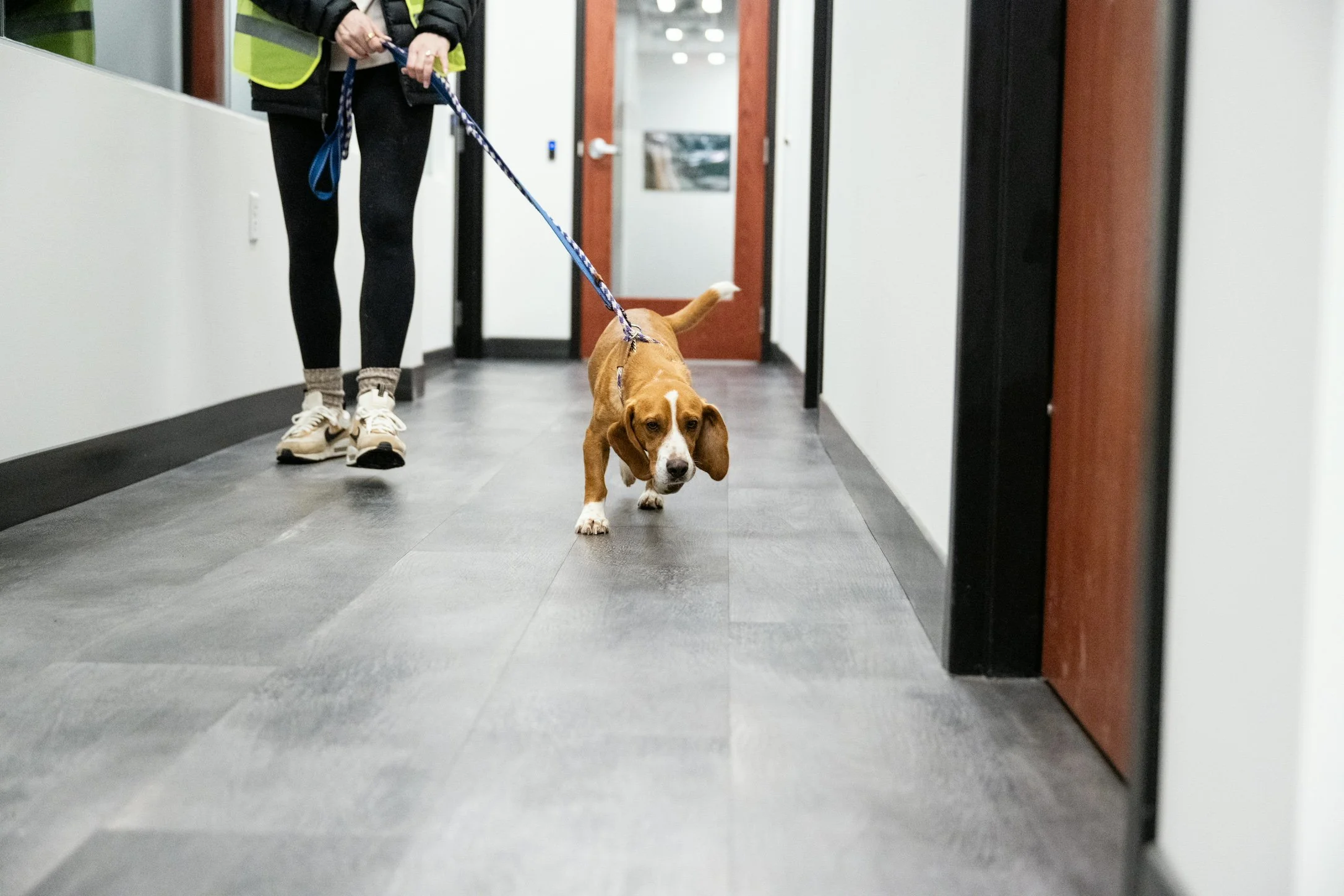
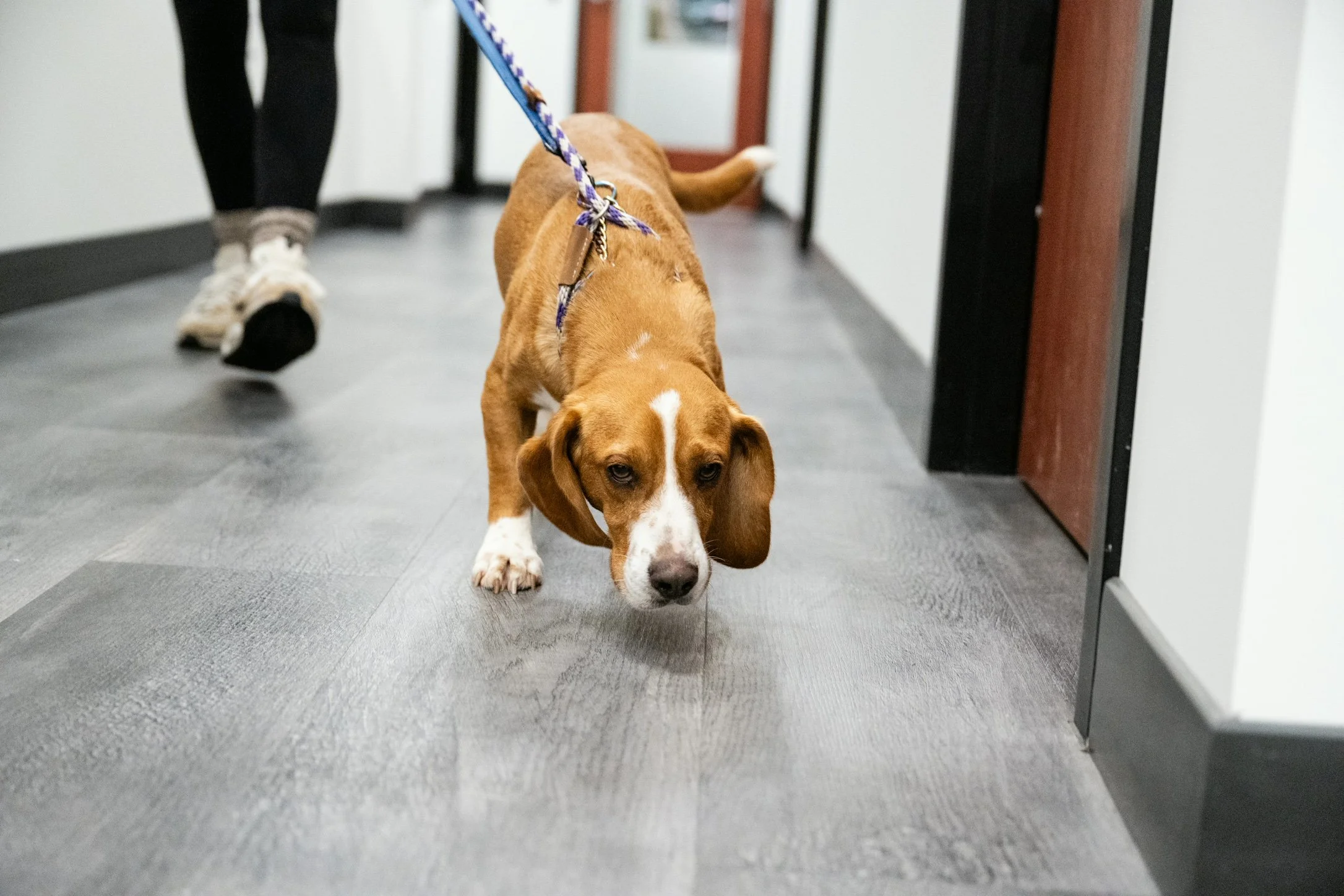
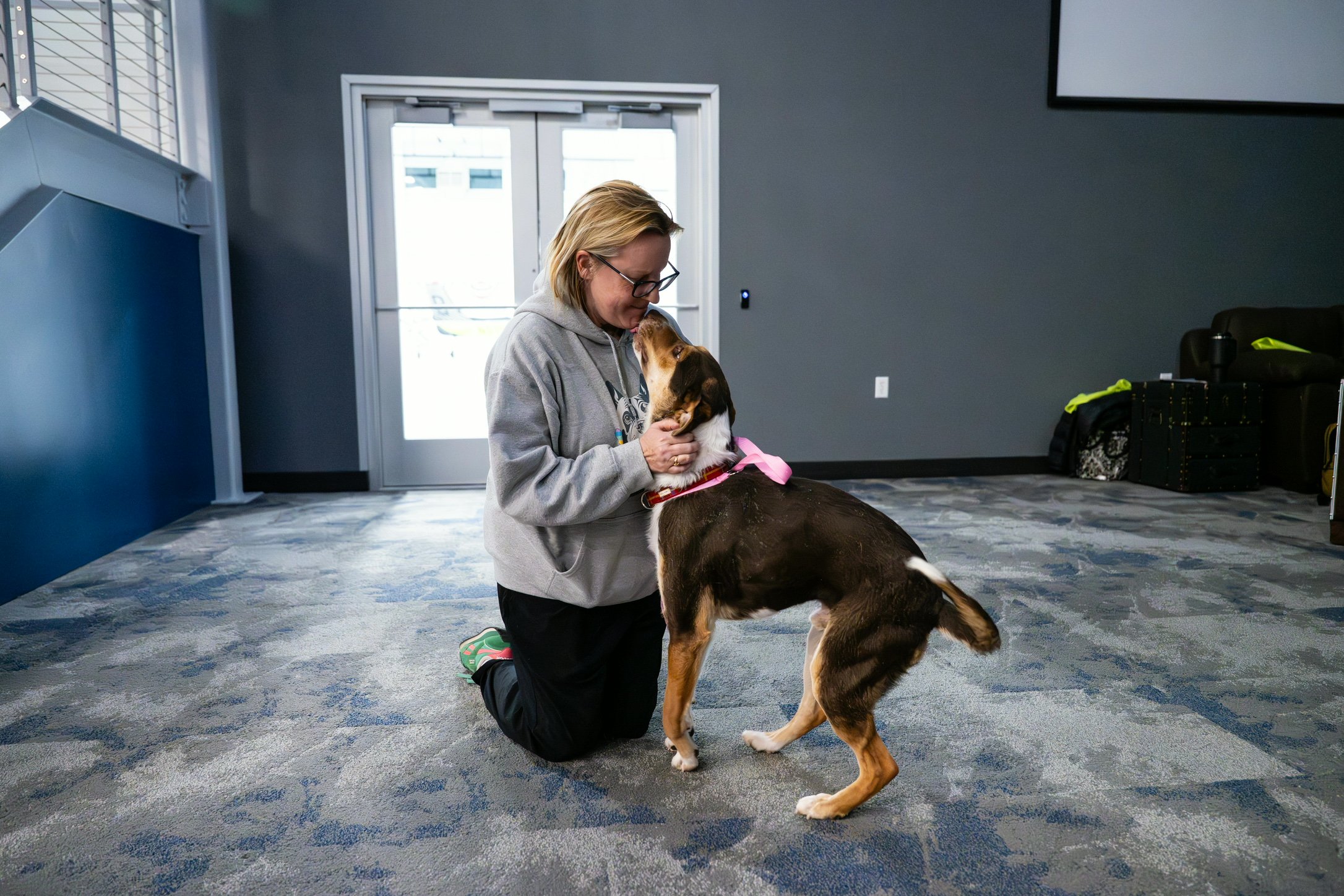
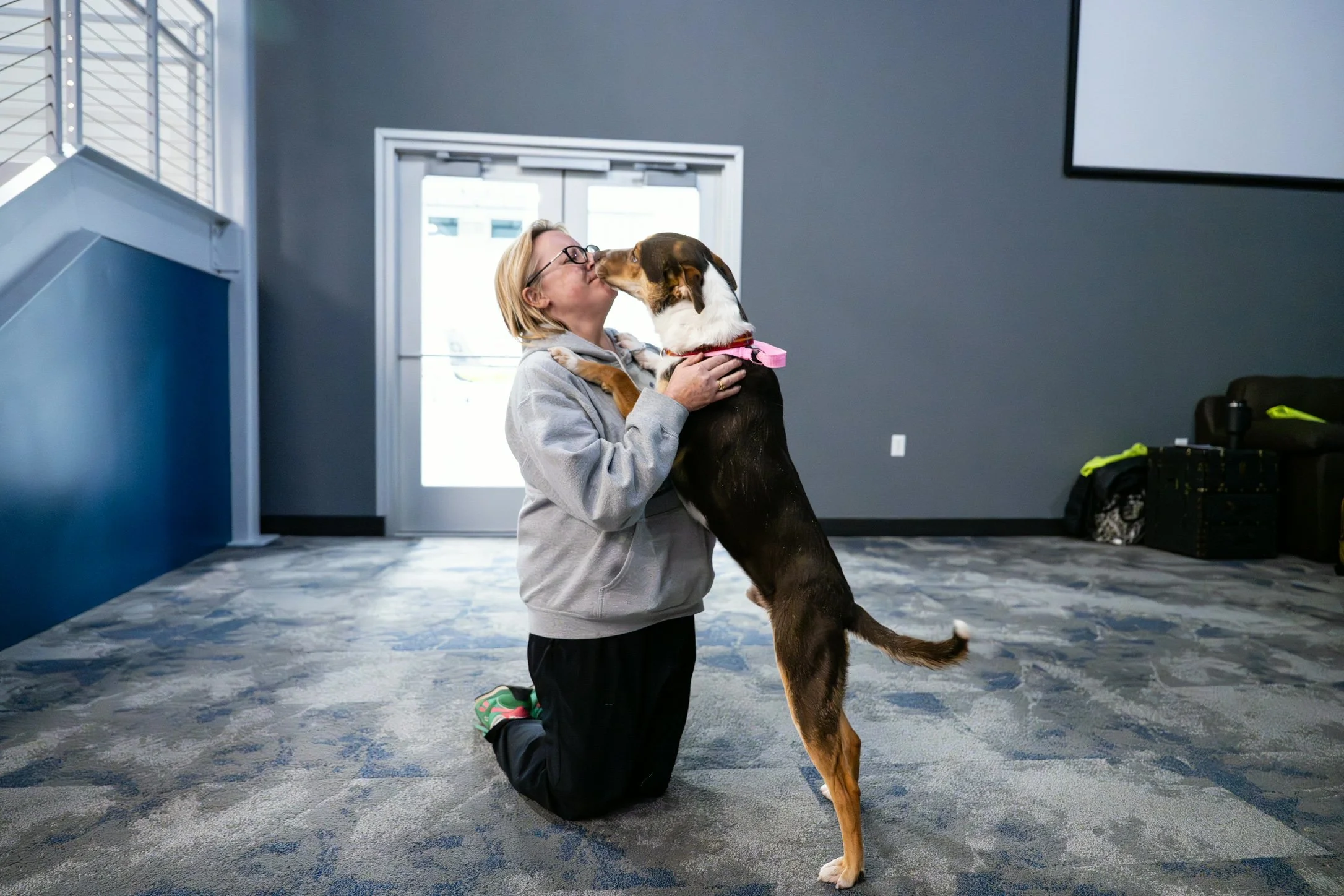
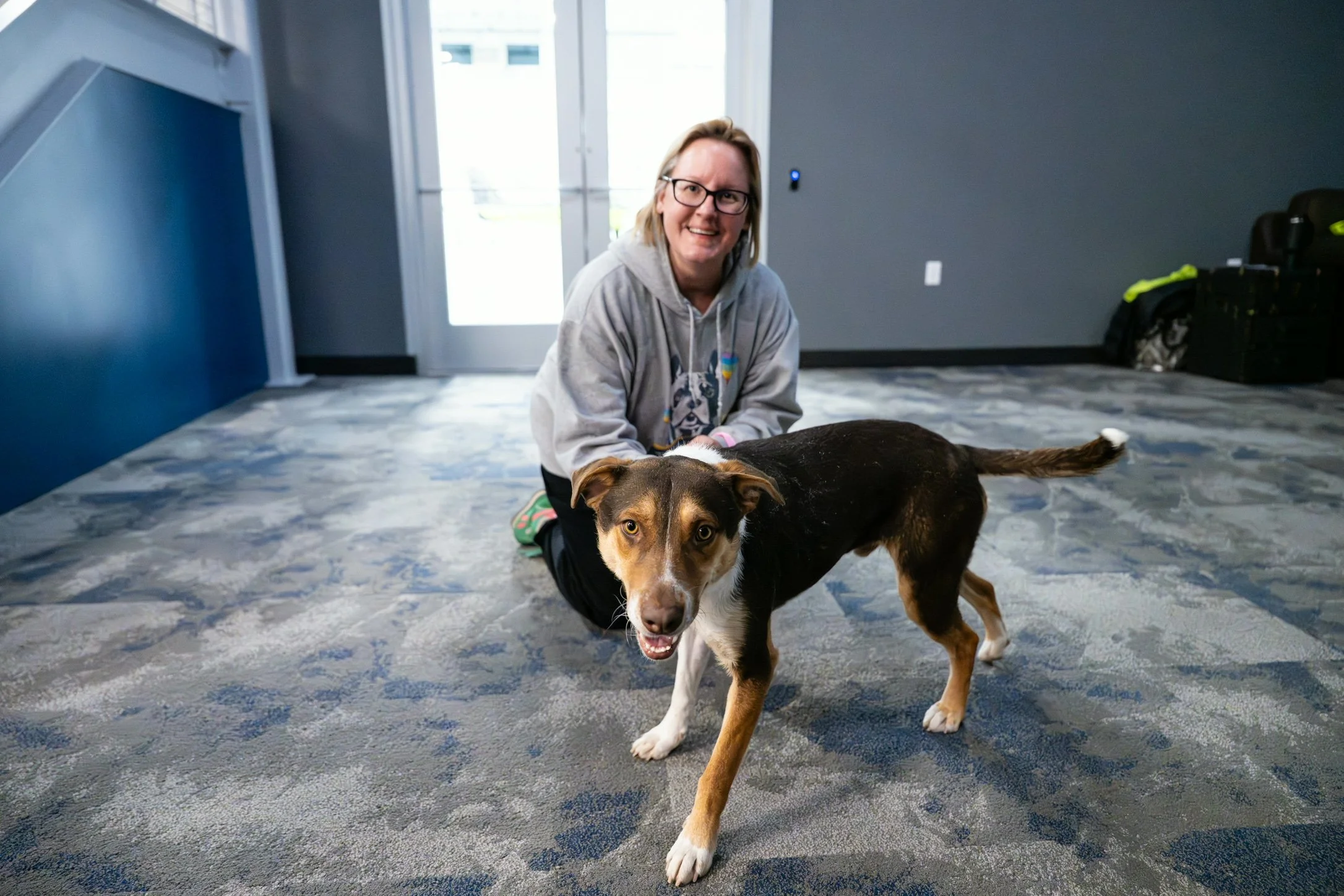
Below you will find 240 photos shared with us by Pilots n Paws!






Written By: Will Wight
All photos and videos were provided to us by Pilots N Paws.
Extra thank you to the City of Farmington Mayor’s Office and Farmington Mayor Joshua Hoyt for letting us know about this amazing mission!
